


Content Menu
● The Fundamental Purpose and Principle of Donning
● Prerequisite: The Non-Negotiable Step of Hand Hygiene
● Part 1: How to Put on Non-Sterile Examination Gloves
● Part 2: How to Put on Sterile Surgical Gloves (Open Gloving Technique)
● Common Errors During Donning and Their Consequences
● The Integration with Gowning and Procedure Setup
● The Role in Medical Visualization and Device Handling
● Training, Competency, and Quality Assurance
● Frequently Asked Questions (FAQ)
>> 1. Should I use powdered or powder-free gloves, and does it affect how I put them on?**
>> 2. What is the "closed gloving" technique mentioned for surgery, and why is it used?**
>> 3. My gloves keep tearing as I put them on. What am I doing wrong?**
>> 4. Is it acceptable to "pre-stretch" or blow into gloves to make them easier to put on?**
>> 5. How do I put on gloves when I am also wearing a long-sleeved isolation gown?**
In the intricate ecosystem of modern healthcare, where precision and sterility are paramount, the act of donning a medical glove is a foundational ritual. Whether preparing for a routine physical exam or a complex procedure guided by a bronchoscopy workstation or video laryngoscope, the correct application of a medical glove is the critical first step in establishing an effective barrier between the clinician and the clinical environment. This process, known as donning, is not merely about covering the hands; it is a deliberate technique designed to preserve the integrity of the glove, prevent contamination, and ensure optimal performance. For professionals working with sensitive medical visualization equipment, where tactile sensitivity is as crucial as visual clarity, a properly donned medical glove is an essential tool. This comprehensive guide will detail the step-by-step protocols for putting on both non-sterile examination gloves and sterile surgical gloves, emphasizing the underlying principles that make this simple act a cornerstone of infection control and patient safety.

The primary objective of donning a medical glove is to create an intact barrier without compromising its sterility or integrity. The core principle governing this process is the maintenance of a "clean to clean" interface. This means that only clean surfaces (the wearer's cleansed hands or the sterile inner surface of a surgical glove) should contact other clean surfaces. Breaching this principle during donning can introduce contaminants to the outside of the glove before it is ever used, rendering it ineffective. A flaw in this initial step can undermine the entire purpose of wearing a medical glove, whether in a high-stakes surgical setting or during the handling of a delicate single-use ureteroscope.
Before any contact with a medical glove, appropriate hand hygiene must be performed. This is the absolute prerequisite that protects the patient from organisms on the clinician's hands and protects the clinician by ensuring a clean surface inside the glove.
- Method: Use an alcohol-based hand rub (ABHR) or wash with soap and water.
- Duration: If using ABHR, apply a palmful and rub vigorously over all surfaces of the hands and wrists until dry (approximately 20-30 seconds). If washing with soap and water, the process should last at least 40-60 seconds.
- Critical Details: Ensure hands are completely dry before donning gloves. Moisture inside a medical glove can promote microbial growth, cause skin maceration, and make donning difficult, potentially tearing the glove.
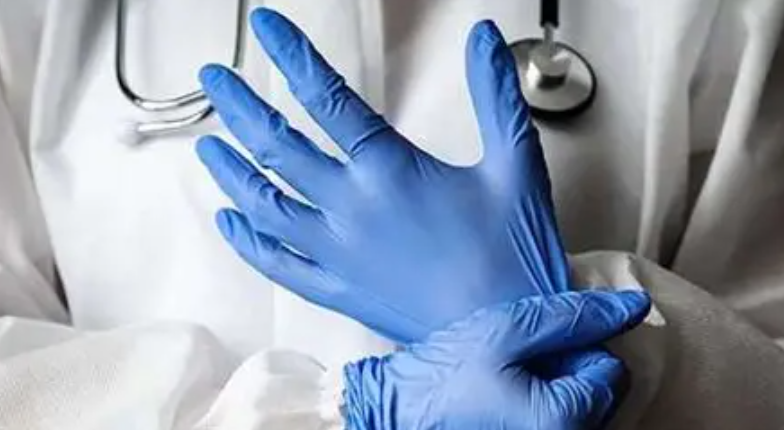
Examination gloves are used for procedures that require a clean barrier but not a sterile field, such as patient exams, wound dressing, and handling bodily fluids. The donning technique focuses on efficiency while maintaining cleanliness.
Step-by-Step Procedure:
1. Select the Correct Size and Type: Choose a medical glove of the appropriate material (nitrile, latex, or vinyl) and size from the dispenser or box. Ensure the gloves are within their expiration date and the packaging is intact.
2. Open the Package or Dispense: Tear open the package at the indicated notch or retrieve one glove from the dispenser, touching only the cuff area (the folded-over part). For dispensed gloves, pull from the center to avoid touching adjacent gloves.
3. Don the First Glove:
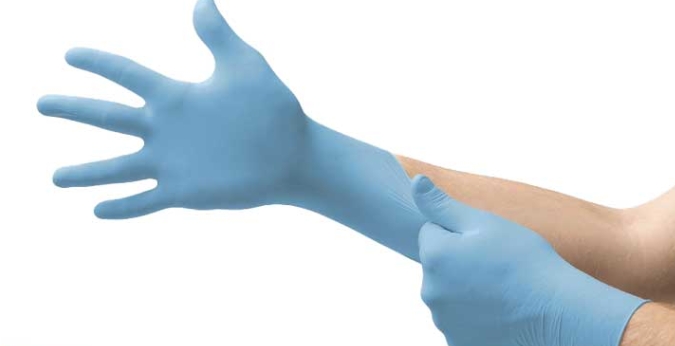
- Hold the cuff of the glove with the fingers of the opposite hand. The cuff is designed to be handled.
- Gently insert your hand into the glove, pulling the cuff upward as you slide your fingers into the correct slots. Avoid over-stretching the material.
- Once the hand is fully inserted, adjust the fit so the glove is smooth over the fingers and palm, with no excessive wrinkling.
4. Don the Second Glove:
- Using the now-gloved hand, slide your fingers under the cuff of the second medical glove. Crucially, only the gloved fingers should touch the exterior cuff of the clean glove.
- Lift the glove and insert your bare hand, again pulling the cuff up as you slide your hand in.
- Adjust both gloves for comfort and full coverage, ensuring the cuffs sit securely at the wrist.
Key Point for Examination Gloves: The technique uses the first gloved hand as a "clean tool" to handle the exterior of the second clean glove, preventing the bare (and potentially re-contaminated) hand from touching it.
Sterile gloves are required for surgical procedures, central line insertion, and any activity requiring an aseptic field. The open gloving technique is used when donning gloves independently, without the assistance of a scrubbed colleague. This method is highly disciplined to maintain the sterility of the external surfaces.
Step-by-Step Procedure:
1. Perform Surgical Hand Antisepsis: This is a more rigorous scrub than routine hand hygiene, designed to eliminate transient and reduce resident flora.
2. Prepare the Field: Open the inner sterile wrapper of the medical glove package on a clean, dry surface. The gloves will be presented cuff-side toward you, with the palms facing up if they are handedness-specific.
3. Don the First Sterile Glove (Dominant Hand First is Common):
- Using your non-dominant hand, pick up the medical glove for your dominant hand by grasping only the folded cuff (the inner, non-sterile surface). Lift it away from the wrapper without touching anything else.
- Carefully insert your dominant hand into the glove. Pull the glove on by the cuff, but do not allow the sterile exterior to touch your bare skin or any non-sterile surface. Let the cuff roll over your hand as it is designed.
4. Don the Second Sterile Glove:
- Now, using your sterile-gloved dominant hand, slide your fingers under the cuff (the sterile outer surface) of the remaining glove. Your sterile fingers must only contact the sterile exterior.
- Gently lift the glove and guide your non-dominant hand into it. As you insert your hand, you can use your sterile thumb to help guide and expand the cuff.
- Once the hand is inserted, carefully unfold the cuff over the gown sleeve without contaminating the sterile glove surface.
5. Final Adjustments: Interlace your fingers to settle the gloves comfortably. Adjust only by touching sterile glove to sterile glove. The exterior surfaces must remain uncontaminated.
- Error: Donning with Wet Hands. Moisture causes gloves to adhere poorly, increases tear risk, and creates a moist environment for bacterial growth.
- Error: Over-stretching the Cuff or Material. This can create micro-tears, compromise the integrity of the medical glove, and reduce its barrier effectiveness.
- Error: Touching the Sterile Exterior During Surgical Donning. Any contact between the sterile glove surface and a non-sterile object (skin, clothing, table) before the procedure begins constitutes a break in sterility, requiring regowning and regloving.
- Error: The "Blow-and-Glove" Technique. Blowing into a glove to open it introduces oral flora and moisture, contaminating the interior.
- Error: Incorrect Sizing. Gloves that are too tight are prone to tearing and restrict dexterity; gloves that are too loose impair tactile sensitivity and are more likely to snag.
In sterile procedures, gloving is typically the final step after donning a sterile gown.
- Closed Gloving: Performed when the sterile gown has closed, knitted cuffs. The gloves are donned by working the hands through the cuffs directly into the pre-positioned gloves without the hands ever being exposed. This is considered the gold standard for maintaining sterility.
- Sequence is Critical: The process must follow a logical order (hand hygiene → gown → gloves) to ensure that each step protects the sterility of the next.
For specialists using medical visualization technology, proper gloving is doubly important.
- Pre-Procedure: Before handling a sterile endoscopy system component or connecting a single-use ureteroscope, sterile gloves must be donned correctly to prevent introducing pathogens into a sterile body cavity.
- During Procedure: When adjusting a medical image processor or bronchoscopy workstation console during a non-sterile phase, clean examination gloves should be donned to protect the equipment from hand oils and the clinician from surface contaminants.
- Post-Procedure: Removing contaminated gloves properly (doffing) before handling clean equipment controls is essential to prevent cross-contamination.
Correct donning technique must be trained, assessed, and reinforced.
- Structured Training: Incorporate donning (and doffing) into all clinical orientation programs. Use visual guides and hands-on practice.
- Competency Evaluation: Supervisors should periodically observe staff during glove donning, especially for sterile techniques, to ensure adherence to protocol.
- Manufacturer's Role: As an OEM provider of sensitive medical devices, we understand that our partners rely on clinicians who follow fundamental protocols like proper gloving to ensure our equipment is used in a safe, contamination-free manner, preserving both patient outcomes and device functionality.
Putting on a medical glove is a deceptively simple yet profoundly important clinical skill. It is the deliberate initiation of a protective barrier, a procedure governed by the unwavering principle of "clean to clean." From the rapid donning of nitrile examination gloves in an emergency department to the meticulous, ritualized process of open gloving for surgery, the technique must be executed with conscious precision. In the world of medical visualization, where technology extends our sight, the properly donned medical glove remains the essential safeguard for our touch. Mastering and respecting this fundamental protocol is a clear marker of professional competence and a critical investment in the safety of every patient encounter and the longevity of sophisticated medical technology.
You should use powder-free medical gloves for almost all clinical applications. Powder (usually cornstarch) can aerosolize, potentially carrying allergens (in latex gloves) and interfering with wounds or sensitive equipment. Powder-free gloves use chlorination or polymer coatings for donning ease. The donning technique is identical, but powder-free gloves may feel slightly more resistant initially; ensure your hands are completely dry to help them slide on smoothly.
Closed gloving is a method where the scrubbed practitioner's hands remain entirely within the sterile sleeves of the gown. An assistant opens the sterile medical glove package, and the practitioner manipulates the gloves through the gown cuff without the hands ever being exposed. It is considered superior to open gloving because it minimizes the risk of the sterile glove exterior touching the skin (which, though scrubbed, is not sterile) during donning, offering a higher assurance of maintained sterility.
Frequent tearing during donning suggests several possible issues: 1) Incorrect Size: The glove is too small, causing excessive tension. 2) Jewelry or Long Nails: Rings, watches, or long, un-filed nails can easily puncture the thin material. 3) Over-Stretching: Pulling too aggressively on the cuff or fingers. 4) Dry or Damaged Skin: Rough cuticles or calluses can snag the material. Address these factors, ensure hands are moisturized (when not about to don gloves), and use a steady, gentle pulling motion.
No, this is not acceptable and is a contamination risk. "Blowing" into a glove introduces moisture and oral microbes into the interior. "Pre-stretching" by pulling the fingers can create micro-tears that compromise the glove's barrier integrity before use. The correct method is to select the proper size and use the cuff to guide the hand in smoothly. If donning is consistently difficult, try a different brand or a half-size larger.
The sequence is vital for containment. First, don the isolation gown and fully secure it. Then, perform hand hygiene. Finally, don your medical gloves, ensuring the glove cuffs are pulled over the gown's sleeves, creating a continuous barrier with no exposed skin or gown material at the wrist. This "glove over gown" technique is essential for contact precautions to prevent pathogens from wicking onto your skin or clothing.
[1] https://www.cdc.gov/handhygiene/providers/index.html
[2] https://www.who.int/gpsc/5may/Glove_Use_Information_Leaflet.pdf
[3] https://www.fda.gov/medical-devices/personal-protective-equipment-infection-control/gloves


