
Views: 222 Author: Lake Publish Time: 2026-01-27 Origin: Site


Content Menu
● Understanding the Connection: Why a Laryngoscope Might Cause Nasal Symptoms
>> 1. The Nasopharyngeal Reflex and Secretory Response
>> 2. Secretions and Suctioning During the Procedure
>> 3. Related Interventions: Nasogastric Tubes and Nasal Oxygen
>> 4. General Anesthesia and Mucosal Drying
● Typical Duration and Character of Symptoms
>> The Normal Post-Operative Course
>> Factors Influencing Duration
● Differentiating Normal Recovery from Potential Complications
>> Sinusitis
>> Cerebrospinal Fluid (CSF) Leak – A Rare but Serious Concern
● Patient Management and Relief Strategies
>> Medications (Use with Caution and Preferably After Consultation)
>> When to Contact a Healthcare Provider
● The Clinician's Role: Setting Expectations and Monitoring
● Special Considerations: Nasotracheal Intubation
● Frequently Asked Questions (FAQ)
>> 1. Is a runny nose a normal side effect after being intubated with a laryngoscope?
>> 2. How long should I expect my nose to run after surgery where a laryngoscope was used?
>> 3. What can I do at home to relieve the runny nose and discomfort?
>> 4. When should I be worried and call my doctor about my runny nose after surgery?
>> 5. Could the runny nose be from something other than the laryngoscope?
The laryngoscope is an indispensable tool for airway management, primarily used to facilitate endotracheal intubation during surgery, in intensive care units, and in emergency settings. While the procedure is life-saving, patients often have questions about common post-procedural symptoms, one of the most frequent being nasal discharge or a "runny nose." This symptom, while typically benign and transient, can cause discomfort and concern. This comprehensive article examines the causes, typical duration, and management of nasal discharge following laryngoscope use. We will explore the physiological mechanisms triggered by the laryngoscope, differentiate between normal recovery and signs of complication, and provide evidence-based guidance for patients and clinicians on what to expect after a laryngoscope procedure.

It is crucial to clarify that a standard laryngoscope procedure for orotracheal intubation (through the mouth) does not directly involve the nasal passages. The laryngoscope blade is inserted through the mouth to visualize the vocal cords. However, several indirect mechanisms can lead to subsequent nasal symptoms:
The back of the throat (pharynx) is richly innervated and closely connected to the nasal passages via the nasopharynx. Mechanical stimulation from the laryngoscope blade, the endotracheal tube passing through the oropharynx, or even the presence of the tube itself during surgery can irritate these sensitive tissues. This irritation can trigger a vagal-mediated reflex, leading to increased secretion production from both the salivary glands and the nasal mucosa. Essentially, the body responds to the perceived irritation by producing more fluids, which can drain posteriorly (post-nasal drip) or anteriorly as a runny nose.
During intubation and extubation, healthcare providers often use suction catheters to clear secretions from the mouth and pharynx. This suctioning can sometimes stimulate the nasal passages indirectly or cause minor trauma to the mucosal lining, prompting an inflammatory and secretory response once the patient is awake.
Often, procedures involving a laryngoscope are accompanied by other interventions that *do* directly involve the nose:
- Nasogastric (NG) Tubes: Frequently placed after major surgery, an NG tube passes through the nose and down the esophagus. This is a very common cause of nasal irritation, inflammation, and subsequent discharge.
- Nasal Cannulas or Oxygen Prongs: Post-operative oxygen delivery via nasal devices can dry and irritate the nasal mucosa, sometimes causing a reactive increase in secretions.
Patients may logically associate all post-operative nasal symptoms with the most memorable device—the laryngoscope—when a concurrent intervention is often the direct cause.
General anesthesia drugs reduce mucus production and ciliary function (the tiny hairs that clear mucus). After anesthesia wears off, there can be a "rebound" effect where mucus production resumes vigorously. Furthermore, dry, conditioned air from the hospital environment and intraoperative breathing circuits can irritate the respiratory mucosa, leading to increased secretions as the mucosa rehydrates.
For the vast majority of patients, any nasal discharge following a laryngoscope procedure is:
- Onset: Begins shortly after waking from anesthesia, often within the first few hours.
- Character: Usually thin, clear, and watery (serous), similar to allergic rhinitis or a mild cold. It may transition to slightly thicker, white mucus as the inflammation subsides.
- Duration: Typically resolves within 24 to 72 hours. The peak is often in the first day, with significant improvement by the second day post-procedure.
This timeline represents the body's normal inflammatory and healing response to the minor irritation caused by the procedure and the presence of the breathing tube.
Several factors can prolong or intensify symptoms:
- Pre-existing Conditions: Patients with allergic rhinitis, vasomotor rhinitis, or chronic sinusitis may have a more pronounced and prolonged secretory response.
- Smoking Status: Smokers often have chronically inflamed respiratory mucosa, which may produce more secretions and heal more slowly.
- Procedure Duration and Complexity: Longer surgeries with prolonged intubation times may lead to greater mucosal irritation.
- Multiple Airway Manipulations: Repeated suctioning, use of airways, or a difficult intubation with multiple laryngoscope attempts can increase trauma and prolong symptoms.
- Dehydration: Poor hydration can make secretions thicker and more bothersome, even if the volume is not increased.
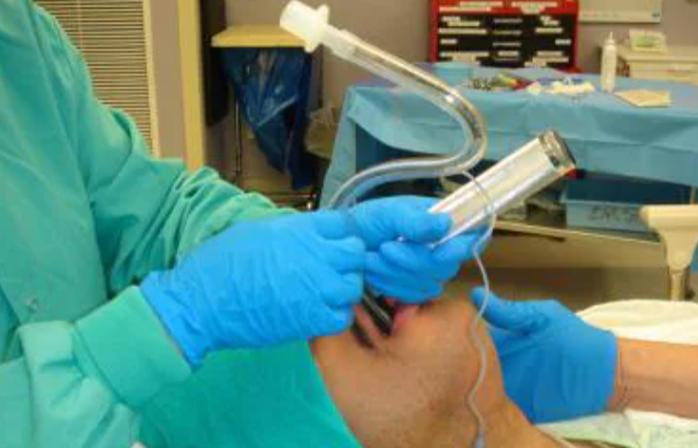
While a runny nose is usually harmless, it is important to recognize signs that may indicate a problem requiring medical attention.
Sinusitis is a potential complication, though not common from laryngoscope use alone. It is more frequently associated with prolonged nasotracheal intubation (tube through the nose) or the presence of an NG tube. Warning signs include:
- Thick, colored (yellow or green) nasal discharge lasting more than 7-10 days.
- Facial pain or pressure, especially when bending forward.
- Fever.
- Decreased sense of smell.
- Symptoms that improve and then worsen again.
This is an extremely rare complication, theoretically possible if there was unrecognized trauma to the cribriform plate (a bone at the roof of the nasal cavity) during a very difficult intubation or related procedure. This is not a typical consequence of routine laryngoscopy. Its distinguishing features are:
- Constant, unilateral (one-sided) clear, watery drainage.
- Drainage that worsens when sitting up or leaning forward and improves when lying down.
- A salty or metallic taste.
- Associated headache.
A CSF leak is a medical emergency. Any suspicion warrants immediate notification of a healthcare provider.
Though uncommon, a reaction to medications (anesthetics, antibiotics, latex) administered during the procedure can present with rhinorrhea. It would typically be accompanied by other signs like hives, itching, or wheezing, and would have a very acute onset in the recovery room.
For the typical, self-limiting runny nose, management is conservative and focused on comfort:
- Hydration: Drinking plenty of fluids helps thin secretions, making them easier to clear and soothing the irritated mucosa.
- Humidification: Using a cool-mist humidifier at the bedside or taking a steamy shower can moisten the nasal passages and reduce irritation.
- Saline Nasal Sprays: Over-the-counter saline sprays are safe and effective. They help rinse irritants, moisturize the nasal lining, and promote clearance of secretions without medication side effects.
- Gentle Nose Blowing: Blow the nose gently, one nostril at a time, to avoid forcing secretions into the sinuses or Eustachian tubes.
- Antihistamines (e.g., diphenhydramine, loratadine): May help if the cause is believed to be a pronounced vagal/reflex response resembling non-allergic rhinitis. However, they can cause drowsiness (especially first-generation types) and thicken secretions.
- Decongestants (e.g., pseudoephedrine, oxymetazoline nasal spray): Can provide relief by constricting blood vessels in the nasal mucosa. Oral decongestants should be avoided by patients with hypertension, heart conditions, or on certain medications. Nasal spray decongestants should not be used for more than 3 days to avoid rebound congestion.
Patients should always consult their surgeon or primary care provider before taking any new medication post-operatively.
Patients should be advised to seek medical advice if they experience:
- Symptoms lasting longer than one week without improvement.
- Development of fever, facial pain, or colored discharge.
- Symptoms of a CSF leak (as described above).
- Any difficulty breathing, wheezing, or chest tightness.
- Uncertainty about the cause or severity of their symptoms.
Effective patient communication is key to reducing anxiety. Clinicians should:
- Provide Pre-Operative Counseling: Inform patients that minor throat and nasal discomfort, including temporary nasal discharge, can occur after anesthesia and intubation.
- Differentiate Causes: Clarify that while the laryngoscope is used in the mouth, nasal symptoms can occur due to related reflexes or other common tubes (NG tube, oxygen).
- Give a Clear Timeline: Reassure patients that such symptoms are usually short-lived, resolving within a few days.
- Give Clear Discharge Instructions: Include guidance on hydration, saline sprays, and warning signs that warrant a call to the doctor.
It is important to distinguish the standard use of a laryngoscope for orotracheal intubation from nasotracheal intubation, where the tube is passed through the nose and then guided by the laryngoscope through the vocal cords. Nasotracheal intubation is a more direct nasal trauma and will almost universally cause nasal congestion, discomfort, and discharge for a longer period—often up to 5-7 days, and sometimes with minor blood-tinged secretions initially. The management principles are similar but the duration and intensity of symptoms are greater.
A runny nose following a procedure involving a laryngoscope is a common, typically benign, and self-limiting post-operative symptom. It is primarily a reflexive response to oropharyngeal irritation rather than a direct result of nasal instrumentation. For most patients, this minor rhinorrhea peaks within the first 24 hours and resolves completely within two to three days with simple supportive measures like hydration, saline sprays, and humidification. Distinguishing this normal recovery from signs of complications like sinusitis or, in exceedingly rare cases, a CSF leak, is important for patient safety and peace of mind. Clear communication from healthcare providers about what to expect can significantly alleviate patient anxiety. By understanding the physiological basis and typical timeline of this symptom, both patients and clinicians can navigate the post-operative period with greater confidence, ensuring that the focus remains on recovery from the primary reason the laryngoscope was needed in the first place.
Contact us to get more information!

Yes, it is a fairly common and generally normal side effect. The laryngoscope and the breathing tube irritate the back of the throat, which can trigger a reflex that increases secretions from both salivary and nasal glands. Additionally, factors like dry air from anesthesia, the presence of other tubes (like a nasogastric tube), and the body's response to the stress of surgery contribute to this symptom. It is usually temporary and not a cause for concern.
For the vast majority of patients undergoing standard orotracheal intubation (tube through the mouth), any nasal discharge should significantly improve within 24 to 48 hours and be completely resolved within 72 hours (3 days). If you had a tube placed through your nose (nasotracheal intubation), symptoms may last 5 to 7 days. If clear, watery discharge persists beyond a week or changes to thick yellow/green, you should contact your healthcare provider.
Several simple, effective measures can help:
- Drink plenty of water to stay hydrated and thin mucus.
- Use an over-the-counter saline nasal spray several times a day to moisturize and rinse your nasal passages.
- Use a cool-mist humidifier in your room, especially at night.
- Take a warm, steamy shower to loosen secretions.
- Blow your nose gently, one nostril at a time.
Avoid over-the-counter decongestant or antihistamine medications unless you have discussed them with your doctor, as they may interact with other post-operative medications or have side effects.
You should contact your surgeon or primary care physician if you experience any of the following:
- Symptoms that last longer than 7 days without any improvement.
- Development of fever, facial pain or pressure, or a headache.
- Nasal discharge that becomes thick, yellow, or green.
- One-sided, constant, clear watery drainage that worsens when you sit up (a potential, though very rare, sign of a CSF leak).
- Any difficulty breathing, wheezing, or chest pain.
Absolutely. It is very important to consider other common post-operative causes:
- Nasogastric (NG) Tube: If you had a tube in your nose to drain your stomach, this is a very common and likely primary cause of nasal irritation and discharge.
- Oxygen Therapy: Delivery of dry oxygen via nasal prongs after surgery can irritate the nasal lining.
- The General Anesthetic: Anesthesia drugs affect mucus production and can lead to a rebound effect.
- Pre-existing Conditions: A pre-existing allergy or chronic sinusitis may be flared up by the stress of surgery and anesthesia.
Often, the runny nose is a result of a combination of these factors, with the laryngoscope being one contributor among several.
[1] https://www.ncbi.nlm.nih.gov/books/NBK493224/
[2] https://www.asahq.org/madeforthismoment/preparing-for-surgery/risks/nausea-and-vomiting/
[3] https://www.thoracic.org/patients/patient-resources/resources/post-operative-pulmonary-complications.pdf
[4] https://www.enthealth.org/conditions/non-allergic-rhinitis/
[5] https://www.cdc.gov/antibiotic-use/sinus-infection.html


