
Views: 222 Author: Lake Publish Time: 2026-01-30 Origin: Site


Content Menu
● The Importance of Proper Laryngoscope Handle Cleaning
>> Infection Control and Patient Safety
>> Device Functionality and Longevity
>> Regulatory and Accreditation Compliance
● Understanding Contamination and Design Complexity
>> Sources and Types of Contamination
>> Handle Design and Cleaning Challenges
● Step-by-Step Cleaning Protocol for Laryngoscope Handles
>> Pre-Cleaning at Point of Use
>> Manual Cleaning: The Most Critical Step
>> Final Drying, Reassembly, and Functional Check
● Special Considerations for Video Laryngoscope Handles
● Common Pitfalls and How to Avoid Them
● Quality Assurance and Process Validation
● Frequently Asked Questions (FAQ)
>> 1. Can I immerse a video laryngoscope handle in disinfectant solution?
>> 2. How often should the batteries in a laryngoscope handle be changed?
>> 3. What is the single most common mistake in cleaning a laryngoscope handle?
>> 4. Are disinfectant wipes from the wall dispenser suitable for cleaning a laryngoscope handle?
>> 5. How can I effectively clean the textured grip areas of a laryngoscope handle?
The laryngoscope is an indispensable tool in airway management, and its proper maintenance is a critical component of infection prevention and device longevity. While considerable attention is given to cleaning and sterilizing the blade—the part that enters the patient's airway—the laryngoscope handle presents its own unique and essential cleaning challenges. Often touched by gloved hands during high-stress intubations, the laryngoscope handle can become contaminated with pathogens, blood, and organic debris. Properly cleaning a laryngoscope handle is not a mere ancillary task; it is a fundamental practice that protects patients from cross-contamination, healthcare workers from exposure, and ensures the reliable electrical and mechanical function of the device. This comprehensive guide details the evidence-based protocols, best practices, and practical considerations for effectively and safely cleaning the laryngoscope handle, covering both traditional direct laryngoscope handles and their more complex video laryngoscope counterparts.

The laryngoscope handle is classified as a semi-critical item—it comes into contact with mucous membranes or non-intact skin (via contaminated gloves) but does not enter sterile body cavities. According to standard infection control principles, semi-critical items require at least high-level disinfection. Failure to adequately clean and disinfect the laryngoscope handle can turn it into a vector for transmitting multidrug-resistant organisms (MDROs) like MRSA, VRE, and Gram-negative bacteria between patients. Studies have demonstrated that inadequately processed laryngoscope handles can harbor pathogenic bacteria, posing a tangible risk for hospital-acquired infections. A rigorous cleaning protocol for the laryngoscope handle is therefore a direct contributor to patient safety and quality care.
Beyond infection control, proper cleaning preserves the laryngoscope handle's functionality. Accumulation of blood, dirt, and chemical residues can interfere with electrical contacts, corrode battery compartments, cause switch failures, and degrade the housing material. For video laryngoscope handles, improper cleaning agents can damage sensitive electronic ports, screens, and seals. A consistent and correct cleaning regimen ensures the laryngoscope handle remains operational, reliable, and ready for immediate use, avoiding costly repairs or premature replacement and preventing device failure during critical procedures.
Healthcare facilities are subject to strict regulations from bodies like the FDA, CDC, OSHA, and accreditation organizations such as The Joint Commission. These entities have clear guidelines for the reprocessing of medical devices, including the laryngoscope. Documented, standardized protocols for cleaning the laryngoscope handle are essential for passing inspections, mitigating legal liability, and demonstrating a commitment to a culture of safety. Non-compliance can result in citations, fines, and reputational damage.
The laryngoscope handle is exposed to multiple contamination sources during routine use:
- Direct Contact: Gloved hands, which may be contaminated with patient blood, saliva, or respiratory secretions, routinely handle the laryngoscope handle.
- Splash and Splatter: During difficult or emergent intubations, bodily fluids can splash onto the handle.
- Environmental Contamination: The handle can contact unclean surfaces on crash carts, procedure trays, or countertops.
- User Flora: The natural microbial flora from the healthcare provider's hands can transfer to the handle.
This contamination consists of organic material (proteins, lipids), microorganisms, and inorganic salts, all of which must be removed for effective disinfection.
The design of a laryngoscope handle, especially modern ones, often complicates cleaning:
- Seams and Crevices: The junction between the housing halves, battery compartment covers, and switch buttons can trap debris.
- Textured Grips: Non-slip, textured surfaces improve grip but can harbor microorganisms in their micro-crevices.
- Electrical Components: The battery contacts inside the compartment are prone to corrosion from moisture and chemical residues.
- Video Laryngoscope Complexity: Video laryngoscope handles integrate screens, control buttons, data ports, and potentially fragile seals. They are not submersible and require meticulous wipe-down techniques with compatible agents.
These design features necessitate a cleaning process that is both thorough and mindful of the device's construction.
The cleaning process begins immediately after use:
1. Immediate Wipe-Down: At the bedside or procedure area, the used laryngoscope handle should be wiped with a disinfectant wipe approved for medical equipment. This preliminary step reduces the bioburden and protects personnel during transport to the dedicated cleaning area. Particular attention should be paid to visible soil.
2. Safe Transport: Place the laryngoscope handle in a designated, labeled, leak-proof container for transport to the reprocessing area. It should not be placed loosely in a pocket or on a clean surface.
Thorough mechanical cleaning is non-negotiable, as disinfectants cannot penetrate dried organic matter. For both direct and video laryngoscope handles (following manufacturer's instructions for the latter):
1. Personal Protective Equipment (PPE): The technician should don gloves, a gown, and eye protection.
2. Disassembly:
- Remove the laryngoscope blade.
- Open the battery compartment and remove all batteries. This is crucial to prevent corrosion and allow cleaning of the contacts.
- For modular video laryngoscope handles, disconnect any attached screens or cables if designed for disassembly.
3. Washing:
- Use a neutral pH, enzymatic detergent solution in a dedicated sink or basin. Harsh, high-alkaline detergents can damage plastics and metals.
- Using a soft-bristled brush (often a dedicated nail brush), scrub all external surfaces of the laryngoscope handle, paying special attention to textured grips, around switches, and seams.
- Use a smaller brush or cotton swab to clean the battery compartment and contacts gently. Avoid abrading the metal contacts.
4. Rinsing:
- Rinse the laryngoscope handle thoroughly under running clean, preferably deionized, water to remove all detergent residues. Residual detergent can inactivate disinfectants and damage components over time.
5. Drying:
- Shake off excess water.
- Use a lint-free cloth to dry the exterior meticulously.
- Use compressed air or dry swabs to ensure the battery compartment and any ports are completely dry. Absolute dryness is essential before reassembly or disinfection.
After cleaning and drying, the laryngoscope handle must be disinfected. The method depends on the device type and manufacturer's instructions.
For Standard Direct Laryngoscope Handles (Immersion-Compatible):
- Immerse the handle completely in an EPA-registered, hospital-grade disinfectant solution (e.g., a glutaraldehyde-based or accelerated hydrogen peroxide solution) in a well-ventilated area.
- Ensure the solution contacts all surfaces. The handle may need to be submerged in two orientations to displace air pockets.
- Adhere strictly to the manufacturer's recommended contact time for disinfection (e.g., 10-20 minutes), not just the wet time.
- Remove the handle with clean tongs, rinse thoroughly with sterile water (if required by disinfectant label), and dry completely as before.
For Video Laryngoscope Handles and Non-Immersion Handles:
- Most video laryngoscope handles are NOT immersion-compatible. Disinfection must be performed by wiping.
- Use a disinfectant wipe or cloth saturated with an EPA-registered disinfectant that is compatible with electronic equipment and approved by the laryngoscope manufacturer (e.g., alcohol-based, quaternary ammonium compound, or hydrogen peroxide wipes).
- Wipe all exterior surfaces thoroughly, ensuring the disinfectant remains wet for the required contact time. Do not allow liquid to pool around seals or ports.
- Wipe dry with a clean, lint-free cloth.
1. Final Air-Drying: Allow the handle to air-dry fully in a clean, low-dust area before reassembly.
2. Reassembly:
- Insert fresh batteries (checking for charge/corrosion). Using fresh batteries for each procedure is a best practice for reliability.
- Close the battery compartment securely.
- For video laryngoscopes, reconnect any detached components.
3. Functional Testing:
- Activate the switch to ensure the light turns on brightly (for direct laryngoscopes).
- For video laryngoscope handles, power on the device, check screen functionality, and verify the camera and light source are operational.
- Perform a "buddy check" by attaching a clean or sterilized blade to ensure a secure connection.
4. Storage: Store the clean, dry, tested laryngoscope handle in a designated clean storage area, protected from dust and physical damage. It should be stored separately from contaminated equipment.
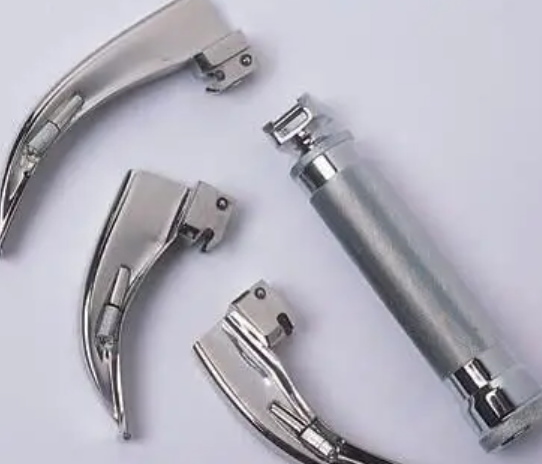
Video laryngoscope handles demand extra care due to their integrated electronics.
- Manufacturer's Instructions for Use (IFU): This is the paramount authority. Always consult the specific IFU for cleaning and disinfection agents, methods, and warnings. Deviating can void warranties and damage the device.
- Screen Protection: Use only soft, non-abrasive cloths on displays. Avoid abrasive wipes or paper towels that can scratch the screen.
- Port Protection: Ensure no moisture enters data, charging, or video output ports during wipe-down. Use port covers if provided.
- Battery Management: Follow manufacturer guidelines for battery charging and removal during reprocessing. Some video laryngoscope handles have sealed, rechargeable batteries that should not be removed.
1. Incomplete Drying Before Battery Insertion: This is a leading cause of corrosion and electrical failure. Always ensure the battery compartment is bone-dry.
2. Using Incompatible Chemicals: Never use bleach, acetone, or other harsh solvents on a laryngoscope handle, especially a video laryngoscope handle. They can crack plastics, degrade seals, and damage electronic components.
3. Skipping the Manual Cleaning Step: Applying a disinfectant wipe to a visibly soiled handle is ineffective. Organic soil must be physically removed first.
4. Ignoring the Battery Compartment: This hidden area is a prime site for contamination and corrosion. It must be opened, cleaned, and dried every time.
5. Lack of Training and Competency: All staff responsible for cleaning laryngoscope handles must receive initial and ongoing competency-based training, with direct observation of technique.
A robust system ensures cleaning protocols are effective:
- Regular Audits: Infection Prevention staff should periodically audit the cleaning process and storage areas.
- Visual Inspections: Each handle should be visually inspected for cleanliness, damage, and function after reprocessing.
- Documentation: A log tracking the usage and reprocessing of each laryngoscope handle can aid in traceability during infection investigations.
- Culturing: While not routine, periodic microbiological culturing of randomly selected, reprocessed handles can validate the effectiveness of the protocol.
Cleaning a laryngoscope handle is a deliberate, multi-step process that is as vital to patient outcomes as the intubation procedure itself. It requires an understanding of contamination risks, device design, and the principles of mechanical cleaning followed by chemical disinfection. From the simple direct laryngoscope handle to the sophisticated video laryngoscope unit, each device demands a protocol that balances rigorous infection control with care for delicate components. By adhering to manufacturer instructions, employing evidence-based practices, and fostering a culture of accountability and continuous training, healthcare facilities can ensure that every laryngoscope handle is not only clean and safe for the next patient but also fully functional and reliable when seconds count. In the high-stakes domain of airway management, the integrity of the process behind the scenes—the meticulous cleaning of the laryngoscope handle—is a fundamental pillar of clinical excellence and safety.
Contact us to get more information!
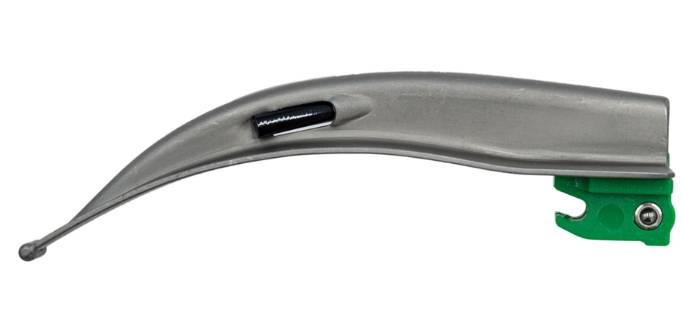
Absolutely not, unless the manufacturer's Instructions for Use (IFU) explicitly state that the handle is immersion-compatible. The vast majority of video laryngoscope handles contain sensitive electronics, screens, and seals that are not waterproof. Immersing them will almost certainly cause permanent damage, electrical failure, and void the warranty. Disinfection for non-immersible video laryngoscope handles must be performed using approved disinfectant wipes on external surfaces only, while taking care to keep liquid away from ports and seams.
Batteries should be checked and replaced as part of every reprocessing cycle. For direct laryngoscope handles using disposable batteries, inserting fresh batteries after cleaning ensures maximum brightness and reliability for the next procedure. For video laryngoscope handles with rechargeable batteries, the device should be placed on its charger after cleaning and drying to ensure it is fully powered for the next use. A functional check (turning on the light/screen) is a mandatory final step before storage.
The most common and critical mistake is failing to open and clean the battery compartment. The compartment is a hidden reservoir for contamination and moisture. If batteries are left in or the compartment is not cleaned and dried thoroughly, it leads to corrosion of the electrical contacts, which can cause the laryngoscope to fail intermittently or completely. This step cannot be omitted.
They can be used for the initial point-of-use wipe-down to remove gross soil and reduce bioburden. However, for the formal reprocessing in the decontamination area, you must use a two-step process: 1) manual cleaning with detergent and water, and 2) disinfection. The disinfectant used in the final step must be an EPA-registered hospital-grade product that is compatible with the handle's materials. For video laryngoscope handles, you must use a disinfectant specified as safe for electronics in the device's IFU.
Textured grips require focused mechanical action. During the manual cleaning step, use a soft-bristled brush (like a designated nail brush) dipped in enzymatic detergent. Scrub the textured area vigorously, brushing in multiple directions to work the bristles into the micro-crevices. Follow this with thorough rinsing and drying. The brush is essential for dislodging debris that wipes alone cannot remove from these high-touch, complex surfaces.
[1] https://www.cdc.gov/infection-control/hcp/cleaning-disinfection/index.html
[2] https://www.fda.gov/medical-devices/reprocessing-reusable-medical-devices/information-assisting-determination-whether-reusable-medical-device-reprocessed-single-use-device
[3] https://www.apic.org/resources/topic-specific-infection-prevention/cleaning-disinfection-and-sterilization/
[4] https://www.apsf.org/article/preventing-infection-transmission-during-airway-management/


