
Views: 222 Author: Lake Publish Time: 2026-01-23 Origin: Site


Content Menu
● Introduction: Defining the Walk-In Clinic Scope of Practice
● The Short Answer: It Varies, But It's Not Standard
● Clinical Scenarios: When Would a Laryngoscope Be Needed?
● Factors Influencing Laryngoscope Availability
>> 1. Clinic Acuity Level and Staffing
>> 2. Specialized Clinic Focus
● The Evolving Landscape: Point-of-Care Visualization
● The Standard of Care: Recognition and Referral
● Practical and Liability Considerations
● Frequently Asked Questions (FAQ)
>> 2. Would an ENT-specific walk-in clinic have a different type of laryngoscope?
>> 4. Can a nurse practitioner or physician assistant in a clinic use a laryngoscope?
>> 5. Are there any visual exams for the throat that a walk-in clinic CAN do?
In the diverse ecosystem of outpatient healthcare, walk-in clinics serve as a vital first point of contact for a wide array of non-emergent medical concerns. A common question regarding the capabilities of these accessible care centers is whether they are equipped with specialized diagnostic tools like the laryngoscope. This article provides a comprehensive analysis of whether walk-in clinics typically possess laryngoscopes, exploring the clinical rationale, variations in clinic types, the evolving role of point-of-care visualization, and the practical considerations that inform such equipment decisions.

Walk-in clinics, also known as urgent care centers or immediate care facilities, are designed to provide prompt medical attention for acute, non-life-threatening conditions without the need for an appointment. Their typical scope includes treating minor injuries (sprains, lacerations), infections (sinusitis, UTIs, strep throat), and performing basic diagnostic services (X-rays, rapid tests). They operate under a fundamental principle: stabilize, treat, or refer. This principle is crucial in understanding their equipment inventory. Their mandate is not to manage complex, unstable emergencies but to address conditions that can be safely diagnosed and managed in an outpatient setting or to identify patients who require a higher level of care and facilitate their transfer.
The direct answer to whether all walk-in clinics have laryngoscopes is no, it is not a standard piece of equipment for the vast majority of typical walk-in or urgent care clinics. The possession of a laryngoscope depends heavily on the clinic's specific model, the acuity level it is licensed to handle, the expertise of its staff, and its procedural focus.
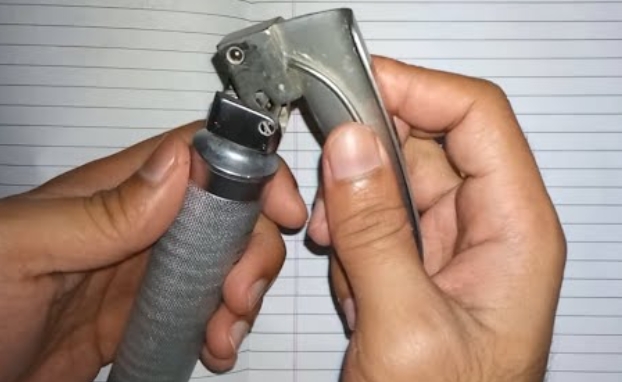
To understand why it's not standard, one must consider the procedures a laryngoscope is used for:
1. Endotracheal Intubation: Securing an airway in a patient who is not breathing or cannot protect their airway. This is a critical, lifesaving emergency procedure.
2. Diagnostic Visualization of the Larynx: For persistent hoarseness, stridor, or suspicion of laryngeal masses. This is a specialized diagnostic procedure typically performed by ENT specialists or after referral.
Both scenarios generally fall outside the standard operating protocol of a basic walk-in clinic.
- Standard Urgent Care/Walk-In Clinic: Staffed primarily by family physicians, physician assistants, and nurse practitioners. They are equipped and trained for minor emergencies but not for advanced airway management. A patient presenting with severe respiratory distress or impending airway obstruction would be rapidly stabilized with basic maneuvers (oxygen, positioning) and transferred via emergency medical services (EMS) to an emergency department (ED). These clinics do not have anesthesiologists or respiratory therapists on site and thus do not stock laryngoscopes for intubation.
- Advanced Urgent Care / "Hybrid" Emergency Clinics: Some facilities, often branded as "freestanding emergency centers" or advanced urgent care, may operate at a higher acuity level. They might have physicians with emergency medicine training, radiographic capabilities beyond X-ray (e.g., CT), and may stock a limited range of advanced airway equipment, potentially including a laryngoscope. However, this is the exception, not the rule.
- ENT or Otolaryngology Walk-In Clinic: A clinic specifically focused on ear, nose, and throat conditions would absolutely have laryngoscopes, specifically flexible fiberoptic or video laryngoscopes. These are essential diagnostic tools for their scope of practice. They would use them for nasolaryngoscopy to evaluate hoarseness, throat pain, or masses.
- Occupational Health Clinic: Might have equipment for dealing with workplace exposures or injuries but is unlikely to perform intubations.

While traditional direct laryngoscopes for intubation may be absent, there is a growing trend towards advanced point-of-care visualization in modern clinics:
- Video Otoscopes and Nasopharyngoscopes: Some advanced clinics are incorporating compact, digital video laryngoscope-like devices for enhanced ear and nasal exams. These handheld tools connect to a tablet and can visualize the tympanic membrane or the distal nasal cavity, but they are not designed for laryngeal visualization or intubation.
- Telemedicine Integration: A clinic might partner with a remote ENT specialist who can guide a limited examination or review images, but this still requires the physical tool on-site if laryngeal visualization is needed.
For a walk-in clinic, the standard of care regarding potential airway or complex laryngeal issues is:
1. Clinical Recognition: Identifying "red flag" symptoms such as stridor, drooling, tripod positioning, severe dysphagia, or rapidly progressive hoarseness.
2. Immediate Stabilization: Administering oxygen, establishing intravenous access if possible, and keeping the patient calm and seated if respiratory distress is present.
3. Activation of Emergency Services: Calling 911/EMS for immediate transport to a hospital emergency department. EMS personnel carry laryngoscopes and are trained in pre-hospital airway management.
4. Definitive Referral: For non-emergent but persistent symptoms (e.g., hoarseness lasting >2 weeks), the appropriate action is referral to an otolaryngologist (ENT) who has the proper laryngoscope and expertise for a definitive diagnostic examination.
Stocking a laryngoscope carries significant implications:
- Training and Competency: Maintaining skills in intubation requires regular practice and use. Staff at a general walk-in clinic may not perform this procedure often enough to maintain competency, which increases patient risk.
- Liability: Attempting a high-risk procedure like intubation outside a clinic's designated scope and without immediate backup (e.g., inability to perform a surgical airway) creates enormous medical-legal liability.
- Cost and Maintenance: A laryngoscope requires capital investment, maintenance, and for reusable types, reprocessing equipment and protocols. For a procedure rarely or never performed, this is not a cost-effective use of resources.
In summary, while a laryngoscope is an indispensable tool in hospital emergency departments, operating rooms, and ENT specialty practices, it is not a standard piece of equipment in the typical walk-in or urgent care clinic. These clinics are expertly designed for a different mission: the efficient diagnosis and treatment of minor acute illnesses and injuries, coupled with the critical ability to recognize and expedite the transfer of patients requiring more advanced care. Their strength lies in triage, stabilization, and referral, not in managing critical airways. However, the landscape is nuanced; specialized ENT clinics will have laryngoscopes, and some high-acuity hybrid models might. For the general public, understanding this distinction is important: a walk-in clinic is the right place for a sore throat, but a suspected epiglottitis or a complex vocal cord issue requires the resources of an emergency department or a specialist equipped with the appropriate laryngoscope technology. As point-of-care visualization evolves, the tools may become more accessible, but the procedural scope and clinical governance will always define their appropriate use.
Contact us to get more information!
For anaphylaxis, the first-line and critical treatment in any clinic setting is intramuscular epinephrine. Walk-in clinics are absolutely equipped with and staff trained to administer epinephrine auto-injectors (EpiPens) or draw it from a vial. This treatment is often lifesaving and can reverse airway swelling. Following epinephrine, they would administer oxygen, steroids, and antihistamines, and immediately call EMS for transport to a hospital. Advanced airway management with a laryngoscope and intubation would occur en route by EMS or at the hospital ED if the swelling does not resolve rapidly with epinephrine.
Yes, absolutely. An ENT (Otolaryngology) clinic would use flexible laryngoscopes (nasopharyngoscopes) or video laryngoscopes designed for diagnostic visualization, not for intubation. These are thin, flexible scopes passed through the nose to view the larynx and vocal cords comfortably in a awake patient. This is completely different from the rigid laryngoscope blades used in an operating room to intubate. They are essential for diagnosing causes of hoarseness, throat pain, or swallowing issues.
Go directly to a Hospital Emergency Department (ER) or call 911. Symptoms like trouble breathing, stridor (high-pitched breathing sound), drooling (inability to swallow saliva), or severe difficulty swallowing are RED FLAGS for potential airway obstruction (e.g., from epiglottitis, deep neck infection, or severe swelling). These are true emergencies that require the immediate resources of an ER, including physicians skilled in advanced airway management, anesthesiologists, and immediate access to an operating room—resources a walk-in clinic does not possess.
The ability to use a laryngoscope is based on training, competency, and scope of practice, not solely on title. In a standard walk-in clinic, it is highly unlikely as it falls outside their standard procedural scope. In a specialized setting (e.g., an ENT clinic), a mid-level practitioner would be specifically trained by supervising physicians to use a flexible laryngoscope for diagnostic exams. For emergency intubation, this is almost exclusively performed by physicians with advanced training (emergency medicine, anesthesiology) or by certified paramedics in the pre-hospital setting.
Yes, walk-in clinics routinely perform basic oropharyngeal examinations. Using a tongue depressor and light, they can visualize:
- The tonsils and posterior pharynx (for signs of strep throat, tonsillitis).
- The palate and uvula.
They can assess for exudate, swelling, and redness. This exam is sufficient to diagnose common conditions like pharyngitis or tonsillitis. It does not allow visualization of the larynx or vocal cords, which requires a laryngoscope passed beyond the tongue base.


