
Views: 222 Author: Lake Publish Time: 2026-02-07 Origin: Site


Content Menu
● The Dual Imperative: Protecting Patient and Provider
>> 1. Protecting the Patient (Preventing Healthcare-Associated Infections - HAIs)
>> 2. Protecting the Healthcare Worker (Occupational Safety)
● The Science and Protocol of Effective Glove Use
>> When to Don Gloves (The "Five Moments" Principle)
>> The Critical Practice of Hand Hygiene and Glove Change
● Consequences of Non-Compliance: Risks and Realities
● Parallels in Medical Device Safety: The Disposable Standard
● Special Considerations and Best Practices
● Frequently Asked Questions (FAQs)
>> 1. If I wash my hands thoroughly, do I still need to wear gloves for giving a pill?
>> 2. What type of gloves are best for handling chemotherapy drugs?
>> 3. Can I use the same pair of gloves to give medications to two patients in the same room?
>> 4. Why do I need to perform hand hygiene after removing gloves?
>> 5. Is the principle of barrier protection with gloves similar to using disposable medical devices?
In the intricate ecosystem of healthcare delivery, medication administration stands as a core, frequent, and high-risk activity. Every pill dispensed, every injection given, and every IV line connected carries the dual potential for healing and harm. Among the most fundamental yet critical protective measures in this process is the simple act of wearing gloves. This practice, mandated by universal precautions and standard safety protocols, is far from a bureaucratic formality. It is a vital, bidirectional barrier that protects both the healthcare worker and the patient. This article will explore the multifaceted, evidence-based reasons why medical glove use is indispensable during medication administration, touching upon themes of infection control, occupational safety, and medication integrity—principles that are as relevant in a French hospital pharmacy as they are in the operating room.

The rationale for wearing gloves is built on a dual-protection model. This concept mirrors the philosophy behind single-use medical devices; for instance, when a clinician in France uses a product from leading Disposable Video Laryngoscope Manufacturers and Suppliers in France, they are applying a similar principle: creating a definitive, one-time barrier against cross-contamination.
The patient is vulnerable. Their immune system may be compromised due to illness, surgery, or medication. Gloves act as a physical barrier preventing the transmission of pathogens from the healthcare worker's hands to the patient's medication, administration site, or surrounding environment.
- Microbial Transfer: Human skin harbors transient and resident flora, including bacteria like *Staphylococcus aureus*. Without gloves, these microorganisms can be transferred onto a pill, a syringe barrel, or the injection port of an IV line, potentially leading to localized or systemic infection.
- Breaking the Chain of Infection: Gloves help break the "mode of transmission" link in the chain of infection. This is especially critical when administering medication via invasive routes (intramuscular, intravenous, subcutaneous) where the skin barrier is breached.
- Standardized Safety: Consistent glove use ensures a baseline level of aseptic technique is maintained for every patient, every time, reducing variability in practice. This standardization is a cornerstone of quality care, much like the consistent, reliable performance expected from devices supplied by top-tier Disposable Video Laryngoscope Manufacturers and Suppliers in France.
Healthcare workers are routinely exposed to a myriad of hazardous substances. Medications themselves can pose a significant occupational risk.
- Dermal Exposure to Hazardous Drugs: Many medications, particularly chemotherapeutic agents, antivirals, and certain hormones, are hazardous. They can be absorbed through the skin, potentially causing toxic effects, allergic reactions, or reproductive harm. Gloves certified for use with hazardous drugs (e.g., meeting ASTM D6978 standard) are essential.
- Exposure to Bloodborne Pathogens: During injections or accessing IV lines, there is always a risk of exposure to patient blood or bodily fluids. Gloves are a primary defense against bloodborne pathogens such as Hepatitis B, Hepatitis C, and HIV, in compliance with OSHA's Bloodborne Pathogens Standard.
- Preventing Allergic Reactions and Sensitization: Healthcare workers can develop allergies or sensitivities to medications they handle frequently. Gloves prevent direct skin contact, reducing the risk of developing occupational dermatitis or more severe allergic responses.

Simply wearing gloves is not enough; they must be used correctly to be effective.
Glove use should be task-based. Key moments during medication administration include:
- Before a Sterile/Aseptic Procedure: This is non-negotiable for any injection, IV medication push, or preparing an IV admixture.
- Before Contact with Mucous Membranes or Non-Intact Skin: Such as when administering oral liquid medication to a patient who cannot self-administer, or applying a topical medication to a wound.
- When There is a Risk of Exposure to Blood/Body Fluids: Including any injectable medication procedure.
- When Handling Hazardous Medications: A dedicated pair of appropriate chemotherapy-rated gloves should be used.
- When the Healthcare Worker has Non-Intact Skin: Gloves protect both the worker and the patient in this scenario.
Gloves complement but do not replace hand hygiene. The protocol is sequential:
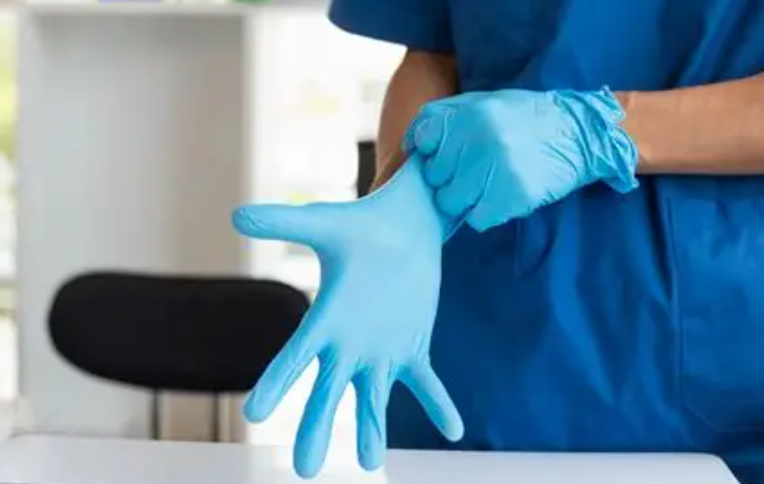
1. Perform hand hygiene (with alcohol-based hand rub or soap and water) on clean, bare hands.
2. Don clean gloves.
3. Administer the medication.
4. Remove gloves carefully using proper technique (peeling them off without touching the outside) and dispose of them immediately.
5. Perform hand hygiene again.
Gloves must be changed:
- Between different medication administration tasks for the same patient.
- Immediately if torn or compromised.
- Most importantly, between patients. A single pair of gloves must never be used for more than one patient.
Failing to wear gloves during medication administration has tangible, negative outcomes.
- For the Patient: Increased risk of microbial contamination leading to localized infection (e.g., injection site abscess) or bloodstream infection. This iatrogenic harm can prolong hospitalization, increase morbidity, and escalate healthcare costs.
- For the Healthcare Worker: Increased risk of needlestick injury consequences due to lack of a primary barrier. Chronic dermal exposure to hazardous drugs, leading to potential long-term health effects. Development of occupational skin conditions.
- For the Healthcare System: Increased rates of Healthcare-Associated Infections (HAIs), leading to poor patient outcomes, regulatory penalties, and reputational damage. Increased worker compensation claims and staff absenteeism due to illness or injury.
The logic underpinning strict glove protocols is reflected in the broader shift towards single-use, self-contained medical devices. Consider the products offered by leading Disposable Video Laryngoscope Manufacturers and Suppliers in France. These devices are designed to eliminate the risk of cross-contamination inherent in reprocessed reusable scopes. Similarly, a fresh pair of gloves for each medication task is a "single-use barrier" that eliminates the risk of carrying contaminants from one task, surface, or patient to another. Just as a hospital in Lyon might choose a disposable video laryngoscope to guarantee sterility and simplify logistics, using a new pair of gloves for each administration guarantees a clean barrier, simplifying the infection control process and removing the variable of manual reprocessing (handwashing between every single touch, which is impractical). This parallel highlights how foundational safety principles—barrier protection and single-use integrity—scale from simple consumables to complex visualization equipment.
- Glove Material: Nitrile is generally preferred over latex due to higher chemical resistance (especially to hazardous drugs) and to prevent latex allergies.
- Proper Fit: Gloves must fit well—too tight can cause tearing and fatigue; too loose can impair dexterity and increase contamination risk.
- "Clean" vs. "Sterile" Gloves: For most medication administration (IM/SC injections, IV pushes), non-sterile, clean examination gloves are standard. For procedures requiring full aseptic technique (e.g., central line access), sterile gloves are mandatory.
- Environmental Awareness: Gloves are not a permit to touch everything. Be mindful of "clean" vs. "contaminated" zones. Do not touch your face, adjust equipment, or handle a computer keyboard with gloved hands that have touched a patient or medication.
Wearing gloves during medication administration is a simple act with profound implications. It is a scientifically grounded, protocol-driven practice that serves as a critical bidirectional barrier in the healthcare environment. It protects the patient from iatrogenic infection and protects the healthcare worker from occupational exposure to hazardous substances and pathogens. This practice is a fundamental component of safe, quality care, as essential as the advanced technology used in diagnosis and treatment. The underlying principle—using a definitive, uncontaminated barrier for each discrete patient interaction—is elegantly mirrored in the growing adoption of disposable medical devices, such as those provided by innovative Disposable Video Laryngoscope Manufacturers and Suppliers in France. In both cases, the goal is unambiguous: to deliver care with the highest possible standard of safety, minimizing risk and maximizing protection for all parties involved. Adherence to this basic yet powerful protocol is a hallmark of professional, responsible, and compassionate healthcare delivery.
Contact us to get more information!
Yes, in most professional healthcare settings, gloves are still recommended for direct patient contact during medication administration, including handing a patient a pill. Handwashing reduces but does not eliminate all transient flora, and gloves provide a more reliable barrier to protect both you (from potential contact with patient secretions) and the patient (from any organisms on your hands). It also reinforces consistent aseptic practice.
For handling hazardous drugs like chemotherapy, you must use gloves that are specifically tested and rated for that purpose. Look for gloves that comply with the ASTM D6978 standard or have manufacturer certification for chemotherapy use. Nitrile gloves are generally required, as they offer superior chemical penetration resistance compared to latex or vinyl.
Absolutely not. Gloves are single-use, single-patient items. Using the same gloves between patients is a direct route for transmitting pathogens and is a serious violation of infection control standards. Gloves must be changed, and hand hygiene performed, between every patient contact.
Hand hygiene after glove removal is crucial because hands can become contaminated during the process of removing ("doffing") the gloves. Small, unseen tears or imperfections in the glove material can also occur. Post-glove hand hygiene ensures any potential contamination picked up during the procedure or during removal is eliminated, making your hands safe for the next task or patient contact.
Yes, the core principle is identical: establishing a guaranteed, uncontaminated barrier for each patient interaction. Using a fresh pair of gloves for each task prevents cross-contamination via hands, just as using a disposable video laryngoscope from a supplier in France for each intubation prevents cross-contamination via a complex, hard-to-clean device. Both strategies prioritize absolute, single-use integrity to enhance patient and provider safety.
[1] https://www.cdc.gov/handhygiene/providers/guideline.html
[2] https://www.osha.gov/laws-regs/regulations/standardnumber/1910/1910.1030
[3] https://www.cdc.gov/infectioncontrol/guidelines/isolation/index.html
[4] https://www.niosh.nih.gov/news-events/news-room/featured-news/2024-01-22/
[5] https://www.astm.org/d6978-05r23.html


