
Views: 222 Author: Lake Publish Time: 2026-02-04 Origin: Site


Content Menu
● Introduction: The Conduit for Diagnosis and Therapy
● Defining the Working Channel
● Anatomy and Integration Within the Bronchoscope
● Core Functions: What Does the Working Channel Enable?
>> Diagnostic Functions (Obtaining Samples)
>> Therapeutic Functions (Direct Intervention)
● Key Specifications and Their Clinical Impact
● The Bronchoscopy Workstation: Integrating the Channel's Function
● Considerations for Use and Maintenance
● The Future: Innovation in Working Channel Design
● Frequently Asked Questions (FAQs)
>> 1. What is the difference between a diagnostic and a therapeutic bronchoscope?
>> 2. Can you suction and use an instrument through the working channel at the same time?
>> 3. How does the working channel get cleaned after a procedure?
>> 4. What happens if the working channel is damaged?
>> 5. Are there bronchoscopes without a working channel?
In the intricate world of pulmonary medicine, the bronchoscope stands as the essential tool for visualizing and navigating the airways. While many are familiar with the basic concept of a bronchoscope as a camera for the lungs, one of its most critical and functionally rich components is the working channel. This integrated lumen transforms the bronchoscope from a purely diagnostic observation tool into a versatile therapeutic and sampling platform. This article delves into the anatomy, function, and paramount importance of the working channel within a modern bronchoscope, elucidating why it is the cornerstone of interventional pulmonology.

The working channel, also commonly referred to as the instrument channel or accessory channel, is a dedicated, hollow conduit that runs longitudinally through the length of the flexible bronchoscope, from a port on the control handle to the distal tip. It serves as a protected passageway through which a vast array of specialized tools can be introduced, manipulated, and retracted under direct visual guidance from the scope's imaging system. Think of the bronchoscope itself as a guided exploration vehicle; the working channel is its robotic arm, capable of deploying instruments to interact with the environment it surveys.
A modern flexible bronchoscope is a marvel of miniaturized engineering, integrating several key components into a slender, maneuverable insertion tube:
- Imaging Bundle: Comprising fiberoptic fibers or a distal CCD/CMOS video chip for illumination and visualization.
- Light Guide: Fiberoptic fibers that transmit light from an external source.
- Angulation Control Wires: Steel wires that allow the operator to deflect the distal tip.
- The Working Channel: A dedicated tube, typically made from a smooth, durable, and chemically resistant material like PTFE (Teflon). Its internal diameter is a key specification, usually ranging from 1.2mm to 3.2mm in standard scopes, with larger channels available in therapeutic models.
The working channel port on the handle is often equipped with a valve mechanism. This valve maintains airway sealing and prevents air loss during ventilation, while still allowing instruments to be inserted and removed. The channel's design prioritizes a smooth interior to minimize friction, allowing for the easy passage of delicate tools like biopsy forceps.
The existence of the working channel dramatically expands the bronchoscope's utility. It enables two broad categories of procedures: diagnostic sampling and therapeutic intervention.
The primary use of the working channel is to facilitate tissue and fluid acquisition for pathological and microbiological analysis.
- Biopsy: Flexible forceps are passed through the channel to take direct tissue samples (biopsies) from airway walls, lesions, or tumors.
- Bronchial Brushing: A small brush is advanced to scrape cells from a suspicious area for cytological examination.
- Bronchoalveolar Lavage (BAL): Sterile saline is instilled through the channel into a lung segment and then suctioned back, retrieving fluid containing cells and potential pathogens from the alveolar spaces.
- Transbronchial Needle Aspiration (TBNA): A hollow needle is passed through the channel to puncture the airway wall and sample lymph nodes or masses located adjacent to the airways (mediastinal staging).
- Cryobiopsy: A cryoprobe is introduced to freeze and extract larger tissue samples, often for interstitial lung disease diagnosis.
The working channel transforms the bronchoscope into a delivery and treatment system.
- Foreign Body Removal: Grasping forceps, baskets, or magnets are deployed to retrieve inhaled objects.
- Airway Clearance: Large-caliber suction catheters can be used to remove thick, obstructive secretions or blood.
- Hemostasis: Tools for cauterization (electrocautery probe), laser therapy, or argon plasma coagulation can be directed to control bleeding.
- Airway Stent Placement: Guidewires and balloon dilators are passed through the channel to open stenotic airways, followed by deployment of stents to maintain patency.
- Tumor Debulking: Microdebriders or laser fibers can be used to vaporize or resect obstructive tumors within the airway lumen.
- Drug Delivery: Catheters can deliver chemotherapeutic agents or other medications directly to a tumor site.

When selecting a bronchoscope, the working channel specifications are among the most important considerations, directly impacting procedural capability.
- Channel Diameter (Size): This is the most critical factor. A larger diameter (e.g., 2.8mm or 3.2mm) allows the use of larger, more effective suction catheters, bigger biopsy forceps, and a wider array of therapeutic tools. However, a larger channel typically necessitates a thicker insertion tube, which can be less maneuverable and may not fit into the smallest airways. Smaller channels (1.2mm-2.0mm) are found in slim or pediatric bronchoscope models.
- Channel Location: The position of the channel outlet at the distal tip can vary. A central or slightly offset location is standard and provides good instrument control.
- Suction Capability: The working channel is directly connected to the suction button on the handle. Its diameter limits the maximum suction flow rate. Efficient suction is crucial for clearing fluids and maintaining a clear visual field during procedures.
- Compatibility: The channel must be compatible with a vast ecosystem of single-use and reusable accessories from various manufacturers.
The bronchoscope does not operate in isolation. It is the central component of a comprehensive bronchoscopy workstation. This integrated system, which our company specializes in providing, includes the light source, video processor (like our medical image processors), suction pump, and often documentation systems. The workstation's suction pump is directly linked to the bronchoscope's working channel. A high-quality workstation ensures stable illumination for the image, powerful and controllable suction through the channel, and seamless recording of the entire procedure, which is vital for documentation, training, and telemedicine.
The working channel is also a primary vector for bronchoscope contamination and a focal point for meticulous cleaning.
- Reprocessing: After each use, the working channel must be meticulously cleaned and disinfected or sterilized according to strict protocols. Automated endoscope reprocessors (AERs) flush enzymatic cleaners and high-level disinfectants through the channel. Any residual bio-burden can lead to patient infections.
- Damage Prevention: Care must be taken when inserting instruments with sharp edges to avoid scratching or puncturing the channel liner. Such damage can harbor pathogens and is costly to repair.
- Clogging: Blood clots or thick secretions can clog the channel. Immediate bedside flushing is often required to maintain functionality.
Innovation continues to enhance the working channel's utility. Developments include:
- Improved Materials: More durable, scratch-resistant liners to extend bronchoscope lifespan.
- Multi-Lumen Designs: Some specialized scopes feature separate channels for suction and instrumentation to prevent clogging interference.
- Integration with Advanced Imaging: Combining the standard working channel with advanced modalities like Endobronchial Ultrasound (EBUS), where an ultrasound probe is integrated into or used alongside the bronchoscope, allowing for real-time guided needle biopsies through the channel.
The working channel is the defining feature that elevates the bronchoscope from a passive viewing tube to an active, interventional marvel in pulmonary medicine. It is the critical pathway through which diagnosis is secured and therapy is delivered directly to the lung's intricate anatomy. Understanding its specifications, functions, and care requirements is essential for clinicians, procurement teams, and manufacturers alike. At [Your Company Name], we recognize that the synergy between superior visualization—provided by the bronchoscope's optics—and reliable instrument delivery—enabled by a robust working channel—is what creates successful patient outcomes. As interventional pulmonology advances, the working channel will remain at the heart of the bronchoscope's evolution, continuing to serve as the indispensable conduit for minimally invasive lung care.
Contact us to get more information!
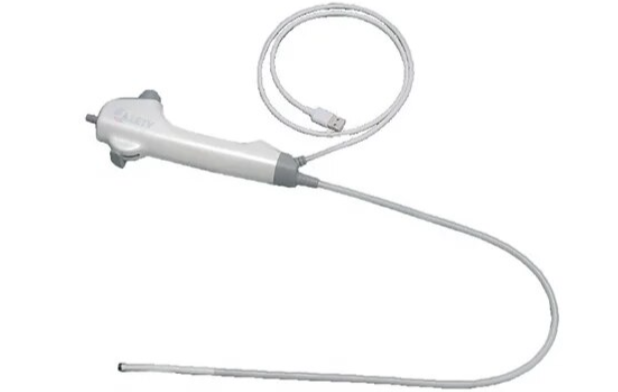
The primary difference often lies in the size of the working channel. A diagnostic bronchoscope typically has a smaller channel (e.g., 2.0mm) suited for biopsies, brushing, and BAL. A therapeutic bronchoscope has a larger channel (e.g., 2.8mm, 3.2mm, or larger) to accommodate bigger instruments for procedures like stent placement, tumor debulking, and strong suctioning of blood clots.
Generally, no. The working channel is a single lumen. When an instrument occupies the channel, suction is blocked. Some procedures require alternating between suctioning fluid and using a tool. Advanced systems may have separate dedicated suction channels to overcome this limitation.
Cleaning is a multi-step process. Immediate bedside flushing is done first. Then, during manual cleaning, a specialized brush is passed through the entire length of the channel. Finally, the bronchoscope is connected to an Automated Endoscope Reprocessor (AER), which flushes detergent and high-level disinfectant through the working channel and all other lumens to achieve proper sterilization or disinfection.
A punctured or torn working channel liner is a serious problem. It can trap infectious material, making proper disinfection impossible, and poses a direct infection risk to patients. It also compromises suction and instrument passage. A damaged working channel requires immediate removal from service and expensive professional repair.
Yes. Ultrathin or "non-channel" bronchoscope models exist. They are used primarily for diagnostic inspection of the very smallest, peripheral airways where a standard bronchoscope cannot reach. Their utility is limited to observation only, as they cannot obtain samples or provide therapy.


