
Views: 222 Author: Lake Publish Time: 2026-01-25 Origin: Site


Content Menu
● Historical Development of Medical Glove Manufacturing
>> Technological Evolution and Geographical Shifts
>> Impact of Global Health Crises
● Primary Production Regions for Medical Gloves
>> Southeast Asia: The Global Manufacturing Hub
>> China: Expanding Production Capacity
>> Other Significant Production Regions
● Manufacturing Processes for Medical Gloves
>> Natural Rubber Latex Gloves Production
>> Synthetic Gloves Manufacturing
>> Specialized Manufacturing Processes
● Quality Standards and Regulatory Considerations
>> International Standards for Medical Gloves
>> Geographic Variations in Quality Requirements
>> Certification and Auditing Processes
● Supply Chain Dynamics and Global Distribution
>> Logistics and Distribution Networks
>> Recent Supply Chain Challenges
● Future Trends in Medical Gloves Manufacturing Geography
>> Regionalization and Nearshoring Trends
>> Technological Advancements Impacting Location Decisions
>> Sustainability Considerations
● Frequently Asked Questions (FAQ)
>> 1. Which country produces the most medical gloves globally?
>> 2. Are there quality differences between medical gloves produced in different regions?
>> 3. How has the COVID-19 pandemic affected medical gloves manufacturing locations?
>> 4. What raw materials are needed for medical gloves production, and where do they come from?
>> 5. Are there environmental concerns associated with current medical gloves manufacturing geography?
The global production and supply chain of medical gloves represents a critical infrastructure component of modern healthcare systems worldwide. These essential personal protective equipment (PPE) items, which include examination gloves, surgical gloves, and specialized procedure gloves, are manufactured across multiple continents through complex industrial processes. Understanding where medical gloves are made involves examining geographical production hubs, manufacturing technologies, quality standards, and the evolving dynamics of global trade in medical supplies. This comprehensive analysis explores the primary production regions for medical gloves, the factors influencing manufacturing locations, and the implications of this geographical distribution for healthcare procurement and supply chain resilience.

The manufacturing of medical gloves has undergone significant geographical shifts since their introduction into medical practice. Initially, production was concentrated in Western countries where rubber processing technology was first developed. Early medical gloves were primarily made from natural rubber latex and manufactured in facilities located near rubber plantations or in industrialized nations with strong chemical industries. These production sites were characterized by relatively small-scale operations compared to today's massive manufacturing complexes.
The development of synthetic alternatives to latex, particularly nitrile and vinyl medical gloves, coincided with geographical shifts in production. As manufacturing processes became more standardized and labor-intensive, production gradually moved to regions with lower operating costs. This transition was facilitated by advancements in automation technology, chemical engineering, and global logistics networks that enabled efficient distribution of medical gloves worldwide.
Major global health events, particularly the HIV/AIDS epidemic in the 1980s and 1990s and the COVID-19 pandemic beginning in 2020, dramatically reshaped the medical gloves manufacturing landscape. These crises highlighted the strategic importance of medical gloves as essential medical commodities, accelerated technological innovation in production methods, and intensified both governmental and commercial interest in securing stable medical gloves supply chains.
Southeast Asia, particularly Malaysia and Thailand, dominates global medical gloves production, accounting for approximately 65-70% of worldwide supply. This region's prominence in medical gloves manufacturing results from several key factors:
- Natural resource availability: Proximity to rubber plantations providing natural latex, the primary raw material for many medical gloves
- Established industrial infrastructure: Decades of investment in chemical processing facilities and manufacturing plants specifically designed for medical gloves production
- Specialized expertise: Development of technical know-how and skilled workforce specialized in medical gloves manufacturing processes
- Economic factors: Competitive labor costs and government policies supporting export-oriented manufacturing
- Scale advantages: Massive production facilities achieving economies of scale that lower per-unit costs of medical gloves
Within Southeast Asia, Malaysia stands as the world's largest producer of medical gloves, with numerous factories operating at unprecedented scale. The country has developed particularly strong capabilities in nitrile medical gloves production, leveraging its chemical industry infrastructure. Thailand follows closely, with strengths in both natural rubber latex and synthetic medical gloves manufacturing.
China has significantly expanded its medical gloves manufacturing capacity in recent years, particularly following increased global demand during the COVID-19 pandemic. Chinese production of medical gloves benefits from:
- Vertical integration: Strong domestic supply chains for raw materials, machinery, and packaging components used in medical gloves manufacturing
- Manufacturing scalability: Rapid ability to establish new production lines and expand existing facilities for medical gloves
- Infrastructure advantages: World-class port facilities and logistics networks facilitating export of medical gloves
- Government support: Strategic initiatives identifying medical gloves as important medical commodities for both domestic needs and export markets
Chinese manufacturers have invested heavily in automated production lines for medical gloves, incorporating advanced technologies to improve quality consistency and production efficiency.

While Southeast Asia and China dominate global medical gloves production, other regions maintain important manufacturing capabilities:
- North America: Maintains production of specialized medical gloves, particularly those requiring advanced certifications or serving niche markets with stringent regulatory requirements
- Europe: Hosts manufacturing of high-end surgical medical gloves and specialized products for specific medical applications
- South Asia: Countries like India and Sri Lanka have growing medical gloves manufacturing sectors, often focusing on natural rubber latex products
- Latin America: Brazil and other countries produce medical gloves primarily for regional markets, leveraging local rubber resources
The manufacturing of natural rubber latex medical gloves involves several distinct stages typically concentrated in specialized facilities:
1. Compound preparation: Natural rubber latex is mixed with various chemicals including vulcanizing agents, accelerators, antioxidants, and pigments to create the compound used for medical gloves production.
2. Former cleaning and coating: Ceramic or aluminum formers (hand-shaped molds) undergo thorough cleaning before being dipped into coagulant solutions that facilitate latex adhesion in medical gloves manufacturing.
3. Latex dipping: Formers are immersed in the latex compound to create the basic glove form. The thickness of medical gloves is controlled by dipping duration and compound viscosity.
4. Leaching and drying: The coagulated latex film on the formers undergoes water leaching to remove soluble proteins and chemicals, then proceeds through drying ovens. This step is crucial for reducing allergenicity in latex medical gloves.
5. Vulcanization and curing: Medical gloves undergo heat treatment to cross-link the rubber polymers, creating the elastic properties essential for glove functionality.
6. Stripping and tumbling: The cured medical gloves are stripped from the formers, then tumbled to remove powder (if powdered) or treated with chlorination or polymer coatings (if powder-free).
7. Quality control and packaging: Every batch of medical gloves undergoes rigorous testing for physical properties and barrier integrity before packaging in controlled environments.
The production of nitrile and vinyl medical gloves follows somewhat different processes:
- Nitrile medical gloves are produced from synthetic rubber compounds through dipping processes similar to latex, but requiring different chemical formulations and curing parameters. The manufacturing of nitrile medical gloves avoids natural rubber proteins, making them suitable for latex-sensitive users.
- Vinyl medical gloves are typically made from polyvinyl chloride (PVC) pastes using dipping or molding processes. Vinyl medical gloves production often involves plasticizers to provide flexibility, with growing attention to alternative plasticizers addressing health and environmental concerns.
Certain medical gloves require specialized manufacturing approaches:
- Surgical medical gloves undergo more stringent production controls, cleaner manufacturing environments, and additional testing protocols compared to examination medical gloves
- Chemotherapy-rated medical gloves incorporate additional testing for permeation resistance to specific hazardous drugs
- Sterile medical gloves undergo ethylene oxide or radiation sterilization after packaging
- Textured medical gloves receive surface patterning during the manufacturing process to enhance grip
Manufacturing locations for medical gloves must adhere to international quality standards that vary by target market:
- ASTM International standards provide specifications for material properties, physical dimensions, and barrier performance of medical gloves
- ISO standards offer international benchmarks for medical gloves quality, particularly ISO 13485 for quality management systems in medical device manufacturing
- European Union regulations require CE marking for medical gloves sold in European markets, indicating compliance with Medical Device Regulation (MDR) requirements
- United States Food and Drug Administration regulates medical gloves as medical devices, requiring 510(k) clearance or premarket approval for marketing in the U.S.
Different manufacturing regions may face distinct regulatory expectations:
- Southeast Asian producers exporting to global markets must comply with diverse international standards for medical gloves, requiring sophisticated quality management systems
- Chinese manufacturers must meet both domestic medical device regulations and international standards for export-oriented medical gloves production
- Western producers often emphasize compliance with local regulations while maintaining competitiveness through specialization in high-value medical gloves
Reputable medical gloves manufacturers undergo regular audits and maintain certifications including:
- Quality management system certifications (ISO 13485, FDA compliance)
- Product certifications specific to medical gloves types and intended markets
- Social and environmental responsibility certifications addressing labor practices and sustainability in medical gloves production
- Factory audits conducted by regulatory bodies, customers, and independent agencies to verify medical gloves manufacturing compliance
The geographical location of medical gloves manufacturing is influenced by access to key raw materials:
- Natural rubber latex: Sourced primarily from rubber plantations in Southeast Asia, supporting regional medical gloves production
- Synthetic rubber compounds: Derived from petrochemical feedstocks, with availability influenced by regional chemical industry development
- Chemicals and additives: Sourced globally, with quality and consistency critical to medical gloves performance
- Packaging materials: Often sourced locally to medical gloves manufacturing facilities to optimize logistics
The global distribution of medical gloves involves complex logistics:
- Export-oriented manufacturing: Most medical gloves production occurs in regions distant from major consumption markets, requiring efficient international shipping
- Inventory management: Strategic stockpiling of medical gloves at regional distribution centers buffers supply chain disruptions
- Transportation modalities: Medical gloves are shipped via ocean freight (most common), air freight (for urgent needs), and land transportation (for regional distribution)
- Cold chain considerations: Some specialized medical gloves require temperature-controlled shipping to maintain product integrity
The medical gloves supply chain has faced significant disruptions in recent years:
- Pandemic-induced demand surges: The COVID-19 pandemic created unprecedented demand for medical gloves, straining production capacity and logistics
- Trade restrictions: Export controls, tariffs, and shipping container shortages impacted medical gloves availability
- Quality control issues: Rapid production expansion sometimes compromised medical gloves quality, leading to import alerts and regulatory actions
- Geopolitical factors: International tensions and trade policies have affected medical gloves manufacturing and distribution patterns
In response to supply chain vulnerabilities exposed during the COVID-19 pandemic, some medical gloves procurement is shifting toward:
- Regional production hubs: Establishing medical gloves manufacturing capacity closer to major consumption markets
- Strategic stockpiling: Governments and healthcare systems maintaining larger inventories of medical gloves to buffer supply disruptions
- Diversified sourcing: Procurement strategies intentionally distributing medical gloves purchases across multiple geographical regions
- Local production incentives: Government programs supporting domestic medical gloves manufacturing capabilities
Emerging technologies may influence future medical gloves manufacturing geography:
- Automation and robotics: Reducing labor cost advantages of certain regions for medical gloves production
- Advanced materials: New polymer formulations for medical gloves potentially changing raw material dependencies
- Sustainable manufacturing: Environmental considerations favoring medical gloves production locations with renewable energy and efficient resource use
- Digital supply chain technologies: Enhanced visibility and coordination potentially enabling more distributed medical gloves manufacturing networks
Environmental factors increasingly influence medical gloves manufacturing location decisions:
- Carbon footprint: Transportation distance from medical gloves manufacturing sites to end users contributes to product carbon footprint
- Water and energy efficiency: Regional variations in environmental regulations and resource availability affect medical gloves production sustainability
- Waste management: Local infrastructure for handling manufacturing byproducts influences medical gloves production environmental impact
- Circular economy initiatives: Developing closed-loop systems for medical gloves materials may favor specific manufacturing locations
The global manufacturing of medical gloves is concentrated primarily in Southeast Asia, with Malaysia and Thailand serving as production powerhouses, complemented by China's expanding capacity and specialized manufacturing in other regions. This geographical distribution results from historical developments, natural resource availability, economic factors, and accumulated technical expertise. The production of medical gloves involves sophisticated manufacturing processes that must meet stringent international quality standards while navigating complex global supply chains. Recent global health crises have highlighted both the strengths and vulnerabilities of current medical gloves manufacturing geography, prompting reconsideration of supply chain strategies and potentially encouraging greater regional diversification. As healthcare systems worldwide continue to depend on reliable access to high-quality medical gloves, understanding where these essential products are made—and the factors influencing their production locations—remains crucial for ensuring adequate supply, managing costs, and maintaining the highest standards of patient and healthcare worker protection. The future geography of medical gloves manufacturing will likely evolve in response to technological innovations, sustainability imperatives, and ongoing efforts to build more resilient medical supply chains.
Contact us to get more information!
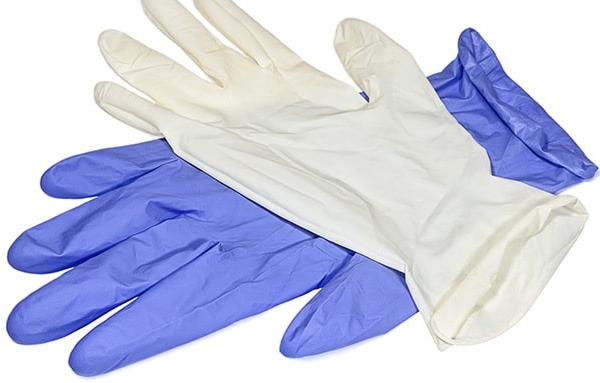
Malaysia is currently the world's largest producer of medical gloves, accounting for approximately 60-65% of global supply. The country has specialized in medical gloves manufacturing for decades, developing extensive expertise and massive production capacity, particularly for nitrile examination gloves. Thailand ranks as the second-largest producer, with significant capabilities in both natural rubber latex and synthetic medical gloves.
While quality primarily depends on individual manufacturers' processes and adherence to standards rather than geographic location alone, production regions have developed different specializations. Southeast Asian factories often excel in high-volume production of standardized medical gloves, while European and North American manufacturers frequently focus on specialized surgical medical gloves and products for niche applications. All reputable medical gloves manufacturers must meet the same international standards for their target markets.
The pandemic dramatically increased global demand for medical gloves, prompting expansion of existing manufacturing facilities and establishment of new production sites, particularly in China. It also highlighted supply chain vulnerabilities, encouraging some countries to develop domestic medical gloves production capabilities or near-shore manufacturing in geographically closer regions to reduce dependence on distant suppliers.
The primary raw materials for medical gloves include natural rubber latex (mainly from Southeast Asian rubber plantations), synthetic rubber compounds like nitrile (derived from petrochemical feedstocks), and various chemical additives. Natural rubber latex availability historically influenced medical gloves manufacturing location decisions, while synthetic materials can be sourced more globally. Most medical gloves production occurs in regions with reliable access to these key inputs.
Yes, several environmental considerations relate to medical gloves manufacturing locations. These include the carbon footprint associated with long-distance transportation from production hubs to global markets, water usage in manufacturing processes, energy sources for production facilities, and waste management practices. There is growing attention to developing more sustainable medical gloves manufacturing through improved efficiency, alternative materials, and circular economy approaches that may influence future production geography.
[1] https://www.fda.gov/medical-devices/personal-protective-equipment-infection-control/medical-gloves
[2] https://www.wto.org/english/res_e/statis_e/wts2021_e/wts2021_e.pdf
[3] https://www.rubberasia.com/medical-gloves-market-analysis/
[4] https://www.mida.gov.my/medical-glove-industry-in-malaysia/
[5] https://www.astm.org/Standards/D3577.htm
[6] https://www.iso.org/standard/59752.html


