
Views: 222 Author: Lake Publish Time: 2026-01-25 Origin: Site


Content Menu
● Understanding Medical Glove Sizing Standards
>> The Importance of Proper Fit
>> Material Considerations in Sizing
● How to Measure Your Hand for Medical Gloves
>> Step-by-Step Measurement Guide
>> Dominant vs. Non-Dominant Hand Considerations
● Medical Glove Size Charts and Conversion Tables
>> International Size Conversions
>> Manufacturer-Specific Variations
● Special Considerations for Different Healthcare Roles
>> Surgical and Procedural Gloves
>> Examination and General Clinical Use
● The Impact of Incorrect Medical Glove Sizing
>> Economic and Clinical Consequences
● Implementing a Successful Glove Sizing Program
>> Facility-Wide Sizing Initiatives
>> Training and Education Components
● Emerging Trends in Medical Glove Design and Sizing
>> Anthropometric Data Integration
>> Customizable and Adjustable Options
>> Sustainability Considerations in Sizing
● Frequently Asked Questions (FAQ)
>> 1. How often should I recheck my medical glove size?
>> 2. Can I use the same size in different medical glove materials?
>> 3. What should I do if my measurement falls between sizes on the chart?
>> 4. How do hand lotions or creams affect medical glove sizing?
>> 5. Are there different sizing standards for sterile versus non-sterile medical gloves?
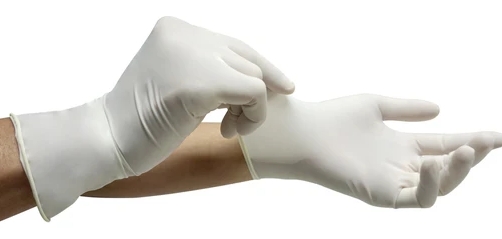
Selecting the proper size of medical gloves is a critical decision that impacts clinical effectiveness, user comfort, and safety in healthcare settings. Ill-fitting medical gloves can compromise dexterity, increase the risk of tears or punctures, and contribute to hand fatigue during prolonged procedures. For healthcare professionals, procurement specialists, and facility managers, understanding glove sizing is essential for maintaining optimal infection control protocols and ensuring staff can perform at their best. This comprehensive guide will walk you through the complete process of determining the correct medical glove size, exploring sizing standards, material considerations, and practical measurement techniques.

Wearing correctly sized medical gloves is not merely a matter of comfort—it is a fundamental component of personal protective equipment (PPE) effectiveness. Properly fitting medical gloves provide better tactile sensitivity for delicate procedures, reduce hand strain, and maintain integrity as a barrier against pathogens and hazardous materials. Conversely, gloves that are too tight can restrict circulation and cause rapid fatigue, while oversized gloves can impair dexterity and increase the likelihood of contamination through loose-fitting cuffs.
Medical glove sizing can vary somewhat between manufacturers and regions, though most adhere to general standards. In the United States, sizes typically range from extra-small (XS) to extra-large (XL), with some manufacturers offering double extra-large (XXL) options. European sizing often uses numbered measurements. Understanding these differences is crucial when sourcing medical gloves from international suppliers or for facilities with diverse staff populations.
Different medical glove materials may fit slightly differently even when labeled the same size. Latex medical gloves tend to have more stretch and may feel snugger, while nitrile medical gloves often provide a more consistent, form-fitting feel but with less elasticity. Vinyl medical gloves typically have the least stretch and may require more precise sizing. When evaluating medical glove options, consider conducting fit tests with samples of the actual materials your facility plans to use.
Accurate hand measurement is the foundation for selecting properly fitting medical gloves. Follow these steps for reliable results:
1. Gather Your Tools: You'll need a flexible measuring tape (tailor's tape) and possibly a ruler if using the printable sizing guides some manufacturers provide.
2. Measure Hand Circumference: With your dominant hand open and fingers together (but not tightly compressed), wrap the measuring tape around the widest part of your palm, excluding the thumb. This measurement typically falls across the knuckles at the base of the fingers.
3. Measure Hand Length: For some sizing systems, you may also need to measure from the base of your palm (where it meets the wrist) to the tip of your middle finger.
4. Record Measurements: Note both measurements in inches or centimeters, depending on the sizing system used by your medical glove supplier.
5. Consult Manufacturer Charts: Compare your measurements to the specific manufacturer's sizing chart, as sizing can vary between brands.
For tasks requiring exceptional precision, some specialists recommend considering different medical glove sizes for each hand, particularly if there's significant size variation. While this approach is not standard practice for most clinical settings, it highlights the importance of individualized fit assessment for optimal performance.
Hand size can change due to various factors including temperature fluctuations, time of day, pregnancy, medical conditions, or weight changes. Healthcare facilities should encourage staff to reassess their medical glove size annually or whenever they notice consistent discomfort or fit issues with their current size.

Most medical glove manufacturers in the U.S. market use the following general guidelines, though specific measurements may vary by brand:
- Extra Small (XS): Hand circumference approximately 6-6.5 inches
- Small (S): Hand circumference approximately 7-7.5 inches
- Medium (M): Hand circumference approximately 8-8.5 inches
- Large (L): Hand circumference approximately 9-9.5 inches
- Extra Large (XL): Hand circumference approximately 10-10.5 inches
- Double Extra Large (XXL): Hand circumference approximately 11+ inches
For facilities sourcing medical gloves globally, understanding size conversions is essential:
- U.S. Small typically corresponds to European 6.5-7
- U.S. Medium typically corresponds to European 7.5-8
- U.S. Large typically corresponds to European 8.5-9
- U.S. Extra Large typically corresponds to European 9.5+
Despite general standards, significant variations exist between different medical glove brands. Some manufacturers' "large" might fit like another's "medium." This inconsistency underscores the importance of obtaining samples before bulk purchasing medical gloves and conducting fit trials with actual users.
Surgical medical gloves typically require more precise sizing than examination gloves due to the need for exceptional tactile sensitivity during procedures. Surgeons often prefer a tighter fit without being restrictive. Many surgical medical gloves come in half-sizes or more granular sizing options to accommodate this need for precision.
For general patient care and examination, comfort during extended wear becomes more important. Healthcare workers who don and doff medical gloves frequently throughout the day may prioritize ease of removal and breathability alongside proper fit. In these settings, a slightly looser fit might be acceptable compared to surgical applications.
Certain medical specialties have unique medical glove requirements:
- Dentistry: Often requires textured fingertips for better instrument control
- Veterinary medicine: May need thicker medical gloves for animal handling
- Laboratory settings: Might require chemical-resistant medical gloves with different sizing characteristics
- Emergency response: Often utilizes medical gloves that balance protection with rapid donning capability
Gloves that are too small present multiple problems:
- Reduced circulation causing hand fatigue and discomfort
- Increased tearing risk as material is overstretched
- Compromised barrier protection due to thin spots in stretched areas
- Reduced dexterity from constrained movement
- Higher donning difficulty increasing risk of contamination during application
Conversely, medical gloves that are too large create their own challenges:
- Impaired tactile sensitivity affecting clinical performance
- Increased contamination risk as loose cuffs can catch on surfaces or fail to provide a secure seal
- Reduced grip strength impacting instrument handling
- Material bunching that can interfere with fine motor tasks
- Greater tendency to slip or roll down during procedures
Beyond immediate comfort and performance issues, improperly sized medical gloves can lead to:
- Increased consumption as staff change gloves more frequently
- Higher rates of contamination requiring repeat procedures
- Staff compliance issues with PPE protocols
- Potential for needlestick injuries or exposure incidents
- Workplace injuries related to repetitive strain
Healthcare facilities should establish formal medical glove sizing programs that include:
- Initial sizing assessments for all clinical staff
- Regular reassessment opportunities
- Multiple size availability in clinical areas
- Education on the importance of proper medical glove fit
- Feedback mechanisms for staff to report sizing issues
When sourcing medical gloves, procurement specialists should:
- Request sizing samples from potential suppliers
- Consider the hand size distribution of their specific workforce
- Evaluate sizing consistency across production lots
- Assess manufacturer sizing charts for clarity and accuracy
- Consider offering a range of sizes beyond just small, medium, and large
Effective medical glove sizing programs include educational elements covering:
- Proper measurement techniques
- How to recognize improper fit
- Material characteristics affecting fit
- Special considerations for different clinical applications
- Protocols for requesting size adjustments or alternatives
Forward-thinking medical glove manufacturers are increasingly using detailed anthropometric data to create gloves that better match the hand dimensions of diverse global populations. This research-driven approach is leading to more ergonomic designs and potentially new sizing categories that better serve healthcare workers with non-average hand proportions.
Some manufacturers are developing medical gloves with adjustable features, such as:
- Adjustable wrist bands for better seal
- Segmented sizing systems for different parts of the hand
- Materials with graduated elasticity
- Pre-curved finger designs matching natural hand positions
Proper medical glove sizing has sustainability implications. Well-fitting gloves are less likely to tear prematurely, reducing waste. Some facilities are implementing "right-sizing" initiatives that match glove inventory more precisely to staff needs, minimizing excess inventory and expired products.
Selecting the correct size of medical gloves is a critical component of effective infection control, clinical performance, and healthcare worker safety. Through proper measurement, consultation with manufacturer sizing charts, and consideration of material properties and clinical requirements, healthcare facilities can ensure their staff have optimally fitting protective equipment. As medical glove technology continues to evolve with more ergonomic designs and data-driven sizing approaches, the importance of proper fit assessment remains constant. Facilities that prioritize medical glove sizing as part of their comprehensive PPE program will benefit from improved compliance, better clinical outcomes, and enhanced staff satisfaction. Regular reassessment, ongoing education, and responsive procurement practices ensure that medical glove sizing remains appropriately addressed as staff needs and product options evolve.
Contact us to get more information!
Healthcare professionals should reassess their medical glove size at least annually, or whenever they experience consistent discomfort or fit issues. Significant weight changes, pregnancy, medical conditions affecting the hands, or changes in medical glove brands should also prompt a re-evaluation of size needs.
Not necessarily. Different medical glove materials have distinct stretching properties and fit characteristics. Latex gloves typically offer more stretch than nitrile, while vinyl has the least elasticity. It's recommended to try samples in your measured size across different materials before making bulk purchases.
If your hand measurement falls between standard sizes, consider the type of procedures you'll be performing. For surgical or delicate work requiring maximum sensitivity, you might choose the smaller size. For extended wear or examination gloves, the larger size might provide more comfort. Trying both sizes with actual samples is the best approach.
Hand moisturizers can temporarily increase hand dimensions and may affect medical glove fit, particularly immediately after application. For consistent sizing, measure hands at their typical state during clinical work. If you use moisturizers extensively, consider this in your sizing decisions and allow time for absorption before donning gloves.
While sizing systems are generally consistent between sterile and non-sterile medical gloves, sterile surgical gloves often have more precise sizing with additional half-sizes or numbered sizing options. The donning technique for sterile gloves also makes precise fit more critical, as adjustments cannot be made once donned without breaking sterility.
[1] https://www.fda.gov/medical-devices/personal-protective-equipment-infection-control/medical-gloves
[2] https://www.cdc.gov/niosh/topics/gloves/default.html
[3] https://www.astm.org/Standards/D3577.htm
[4] https://www.astm.org/Standards/D6319.htm
[5] https://www.who.int/publications/i/item/WHO-2019-nCoV-IPC-2020.4
[6] https://www.osha.gov/laws-regs/regulations/standardnumber/1910/1910.138
[7] https://www.healthcare.academy/resources/medical-glove-sizing-guide
[8] https://www.anesthesiajournal.com/article/article-pdf/glove-sizing-standards
[9] https://www.infectioncontroltoday.com/view/proper-glove-selection-and-use


