
Views: 222 Author: Lake Publish Time: 2026-01-26 Origin: Site


Content Menu
● Technical Fundamentals of Bronchoscopic Vaporization
>> The Principle of Vaporization
>> Equipment and Technology Integration
>> Physical Mechanisms of Action
● Clinical Applications and Indications
>> Treatment of Malignant Airway Obstructions
>> Management of Benign Airway Conditions
● Procedural Protocol and Technique
>> Pre-Procedure Planning and Preparation
>> Step-by-Step Procedural Technique
● Safety Considerations and Complication Management
>> Potential Complications and Prevention Strategies
● Comparison with Other Bronchoscopic Ablation Techniques
● Future Directions and Technological Advancements
>> Enhanced Visualization Integration
>> Expanded Applications and Research
>> Procedural Efficiency and Training Innovations
● Frequently Asked Questions (FAQ)
>> 1. What types of medical gloves are recommended during vaporization bronchoscopy procedures?
>> 3. What are the contraindications for vaporization bronchoscopy?
>> 4. How often are repeat vaporization treatments typically needed?
>> 5. What specialized training is required to perform vaporization bronchoscopy?
Vaporization with a bronchoscope represents a sophisticated advancement in interventional pulmonology, combining precise visualization with targeted thermal energy delivery to treat various airway pathologies. This minimally invasive procedure utilizes a bronchoscope—a flexible tube equipped with a light source, camera, and working channels—to deliver controlled thermal energy in the form of vapor to precisely ablate or coagulate tissue within the airways. As a medical visualization technology company specializing in endoscopic systems, we recognize vaporization bronchoscopy as a prime example of how advanced visualization enables precise therapeutic interventions. This article explores the technical principles, clinical applications, procedural protocols, and safety considerations of bronchoscopic vaporization, while addressing the essential role of medical gloves and other personal protective equipment in maintaining sterility and safety throughout the procedure.

Vaporization in bronchoscopy refers to the controlled application of thermal energy to convert liquid within tissues into vapor, resulting in precise tissue ablation with minimal damage to surrounding structures. Unlike laser or electrocautery which primarily use light or electrical energy, vaporization systems typically utilize heated saline or water vapor delivered through specialized catheters inserted through the bronchoscope's working channel. The vapor rapidly transfers thermal energy to target tissues, causing immediate cellular dehydration and coagulation while maintaining excellent hemostatic properties.
Modern vaporization bronchoscopy requires integration of several specialized components:
- Bronchoscope Platform: Advanced videobronchoscopes with high-definition imaging, narrow-diameter insertion tubes, and sufficient working channel dimensions (typically 2.0mm or larger) to accommodate vaporization catheters while maintaining adequate suction capability.
- Vapor Generation System: Dedicated console units that precisely heat sterile saline to create vapor at controlled temperatures (typically between 100°C and 120°C) and deliver it through disposable catheters.
- Vapor Delivery Catheters: Flexible, single-use catheters with insulated shafts and specialized tips designed to distribute vapor evenly over targeted tissue surfaces. These catheters connect directly to the vapor generator and pass through the bronchoscope's working channel.
- Ancillary Visualization Tools: Some systems integrate complementary technologies like radial endobronchial ultrasound (EBUS) for lesion assessment or narrow-band imaging (NBI) for enhanced vascular visualization during vaporization procedures.
The therapeutic effect of bronchoscopic vaporization occurs through several simultaneous mechanisms:
1. Direct Thermal Ablation: Rapid heating of intracellular and extracellular water causes immediate vaporization, resulting in cellular destruction through protein denaturation and membrane disruption.
2. Delayed Coagulative Necrosis: Deeper tissue layers experience more gradual heating, leading to coagulation necrosis that manifests over several days post-procedure.
3. Hemostasis: The thermal energy promotes coagulation of small blood vessels (typically up to 2mm in diameter), providing excellent hemostasis during ablation of vascular lesions.
4. Minimal Smoke Production: Unlike electrocautery or laser therapies, vaporization produces minimal smoke or vapor plume, improving visualization during the procedure and reducing potential inhalation risks for medical staff, though proper ventilation and wearing of medical gloves and other PPE remain essential.
Bronchoscopic vaporization has demonstrated particular effectiveness in managing malignant airway obstructions:
- Central Airway Tumors: Vaporization provides precise debulking of endobronchial tumors causing symptomatic obstruction, with studies showing immediate improvement in airway patency in 85-95% of cases.
- Palliative Care: For patients with advanced malignancies not candidates for surgical resection, vaporization offers effective palliation of symptoms like dyspnea, cough, and hemoptysis.
- Combination Therapies: Vaporization frequently complements other interventions like stent placement, mechanical debridement, or cryotherapy in comprehensive management of malignant airway disease.
The precision and minimal collateral damage of vaporization make it suitable for various benign conditions:
- Granulation Tissue: Effective treatment of excessive granulation tissue at anastomotic sites post-lung transplantation or around airway stents.
- Benign Tumors: Controlled ablation of benign neoplasms like papillomas, hamartomas, or lipomas with excellent preservation of surrounding normal mucosa.
- Airway Stenoses: Management of selected benign strictures, particularly those with significant soft tissue components, though outcomes vary based on stenosis etiology and characteristics.
- Vascular Lesions: Treatment of airway vascular malformations or telangiectasias with excellent hemostatic control.
Research continues to expand potential applications for bronchoscopic vaporization:
- Treatment of Severe Asthma: Early investigations into bronchial thermoplasty using vapor rather than radiofrequency energy.
- Emphysema Management: Experimental applications for targeted lung volume reduction via vapor-induced tissue remodeling.
- Infected Necrotizing Pneumonia: Adjunctive debridement of necrotic tissue in complicated pulmonary infections.
- Foreign Body Removal: Vaporization of tissue embedding difficult-to-remove foreign bodies to facilitate extraction.
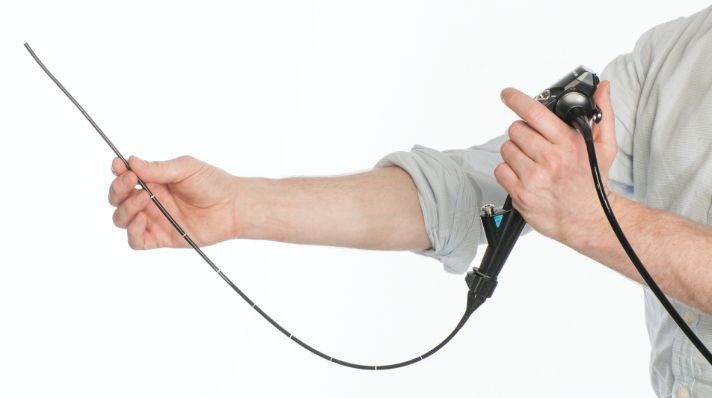
Successful vaporization bronchoscopy requires meticulous preparation:
- Patient Evaluation: Comprehensive assessment including pulmonary function tests, imaging studies (CT chest with 3D reconstruction), and coagulation status evaluation.
- Anesthesia Planning: Decision between moderate sedation and general anesthesia based on procedure complexity, patient comorbidities, and institutional protocols.
- Equipment Verification: Confirmation of bronchoscope compatibility with vaporization catheters, proper function of vapor generator, availability of backup systems, and sterile packaging of all disposable components including medical gloves for the procedure team.
- Team Briefing: Pre-procedure meeting involving pulmonologist, anesthesiologist, nursing staff, and technicians to review the procedural plan, potential complications, and emergency protocols.
The technical execution of vaporization bronchoscopy follows a systematic approach:
1. Bronchoscope Insertion and Survey: Initial introduction of the bronchoscope with comprehensive inspection of the tracheobronchial tree to identify target lesions and anatomical landmarks.
2. Lesion Assessment: Detailed evaluation of target pathology including size, vascularity, relationship to critical structures (cartilage, major vessels), and extent of airway involvement.
3. Catheter Placement: Under direct visualization, the vapor delivery catheter is advanced through the working channel and positioned 2-5mm from the target tissue surface.
4. Energy Application: Controlled activation of vapor delivery in short pulses (typically 1-10 seconds) with continuous visual monitoring of tissue effect. The operator maintains the catheter in constant gentle motion to prevent excessive focal heating.
5. Progressive Treatment: Systematic treatment of the lesion beginning with most accessible areas, frequently alternating between vaporization and suctioning of condensed fluid to maintain visualization.
6. Endpoint Determination: Procedure continues until desired tissue effect is achieved—typically visualized as blanching and shrinkage of treated areas with hemostasis of any bleeding sites.
7. Final Inspection and Debris Removal: Comprehensive post-treatment inspection with removal of any residual tissue debris using suction or retrieval tools.
Immediate post-procedural care includes:
- Recovery Monitoring: Observation for complications including bleeding, respiratory distress, or pneumothorax, typically for 2-4 hours post-procedure.
- Symptom Management: Administration of bronchodilators or antitussives as needed for procedure-related bronchospasm or cough.
- Follow-up Planning: Scheduling of imaging and repeat bronchoscopy based on initial pathology and treatment response, typically at 4-8 week intervals for malignant disease.
- Procedure Documentation: Detailed recording of treatment parameters including vapor temperature, application duration, treated areas, and immediate outcomes.
Vaporization bronchoscopy requires adherence to established safety standards:
- Electrical Safety: Proper grounding of all equipment and use of isolated systems to prevent electrical current transmission to patients.
- Thermal Safety: Continuous monitoring of catheter tip temperature with automatic safety shut-off systems to prevent overheating.
- Sterility Maintenance: Strict aseptic technique including proper hand hygiene, sterile medical gloves for all team members handling equipment within the sterile field, and single-use policies for disposable components.
- Ventilation Management: Appropriate ventilator settings to manage increased airway resistance during vapor delivery and ensure adequate oxygenation.
While generally safe, vaporization bronchoscopy carries specific risks:
- Airway Fire: Although less risk than with laser procedures, theoretical fire risk exists. Prevention includes maintaining oxygen concentration below 40% during energy application and having fire safety equipment immediately available.
- Perforation and Fistula Formation: Overly aggressive treatment or application near weakened airway walls may cause perforation. Prevention involves careful energy titration and avoidance of treatment near known malignant invasion of airway cartilage or major vessels.
- Airway Edema: Thermal injury may provoke postoperative edema, particularly with circumferential treatments. Prophylactic steroids (intravenous methylprednisolone 40-125mg) are often administered during extensive procedures.
- Hemorrhage: Significant bleeding occurs in 1-3% of procedures, typically manageable with conservative measures but occasionally requiring advanced hemostatic techniques.
- Infection: Proper sterilization of reusable components and use of sterile single-use items including medical gloves minimizes infection risk.
Procedure rooms must be equipped for potential emergencies:
- Airway Rescue Equipment: Rigid bronchoscopy capability, various sizes of endotracheal tubes, and tracheostomy kits immediately available.
- Hemostatic Agents: Topical epinephrine, thrombin, and gelatin foam accessible for uncontrolled bleeding.
- Chest Drainage Supplies: Equipment for immediate tube thoracostomy if pneumothorax occurs.
- Fire Extinguisher: Class D fire extinguisher specifically rated for metal fires available in the procedure room.
Compared to neodymium-doped yttrium aluminum garnet (Nd:YAG) laser therapy:
- Precision: Vaporization offers comparable precision with potentially less collateral thermal damage due to more controlled energy penetration (typically 1-3mm versus 3-5mm for Nd:YAG).
- Hemostasis: Both provide excellent hemostasis, though some studies suggest vaporization may offer slightly better coagulation of smaller vessels.
- Cost Considerations: Vaporization systems generally have lower initial capital costs than laser systems but may have higher disposable costs per procedure.
- Safety Profile: Vaporization eliminates risks associated with laser plume inhalation and reduces fire risk, though both require strict safety protocols including proper medical gloves and eye protection for staff.
Compared to bronchoscopic electrocautery:
- Tissue Effect: Vaporization produces more superficial tissue effects with less deep thermal injury, potentially reducing risks of delayed perforation or fistula formation.
- Procedure Control: Vaporization allows more gradual, titratable tissue effects compared to the often more immediate tissue cutting with electrocautery.
- Equipment Flexibility: Electrocautery probes are generally more flexible and may access more sharply angled airways than vaporization catheters.
- Smoke Production: Vaporization produces significantly less smoke, improving visualization and reducing potential respiratory irritation for staff, though proper medical gloves and masks remain essential with both techniques.
Compared to bronchoscopic cryotherapy:
- Immediate vs. Delayed Effect: Vaporization provides immediate tissue ablation versus the delayed necrosis characteristic of cryotherapy (typically 1-2 weeks post-procedure).
- Hemostatic Properties: Vaporization offers superior immediate hemostasis, while cryotherapy may initially increase bleeding risk during thawing cycles.
- Application Method: Vaporization treats larger surface areas more efficiently, while cryotherapy excels at focal treatments through probe adherence.
- Anesthesia Requirements: Vaporization often requires deeper anesthesia/sedation due to intra-procedure cough reflex stimulation.
Future vaporization systems will likely feature:
- Real-time Thermal Imaging: Integrated infrared cameras providing visual feedback of tissue temperature during treatment.
- Augmented Reality Overlays: Real-time superimposition of pre-procedure CT data onto endoscopic views to guide treatment of non-visible submucosal or peribronchial lesions.
- Automated Dosimetry Control: Systems that automatically adjust vapor delivery based on real-time tissue response feedback.
Ongoing investigation includes:
- Combination Immunotherapy: Studies evaluating vaporization as a method to enhance tumor antigen release and potentiate effects of checkpoint inhibitor therapies.
- Early Lung Cancer Treatment: Research into vaporization as definitive treatment for minimally invasive carcinoma in situ or early superficial cancers in non-surgical candidates.
- Pediatric Applications: Development of specialized smaller-diameter catheters and adjusted energy parameters for pediatric airway applications.
- Non-Oncologic Inflammatory Conditions: Investigation of vaporization for severe bronchial inflammation in conditions like granulomatosis with polyangiitis or relapsing polychondritis.
Advancements in procedural aspects include:
- Simulation Training: High-fidelity virtual reality simulators specifically for vaporization bronchoscopy technique development.
- Standardized Protocols: Development of evidence-based treatment algorithms for specific pathologies to improve consistency across operators and institutions.
- Disposable System Refinements: Next-generation single-use catheters with enhanced flexibility, improved vapor distribution patterns, and integrated suction capabilities.
Vaporization with a bronchoscope represents a significant advancement in interventional pulmonology, offering precise, controlled thermal ablation of airway pathologies with favorable safety characteristics. This technique leverages the visualization capabilities of modern bronchoscopic systems to deliver targeted therapeutic effects while minimizing damage to surrounding healthy tissues. The integration of vaporization technology into bronchoscopic practice has expanded treatment options for both malignant and benign airway conditions, providing clinicians with a valuable tool that complements existing modalities like laser, electrocautery, and cryotherapy. As with all bronchoscopic procedures, successful implementation requires meticulous attention to safety protocols, including proper use of medical gloves and other personal protective equipment to maintain sterility and protect healthcare staff. Ongoing technological refinements and expanding clinical research continue to enhance the effectiveness and applications of bronchoscopic vaporization, promising to further improve outcomes for patients with complex airway diseases. For medical visualization companies, the evolution of vaporization bronchoscopy exemplifies the ongoing convergence of advanced imaging, precision energy delivery, and minimally invasive technique that defines the future of interventional medicine.
Contact us to get more information!
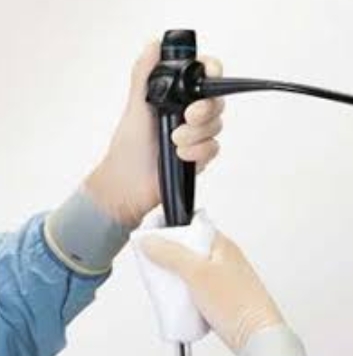
Sterile surgical medical gloves are essential for all team members directly handling bronchoscopic equipment or operating within the sterile field during vaporization procedures. Nitrile medical gloves are generally preferred over latex due to better chemical resistance and reduced allergy risk. For staff handling equipment outside the immediate sterile field, non-sterile examination medical gloves provide adequate protection against incidental contamination. All medical gloves should be changed immediately if torn or contaminated during the procedure.
Patients typically experience similar recovery timelines with vaporization compared to other thermal ablation techniques, with most outpatient procedures allowing same-day discharge after 2-4 hours of observation. Post-procedure symptoms like cough, mild hemoptysis, or discomfort generally resolve within 24-72 hours. Compared to cryotherapy which causes delayed tissue sloughing at 1-2 weeks, vaporization produces more immediate tissue effects but may cause slightly more initial mucosal edema requiring closer immediate monitoring.
Absolute contraindications include uncorrectable coagulopathy, inability to oxygenate adequately during the procedure, and lesions involving major blood vessels or the esophageal wall. Relative contraindications include extensive circumferential lesions (risk of post-procedure stenosis), high oxygen requirements (>60% FiO2 increasing fire risk), and extensive malignant infiltration of airway cartilage (increased perforation risk). Each case requires individual risk-benefit assessment considering alternative treatments.
Treatment frequency varies based on pathology. For malignant airway obstruction, repeat treatments are typically needed every 4-12 weeks as disease progresses, though combination with radiation or systemic therapy may extend intervals. For benign conditions like granulomas, 1-3 treatments are often sufficient for durable results. Regular surveillance bronchoscopy is recommended 4-8 weeks after initial treatment to assess response and determine need for additional sessions.
Operators should have formal training in interventional pulmonology including supervised experience with thermal ablation techniques. Specific vaporization training typically includes didactic sessions on equipment operation and safety, simulation practice, and proctored initial procedures. Most professional societies recommend documentation of 10-20 supervised cases before independent practice. Ongoing education is important as technology evolves, and all team members including nursing staff require training on equipment setup and safety protocols including proper use of medical gloves and other PPE.
[1] https://www.thoracic.org/professionals/clinical-resources/interventional-pulmonology/resources/bronchoscopic-thermal-ablation.pdf
[2] https://www.atsjournals.org/doi/full/10.1164/rccm.201807-1285CI
[3] https://www.ncbi.nlm.nih.gov/books/NBK538296/
[4] https://err.ersjournals.com/content/29/155/190184
[5] https://www.sciencedirect.com/science/article/pii/S0012369216302256
[6] https://www.lung.ca/lung-health/interventional-pulmonology
[7] https://www.fda.gov/medical-devices/surgery-devices/bronchoscopes
[8] https://www.osha.gov/laws-regs/regulations/standardnumber/1910/1910.134
[9] https://www.cdc.gov/infection-control/hcp/healthcare-personnel-ppe/index.html


