
Views: 222 Author: Lake Publish Time: 2026-01-27 Origin: Site


Content Menu
● Fundamentals of Laryngoscope Design and Contamination Risks
>> Anatomical Components and Contamination Pathways
>> Biofilm Formation and Pathogen Persistence
>> Material Compatibility Considerations
● Standardized Sterilization Protocols in EMS Systems
>> Pre-Cleaning: The Critical First Step
>> High-Level Disinfection Processes
>> Terminal Sterilization Methods
● Practical Field Considerations and Challenges
>> Time Constraints and Operational Demands
>> Verification of Process Effectiveness
>> Storage and Transport Considerations
● The Rise of Disposable Laryngoscopes in EMS
>> Regulatory and Compliance Implications
● Special Considerations for Different Laryngoscope Types
>> Pediatric and Specialty Blades
● Training, Competency, and Quality Assurance
>> EMT Education on Sterilization Protocols
>> Continuous Improvement Culture
● Future Directions in Laryngoscope Sterilization for EMS
>> Pandemic Preparedness Lessons
● Frequently Asked Questions (FAQ)
>> 1. What is the most common sterilization method used for laryngoscopes in EMS?
>> 2. Can EMTs use the same laryngoscope on multiple patients during the same shift?
>> 4. What are the main advantages of disposable laryngoscopes in EMS settings?
>> 5. How can EMTs verify that a laryngoscope has been properly sterilized?
In emergency medical services (EMS), the laryngoscope stands as a critical tool for securing airways during life-threatening situations. Unlike controlled hospital environments, EMS settings present unique challenges for infection control and equipment sterilization. The process by which Emergency Medical Technicians (EMTs) clean, disinfect, and sterilize laryngoscopes is a meticulous protocol designed to prevent cross-contamination while ensuring device readiness and functionality under unpredictable field conditions. This comprehensive examination explores the standardized procedures, practical challenges, technological solutions, and evolving best practices that define how EMTs maintain the sterility of these essential airway management tools, with particular attention to the differences between reusable and disposable laryngoscopes.

Understanding sterilization protocols begins with recognizing the design and contamination vulnerabilities of laryngoscopes. A standard reusable laryngoscope consists of two primary components: the handle (containing the power source) and the blade (which enters the patient's airway). The blade, particularly the distal tip and the bulb or fiberoptic light source, comes into direct contact with mucous membranes, saliva, blood, and potentially infectious respiratory secretions. The handle, while typically held outside the patient's mouth, can become contaminated through splash, aerosol, or glove contact during high-stress intubation attempts.
Laryngoscopes present specific challenges for decontamination due to their complex geometry and material composition. The crevices around light bulbs, battery contacts, and blade hinges can harbor organic material that, if not thoroughly removed, facilitates biofilm formation. Biofilms protect microorganisms from disinfectants, creating reservoirs for pathogens like Methicillin-resistant Staphylococcus aureus (MRSA), influenza viruses, and multidrug-resistant Gram-negative bacteria. Studies have documented pathogenic contamination on inadequately processed laryngoscopes, highlighting the critical importance of effective sterilization protocols in EMS systems.
The materials used in laryngoscope construction—typically medical-grade stainless steel for blades and various plastics or metals for handles—determine which sterilization methods are appropriate. Certain chemicals or high-temperature processes that effectively kill pathogens might damage fiberoptic bundles, degrade plastic components, or corrode electrical contacts. EMT sterilization protocols must balance microbiological efficacy with equipment preservation, especially considering the repeated processing cycles laryngoscopes undergo in busy EMS systems.
Before any disinfection or sterilization occurs, EMTs must perform thorough pre-cleaning of laryngoscopes immediately after use. This manual process involves:
1. Point-of-Use Decontamination: Wiping the laryngoscope blade with an EPA-approved disinfectant wipe immediately after patient contact to reduce bioburden and protect personnel during transport.
2. Bedside Disassembly: Separating the blade from the handle, and if design permits, removing light bulbs or batteries to expose all surfaces to cleaning agents.
3. Manual Scrubbing: Using a soft brush and enzymatic detergent to scrub all surfaces of the laryngoscope blade, paying particular attention to hinges, serrations, and light channels where organic material accumulates.
4. Rinsing and Drying: Thorough rinsing with clean water to remove detergent residues that could interfere with subsequent disinfection, followed by careful drying with lint-free cloths.
This manual cleaning remains the most crucial step in reprocessing laryngoscopes, as sterilization cannot compensate for inadequate physical removal of organic debris.
Most EMS systems employ high-level disinfection (HLD) for laryngoscopes, which destroys all microorganisms except high numbers of bacterial spores. Common HLD methods include:
- Chemical Immersion: Soaking laryngoscope blades (and sometimes handles, if compatible) in EPA-registered chemical disinfectants like glutaraldehyde, ortho-phthalaldehyde (OPA), or hydrogen peroxide-based solutions for manufacturer-specified contact times.
- Automated Washer-Disinfectors: Increasingly adopted by larger EMS agencies, these systems provide consistent mechanical cleaning followed by controlled thermal or chemical disinfection, reducing variability in manual processing.
- Disposable Barrier Systems: Some systems utilize single-use sterile plastic sheaths that cover the laryngoscope blade, allowing the device to be reused with only low-level disinfection between patients while maintaining a sterile patient contact surface.
While less common in field settings due to equipment requirements, some advanced EMS systems or receiving hospitals perform terminal sterilization on laryngoscopes using:
- Steam Autoclaving: Effective only for laryngoscope components specifically designed to withstand high temperatures and moisture. Many modern laryngoscopes with fiberoptic or battery components are not autoclavable.
- Low-Temperature Sterilization: Technologies like hydrogen peroxide gas plasma (e.g., Sterrad systems) or ethylene oxide gas can sterilize heat-sensitive laryngoscopes but require specialized equipment typically unavailable in ambulances.
- Liquid Chemical Sterilants: Extended immersion in chemicals like glutaraldehyde (typically 10+ hours) can achieve sterilization but presents logistical challenges for rapid equipment turnaround in EMS.
EMS environments present unique sterilization challenges not encountered in hospitals:
- Rapid Turnaround Requirements: In high-volume systems, laryngoscopes may need to be reprocessed and ready for use within minutes between calls, limiting the feasibility of prolonged sterilization cycles.
- Limited Resources: Ambulances have restricted space for sterilization equipment, limited supplies of processing chemicals, and varying access to utilities like purified water for rinsing.
- Environmental Variability: Reprocessing may occur in ambulances, station houses, or hospital bays under inconsistent temperature, lighting, and cleanliness conditions.
- Personnel Factors: EMTs balance reprocessing duties with multiple other responsibilities under time pressure and potential stress from previous calls.
Ensuring that laryngoscopes have been properly sterilized presents verification challenges in field settings:
- Chemical Indicators: Many EMS systems use color-changing chemical indicators on sterilization packaging or within process challenge devices to verify exposure to disinfectants.
- Process Documentation: Log sheets tracking which laryngoscope was used on which patient, when it was reprocessed, and by whom help maintain accountability but require disciplined adherence.
- Regular Biological Monitoring: While spore testing represents the gold standard for sterilization verification, logistical challenges often limit this to periodic checks rather than monitoring every cycle in EMS settings.
- Visual Inspection: Despite limitations, careful visual inspection of laryngoscopes under good lighting remains an essential component of quality assurance, looking for residual debris, discoloration, or damage that might compromise sterility or function.
Proper storage of sterilized laryngoscopes is as important as the sterilization process itself:
- Packaging Standards: Sterilized laryngoscopes should be packaged in medical-grade barrier materials that maintain sterility during storage but allow aseptic removal at point of use.
- Designated Clean Areas: Ambulances should have clearly designated, protected compartments for storing sterilized equipment, separated from contaminated items and general supplies.
- Environmental Controls: Storage areas should protect laryngoscopes from extreme temperatures, moisture, and physical damage during vehicle movement.
- Expiration Dating: While event-related sterility (maintaining sterility until package is opened) is increasingly recognized, many EMS systems still use time-related expiration dates (typically 30-90 days) for packaged sterile laryngoscopes.
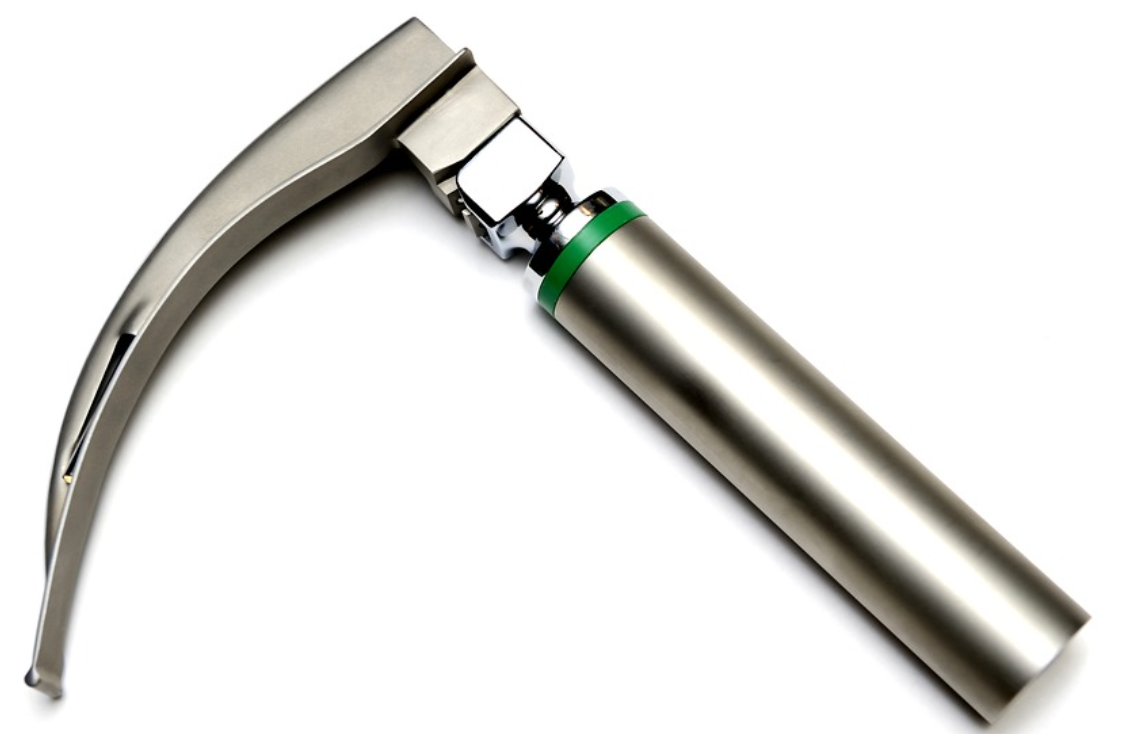
The challenges of reprocessing reusable laryngoscopes have driven many EMS systems toward single-use alternatives:
- Complete Disposable Units: Entire laryngoscopes (handle and blade) designed for one patient use then disposal, eliminating reprocessing entirely.
- Disposable Blades with Reusable Handles: Hybrid systems using inexpensive plastic blades that attach to more durable, reusable handles. The blades undergo terminal sterilization during manufacturing and are discarded after use.
- Advantages in Infection Control: Disposable laryngoscopes eliminate cross-contamination risks between patients and reduce the infection control burden on EMS personnel.
- Operational Simplicity: No reprocessing requirements mean devices are always ready, with consistent performance characteristics not degraded by repeated cleaning cycles.
The decision between reusable and disposable laryngoscopes involves complex calculations:
- Direct Cost Comparison: While disposable laryngoscopes eliminate reprocessing supplies and labor, their per-unit cost must be balanced against the capital investment and maintenance of reusable systems.
- Hidden Costs: Reusable laryngoscopes incur costs from repair, replacement of damaged components, quality assurance programs, and potential liability from infection transmission.
- Environmental Impact: Disposable laryngoscopes generate medical waste, while reusable systems consume energy, water, and chemicals for reprocessing.
- Clinical Performance Considerations: Some studies suggest disposable laryngoscopes may have different light intensity, blade flexibility, or ergonomics compared to high-quality reusable models.
Disposable laryngoscopes simplify compliance with increasingly stringent infection control regulations:
- Consistent Sterility Assurance: Factory-sterilized disposable laryngoscopes provide documented sterility without dependency on variable field reprocessing.
- Reduced Documentation Burden: Eliminating reprocessing logs, chemical monitoring records, and maintenance documentation for sterilization equipment.
- Standardization: All providers use identical equipment with predictable performance characteristics, reducing variability in intubation success rates.
Traditional direct laryngoscopes present specific sterilization considerations:
- Hinged Mechanisms: The moving parts in Macintosh or Miller blades require particular attention during cleaning to prevent buildup of organic material in pivot points.
- Light Source Compatibility: Bulb-based light systems may trap moisture during reprocessing, potentially causing electrical failures or reduced illumination.
- Material Durability: Stainless steel blades withstand repeated chemical exposure but may develop surface imperfections over time that harbor microorganisms.
The integration of video technology into laryngoscopes creates additional reprocessing challenges:
- Camera and Optics Protection: Video laryngoscopes require careful handling to avoid damage to fragile optical components during cleaning.
- Electrical Connection Integrity: Repeated disconnection of video cables and handles increases wear on electrical contacts, potentially compromising function.
- Screen and Control Decontamination: Unlike traditional laryngoscopes, video units have touch screens and control buttons that require disinfection between uses without damaging electronics.
- Manufacturer-Specific Protocols: Video laryngoscope reprocessing often requires strict adherence to manufacturer guidelines to maintain warranties and ensure proper function.
Laryngoscopes designed for pediatric patients or special populations require adapted sterilization approaches:
- Smaller Size Considerations: Miniature blades have tighter tolerances and smaller channels that are more difficult to clean effectively.
- Material Variations: Some pediatric laryngoscopes use different plastics or coatings that may have specific chemical compatibility limitations.
- Usage Frequency Factors: Less frequently used specialty laryngoscopes may remain in storage longer between uses, requiring attention to package integrity and expiration dating.
Effective laryngoscope sterilization begins with comprehensive education:
- Initial Training Programs: EMT certification programs must include hands-on training in proper cleaning, disinfection, and sterilization techniques for airway equipment.
- Competency Validation: Skills verification should include observation of proper laryngoscope reprocessing technique, not just theoretical knowledge.
- Manufacturer Instruction Review: EMTs should receive specific training on reprocessing instructions for each laryngoscope model in their inventory.
- Infection Control Principles: Understanding the "why" behind protocols improves compliance with the "how" of specific procedures.
Robust QA programs ensure consistent sterilization effectiveness:
- Regular Audits: Unannounced inspections of ambulances and station houses to verify compliance with sterilization protocols and proper storage of laryngoscopes.
- Process Challenge Testing: Periodic use of simulated soil or biological indicators to test whether reprocessing procedures effectively eliminate contamination.
- Equipment Maintenance Logs: Systematic tracking of laryngoscope maintenance, repair, and replacement to identify patterns of failure or damage related to reprocessing.
- Outcome Monitoring: Surveillance for clusters of respiratory infections potentially linked to improperly processed airway equipment.
Advancing laryngoscope sterilization in EMS requires ongoing refinement:
- Incident Reporting Systems: Non-punitive mechanisms for personnel to report sterilization near-misses, equipment failures, or protocol deficiencies.
- Evidence-Based Protocol Updates: Regular review of scientific literature and best practices from other healthcare sectors to improve EMS-specific procedures.
- Technology Adoption: Willingness to implement new sterilization technologies as they become feasible for field use.
- Interagency Collaboration: Sharing of effective practices between different EMS systems and with receiving hospital infection control teams.
Emerging technologies promise to transform laryngoscope sterilization in field settings:
- Rapid Disinfection Systems: Portable devices using ultraviolet-C light, pulsed xenon, or cold plasma can achieve high-level disinfection in minutes without chemicals.
- Self-Disinfecting Materials: Coatings containing antimicrobial metals (silver, copper) or compounds that continuously reduce microbial contamination on laryngoscope surfaces between uses.
- Smart Tracking Systems: RFID tags or QR codes on laryngoscopes that track usage, reprocessing cycles, and maintenance requirements through digital platforms.
- Disposable Electronics: Advances in inexpensive, high-quality video components may make fully disposable video laryngoscopes economically viable for EMS.
Changing standards will influence future practices:
- Standardization Efforts: Professional organizations are working to establish more consistent evidence-based guidelines for laryngoscope reprocessing across diverse EMS systems.
- Environmental Regulations: Increasing restrictions on chemical disinfectants may drive adoption of alternative sterilization technologies.
- Reimbursement Policies: Changes in how EMS services are paid may affect the economic calculus between disposable and reusable laryngoscopes.
- Liability Considerations: Evolving legal standards regarding infection transmission may further emphasize the importance of verifiable sterilization processes.
Recent global health crises have highlighted the critical importance of effective equipment sterilization in EMS:
- Supply Chain Resilience: The COVID-19 pandemic exposed vulnerabilities in disposable equipment supply chains, prompting reconsideration of optimal disposable/reusable balances.
- Pathogen-Specific Protocols: Emerging pathogens with unusual environmental stability (like prion diseases or highly resistant viruses) may require specialized laryngoscope processing approaches.
- Workforce Protection: Enhanced attention to protecting EMTs from occupationally acquired infections during equipment reprocessing.
The sterilization of laryngoscopes in EMS represents a complex intersection of clinical necessity, operational pragmatism, and infection control science. EMTs navigate challenging field conditions to reprocess these critical airway devices through standardized protocols that emphasize thorough cleaning, appropriate disinfection, and proper storage. The choice between reusable and disposable laryngoscopes involves balancing infection risks, operational efficiency, economic considerations, and environmental impact—a calculation that varies across different EMS systems and evolving with technological advancements. As video laryngoscopes become increasingly prevalent in prehospital care, their unique reprocessing requirements add further complexity to sterilization protocols. Ultimately, effective laryngoscope sterilization in EMS depends not merely on procedures and chemicals, but on comprehensive education, rigorous quality assurance, and a culture that prioritizes patient and provider safety alongside clinical effectiveness. The continued evolution of best practices, informed by evidence and adapted to field realities, will ensure that laryngoscopes remain both clinically effective and microbiologically safe in the demanding world of emergency medical services.
Contact us to get more information!
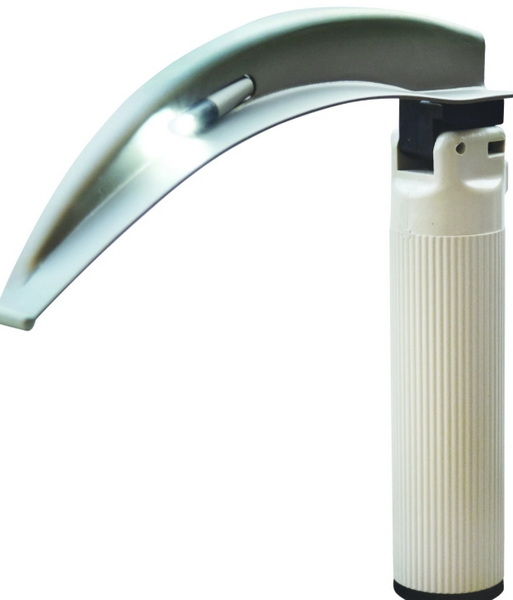
The most common approach in EMS is high-level disinfection using chemical immersion. After thorough manual cleaning, laryngoscope blades (and sometimes handles) are immersed in an EPA-registered chemical disinfectant like glutaraldehyde or ortho-phthalaldehyde for a manufacturer-specified contact time, typically 10-20 minutes. This method effectively destroys virtually all pathogens while being practical for field use, though it requires careful handling of chemicals and verification of adequate immersion time.
With proper sterilization between uses, yes—reusable laryngoscopes can be used on multiple patients. However, each use requires complete reprocessing (cleaning and high-level disinfection) before the device can be used on another patient. During mass casualty incidents or surge conditions when sterilization between patients isn't feasible, protocols may allow use of disposable laryngoscopes or employment of single-use protective sheaths over reusable blades to enable rapid sequential use.
Video laryngoscopes require more specialized handling due to their integrated electronics and optical components. They typically cannot be immersed in liquid chemicals unless specifically designed and validated for such processing. Instead, video laryngoscopes often require wipe-based disinfection using manufacturer-approved agents that won't damage screens, cameras, or electrical connections. The detachable components (like disposable blades) may undergo standard sterilization, while the reusable video handle requires careful surface disinfection without immersion.
Disposable laryngoscopes eliminate reprocessing requirements, ensuring immediate availability and consistent sterility without depending on variable field cleaning processes. They reduce cross-contamination risks between patients, minimize exposure of EMS personnel to contaminated equipment and harsh chemicals, and eliminate costs associated with reprocessing supplies and equipment maintenance. During disease outbreaks or when dealing with known highly infectious patients, disposable laryngoscopes provide additional safety margins.
Verification methods include process indicators (chemical strips that change color when exposed to disinfectants), meticulous documentation of reprocessing times and dates, regular biological monitoring (though less frequent in field settings), and visual inspection for cleanliness and integrity. Many systems use tamper-evident packaging that indicates whether a laryngoscope package has been opened since sterilization. Ultimately, adherence to standardized protocols by properly trained personnel provides the most reliable assurance of effective sterilization.
[1] https://www.cdc.gov/infection-control/hcp/cleaning-disinfection/index.html
[2] https://www.ems.gov/education/EMT-Paramedic-Standards.pdf
[3] https://www.fda.gov/medical-devices/reprocessing-reusable-medical-devices/information-assisting-determination-whether-reusable-medical-device-reprocessed-single-use-device
[4] https://www.ena.org/docs/default-source/resource-library/practice-resources/position-statements/sterilizationofequipment.pdf


