
Views: 222 Author: Lake Publish Time: 2025-12-29 Origin: Site


Content Menu
● The Science of Fingerprint Deposition
● Factors Influencing Fingerprint Transfer from Medical Gloves
● Forensic Implications: Gloves Are Not Invisible
● Implications for Sterile and Controlled Environments
● Minimizing the Risk of Trace Transfer
● Frequently Asked Questions (FAQ)
>> 1. Can fingerprints left through medical gloves be used to identify someone in court?
>> 2. Are powder-free medical gloves less likely to leave prints?
>> 3. Do thicker gloves (like household cleaning gloves) leave fingerprints?
>> 4. How can forensic teams tell if a print was left by a bare hand or a gloved hand?
>> 5. What is the best way to avoid leaving fingerprints when you must wear medical gloves?
The question of whether medical gloves leave fingerprints sits at a fascinating intersection of forensic science, healthcare protocol, and materials engineering. In the public imagination, often shaped by crime dramas, gloves are the perfect tool for leaving no trace. However, the reality is more nuanced, especially when it comes to the thin, disposable medical gloves used ubiquitously in clinics, hospitals, and laboratories. The short answer is yes, under certain conditions, medical gloves can and do leave latent fingerprints. This article delves into the science behind this phenomenon, exploring the factors that influence fingerprint transfer, the types of marks left, and the significant implications for both forensic investigations and sterile medical environments.
Understanding this capability is not just academic; it has real-world consequences for evidence integrity in criminal cases, for contamination control in sensitive manufacturing (like semiconductors or forensic labs themselves), and for the design and selection of medical gloves for specific high-stakes tasks.
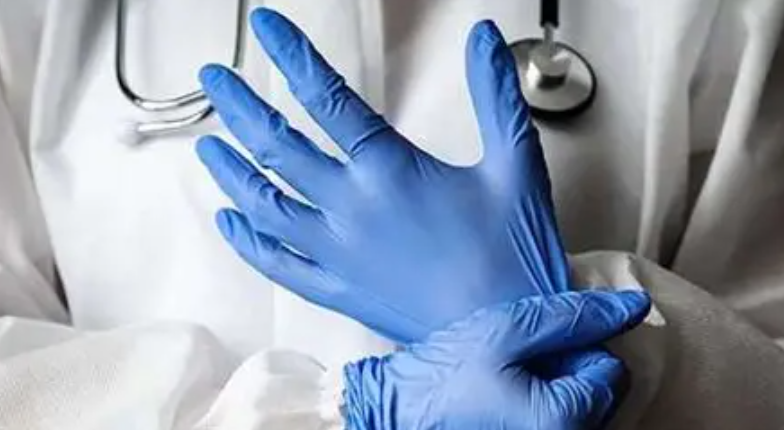
To understand how medical gloves can leave prints, we must first recall what a fingerprint is. Fingertips have unique patterns of ridges (dermatoglyphs). These ridges secrete a mixture of natural oils (sebum), sweat (eccrine and apocrine glands), and dead skin cells. When a finger touches a surface, this latent print residue is transferred, creating an invisible or barely visible impression.
When a person wears medical gloves, two primary mechanisms can lead to print deposition:
1. Print Transfer Through the Glove Material (Permeation/Transference): Modern medical gloves—whether nitrile, latex, or vinyl—are extremely thin (typically 0.05 to 0.15 mm) to preserve tactile sensitivity. This thinness allows for the transmission of ridge detail. The natural oils and moisture from the wearer's skin can partially permeate the glove polymer or be transmitted through minute pores or imperfections in the material. When the gloved finger then presses against a smooth, non-porous surface (like glass, metal, or polished plastic), the transmitted residue can form a latent print that mirrors the wearer's fingerprint pattern. This is more likely with prolonged wear as heat and moisture build up inside the glove.
2. Contamination of the Glove's Exterior: This is the most common and forensically significant mechanism. Medical gloves can easily become contaminated on their outer surface with substances that act as excellent print media. In a medical setting, this could be:
- Body fluids: Blood, serum, or sweat from the patient or wearer.
- Powder: Although less common now, powdered gloves leave obvious residue.
- Skin oils from the wearer transferred during donning if hands are not perfectly clean.
- Environmental contaminants: Lotions, disinfectants, or other chemicals on surfaces.
Once the glove's exterior is contaminated, it acts like a "stamp pad." The contaminated finger pad of the glove then leaves a print composed of the contaminant, which will often reveal the ridge pattern of the glove itself, not the wearer's skin. However, if the contaminant is the wearer's own sweat/oil that seeped through, the underlying skin pattern may be revealed.
Several variables determine whether a detectable print is left behind:
- Glove Material:
- Nitrile: Generally considered less likely to transmit skin oils directly than latex due to its non-porous synthetic structure. However, nitrile medical gloves can still leave excellent prints via exterior contamination.
- Latex: Its natural rubber composition may allow slightly more moisture vapor transmission, potentially facilitating transference. Latex is also more prone to developing micro-tears during use.
- Vinyl (PVC): Less elastic and can become more contaminated with wearer perspiration.
- Duration of Wear: The longer medical gloves are worn, the greater the heat and moisture buildup (the "greenhouse effect"), increasing the likelihood of skin oil transference and the softening of the glove material, making it more likely to pick up and transfer contaminants.
- Surface Type: Smooth, non-porous surfaces (glass, stainless steel, glossy plastic) are ideal for capturing latent prints from medical gloves. Porous surfaces (paper, unvarnished wood) absorb the residue, making ridge detail less distinct.
- Pressure and Manipulation: Firm pressure and twisting motions increase the amount of residue transferred and improve the clarity of the ridge detail.
- Glove Integrity: Any micro-tear, puncture, or defect in the medical glove creates a direct conduit for the wearer's sweat and oils to exit, dramatically increasing the chance of leaving a skin fingerprint directly.
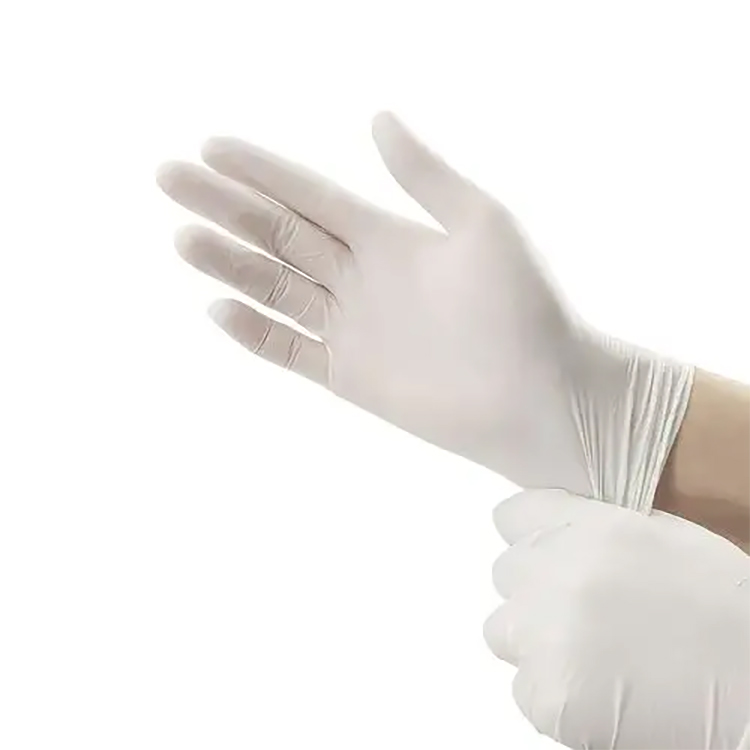
In crime scenes, the discovery of medical gloves (often latex or nitrile) does not guarantee the perpetrator left no trace. Forensic scientists use techniques to develop latent prints on gloves themselves and from surfaces touched by gloved hands.
- Developing Prints on the Outside of Used Gloves: Techniques like cyanoacrylate (superglue) fuming, vacuum metal deposition, or specialized dyes can reveal wearer fingerprints that were transferred to the outside of the glove during donning or through tears, as well as prints from victims or other surfaces the glove contacted.
- Developing Prints Left By Gloves: Latent prints deposited by medical gloves can be lifted using standard forensic methods. A print in blood is processed differently than one in sweat or oil. The resulting mark may show the glove's texture or, crucially, the wearer's ridge pattern if transference occurred.
- DNA Transfer: Medical gloves are also excellent vectors for DNA transfer. The wearer's skin cells and DNA can be on the inside; contaminants (including a victim's DNA) are on the outside. Improper removal can transfer DNA from one surface to another, complicating forensic analysis.
Beyond forensics, the fact that medical gloves can leave traces has critical implications:
- Contamination in Cleanrooms: In semiconductor manufacturing or pharmaceutical compounding, particulate and chemical contamination from medical gloves is a major concern. The gloves can shed particles, salts, and plasticizers, leaving "fingerprints" that ruin microchips or contaminate sterile products.
- Forensic Laboratory Contamination: Analysts wear medical gloves to prevent depositing their own DNA or prints on evidence. However, if gloves are not changed frequently, they can cross-contaminate evidence items with traces from previous items handled.
- Patient Safety in Healthcare: While not a "fingerprint" in the traditional sense, the transfer of pathogens via contaminated medical gloves from one patient surface to another is a well-documented infection control risk, underscored by the "one glove, one task" principle.
Understanding that medical gloves are not forensically "invisible" leads to better protocols:
1. Frequent Glove Changes: The most effective measure. Changing medical gloves after touching a potentially contaminating surface or after a period of wear reduces transference and contamination.
2. Proper Donning Technique: Starting with clean, dry hands minimizes the initial contamination of the glove's interior.
3. Selecting the Right Glove: For high-risk forensic or cleanroom work, specially formulated low-particulate, powder-free medical gloves are used. Some are treated to be more resistant to chemical permeation.
4. Double-Gloving: In some forensic or biohazard contexts, double-gloving provides a layer that can be removed if the outer glove becomes contaminated, though this increases the risk of transference through layers if torn.
The notion that medical gloves provide complete anonymity or a perfect barrier is a myth. Scientific evidence and forensic practice confirm that medical gloves—particularly the thin, disposable varieties—can and do leave latent fingerprints. These prints can originate either from the wearer's skin oils permeating the glove material or, more commonly, from contaminants on the glove's exterior transferring to a new surface.
This reality has profound implications. For law enforcement, it means that a perpetrator wearing medical gloves can still leave recoverable evidence, shattering a common misconception. For industries requiring ultra-clean environments, it underscores the need to view medical gloves as a potential contamination source that must be managed through strict material selection and handling protocols. In healthcare, it reinforces the critical importance of glove change protocols to prevent cross-contamination.
Therefore, medical gloves should be recognized not as infallible shields that erase identity, but as functional tools that, while essential for protection and hygiene, have limitations. Their ability to leave traces reminds us that in both crime and cleanliness, the details matter, and even the most common protective gear can tell a silent, revealing story.
Yes, potentially. If the latent print developed from a scene shows sufficient ridge detail and clarity that matches a suspect's fingerprint, it can be admitted as evidence. The defense may argue it was deposited via a glove, but the prosecution would use experts to explain transference mechanisms. The key is the quality of the print, not merely its presence. A clear ridge pattern is compelling evidence, regardless of whether a glove was worn.
Powder-free medical gloves are less likely to leave visible, powdery residue prints. However, they are equally capable of leaving latent prints composed of skin oils, sweat, or other contaminants. The absence of powder actually benefits forensic recovery, as powder can obscure finer ridge details and contaminate scenes. For leaving subtle traces, powder-free vs. powdered makes little difference; the primary mechanisms of transference and contamination remain.
Thicker, reusable rubber or plastic gloves (e.g., household or industrial types) are less likely to allow the wearer's skin oils to transfer directly through the material due to their thickness and density. However, they can still easily leave prints via exterior contamination. If the outside becomes coated with sweat, grease, or another substance, that substance will be deposited in the glove's texture pattern. The prints may be less sharp due to the glove's rougher texture.
Forensic analysts look for specific characteristics. A print from a bare finger typically shows fine, continuous ridge flow with pores. A print from a medical glove may show:
- Lack of Pore Detail: Gloves block sweat pores.
- Texture Patterns: Evidence of the glove's manufacturing seams, texture, or a granular appearance.
- Chemical Composition: Analysis may reveal residues of glove material (e.g., polymers, accelerants used in manufacturing) rather than just skin secretions.
- Ridge Detail Abnormalities: The pattern may appear distorted or "muffled" if transmitted through the glove material.
To minimize the risk: 1) Start with impeccably clean, dry hands to reduce interior moisture/oils. 2) Change gloves frequently, especially after touching any surface that could contaminate them. 3) Handle items with minimal pressure and avoid sliding fingers on surfaces. 4) Use tools instead of fingers whenever possible to manipulate objects. 5) Consider double-gloving and removing the outer layer after critical contacts, though this is not foolproof. Remember, absolute prevention is extremely difficult with standard thin medical gloves.
[1] https://www.nist.gov/publications/latent-fingerprint-deposition-wearing-latex-gloves
[2] https://www.ncbi.nlm.nih.gov/pmc/articles/PMC4740545/
[3] https://www.ojp.gov/pdffiles1/nij/225327.pdf
[4] https://www.fbi.gov/services/laboratory/biometric-analysis/fingerprints
[5] https://www.astm.org/f04_40_standards.html
[6] https://www.cdc.gov/niosh/docs/2007-132/pdfs/2007-132.pdf
[7] https://www.forensicmag.com/568142-Latent-Prints-and-Gloves/


