
Views: 222 Author: Lake Publish Time: 2025-12-29 Origin: Site


Content Menu
● The Critical Importance of Proper Doffing Technique
● Foundational Prerequisite: Hand Hygiene Before and After
● The Step-by-Step Guide to Safe Medical Glove Removal
● Visualizing the Technique for Sterile Surgical Gloves
● Common Errors and How to Avoid Them
● The Role of Proper Doffing in the Medical Visualization Workflow
● Training, Competency, and Institutional Culture
● Frequently Asked Questions (FAQ)
>> 1.What is it so important to turn the gloves inside out during removal?
>> 3.Does the technique differ for removing gloves that are very wet or soiled?
>> 4.How do I remove gloves while wearing a long-sleeved gown?
>> 5.Is an alcohol-based hand rub sufficient after removing gloves, or is soap and water required?
In the high-precision domain of healthcare, where procedures range from routine examinations to complex interventions guided by bronchoscopy workstations and video laryngoscopes, every protocol matters. Among these, the seemingly simple act of removing a medical glove is, in fact, a critical inflection point for safety. Studies indicate that improper doffing (removal) of PPE is a major contributor to self-contamination. A used medical glove is a contaminated surface; touching its exterior with bare skin transfers pathogens, negating the protection it provided. For professionals who then handle sensitive medical visualization equipment, such contamination poses a dual risk: personal infection and potential cross-contamination of devices. This article provides a meticulous, step-by-step guide to the proper technique for removing medical gloves, grounded in evidence-based guidelines from leading health agencies. Mastering this technique is not an ancillary skill but a fundamental component of professional practice, ensuring that the barrier protection offered by the medical glove concludes with safety for the wearer.

The exterior surface of a used medical glove is considered contaminated. The primary goal of proper doffing is to remove the gloves without allowing the contaminated exterior to touch the wearer's skin or clothing, and without dispersing pathogens into the environment. Failure in this process can lead to:
- Self-Contamination: Transfer of pathogens from the glove to the hands, which can then be transmitted to mucous membranes (eyes, nose, mouth) or spread to other surfaces.
- Environmental Contamination: Flapping or snapping the glove during removal can aerosolize droplets, spreading contaminants.
- Cross-Contamination: Contaminated hands can then transfer pathogens to clean equipment, such as a medical image processor console or the housing of a single-use ureteroscope, creating a reservoir for infection.
- Undermining Infection Control Protocols: Renders the entire purpose of wearing the medical glove moot and breaks the chain of standard precautions.
A core principle is that donning and doffing of medical gloves are framed by hand hygiene.
- Hand Hygiene BEFORE Donning: Clean hands ensure you do not contaminate the inside of the clean medical glove, protecting the procedural field or patient.
- Hand Hygiene AFTER Doffing: This is the final, non-negotiable step. It removes any potential pathogens that may have transferred to the skin during the glove removal process, even when performed correctly.
The following technique is recommended by the CDC and WHO for the safe removal of non-sterile examination gloves. The key is to use a "glove-to-glove, skin-to-skin" approach.
Step 1: Initiate Removal with the First Glove
- With your dominant hand, pinch the exterior of the medical glove on your non-dominant hand. Pinch at the wrist area, ensuring you grip only the glove material and not the skin beneath. Avoid touching the wrist skin.
- Gently pull the glove downwards, turning it inside out as it comes off. The contaminated exterior surface is now contained inside the inverted glove. Hold this removed glove in the palm of your still-gloved dominant hand.
Step 2: Remove the Second Glove
- Now, with your now-bare non-dominant hand, slide your fingers inside the cuff of the remaining medical glove on your dominant hand. Be extremely careful to touch only the inside, clean surface of the glove's cuff.
- Pull this second glove downwards, also turning it inside out as it comes off. The first glove, which you were holding, will become enveloped inside the second glove as it inverts.
- You should now be holding a single bundle, with the contaminated surfaces of both gloves trapped inside, and the clean inner surfaces on the outside.
Step 3: Immediate Disposal
- Without delay, discard this glove bundle directly into the appropriate waste container—a medical waste bin or regular trash, based on the level of contamination. Do not let it touch any surface on the way to the bin.
- Never attempt to reuse disposable medical gloves. The doffing process is designed for single-use disposal.
Step 4: Perform Hand Hygiene
- Immediately after disposal, perform hand hygiene using an alcohol-based hand rub or soap and water. Rub for at least 20 seconds, covering all surfaces of the hands and wrists. This step is critical to eliminate any microorganisms that may have transiently contaminated the skin during doffing.
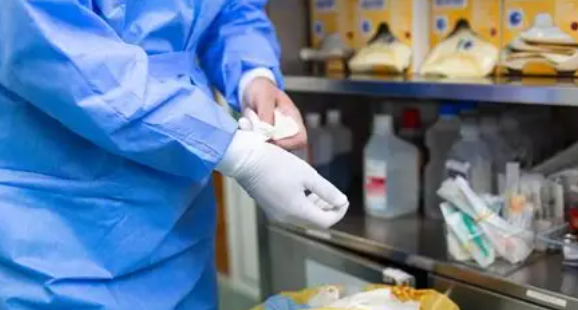
The process for removing sterile medical gloves after a surgical or aseptic procedure follows the same "glove-to-glove, skin-to-skin" principle but is often integrated with gown removal in a specific sequence to maintain sterility during an operation.
1. Gown Removal First (if applicable): After a procedure, the gown is untied and removed first, using a technique that pulls it off inside-out, minimizing contact with the scrubs. The gloves are still on during this step.
2. Glove Removal: With the gown removed, the glove doffing proceeds as described above. The surgeon or nurse will use a gloved hand to grasp the exterior of the opposite glove, peel it off inside out, and then use bare fingers inside the cuff of the remaining glove to remove it, encapsulating the first.
3. Key Difference: The focus is on preventing the contaminated exterior of the surgical medical glove from touching the sterile surgical scrubs underneath, as well as the skin.
- Error: "The Snap" – Pulling the glove off by the fingertips and letting it snap against the wrist.
- Risk: Aerosolization of contaminants and potential splashing.
- Correction: Always peel from the cuff, using a controlled, rolling motion.
- Error: Touching the Wrist Skin – Failing to get a secure pinch on the glove material and instead pinching the skin.
- Risk: Direct transfer of contaminants to the skin.
- Correction: Use the thumb and forefinger to gather a clear fold of glove material away from the skin before pulling.
- Error: Incorrect Hand for Interior Touch – When removing the second glove, using the already-bare hand to touch the exterior of the remaining glove.
- Risk: Contaminating the bare hand.
- Correction: Drill the mental cue: "Bare hand only touches the inside of the cuff."
- Error: Delayed or Skipped Hand Hygiene – Failing to clean hands immediately after glove removal.
- Risk: The single greatest point of failure. Hands are assumed to be contaminated after doffing.
- Correction: Make hand hygiene an automatic, inseparable part of the glove removal sequence.
In environments utilizing advanced medical visualization technology, the stakes for proper doffing are elevated.
- Between Procedures: A clinician moving from one patient procedure using a flexible laryngoscope to another must doff gloves (and often a gown) meticulously to prevent carrying pathogens from one patient's airway to the next device or patient.
- Device Handling: After a procedure, before handling the control unit of an endoscopy system or adjusting settings on an image processor for cleaning or data review, contaminated gloves must be properly removed and hands sanitized to prevent soiling the shared equipment.
- Maintaining Sterile Fields: During sterile procedures, improper glove removal can break the aseptic technique, compromising the field and potentially introducing infection at a critical site.
Proper doffing must be more than a written policy; it must be a reinforced competency.
- Initial and Ongoing Training: Incorporate glove doffing (and donning) into mandatory onboarding and annual infection control training for all clinical staff. Use visual aids and videos.
- Competency Assessments: Periodically observe staff during doffing to ensure technique adherence, not just for new hires but for all personnel.
- Environmental Cues: Place posters illustrating the doffing steps near glove dispensers and sinks. The combination of training and visual reminders reinforces the behavior.
- Leadership Modeling: Supervisors and senior clinicians must consistently demonstrate the correct technique, setting the standard for the team.
The proper removal of a medical glove is a deliberate, technical skill that forms the crucial final act of barrier protection. It is a procedure where haste breeds risk and precision ensures safety. By religiously adhering to the "glove-to-glove, skin-to-skin" technique and culminating with immediate hand hygiene, healthcare workers protect themselves, their colleagues, their patients, and the sophisticated equipment—from bronchoscopy workstations to video laryngoscopes—that defines modern care. In an era of advanced medical visualization, where focus is rightly on the clarity of the image, let us not forget the fundamental clarity of action required in the basics. Mastering the safe doffing of a medical glove is a clear demonstration of professional discipline and a non-negotiable pillar of comprehensive infection prevention and control.
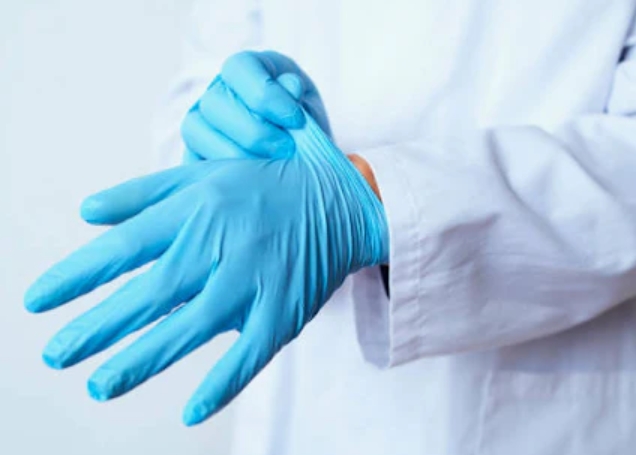
Turning the medical glove inside out during doffing is the fundamental mechanism of containment. It traps the contaminated exterior surface inside the inverted glove bundle. This ensures that the only surface you or the environment contacts is the clean inner lining, which was in contact with your (presumably clean) hands. It physically isolates the pathogens.
Consider this an immediate exposure incident. Stop the doffing process. Perform hand hygiene meticulously right away using soap and water (preferred for visible contamination) or an alcohol-based rub. Then, complete the removal of the remaining glove(s) carefully. Follow your facility's protocol for potential exposure, which may include reporting the incident to a supervisor or occupational health.
The core principle remains identical. However, extra caution is needed. Move more slowly and deliberately to avoid splashing. Ensure you have a firm pinch on a less-soiled area of the cuff if possible. The goal is still to invert the glove to contain the contaminants. These heavily soiled gloves should always be disposed of directly into a regulated medical waste (biohazard) container.
The sequence is vital. Typically, you would first unfasten the gown ties. Then, while still gloved, remove the gown using a technique that pulls it off your shoulders and arms, turning it inside out as it comes, and finally rolling it into a bundle without touching the exterior. With the gown removed, your gloves are now exposed at the cuff. You can then proceed with the standard glove doffing technique described above. The key is to avoid letting the contaminated gown sleeves roll back and touch your skin or scrubs.
For routine doffing where hands are not visibly soiled, an alcohol-based hand rub (ABHR) is sufficient and often preferred due to its superior efficacy against many pathogens and speed of use. The critical factor is performing it immediately after disposal. Soap and water are required if hands are visibly dirty, soiled with blood or bodily fluids, or after caring for a patient with known or suspected spore-forming pathogens like C. difficile. When in doubt, or if you feel any moisture on your skin post-doffing, washing with soap and water is the more conservative and thorough choice.
[1] https://www.cdc.gov/infectioncontrol/guidelines/isolation/index.html
[2] https://www.who.int/gpsc/5may/Glove_Use_Information_Leaflet.pdf
[3] https://www.cdc.gov/handhygiene/providers/index.html


