


Content Menu
● The Critical Importance of Correct Glove Sizing
● Understanding Medical Glove Sizing Systems
● Step-by-Step Guide to Determining Your Correct Glove Size
>> Step 1: Measure Your Dominant Hand
>> Step 2: Consult the Manufacturer's Size Chart
>> Step 3: The Practical Fit Test (The Most Important Step)
>> Step 4: Assess During Simulated Tasks
● Special Considerations and Professional Scenarios
● Institutional Responsibility and Best Practices
● Frequently Asked Questions (FAQ)
>> 1. What is the single most reliable method to find my correct medical glove size?
>> 2. I'm between sizes on the chart. Should I size up or down?
>> 3. Why do my fingertips feel numb or cold when I wear medical gloves?
>> 4. How does the material (nitrile vs. latex) affect the fit and feel of the same size?
In the precise and demanding world of healthcare, the correct fit of medical gloves is far more than a matter of comfort—it is a critical component of safety, efficacy, and infection control. Ill-fitting gloves can impair dexterity, increase the risk of tears, contribute to hand fatigue, and even compromise sterile technique. For clinicians across all specialties, from surgeons performing intricate procedures to nurses administering intravenous therapy, wearing properly sized medical gloves is as fundamental as any other clinical skill. As a company specializing in the OEM manufacturing of advanced medical visualization equipment, such as endoscopy systems and video laryngoscopes, we understand that optimal performance relies on the seamless integration of the user with their tools. The medical glove is the most direct interface between the clinician's skill and the patient or device. This comprehensive guide will detail the systematic process for accurately sizing medical gloves, explore the nuances between different materials and brands, and explain why this simple step is vital for safe and effective patient care.

Choosing the right size for medical gloves is a non-negotiable aspect of professional practice with direct implications:
- Safety and Barrier Integrity: Gloves that are too tight are under excessive tension, making them more prone to tearing or developing micro-perforations during use. Gloves that are too loose can wrinkle, create gaps at the cuff, and are more likely to slip off or snag on equipment, exposing the wearer to contaminants.
- Tactile Sensitivity and Dexterity: The primary purpose of medical gloves in many procedures is to protect while allowing for precise sensation. A properly fitted glove acts like a second skin, transmitting necessary tactile feedback. A loose glove dulls sensation, while an overly tight glove can cause numbness and restrict fine motor movements—critical when manipulating a delicate single-use ureteroscope or adjusting a bronchoscopy workstation.
- User Comfort and Compliance: Discomfort from poorly sized medical gloves—whether from constriction, sweating, or excessive material—can lead to hand fatigue, dermatitis, and a subconscious reluctance to wear gloves when indicated. Ensuring comfort promotes consistent compliance with glove use protocols.
- Efficiency and Waste Reduction: Correctly sized gloves don't require constant readjustment, saving time. They are also less likely to tear, reducing the need for changes and associated waste.
Unlike casual gloves, medical glove sizing is standardized based on anthropometric hand measurements. The most common system uses numbered sizes, though correlation to labels like Small (S) or Medium (M) can vary slightly by manufacturer and region (e.g., US vs. Asian sizing).
- Standard Numerical Sizing: Sizes typically range from 5.0 to 9.0, often corresponding to letter sizes.
- Extra-Small (XS): ~5.0-6.0 (hand width ~2.5-2.75 inches)
- Small (S): ~6.0-7.0 (hand width ~2.75-3.0 inches)
- Medium (M): ~7.0-8.0 (hand width ~3.0-3.25 inches)
- Large (L): ~8.0-9.0 (hand width ~3.25-3.5 inches)
- Extra-Large (XL): ~9.0+ (hand width ~3.5+ inches)
- Anatomic vs. Ambidextrous Design: Some examination and most surgical gloves are anatomically shaped (contoured for right and left hands), which generally provides a better, more relaxed fit. Ambidextrous gloves are straight and can feel roomier.
- Manufacturer Variability: A "Medium" from one brand may fit differently than a "Medium" from another due to variations in the hand mold (last) used, material elasticity (e.g., latex vs. nitrile), and manufacturing tolerances. This underscores the need for brand-specific sizing checks.
Finding your correct medical glove size is a systematic process that should be performed with care.
Using a flexible, non-stretchable measuring tape (a tailor's tape is ideal), measure the circumference of your dominant hand.
- Where to Measure: Wrap the tape around the widest part of your hand, excluding the thumb. This is typically across your palm, over the knuckles (the metacarpophalangeal joints).
- How to Measure: Keep the tape snug but not tight. Ensure your hand is relaxed and flat, not clenched. Note the measurement in inches or centimeters.
Every reputable manufacturer provides a size chart correlating hand circumference to their specific glove size. Never assume your size is universal. Locate the chart for the specific brand and type of medical gloves you are using (e.g., nitrile exam gloves, latex surgical gloves). Match your hand circumference measurement to the recommended size on that chart.
After identifying your theoretical size, you must perform a practical test with a sample glove.
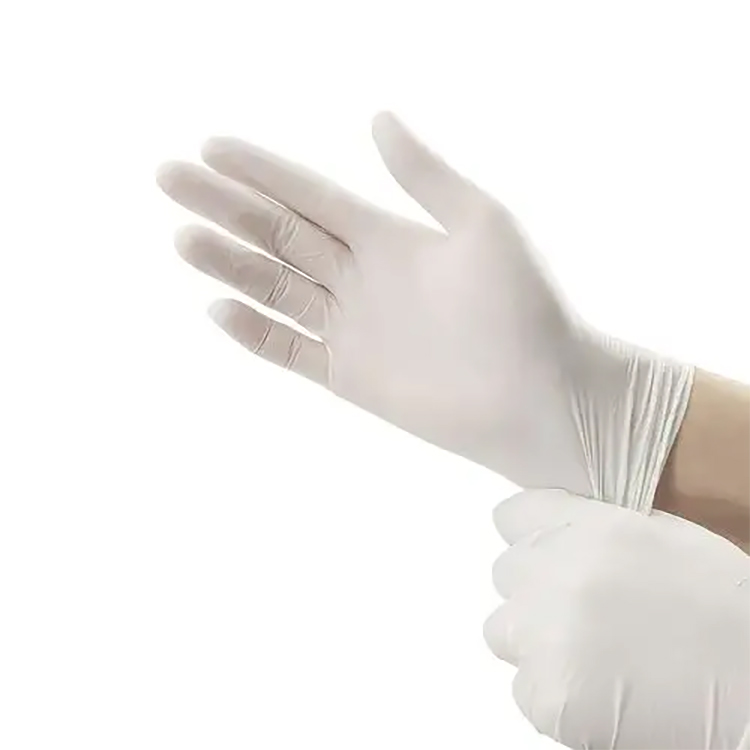
1. Don the Glove: Put on the glove of your calculated size.
2. Make a Fist: Close your hand into a firm fist. You should feel the glove stretch, but it should not be painful or cause the material to turn white over the knuckles from extreme tension. Excessive tightness indicates you need a larger size.
3. The Pinch Test: With the glove on, use your opposite hand to pinch the material on the dorsal (back) side of the gloved hand, near the base of the fingers. If you can gather a significant amount of excess material (more than about 1/4 inch or 6mm), the glove is likely too large.
4. Assess Finger Length: The fingertips of the glove should align closely with your own fingertips. Excess material at the tip ("swimming" in the glove) severely reduces tactile sensitivity and precision.
5. Evaluate the Wrist/Cuff: The cuff should sit comfortably at or just below your wrist bone (the ulnar styloid process). It should be secure without digging into the skin.
Mimic clinical motions: pretend to pick up a small instrument, palpate a surface, or type on a keyboard. The glove should allow full range of motion without twisting or pulling excessively.
- Surgery and High-Dexterity Procedures: Surgeons and interventionalists often prefer a very snug, "second-skin" fit for maximum sensitivity. Some may deliberately choose a half-size smaller than their standard exam glove size, provided it does not cause constriction or compromise blood flow.
- Extended Wear (Nursing, Dentistry): For professionals wearing medical gloves for prolonged periods, a fit that avoids constriction is crucial to prevent moisture buildup (which can lead to maceration) and hand fatigue. A perfectly snug fit might be slightly less critical than absolute freedom of movement and comfort over hours.
- Double-Gloving: In surgical or chemotherapy settings, the inner glove should be your perfect standard fit. The outer glove is typically one-half to one full size larger to accommodate it without excessive tension on either layer.
- Material Impact on Fit:
- Latex: Has high elasticity and memory, often conforming closely to the hand's contours for a custom-like feel.
- Nitrile: Also elastic but can have a different rebound quality. Premium nitrile formulations are designed for good conformity. It generally provides a consistent fit and is less likely to relax or become baggy during extended wear compared to latex.
- Vinyl (PVC): Has less inherent stretch and often provides a looser, less form-fitting feel.
Healthcare facilities play a key role in ensuring proper fit:
- Provide a Full Size Range: Stocking cabinets and dispensers with a complete range of sizes (including XS and XL) is essential for inclusivity and safety.
- Offer Multiple Brands: Since fit varies, offering 2-3 vetted brands can help staff find their optimal match.
- Incorporate into Training: Include glove sizing and fit assessment as part of onboarding and annual infection control education.
- Solicit User Feedback: Regularly engage clinical staff on glove preferences and fit issues to guide procurement decisions toward products that enhance, rather than hinder, their work.
Sizing medical gloves correctly is a deliberate, evidence-based practice that merges simple measurement with practical assessment. It is not a passive act of grabbing the nearest box but an active decision that impacts the safety of both the healthcare worker and the patient. In the realm of medical visualization, where a clinician's hands are the direct conduits for operating sophisticated scopes and image processors, a perfectly fitted medical glove is an indispensable tool that protects without impeding. It preserves the delicate tactile sense necessary to feel tissue resistance, manipulate tiny controls, and provide gentle patient care. By investing the time to measure, test, and select the right size—and by institutions committing to provide the necessary options—we uphold a fundamental standard of clinical excellence. Ultimately, the humble medical glove, when correctly sized, becomes a powerful enabler of safe, precise, and compassionate healthcare delivery.

The most reliable method is a two-step process: First, measure your hand circumference across the knuckles of your dominant hand and consult the specific manufacturer's size chart. Second, and most importantly, perform a practical fit test with a sample glove from that brand. The "fist and pinch" test provides immediate feedback on tightness and excess material that a measurement alone cannot.
This depends on the intended use and material. For procedures requiring maximum dexterity and tactile sensitivity (e.g., surgery, catheter insertion), sizing down for a snugger fit is often preferred, provided it does not cause constriction, numbness, or excessive tension. For extended wear where comfort is prioritized (e.g., long nursing shifts), sizing up may be better. The fit test is your guide—if in doubt between two sizes, the larger one is usually the safer choice to avoid compromised circulation.
This is a classic sign that the medical gloves are too small. Numbness or a cold sensation indicates that the glove is constricting blood flow to the fingers. This is not only uncomfortable but reduces fine motor control and can pose a health risk with prolonged use. You should immediately switch to a larger size.
Latex gloves, due to their superior elasticity, often feel like they "mold" to the hand, providing a very close, conforming fit with excellent tactile feedback. Nitrile gloves are also elastic but can have a slightly different, more consistent "snap-back." A nitrile glove in the same nominal size as a latex glove may feel initially slightly less form-fitting but will generally maintain its shape without relaxing as much during long procedures. Always test the specific material you will be using.
First, provide specific, constructive feedback to your procurement or safety officer. Explain *how* the fit impacts your work (e.g., "The fingertips are too long, reducing my feel for sutures"). If the misfit poses a safety risk (frequent tears, loss of dexterity during critical tasks), formally request an exception to order a different size or a small quantity of an alternative brand that fits you properly. Advocate for your safety and your patients' safety.
[1] https://www.fda.gov/medical-devices/personal-protective-equipment-infection-control/gloves
[2] https://www.astm.org/d3577-19.html
[3] https://www.cdc.gov/niosh/npptl/gloves.html


