
Views: 222 Author: Lake Publish Time: 2025-12-30 Origin: Site


Content Menu
● Understanding Your Needs Before You Buy
● Primary Purchasing Channels for Isolation Gowns
>> 1. Major Medical and Dental Supply Distributors
>> 2. Direct from Manufacturers or Their Authorized Distributors
>> 3. Online Marketplaces and B2B E-commerce Platforms
>> 4. Specialized Industrial and Safety Suppliers
>> 5. Group Purchasing Organizations (GPOs)
● Key Factors to Evaluate When Choosing a Supplier
● Frequently Asked Questions (FAQ)
>> 1. What is the minimum order quantity (MOQ) when buying isolation gowns?
>> 3. Are isolation gowns from online marketplaces like Amazon safe for use in a medical clinic?
>> 4. What is the price range for disposable isolation gowns?
>> 5. Can I get custom-branded or private-label isolation gowns?
The isolation gown is a critical component of personal protective equipment (PPE) in healthcare, infection control, and numerous other industries. Whether for use in a hospital, dental clinic, laboratory, or even in certain commercial settings, sourcing reliable isolation gowns is essential for safety and compliance. The question "Where can I buy isolation gowns?" has become increasingly common, especially in light of global health events that highlighted supply chain vulnerabilities. This comprehensive guide explores the diverse purchasing channels available, from large-scale medical distributors to direct manufacturers and online platforms. It will equip procurement officers, facility managers, and business owners with the knowledge to make informed purchasing decisions based on volume, urgency, quality requirements, and budget.
For a company involved in medical device OEM services, understanding this procurement landscape is also insightful, as it reflects the broader market dynamics for single-use medical supplies and the channels through which our partners may distribute their finished products.
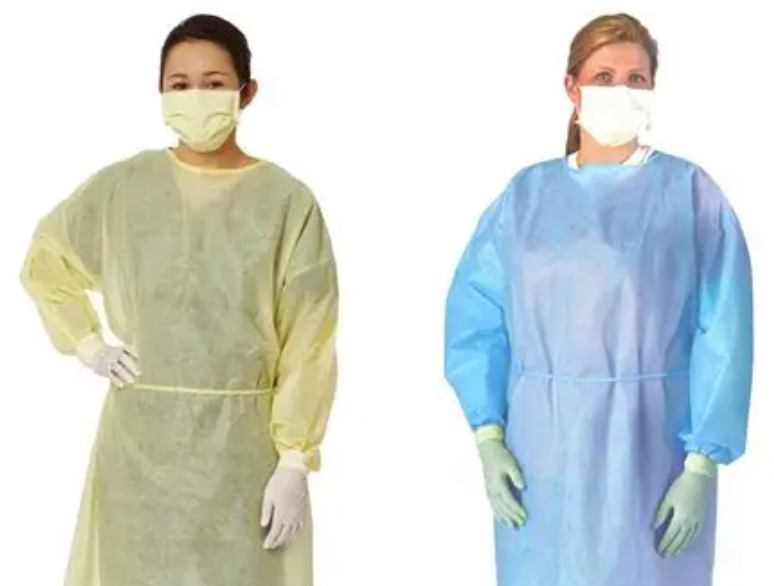
Before searching for a supplier, clearly define your requirements. This will narrow down your options and ensure you procure the right product.
- Volume: Are you buying a small box for occasional use, a monthly supply for a clinic, or a container-load for a hospital network?
- Level of Protection: Determine the required barrier level based on the ANSI/AAMI PB70 standard (Level 1 to Level 4). Level 1 is for minimal risk, while Level 4 is for high fluid exposure situations.
- Type: Disposable (non-woven) or reusable (woven fabric)? Disposable isolation gowns are common for single-use assurance, while reusable ones require laundering infrastructure.
- Compliance: Must the gowns meet specific regulatory standards (e.g., FDA 510(k) clearance, CE marking, ISO 13485)?
- Budget: Balance unit cost against total cost of ownership (including shipping, storage, and for reusables, laundering).
This is the most common and reliable channel for healthcare facilities in North America and Europe.
- Global Giants: Companies like Medline Industries, Cardinal Health, Owens & Minor, and Henry Schein (for dental/medical) are dominant players. They offer vast catalogs featuring multiple brands and tiers of isolation gowns.
- How it Works: You establish an account, often with negotiated pricing based on volume commitments. Orders are placed through sales reps or online portals, and products are shipped from regional warehouses.
Advantages:
- Reliability and Scale: Consistent supply, even for large orders.
- One-Stop Shop: Can source gowns alongside all other medical consumables.
- Regulatory Assurance: Products are vetted for compliance.
- Value-Added Services: Inventory management, consignment programs, and procurement software integration.
- Best For: Hospitals, large clinics, dental practices, and long-term care facilities requiring a steady, reliable supply.
Buying directly from the source can be advantageous for high-volume buyers or those seeking specific brands.
- Manufacturers: Companies like 3M, DuPont (Tyvek), Halyard Health, Prestige Ameritech, and many others produce isolation gowns. They often sell directly to large healthcare systems or government entities.
- Authorized Distributors: Many manufacturers sell through exclusive or selective distribution networks. You buy the manufacturer's brand, but through a local or regional distributor who holds the rights.
Advantages:
- Potential Cost Savings: For very high volumes, prices may be lower by cutting out intermediaries.
- Direct Technical Support: Access to product specifications and compliance documentation.
- Customization: For huge orders, some manufacturers may offer private labeling or minor custom features.
- Best For: Group Purchasing Organizations (GPOs), large hospital chains, government procurement agencies, and businesses with very high, predictable demand.
The digital transformation has created robust online channels for purchasing PPE.
- B2B Medical Platforms: Websites like Medline.com, McKesson.com, and HenrySchein.com have extensive e-commerce platforms for registered businesses.
- General B2B Marketplaces: Alibaba.com and Global Sources connect international buyers with manufacturers, primarily in Asia. This is a major channel for importers and wholesalers.
- Online Medical Retailers: Sites like Gemplers, Uline (for industrial/cleanroom), MedicalMonks, and Amazon Business cater to smaller businesses, clinics, and even individuals.
Advantages:
- Convenience and Speed: Easy price comparison, user reviews, and quick online ordering.
- Accessibility: Good for small to medium orders and urgent replenishment.
- Broad Selection: Access to a wide range of brands and suppliers globally.
Cautions & Considerations:
- Verify Authenticity and Compliance: Be wary of counterfeit products. Ensure the seller provides valid FDA/CE certificates and product specifications.
- Check Supply Chain: Understand shipping times and costs, especially for international orders.
- Scalability: May not be suitable for securing large, long-term contracts.
For non-medical applications (e.g., cleanrooms, laboratories, food processing, painting), specialized suppliers are appropriate.
- Examples: Grainger, Fisher Scientific, Uline, Cintas.
- Focus: These suppliers offer isolation gowns designed for specific industrial standards (e.g., ISO Class cleanrooms, chemical splash protection) rather than medical AAMI levels. They are ideal for manufacturing, research labs, and janitorial services.
Most hospitals and many clinics belong to a GPO. These organizations negotiate discounted, contracted pricing with distributors and manufacturers on behalf of their members.
- Process: The facility must purchase contracted items (including specific isolation gown brands/models) through the GPO's designated distributor to access the pre-negotiated price.
- Advantage: Significant cost savings through aggregated purchasing power.
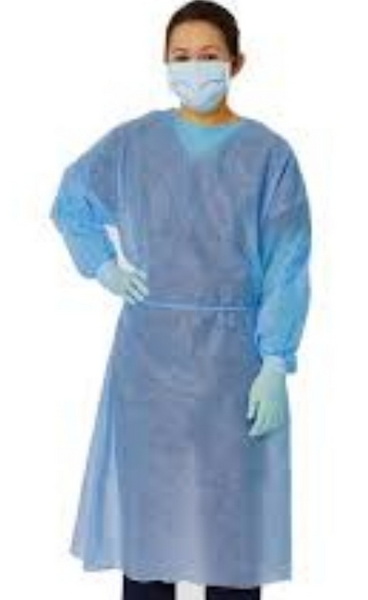
1. Product Quality and Certification: Request and review the ANSI/AAMI PB70 level certification and regulatory compliance documents (FDA Establishment Registration, CE Certificate). For reusable gowns, ask about the maximum launderings validated.
2. Supply Chain Reliability: Can the supplier meet your delivery timelines consistently? Do they have multiple distribution centers? What is their lead time?
3. Responsiveness and Customer Service: Are they easy to contact? Do they provide sample for evaluation? How do they handle returns or defective products?
4. Total Cost: Compare not just the unit price, but also shipping costs, any membership fees, and minimum order quantities (MOQs).
5. Ethical and Sustainable Sourcing: Increasingly, buyers are interested in suppliers' labor practices and environmental policies (e.g., recycled content, biodegradability).
The marketplace for isolation gowns is diverse, offering multiple pathways to procurement tailored to different needs. For most established healthcare facilities, established medical distributors provide the optimal blend of reliability, compliance, and service. For bulk buyers or those with very specific requirements, engaging directly with manufacturers or their core distributors is strategic. The online marketplace offers unparalleled convenience and access, particularly for smaller buyers or urgent needs, but demands due diligence to ensure product quality and authenticity.
Ultimately, where you buy isolation gowns should be a strategic decision based on a clear assessment of your protective needs, operational volume, and risk tolerance. By understanding the strengths and limitations of each channel and rigorously vetting potential suppliers for quality and reliability, organizations can secure a stable supply of this essential protective equipment, ensuring the safety of their staff and patients while maintaining operational efficiency.
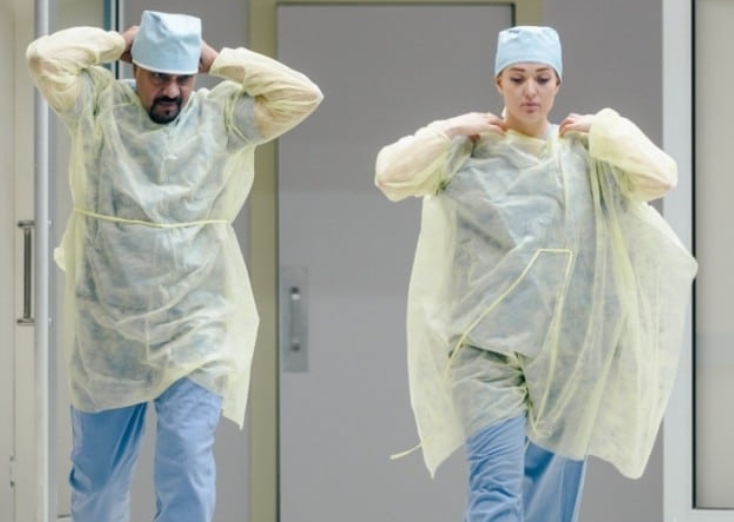
MOQs vary dramatically by channel. Online retailers may have no MOQ or a small one (e.g., 1 box). Medical distributors often have modest MOQs for standard items. Direct manufacturers or wholesale importers typically have high MOQs, often starting at 1,000 gowns per style/size and can range to a full container load (which may contain hundreds of thousands of gowns). Always ask the supplier for their specific MOQ.
Always request a product sample and the technical data sheet (TDS) or certification from the supplier. The TDS should state the verified AAMI PB70 Level (e.g., Level 3) and reference the test methods used. For significant purchases, consider using a third-party inspection service to test samples from a production batch for liquid barrier integrity (ASTM F1670/F1671) before shipment is approved.
They can be, but you must be a highly discerning buyer. Only purchase from sellers that are verified as the brand owner or an authorized distributor. Scrutinize product listings for explicit mention of FDA registration and AAMI level certifications. Read reviews carefully and avoid listings with prices that seem too good to be true, as they may indicate counterfeit or substandard products. For critical medical use, established medical distributors are a lower-risk choice.
Price is highly dependent on protection level, material, brand, and order volume. As a rough guide:
- Level 1 Gowns: $0.50 - $1.50 per gown.
- Level 2 Gowns: $1.00 - $2.50 per gown.
- Level 3 Gowns: $2.00 - $5.00+ per gown.
- Level 4 (Surgical) Gowns: $5.00 - $15.00+ per gown.
High-volume contracts through GPOs or direct manufacturers will be at the lower end of these ranges.
Yes, but typically only through direct manufacturers and for very large order volumes (often 50,000 to 100,000+ units). Customization can include printing your logo, selecting specific colors, and designing custom packaging. The MOQ and upfront costs for creating custom printing plates or packaging molds are significant, making this option viable only for large distributors, franchise chains, or very large healthcare systems.
[1] https://www.fda.gov/medical-devices/personal-protective-equipment-infection-control/medical-gowns
[2] https://www.cdc.gov/niosh/npptl/topics/protectiveclothing/default.html
[3] https://www.ansi.org
[4] https://www.medline.com


