


Content Menu
● Introduction: The Essential Barrier
● Materials and Types of Medical Gloves
>> 1. Natural Rubber Latex (NRL) Gloves
>> 2. Nitrile Gloves (Acrylonitrile-Butadiene Rubber)
>> 3. Vinyl Gloves (Polyvinyl Chloride - PVC)
>> 4. Other Specialty Materials
● Classification: Examination vs. Surgical Gloves
● Standards, Testing, and Regulatory Oversight
● The Critical Role in Infection Control and Safety
● Medical Gloves in the Context of OEM and Medical Visualization
● Challenges and Future Trends
● Frequently Asked Questions (FAQ)
>> 1. What is the main difference between nitrile and latex medical gloves?
>> 2. Can medical gloves be reused or washed?
>> 3.How do I choose the right size and type of medical glove?
>> 4. Why is hand hygiene still necessary when wearing gloves?
>> 5. Are there environmentally friendly alternatives to standard disposable gloves?
In the intricate world of modern healthcare, protection is a dual imperative: protecting the patient and protecting the provider. These seemingly simple items are, in fact, a critical first line of defense in infection control, forming a protective shield that enables the safe use of sophisticated equipment. This article delves into the composition, types, standards, and pivotal role of medical gloves in contemporary medicine.

Medical gloves are disposable coverings worn on the hands during medical examinations and procedures. Their primary purpose is twofold: to create a barrier that prevents the transmission of microorganisms between healthcare workers and patients (cross-contamination), and to protect the wearer from exposure to blood, bodily fluids, and hazardous chemicals. The ubiquity of medical gloves in every clinical setting, from routine check-ups to complex surgeries performed with video laryngoscopes and endoscope systems, underscores their non-negotiable role in aseptic technique and occupational safety. Their evolution mirrors the advancement of medicine itself, transitioning from reusable cloth to sophisticated, single-use engineered barriers made from various polymers.
The performance, comfort, and suitability of medical gloves are fundamentally determined by their material composition. The three primary types dominate the market:
Derived from the sap of the Hevea brasiliensis rubber tree, natural rubber latex was the longstanding standard for medical gloves.
- Properties: They offer excellent elasticity, tactile sensitivity, fit, and durable barrier protection. Their high level of dexterity is particularly valued in intricate surgical procedures, including those assisted by our medical image processors and visual flexible laryngoscopes, where fine motor control is paramount.
- Challenge: The major drawback is the potential for Type I hypersensitivity (allergic reactions) to latex proteins. Reactions can range from mild skin irritation to life-threatening anaphylaxis. This has driven the development and adoption of non-latex alternatives.
Nitrile gloves are the most popular latex-free alternative, synthesized from petroleum-based copolymers.
- Properties: They provide superior puncture and chemical resistance compared to latex and vinyl, making them ideal for high-risk exposure scenarios. They are highly resistant to oils, fats, and many hydrocarbons. Nitrile offers good tactile sensitivity and is less elastic than latex but has become the material of choice for examination and many procedural gloves in hospitals, clinics, and medical device reprocessing areas.
- Advantage: Being free from natural latex proteins, they eliminate the risk of latex allergies. Their durability is a key asset when handling sharp instruments or contaminated medical visualization equipment.
Vinyl gloves are made from PVC, a petroleum-derived film softened with plasticizers.
- Properties: They are the most cost-effective option and are adequate for minimal-risk, short-duration tasks with low exposure probability, such as basic patient care or handling non-hazardous materials.
- Limitations: Vinyl offers lower elasticity, poorer fit, and significantly reduced barrier integrity against viruses and chemicals compared to latex and nitrile. They are more prone to tearing and are generally not recommended for surgical use or procedures involving sharp instruments or high-risk bodily fluids.
- Neoprene and Isoprene: Synthetic materials that closely mimic the feel and performance of latex without the allergenic proteins, often used in surgical settings.
- Polyethylene: Very thin, loose-fitting gloves used primarily in food service or very low-risk, non-medical tasks.
Medical gloves are regulated and classified based on their intended use:
- Examination Gloves: These are non-sterile or sterile gloves used for patient examinations, non-surgical procedures, and handling contaminated materials. They are subject to less stringent FDA regulations (Class I device) but must meet certain performance standards for barrier integrity. They are the workhorse gloves in clinics, emergency rooms, and dental offices, and are essential when setting up or cleaning bronchoscopy workstations and endoscope systems.
- Surgical Gloves: These are sterile, higher-precision gloves regulated as Class II medical devices. They undergo more rigorous testing for leaks, physical properties (tension, elongation), and sterility assurance. They are designed for optimal fit, sensitivity, and durability during invasive surgical procedures. The donning of surgical gloves is a key component of maintaining the sterile field, whether in traditional surgery or in minimally invasive procedures guided by our disposable ureteroscopes and medical image processors.

To ensure reliability, medical gloves must conform to international quality standards. Key tests include:
- Leak Test (AQL): The Acceptable Quality Level test involves filling gloves with 1000ml of water and visually inspecting for leaks. AQL defines the maximum number of defective gloves allowed per batch (e.g., AQL 1.5 for surgical gloves is stricter than AQL 2.5 for examination gloves).
- Physical Dimensions: Testing for thickness, length, and dimensions.
- Tensile Strength and Ultimate Elongation: Measures the force required to break the material and how much it can stretch, indicating durability.
- Powder and Protein Content: Limits are set for residual powder (now largely phased out) and, for latex gloves, extractable protein levels to minimize allergy risks.
Major regulatory bodies include the U.S. Food and Drug Administration (FDA), the European Union (which requires CE marking under the Medical Device Regulation - MDR), and standards organizations like ASTM International.
Medical gloves are a cornerstone of Standard Precautions, a foundational infection control concept.
- Protecting the Patient: They prevent the transfer of microorganisms from the healthcare worker's hands to the patient's sterile site or mucous membranes, crucial during catheter insertion, wound dressing, or any manipulation involving our visual flexible laryngoscopes.
- Protecting the Healthcare Worker: They act as a primary barrier against bloodborne pathogens (e.g., HIV, Hepatitis B and C) and other infectious agents. This is especially vital when handling soiled medical visualization equipment post-procedure or during disinfection.
- Proper Use is Key: Gloves are not a substitute for hand hygiene. Hands must be washed or sanitized before donning and immediately after removing gloves. The concept of "medical gloves" also implies correct donning/doffing technique to avoid self-contamination, consistent with protocols for wearing isolation gowns and other PPE.
As an OEM provider for global brands, we view medical gloves as an integral, complementary component to the devices we manufacture. The ecosystem of a safe procedure is holistic:
1. Procedure Preparation: Staff don appropriate medical gloves (often nitrile for durability) to unpack, inspect, and connect sterile components of an endoscope system or video laryngoscope to its medical image processor.
2. During the Procedure: The clinician uses sterile surgical gloves to maintain asepsis while manipulating the disposable ureteroscope or bronchoscope. The glove's tactile sensitivity directly impacts the clinician's ability to navigate anatomy smoothly using the visual feedback from our systems.
3. Post-Procedure and Reprocessing: Soiled devices are handled with heavy-duty utility gloves (a subtype of medical gloves) during point-of-care cleaning before being transported for high-level disinfection, protecting staff from bioburden.
- Supply Chain and Sustainability: Global demand fluctuations, as seen during the COVID-19 pandemic, highlight supply chain vulnerabilities. Environmental concerns regarding the disposal of single-use, non-biodegradable gloves are driving research into biodegradable materials (e.g., from modified plant starches) and recycling initiatives.
- Innovation: Developments include gloves with enhanced sensorimotor feedback for robotic surgery, antimicrobial coatings to reduce pathogen transfer in case of micro-perforations, and improved donning properties with low-modulus materials for better comfort without sacrificing strength.
Medical gloves are far more than simple hand coverings; they are a sophisticated, essential medical device engineered from materials like nitrile, latex, and vinyl to provide specific levels of protection, dexterity, and comfort. Their classification into examination and surgical types, governed by stringent international standards, ensures they meet the risk demands of everything from a routine check-up to a complex image-guided intervention. In the interconnected world of healthcare delivery—where advanced medical visualization tools like those we provide illuminate the path for diagnosis and treatment—medical gloves remain the indispensable, first-point-of-contact barrier that safeguards the entire process. Their continued evolution in material science and sustainability will parallel the innovations in the devices they help operate safely.
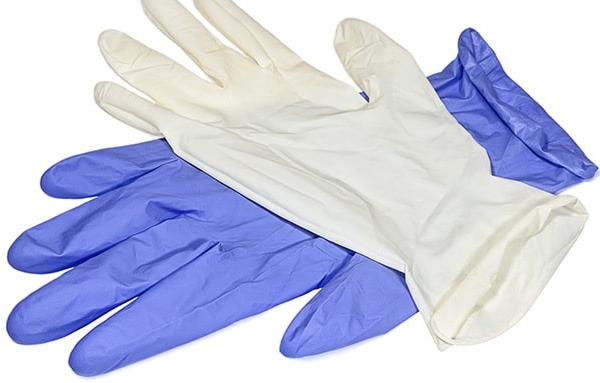
The core difference lies in material and allergenicity. Nitrile gloves are synthetic, made from acrylonitrile-butadiene rubber, offering excellent puncture and chemical resistance with no risk of latex protein allergies. Latex gloves, made from natural rubber, provide superior elasticity and tactile sensitivity but can cause allergic reactions in some individuals. Nitrile has largely become the standard for examination use due to its durability and hypoallergenic properties.
No, medical gloves are designed and regulated as single-use, disposable devices. Reusing or washing them compromises their structural integrity, creates micro-tears invisible to the naked eye, and utterly defeats their purpose as a hygienic barrier. This practice dramatically increases the risk of cross-contamination and infection transmission.
Choosing the correct medical gloves involves assessing risk and fit:
- Type: Use nitrile for general examination and procedures with exposure risk; sterile surgical gloves (latex, nitrile, or neoprene) for aseptic procedures; vinyl only for very brief, minimal-risk tasks.
- Size: Measure the circumference of your dominant hand just below the knuckles. Compare to the manufacturer's sizing chart. A proper fit is snug but not constricting, with no excess material at the fingertips, which is crucial for operating delicate medical visualization equipment.
Medical gloves are not a substitute for handwashing. Hands can become contaminated during glove removal (doffing). Furthermore, microbes can multiply on hands inside gloves, especially if worn for extended periods. The standard protocol is to perform hand hygiene (wash with soap/water or use alcohol-based rub) before donning gloves and immediately after removing them to break any potential chain of contamination.
The industry is actively researching sustainable solutions. Current and emerging options include:
- Gloves made from biodegradable polymers, such as those derived from modified corn or tapioca starch, which break down faster in specific industrial composting conditions.
- Gloves with reduced environmental impact through cleaner manufacturing processes.
- Recycling pilot programs for non-contaminated nitrile gloves.
However, performance, cost, and regulatory approval for medical use remain significant challenges for widespread adoption of these alternatives.


