
Views: 222 Author: Lake Publish Time: 2026-01-03 Origin: Site


Content Menu
● The Fundamental Role of Medical Gloves
● Guiding Principles: Standard Precautions and Risk Assessment
● Scenarios Where Wearing Medical Gloves is Essential
● Scenarios Where Medical Gloves Are Typically Not Required
● The Risks of Improper or Unnecessary Glove Use
● Integration with Medical Visualization Procedures
● Frequently Asked Questions (FAQ)
>> 1. Is it wrong to not wear gloves when giving a patient a pill?
>> 2. What type of medical gloves should be used for giving a routine vaccine injection?
>> 3. Why is hand hygiene still necessary if I'm about to put on gloves?
>> 4. Should I wear gloves when applying hand sanitizer to a patient's hands?
In the meticulous world of healthcare, the act of administering medication is a fundamental responsibility that carries inherent risks for both the patient and the provider. The question of whether to wear medical gloves during this process is not a matter of universal policy but a nuanced clinical decision grounded in the principles of infection prevention, occupational safety, and risk assessment. As a company deeply involved in the OEM manufacturing of sophisticated medical visualization equipment—such as video laryngoscopes—we understand that procedural safety is built upon layers of precise protocols, including the appropriate use of personal protective equipment (PPE). This article will comprehensively examine the factors that dictate the need for medical gloves during medication administration, drawing on guidelines from leading health authorities and analyzing scenarios ranging from routine oral medication delivery to high-risk hazardous drug handling.
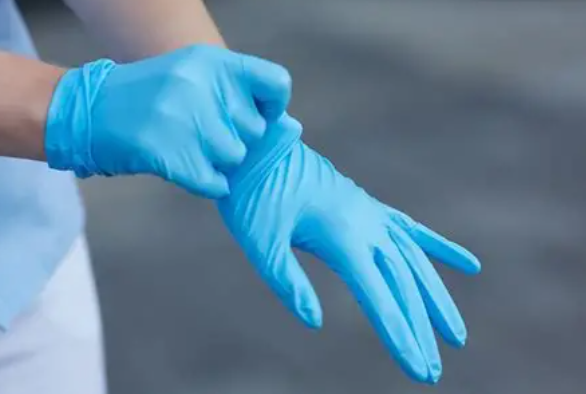
Medical gloves serve as a primary barrier device, designed to achieve two key objectives: to protect the healthcare worker's hands from contamination by blood, body fluids, and hazardous substances, and conversely, to protect the patient from microorganisms transiently present on the worker's skin. It is critical to recognize that medical gloves are a supplement to, not a replacement for, proper hand hygiene. They are single-use items intended for specific tasks where exposure is anticipated, and their misuse can paradoxically increase the risk of cross-contamination.
The Centers for Disease Control and Prevention (CDC) Standard Precautions form the foundation for this decision. Standard Precautions are based on the principle that all blood, body fluids, secretions, excretions (except sweat), non-intact skin, and mucous membranes may contain transmissible infectious agents.
The decision to don medical gloves hinges on a simple, task-based risk assessment: Is there a reasonable anticipation that this specific medication administration task will involve hand contact with a substance covered under Standard Precautions?
The application of this principle creates a clear dichotomy in practice.
In several well-defined situations, wearing medical gloves is not just recommended but mandatory for safety.
1. Parenteral Medication Administration (All Injections)
Any procedure that breaches the skin barrier carries a definitive risk of blood exposure. This includes:
- Intravenous (IV) injections and infusions
- Intramuscular (IM) and subcutaneous (SQ) injections
- Intradermal injections
A new pair of clean (or sterile, as required) medical gloves should be worn. This protects the provider from potential bloodborne pathogen exposure via needlestick or splash and protects the patient from pathogens on the provider's hands during skin antisepsis.
2. Handling and Administering Hazardous Drugs
The administration of cytotoxic chemotherapy agents and other hazardous drugs, as defined by bodies like NIOSH, requires specific PPE protocols. Dermal absorption is a significant occupational risk. For these tasks, double-gloving with medical gloves tested for permeation resistance to the specific drugs being handled is often a mandated safety standard.
3. Contact with Non-Intact Skin or Mucous Membranes
Applying topical medications (ointments, creams) to open wounds, ulcers, or severe rashes necessitates glove use. Similarly, administering medication to mucous membranes—such as eye drops, ear drops, nasal sprays, or vaginal/rectal suppositories—involves direct contact with bodily secretions. Medical gloves are essential to protect the provider.
4. Situations with High Risk of Unplanned Fluid Exposure
When assisting patients who are incontinent, vomiting, diaphoretic (sweating profusely), or have uncontrolled secretions with medication, gloves should be worn prophylactically. The unpredictable nature of these encounters makes the likelihood of contact with urine, feces, vomit, or saliva sufficiently high.
5. During Aseptic Compounding (Pharmacy Preparation)
While not direct patient administration, the sterile preparation of medications (e.g., IV admixtures, ophthalmics) in a pharmacy setting requires sterile medical gloves to maintain product sterility and protect the pharmacist from potent drugs.

Conversely, many routine medication administration tasks do not necessitate glove use when proper technique is followed.
1. Administering Unit-Dose Oral Solid Medications
Handing a patient a cup containing a pre-packaged pill or a sealed unit-dose packet does not normally require gloves. The medication packaging itself acts as an effective barrier. The critical control points are performing hand hygiene before retrieving the medication and after the patient interaction.
2. Scanning or Transporting Medication in Sealed Packaging
Nurses or technicians scanning barcodes on medication boxes or delivering sealed medication cassettes do not need gloves for that specific task, as there is no direct patient contact or exposure to bodily fluids.
3. Providing Verbal or Written Medication Education
Discussing a medication regimen or providing written instructions does not involve exposure risks that would warrant glove use.
The Critical Caveat: Contact Precautions
All the above "no-glove" scenarios are void if the patient is under Contact Precautions for a specific infectious agent (e.g., C. difficile, MRSA, VRE). In isolation scenarios, donning clean medical gloves (and often a gown) is required upon room entry for any patient or environment contact, including handing a medication cup.
Indiscriminate use of medical gloves carries its own set of problems:
- False Sense of Security: Gloves can become contaminated. If a provider touches a clean surface (e.g., a computer keyboard, a medication bottle) with a contaminated gloved hand, cross-contamination occurs. The concept of "clean vs. dirty" must be maintained.
- Skin Damage and Allergies: Prolonged and unnecessary wear, especially of latex gloves, can cause contact dermatitis or trigger latex allergies.
- Environmental Impact and Cost: Excessive use contributes to medical waste and unnecessary expenditure.
- Neglect of Hand Hygiene: The most dangerous misconception is that gloves replace handwashing. Hands must be sanitized before donning and immediately after removing gloves.
In advanced procedural settings, the rules often become more stringent and integrated. Consider a clinician using a video laryngoscope for intubation. During this procedure, medications (e.g., sedatives, paralytics) are administered intravenously. The clinician is in a high-risk zone for splash exposure to oropharyngeal secretions and blood. Here, wearing medical gloves is an unequivocal part of a full PPE ensemble (which may also include a gown, mask, and eye protection), ensuring safety while manipulating both the airway device and the associated medications.
Leading organizations advocate for a thoughtful, risk-based approach:
1. Perform Hand Hygiene before and after every patient contact and before donning/after doffing medical gloves.
2. Wear Gloves when a reasonable anticipation of contact with blood, body fluids, mucous membranes, non-intact skin, or contaminated surfaces exists.
3. Select the Correct Glove for the task (e.g., sterile for aseptic procedures, chemotherapy-rated for hazardous drugs).
4. Change Gloves if torn, heavily contaminated, and between different tasks on the same patient.
5. Never wash or reuse disposable medical gloves.
The question, "Should you wear gloves when administering medication?" is answered by a dynamic risk assessment, not a blanket rule. The decision is dictated by the mode of administration, patient condition, and medication properties—not the medication itself. From the low-risk act of delivering a packaged oral pill, where impeccable hand hygiene is paramount, to the high-risk administration of chemotherapeutic agents, where specialized medical gloves are a critical defense, the goal remains unchanged: to break the chain of infection and prevent occupational harm. In the era of advanced medical visualization and complex care, the judicious use of medical gloves—applied where essential and omitted where not—remains a hallmark of competent, evidence-based, and safe patient care. It is a practice that protects the well-being of both the caregiver and the recipient, ensuring that the healing intent of medication is not compromised by preventable risk.

Not necessarily, provided specific conditions are met. If the pill is in intact, unit-dose packaging (a blister pack or cup), handed to a patient who can self-administer, and the patient is not on Contact Precautions, gloves are not typically required by standard infection control guidelines. However, hand hygiene before and after the interaction is absolutely mandatory. Individual facility policy may be stricter.
For routine intramuscular or subcutaneous vaccinations (e.g., influenza, COVID-19), clean, non-sterile, well-fitting examination gloves (nitrile or latex) are generally sufficient. The critical sterility is maintained by the single-use, sterile needle and syringe. Gloves are worn primarily as a barrier against potential blood exposure during the injection and during the disposal of the sharps.
Hand hygiene before gloving serves two purposes: it protects the patient from organisms on your hands being trapped inside the glove (which can multiply in the warm, moist environment), and it protects you by ensuring your skin is clean if the glove tears or is compromised during use. It is a fundamental step in the sequence.
No, this is not a standard indication for glove use. The purpose is to decontaminate the patient's skin. Performing this task with bare, clean hands (followed immediately by your own hand hygiene) is appropriate. Using gloves would be an unnecessary consumption of resources unless the patient has known infectious secretions on their hands.
It overrides all routine assessments. If a patient is on Contact Precautions, you must don a clean pair of medical gloves (and often a gown) immediately upon entering the patient's room, before any contact with the patient or their environment. This includes simple tasks like delivering a medication cup or placing a pill on the bedside table. The gloves are removed and discarded inside the room before exit to contain pathogens.
[1] https://www.cdc.gov/infectioncontrol/guidelines/isolation/index.html
[2] https://www.cdc.gov/infectioncontrol/basics/standard-precautions.html
[3] https://www.who.int/gpsc/5may/Glove_Use_Information_Leaflet.pdf
[4] https://www.cdc.gov/niosh/topics/hazdrug/default.html
[5] https://www.apsf.org/article/aseptic-technique-and-the-use-of-sterile-gloves/


