


Content Menu
● Understanding Isolation Gowns: Purpose and Standards
● Primary Clinical and Healthcare Users
>> Hospitals and Acute Care Facilities
>> Long-Term Care and Skilled Nursing Facilities
>> Outpatient Clinics and Ambulatory Surgery Centers (ASCs)
● Non-Clinical and Industrial Sector Users
>> Research and Bioscience Laboratories
>> Pharmaceutical and Medical Device Manufacturing
>> Mortuary, Forensic, and Postmortem Services
>> Industrial, Environmental, and Hazardous Material Services
>> Food Processing and Handling
● Selection Criteria: Matching the Gown to the Specific Risk
● The Intersection with Medical Visualization Technology
● Challenges and Future Considerations
● Frequently Asked Questions (FAQ)
>> 1. What is the difference between an isolation gown and a surgical gown?
>> 2. What AAMI Level of isolation gown is required for routine patient care with low fluid exposure?
>> 3. Can isolation gowns be reused?
>> 4. What is the proper sequence for removing (doffing) an isolation gown and gloves?
>> 5. Are there eco-friendly alternatives to traditional disposable isolation gowns?
Within the intricate matrix of modern infection prevention and control, personal protective equipment (PPE) stands as the primary defense against biological hazards. Among these crucial barriers, isolation gowns represent a fundamental and versatile component of safety protocols. These specialized garments are engineered to shield both the wearer and the patient from the transfer of microorganisms, bodily fluids, and particulate matter, extending protection far beyond the confines of hospital isolation units. As a company dedicated to the precision field of medical visualization—providing OEM services for advanced devices such as endoscopy systems and bronchoscopy workstations—we understand that procedural safety is built upon layers of reliable protocols and equipment. This article will comprehensively examine the extensive array of professionals and environments that depend on isolation gowns, detailing the specific applications, standards, and rationales that govern their use across diverse sectors.
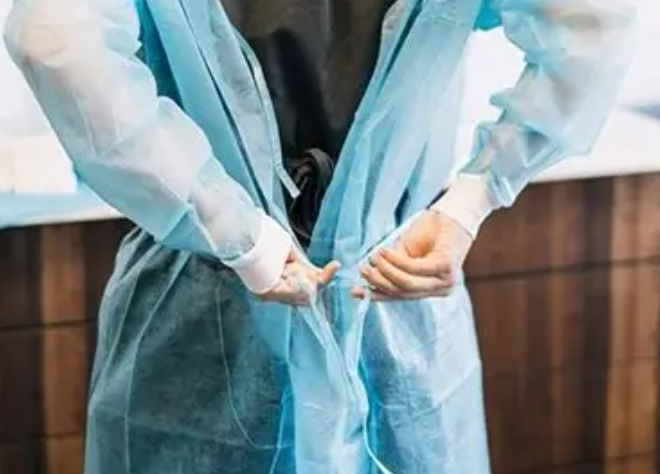
Isolation gowns are disposable or limited-use protective garments designed to cover the wearer's torso, arms, and clothing. Their primary function is to provide a fluid-resistant barrier in situations where contact with blood, bodily fluids, secretions, or excretions is anticipated. Performance is typically categorized using standards like those from the Association for the Advancement of Medical Instrumentation (AAMI), which classifies gowns into four levels (1-4) based on their liquid barrier protection. It is critical to distinguish isolation gowns from surgical gowns: while both offer protection, surgical gowns are sterile and designed for use in sterile operative fields, whereas isolation gowns are primarily for use in non-sterile settings involving isolation precautions or procedures with splash risk.
The most prominent application of isolation gowns is within clinical settings, where they are integral to Standard and Transmission-Based Precautions.
Hospitals represent the core environment for isolation gown use, with applications spanning numerous departments:
- Infection Control and Patient Isolation: The definitive use case. Healthcare personnel don isolation gowns when entering the room of a patient under Contact Precautions (e.g., for MRSA, C. difficile) or Droplet Precautions. The gown is removed upon exit to contain pathogens within the room.
- Emergency and Trauma Departments: The unpredictable nature of emergency care necessitates preemptive use. Isolation gowns serve as a first-line barrier when a patient's infection status is unknown, especially in trauma scenarios or with patients presenting respiratory or gastrointestinal symptoms.
- Procedural and Endoscopic Suites: While sterile surgical gowns are used for open procedures, isolation gowns are commonly employed in less invasive, non-sterile procedural areas. For instance, staff assisting during endoscopy procedures—such as those involving a single-use ureteroscope or flexible laryngoscope—may wear isolation gowns for protection against splashes from irrigation fluids or bodily secretions.
- Laboratories and Pathology Departments: Personnel handling clinical specimens, cultures, or bodily fluids wear isolation gowns to prevent self-contamination and cross-contamination between samples.
Residents in these settings are particularly susceptible to infections. Staff utilize isolation gowns during hands-on care for residents with contagious conditions, during outbreaks of illnesses like influenza or norovirus, and when managing wounds or incontinence involving fluid exposure.
As healthcare delivery increasingly shifts to outpatient models, the use of isolation gowns follows. In clinics and ASCs, they are worn during examinations of patients with potential infections, during minor surgical procedures not requiring a full sterile field, and when administering injections or handling contaminated dressings.
Dental procedures generate significant aerosols and splatter containing saliva and blood. Dentists, hygienists, and assistants wear isolation gowns as a standard component of universal precautions for every patient interaction, protecting their clothing and skin.
Nurses and aides providing care in patients' homes employ isolation gowns when the care plan involves procedures with a risk of fluid exposure, such as changing dressings on infected wounds or managing patients with known communicable diseases. Disposable isolation gowns are a vital part of the mobile caregiver's supplies.
The requirement for fluid-resistant barrier protection extends significantly beyond traditional healthcare, a fact starkly highlighted during public health emergencies.
Biosafety level (BSL) 1 and 2 laboratories in academic, pharmaceutical, and industrial settings use isolation gowns or similar protective apparel to shield researchers from chemical splashes, biological samples, and to protect experiments from human-borne contamination.
In cleanrooms and controlled environments for manufacturing sterile pharmaceuticals, biologics, and medical devices, workers wear specialized isolation gowns (cleanroom gowns). Here, the gown's function is dual: to protect the product from particulate and microbial shedding by the worker, and to protect the worker from process chemicals. This principle of product protection is paramount, akin to the controlled environments needed for assembling sensitive medical image processors or video laryngoscope systems.
Veterinarians, veterinary technicians, and animal handlers use isolation gowns during surgeries, examinations of infectious animals, in quarantine areas, and during necropsies. The principles of zoonotic disease control mirror those in human medicine.
Embalmers, mortuary technicians, and forensic pathologists wear heavy-duty isolation gowns, often with aprons, to guard against exposure to bodily fluids, tissues, and preservation chemicals.
Personnel involved in biohazard cleanup (e.g., crime scene remediation, trauma cleanup), hazardous chemical handling, or high-level disinfection in facilities use isolation gowns as essential PPE for dermal protection against dangerous substances.
In certain high-hygiene segments of food production, particularly with ready-to-eat foods, workers may wear isolation gown-like apparel to prevent product contamination. These are typically governed by Good Manufacturing Practice (GMP) standards rather than medical AAMI standards.
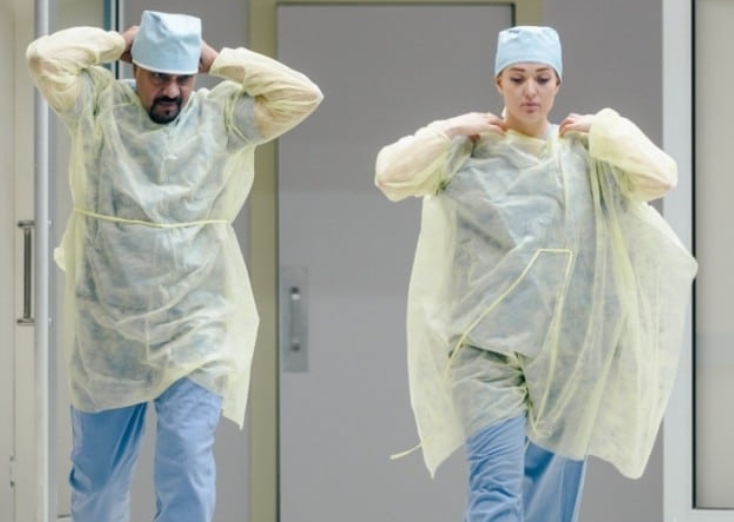
Selecting the appropriate isolation gown is a critical, risk-based decision influenced by several factors:
1. AAMI Barrier Level: Level 1 (minimal risk) to Level 4 (high risk, for pathogen resistance or large fluid volumes).
2. Task and Anticipated Exposure: The expected type and volume of fluid contact dictates the necessary protection level.
3. Coverage and Design: Full-back vs. open-back designs, sleeve construction, and cuff integrity must suit the task's demands.
4. Comfort and Ergonomic Fit: For lengthy procedures, such as those performed at a bronchoscopy workstation, breathability and range of motion are vital for clinician endurance and performance.
In high-tech procedural settings, isolation gowns serve a vital supportive role. Consider an interventional bronchoscopy or a complex ureteroscopic procedure. The clinician's focus is on the high-definition monitor of the medical image processor, but they remain in close proximity to potential splash sources. Wearing an appropriate AAMI Level 3 or 4 isolation gown provides essential protection during scope manipulation, irrigation, and suctioning. This ensures that advanced medical visualization technology can be deployed safely and effectively, supported by a robust infection control framework that safeguards both patient and provider.
The widespread reliance on isolation gowns presents ongoing challenges, including supply chain resilience, the environmental impact of disposable products, cost management, and the absolute necessity of comprehensive training on proper donning and doffing techniques to prevent self-contamination. The future may see increased adoption of reusable, laundered gowns with validated barrier integrity and a greater focus on sustainable material sourcing.
Isolation gowns are a ubiquitous and indispensable element of protective strategy across a remarkably broad spectrum of professions. From the intensive care nurse and the emergency physician to the research scientist, the cleanroom technician, and the veterinary surgeon, these garments provide a critical, fluid-resistant barrier against a wide array of hazards. Their use is guided by a careful assessment of risk, adherence to established performance standards, and integration into workflows where safety is paramount. As technology in fields like medical visualization continues to advance, the foundational need for reliable, high-quality PPE such as isolation gowns remains constant. They operate as a silent, essential partner in enabling safe care, ethical research, and sterile manufacturing. A comprehensive understanding of who uses isolation gowns, and under what circumstances, underscores their vital role in protecting health and safety across global industries.
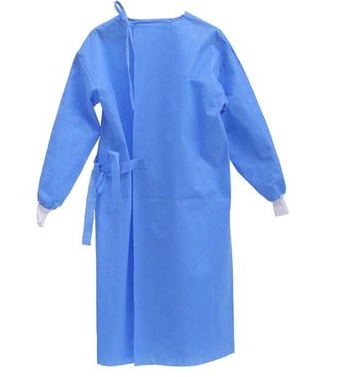
Isolation gowns are designed for use in isolation settings and for procedures with splash risk in non-sterile environments. They provide critical zone coverage (mainly the front and arms) and are rated AAMI Levels 1-4. Surgical gowns are sterile, regulated medical devices intended for use in sterile operative fields (like surgery). They offer more extensive coverage and must meet higher barrier performance standards for both liquid and microbial penetration.
For routine patient care activities with minimal fluid exposure risk (e.g., taking blood pressure, routine exams), an AAMI Level 1 isolation gown is generally sufficient. For tasks with slightly higher potential for spray or splash (e.g., drawing blood), a Level 2 gown is recommended. The specific level should be determined by a site-specific risk assessment.
Most isolation gowns intended for healthcare infection control are designed for single use and should be disposed of after one wearing, particularly when used in isolation scenarios. Reusable gowns made of woven fabrics exist but are less common in clinical settings due to logistical challenges in laundering, reprocessing validation, and potential for wear and tear compromising barrier integrity. They are more frequently utilized in industrial or laboratory contexts.
The correct sequence is crucial to prevent self-contamination. First, remove and dispose of gloves using proper technique (glove-in-glove). Then, untie the gown's neck and waist ties. Peel the gown away from the neck and shoulders, turning it inside out as you pull it off your arms. Roll it into a bundle (contaminated side in) and discard it in the appropriate waste receptacle. Immediately perform hand hygiene after completing the doffing process.
Environmental concerns are driving innovation. Alternatives include isolation gowns made from biodegradable materials (e.g., plant-based polymers) or from recycled content, though these must still meet all required performance standards (AAMI levels). Another approach is the use of validated reusable gown systems, which involve professional laundering and inspection. The choice involves balancing infection control efficacy, total lifecycle environmental impact, and operational feasibility.
[1] https://www.fda.gov/medical-devices/personal-protective-equipment-infection-control/isolation-gowns
[2] https://www.cdc.gov/infectioncontrol/guidelines/isolation/index.html
[3] https://www.aami.org/docs/default-source/standards-library/is-80001-1-2021.pdf
[4] https://www.astm.org/f3352-19.html


