
Views: 222 Author: Lake Publish Time: 2026-01-23 Origin: Site


Content Menu
● Introduction: The Threat of Epiglottitis
● The Direct Answer: Yes, Suspicion Can Be Raised, But Definitive Diagnosis Requires Visualization
● Clinical Signs and Symptoms: The Basis of Suspicion (Seeing Without a Scope)
● The Role of Imaging: An Indirect "View"
● The Definitive Method: Visualization with a Laryngoscope
● The Critical Procedural Protocol: "Do Not Agitate the Airway"
● Differential Diagnosis and the Value of Visualization
● The Connection to Broader Medical Visualization
● Frequently Asked Questions (FAQ)
>> 2. What is the "thumb sign" seen on an X-ray for epiglottitis?
>> 3. Why is a video laryngoscope particularly useful in suspected epiglottitis?
>> 4. Can epiglottitis be treated without intubation?
In the high-stakes realm of airway emergencies, swift and accurate diagnosis is paramount.Our work is dedicated to providing clinicians with clear visual access to anatomy for diagnosis and treatment. A critical and time-sensitive airway condition is epiglottitis, an inflammation of the epiglottis that can rapidly lead to fatal airway obstruction. A crucial diagnostic question arises: Can epiglottitis be identified without the direct visualization provided by a laryngoscope? This article provides a comprehensive, evidence-based analysis of this question, detailing the clinical signs, alternative diagnostic methods, and the indispensable role of controlled visualization with a laryngoscope in confirming and managing this emergency.
Epiglottitis is a life-threatening condition characterized by rapid swelling of the epiglottis and surrounding supraglottic structures (aryepiglottic folds, arytenoids). Historically more common in children due to Haemophilus influenzae type b (Hib) infection, it now also occurs in adults, often from other bacterial, viral, or traumatic causes. The swelling can progress within hours, turning the normally thin, leaf-like epiglottis into a large, cherry-red, obstructive mass that can completely block the airway. Therefore, diagnostic suspicion must be high, and the approach must prioritize airway safety above all else.
The short answer is: You can strongly suspect epiglottitis based on clinical presentation, but you cannot definitively see or confirm it without some form of direct or indirect visualization of the larynx, for which a laryngoscope (in a controlled setting) is the gold standard.
Attempting to directly visualize the oropharynx with a tongue depressor in a cooperative patient with suspected epiglottitis is strongly discouraged in unstable or pediatric cases, as it can provoke gagging, laryngospasm, and complete airway obstruction.
A clinician can "see" the effects of epiglottitis without a laryngoscope through a constellation of classic signs. These findings should trigger immediate concern and a structured emergency response.
Classic Presentation (Often in Children):
- Tripod Position: The patient sits forward, leaning on hands, with chin thrust forward and neck extended to maximize airway patency.
- Drooling/Hypersalivation: Inability to swallow saliva due to severe odynophagia (painful swallowing).
- Stridor: A high-pitched, inspiratory sound indicating turbulent airflow through a narrowed upper airway. This is a late and ominous sign.
- Muffled or "Hot Potato" Voice: The voice sounds thick, as if speaking with a mouthful of hot food.
- High Fever: Often present.
- Severe Sore Throat: Disproportionate to visible pharyngeal inflammation.
- Respiratory Distress: Tachypnea, retractions (use of accessory muscles), anxiety, and cyanosis.
In Adults: Symptoms may be more insidious but include severe sore throat, dysphagia, drooling, and stridor. The absence of classic cough or hoarseness (which are more typical of croup or laryngitis) is a key differentiator.
In a stable patient where the diagnosis is unclear and the risk of provoking obstruction is deemed lower, imaging can provide an indirect view.
- Lateral Soft-Tissue Neck X-ray: This is the classic radiographic study. The patient must be upright. A positive finding shows the "thumb sign"—a thickened, rounded epiglottis—and obliteration of the vallecula. However, a normal X-ray does not rule out epiglottitis, and obtaining it should never delay definitive management in an unstable patient. It is a diagnostic adjunct, not a replacement for controlled visualization.
- CT Scan: May show supraglottic swelling but is rarely indicated due to time, logistics, and the need to lie the patient flat, which is dangerous.
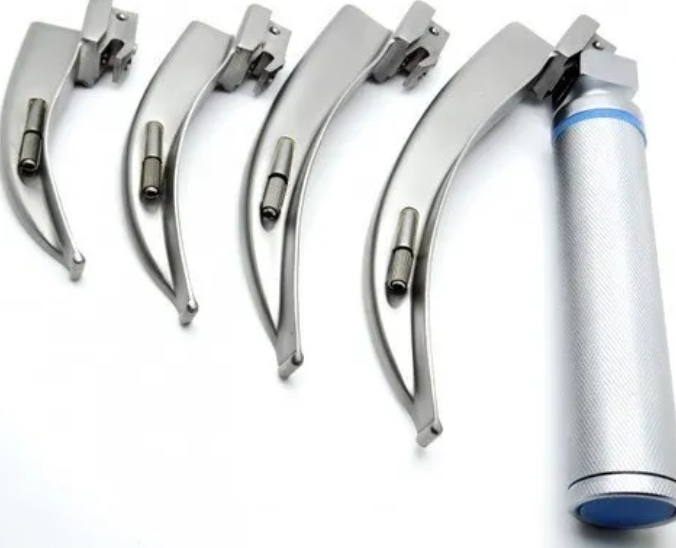
Definitive diagnosis requires seeing the inflamed epiglottis. This is done under controlled conditions, typically in an operating room with an anesthesiologist and surgeon present, prepared for immediate intubation or surgical airway (tracheostomy).
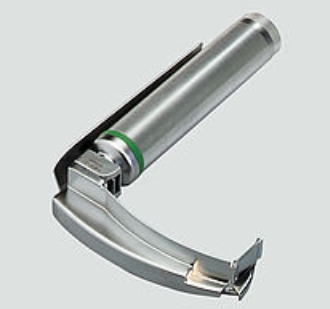
- Direct Laryngoscopy: Using a standard laryngoscope blade (often a Macintosh) to gently lift the tongue and visualize the epiglottis. The classic finding is a cherry-red, swollen, and sometimes edematous epiglottis. This is both diagnostic and often the first step in securing the airway with an endotracheal tube placed under direct vision.
- Flexible Laryngoscopy (Nasopharyngolaryngoscopy): In a cooperative, stable adult, a flexible laryngoscope passed through the nose can provide an excellent view of the supraglottis without provoking gagging as easily as an oral examination. This allows confirmation without general anesthesia. However, this should only be performed by an experienced clinician in a setting where emergency airway backup is immediately available.
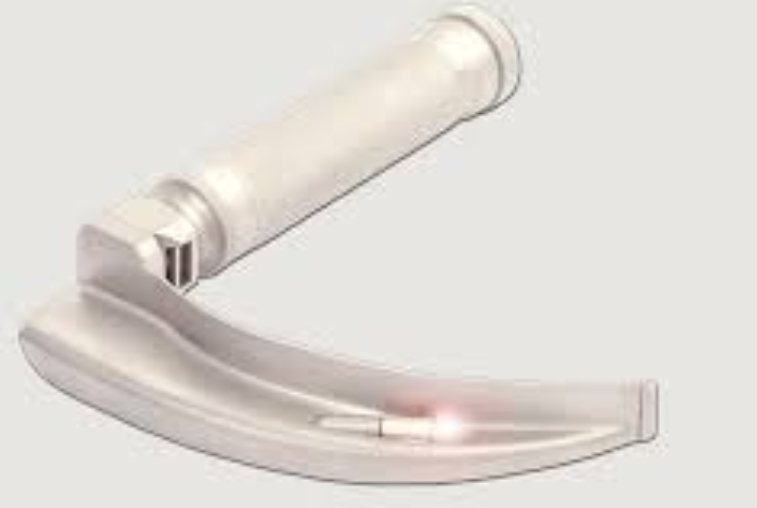
- Video Laryngoscopy: Modern video laryngoscope systems are invaluable in this scenario. They provide a high-resolution, magnified view on a screen, allowing the entire team to see the pathology. Their design, often requiring less mouth opening and providing a better view around the swollen tissues, can facilitate safer intubation. The recorded imagery from the medical image processor is also useful for documentation and teaching.
The paramount rule in managing suspected epiglottitis is to avoid agitating the patient. Any manipulation that causes crying, gagging, or struggling can trigger complete obstruction.
1. Immediate Preparation: The patient is kept calm, sitting upright, and accompanied to the operating room or critical care unit.
2. No Agitating Interventions: No attempts at oral examination, IV placement (if it causes distress), or supine positioning unless absolutely necessary.
3. Controlled Environment: Definitive visualization with a laryngoscope and subsequent intubation are performed under general anesthesia, with the team prepared for a difficult airway and surgical backup.
Several conditions mimic epiglottitis, and a laryngoscope is key to distinguishing them:
- Severe Tonsillitis/Peritonsillar Abscess: Swelling is lateral, not central.
- Laryngotracheobronchitis (Croup): Involves the subglottis, causing a barking cough, and is usually viral. A laryngoscope would show a normal epiglottis but subglottic narrowing.
- Foreign Body Aspiration: Sudden onset, but visualization would reveal the object.
- Angioedema: Rapid swelling but may involve lips and face more diffusely.
Only direct visualization can make this critical differentiation.
The management of epiglottitis exemplifies the hierarchy of visualization in medicine. It begins with the clinician's trained eye observing external signs, may proceed to indirect radiographic imaging in stable cases, and culminates in the definitive, controlled use of a laryngoscope—a tool whose fundamental purpose is shared across our product line, from video laryngoscopes for difficult airways to bronchoscopy workstations for lower airway pathology.
While the ominous clinical signs of epiglottitis—stridor, drooling, tripod positioning—allow a skilled clinician to strongly suspect the diagnosis without a laryngoscope, definitive visualization and confirmation of the cherry-red, swollen epiglottis ultimately require direct examination. This examination must be performed with a laryngoscope under the safest possible conditions, typically in an operating room with a full airway team. Attempting to "see" the epiglottis with a tongue depressor in an unstable patient is dangerous and contraindicated. Imaging can support the diagnosis in stable patients but is not definitive. Therefore, the laryngoscope remains the critical tool for both confirming epiglottitis and for securing the airway during its management. This underscores a vital principle in critical care: clinical acumen raises the alarm, but controlled, direct visualization with the appropriate technology provides the certainty needed to execute life-saving intervention. In airway emergencies, seeing is not just believing—it is the foundation of safe and effective action.
Contact us to get more information!
In an unstable child or adult showing signs of severe respiratory distress (stridor, drooling), it is generally UNSAFE and STRONGLY DISCOURAGED. This maneuver can provoke gagging, coughing, or agitation, which may cause the swollen epiglottis to completely block the airway. Examination should only occur in a controlled setting like an operating room where emergency intubation can be performed immediately. In a stable, cooperative adult, a very cautious examination may be considered.
The "thumb sign" is a classic finding on a lateral soft-tissue neck X-ray. It refers to the appearance of a swollen, rounded epiglottis that resembles a thumb protruding into the airway, rather than its normal thin, curved shape. Along with the loss of the clear air-filled space of the vallecula, this sign strongly suggests epiglottitis. However, its absence does not rule out the condition.
A video laryngoscope is extremely valuable because:
- Superior View: It provides a high-resolution, magnified view on a screen, often offering a better look at the swollen supraglottic structures without needing to align the oral, pharyngeal, and tracheal axes perfectly.
- Shared Visualization: The entire team (anesthesiologist, surgeon, nurses) can see the anatomy simultaneously, aiding in planning and execution of intubation.
- Reduced Maneuvering: It often requires less force and mouth opening, which is safer in an already compromised and irritable airway.
- Documentation: The procedure can be recorded via the medical image processor for records and training.
In very mild, early cases in adults who are monitored closely in an ICU setting, treatment with intravenous antibiotics, steroids, and careful observation *without* immediate intubation may be attempted. However, for any patient with signs of airway compromise (stridor, respiratory distress, drooling), securing the airway with endotracheal intubation in a controlled setting is the standard and safest course of action. The airway can swell shut rapidly, and it is safer to have a secure tube in place.
The main mimic is croup (laryngotracheobronchitis). Both can cause stridor. A laryngoscope provides the definitive distinction:
- Epiglottitis: The laryngoscope reveals a cherry-red, swollen epiglottis and supraglottic structures.
- Croup: The laryngoscope shows a normal epiglottis but inflammation and narrowing in the subglottic region (just below the vocal cords). This visualization is crucial for guiding correct treatment.
[1] https://www.ncbi.nlm.nih.gov/books/NBK430960/
[2] https://www.cdc.gov/hi-disease/index.html
[3] https://www.uptodate.com/contents/epiglottitis
[4] https://www.rch.org.au/clinicalguide/guideline_index/Epiglottitis/
[5] https://www.aafp.org/pubs/afp/issues/2018/0201/p169.html


