


Content Menu
● The Supply Chain Hierarchy: From Production to End-User
● Tier 1: Manufacturers and Direct OEM Suppliers
● Tier 2: Medical-Surgical Distributors and Wholesalers
● Tier 3: Online Retailers, Industrial Suppliers, and Cash-and-Carry Stores
● Tier 4: Specialized and Government Channels
● Critical Considerations When Choosing a Seller
● The Intersection with Medical Device OEM Partnerships
● Market Dynamics and Future Trends
● Frequently Asked Questions (FAQ)
>> 2. Can I buy isolation gowns directly from the factory?
>> 3. How can I verify if the isolation gowns I'm buying are FDA-approved?
>> 4. What does "AAMI Level 3" mean, and why is it important when purchasing?
>> 5. Are there "generic" or private-label isolation gowns, and are they as good as brand-name ones?
In the intricate landscape of healthcare procurement and infection control, sourcing reliable personal protective equipment (PPE) is a fundamental operational necessity. Isolation gowns, a critical barrier against fluid and microbial transmission, are required by a vast array of end-users, from large hospital systems to outpatient clinics and industrial facilities. The question "Who sells isolation gowns?" opens a complex supply chain ecosystem with multiple tiers of distributors, manufacturers, and retailers, each catering to different volumes, quality standards, and procurement needs. For companies like ours, operating in the specialized OEM market for medical visualization devices such as endoscopy systems and bronchoscopy workstations, understanding supply chains is intrinsic to our business. This article provides a detailed map of the marketplace for isolation gowns, examining the key players, from global manufacturers and medical distributors to online retailers and specialized wholesalers, while highlighting the critical considerations for making informed purchasing decisions.
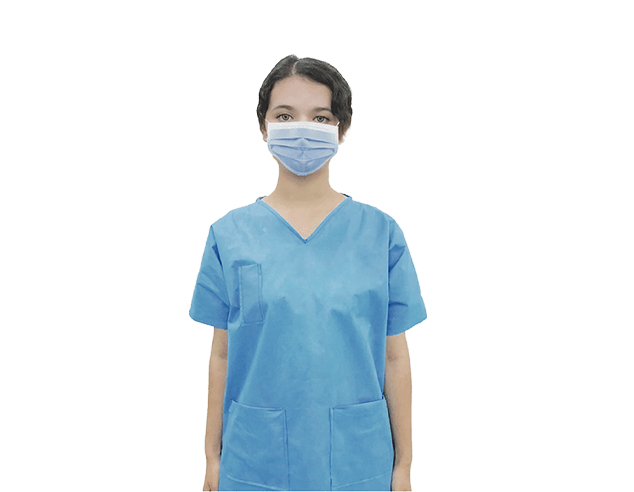
The journey of an isolation gown from factory to front-line user involves several distinct types of sellers, each adding value through scale, logistics, certification, or market access. The choice of supplier depends heavily on the buyer's volume requirements, urgency, quality specifications, and procurement capabilities.
At the origin of the supply chain are the manufacturers. These entities produce isolation gowns and are the primary source for the highest-volume purchasers.
- Global Medical Device Manufacturers: Large, established corporations with integrated R&D, manufacturing, and global regulatory expertise. They produce isolation gowns under well-known brand names, often with full portfolios of PPE. These companies sell directly to national governments and giant healthcare group purchasing organizations (GPOs) via massive, long-term contracts. They also supply Tier 2 distributors.
- Specialized PPE/Nonwoven Fabric Manufacturers: Companies that focus specifically on disposables like isolation gowns, drapes, and other nonwoven medical textiles. They may be based in major manufacturing regions and operate both as contract manufacturers for other brands and under their own labels.
- Original Equipment Manufacturer (OEM) / Contract Manufacturers: This category is highly relevant to our own business model. These manufacturers produce isolation gowns to be sold under another company's brand name (private label). A distributor or a large healthcare system might contract with an OEM to produce gowns meeting specific specifications (e.g., a particular AAMI level, material, or design), which are then sold under the distributor's or hospital system's private label. This allows buyers to control specifications and potentially reduce costs, but requires robust quality auditing.
Key Buyer Profile for Tier 1: National health ministries, international relief organizations, large integrated delivery networks (IDNs), and major multinational distributors. Purchases are typically by the container load (often hundreds of thousands of units) with long lead times.
This tier forms the backbone of supply for most hospitals and clinics in developed markets. Distributors act as intermediaries, aggregating products from hundreds of manufacturers into a single, convenient supply source for healthcare facilities.
- Broadline Medical Distributors: Giants like McKesson, Cardinal Health, Owens & Minor, and Medline. They maintain vast warehouses and offer "one-stop-shop" catalogs that include isolation gowns alongside thousands of other medical supplies, pharmaceuticals, and equipment—from syringes to complex medical image processors. They provide just-in-time delivery, inventory management services, and are contracted members of hospital GPOs.
- Specialized PPE/Infection Control Distributors: Companies that focus primarily on PPE, infection prevention products, and maybe janitorial supplies. They may offer deeper expertise and a wider selection of isolation gown types and levels than a broadliner.
- Regional and Local Wholesalers: Smaller distributors that service a specific geographic area. They can offer more personalized service and faster local delivery, and may be more agile in sourcing products during shortages.
Key Buyer Profile for Tier 2: Acute care hospitals, surgery centers, long-term care facilities, large clinic networks, and dental practices. Purchases are typically by the pallet or case, with regular, scheduled deliveries.
This tier services smaller businesses, individual professionals, and the public. It is characterized by ease of access, smaller order quantities, and higher per-unit prices.
- Online Marketplaces (B2B & B2C): Platforms like Amazon Business, Walmart Business, and Alibaba. They host listings from manufacturers, distributors, and traders. Buyers can purchase isolation gowns by the box with fast shipping. Critical Note: Quality and regulatory compliance can be highly variable on open marketplaces; verification of seller credentials and product certifications (FDA, CE) is essential.
- Online Medical Supply Retailers: Web-based stores that specialize in selling medical supplies directly to clinics, small practices, tattoo artists, aestheticians, and even concerned individuals. They sell in smaller quantities (e.g., boxes of 25 or 50 gowns).
- Industrial Safety and Janitorial Supply Companies: Firms like Grainger or ULINE. They sell isolation gowns (often marketed as disposable coveralls or protective apparel) primarily for industrial, laboratory, or cleanroom use. The gowns may be functionally identical to medical isolation gowns but are not necessarily marketed as FDA-cleared medical devices.
- Cash-and-Carry Warehouses: Stores like Costco Business Center or restaurant supply stores that stock isolation gowns in bulk packages for small business owners.
Key Buyer Profile for Tier 3: Small medical/dental practices, urgent care centers, school nurses, tattoo parlors, beauty salons, researchers, and the general public for home healthcare or pandemic preparedness.
- Government Procurement Agencies: Entities like the U.S. Defense Logistics Agency (DLA) or various national health service procurement bodies. They purchase isolation gowns in enormous quantities for military, veterans affairs, and public health stockpiles, typically through direct tender processes with manufacturers.
- Non-Governmental Organizations (NGOs) and Relief Agencies: Organizations like the WHO, UNICEF, or the Red Cross procure isolation gowns for international humanitarian and disaster response efforts, often sourcing directly from manufacturers or large distributors.
- Dental and Veterinary Supply Distributors: Specialized distributors that cater exclusively to dentists or veterinarians. They include isolation gowns in their product offerings tailored to the specific needs and procedures of those professions.
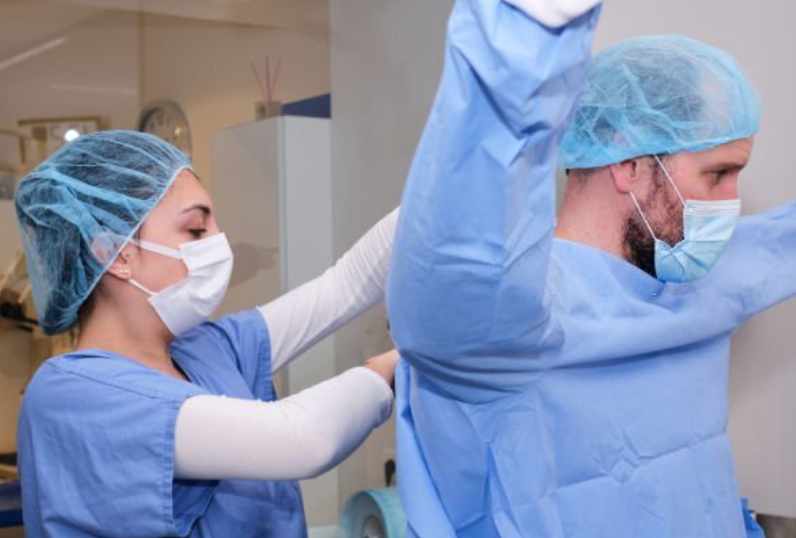
Selecting a supplier for isolation gowns goes beyond price. Key due diligence factors include:
1. Regulatory Compliance and Certification: The seller must provide evidence that the isolation gowns meet relevant regulatory standards (e.g., FDA 510(k) clearance in the U.S., CE marking in Europe). For medical use, they should comply with AAMI PB70 levels as claimed. Request a Certificate of Analysis (CoA) or compliance.
2. Quality and Performance Specifications: Verify the AAMI Barrier Level (1-4), material composition, and design features (full-back vs. open-back, tie vs. elastic cuffs). Ensure these match your clinical or operational risk assessment.
3. Supply Chain Reliability and Transparency: Assess the seller's ability to provide consistent supply. Do they own their manufacturing, or are they a broker? Can they provide transparency into inventory levels and lead times? The pandemic exposed the risks of opaque, elongated supply chains.
4. Minimum Order Quantity (MOQ) and Pricing Structure: MOQs vary dramatically, from a single box (Tier 3) to a full container (Tier 1). Understand the total landed cost, including shipping, duties, and any fees.
5. Reputation and Auditing: For significant contracts, especially with manufacturers or OEMs, consider auditing their quality management system (e.g., ISO 13485 certification) and production facilities, either directly or through third-party reports.
Our experience as an OEM provider of medical visualization technology offers a parallel perspective. Just as our partners rely on us to manufacture precise, reliable video laryngoscopes or endoscopy systems to their specifications under their brand, large healthcare entities increasingly engage with OEM manufacturers of isolation gowns for private-label programs. This allows them to control quality, cost, and supply chain security—a strategic move beyond simply buying from a distributor's catalog.
The isolation gown market is shaped by post-pandemic lessons:
- Demand for Domestic/Regional Manufacturing: To mitigate supply chain risks, there is growing investment in manufacturing capacity within key consumption regions like North America and Europe.
- Consolidation and Diversification: Distributors are consolidating, while manufacturers are diversifying their geographic production bases.
- Sustainability Focus: Buyers are increasingly inquiring about eco-friendly options, such as gowns made from recycled content or designed for recyclability, pushing sellers to innovate.
The marketplace for isolation gowns is a multi-layered network, efficiently connecting global production with localized need. From the direct sales arms of multinational manufacturers fulfilling container-sized orders for governments, to the medical distributor delivering a pallet to a hospital, to the online retailer shipping a box to a small clinic, each seller plays a distinct role. For procurement professionals, the key is to align the supplier tier with their organization's scale, quality requirements, and risk tolerance. Conducting thorough due diligence on regulatory compliance, quality verification, and supply chain integrity is non-negotiable. In an era where infection control is paramount, and the reliability of even the most advanced bronchoscopy workstation can be undermined by a failed basic barrier, knowing "who sells isolation gowns"—and how to choose the right partner among them—is a fundamental competency in safeguarding health and operational continuity.
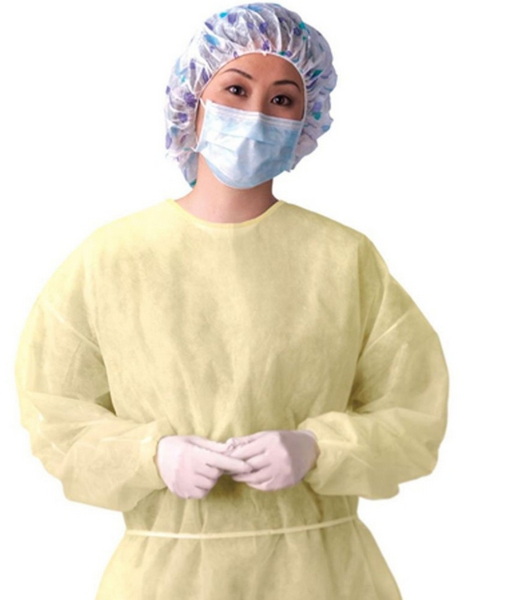
Medical distributors (e.g., McKesson, Medline) sell primarily to licensed healthcare facilities under structured contracts, offering bulk pricing, regulatory assurance (FDA-cleared devices), and guaranteed supply chains. Online retailers offer convenience and small quantities but pose higher risks: products may be non-medical grade, lack proper regulatory clearance, or be sold by unauthorized third parties with inconsistent quality. For clinical use, distributors are the standard, safer channel.
Yes, but it is typically only feasible for very large volume purchases (e.g., full container loads, representing hundreds of thousands of gowns). Factories have high Minimum Order Quantities (MOQs). This route also requires the buyer to handle all logistics, import/export documentation, regulatory verification, and quality control auditing—a complex undertaking usually managed by large distributors or very large healthcare systems.
Any legitimate seller of medical isolation gowns in the U.S. should be able to provide documentation. Specifically, request the FDA 510(k) clearance number for the product and the Device Listing Number from the seller or manufacturer. You can verify these numbers on the FDA's publicly accessible database. Be wary of sellers who cannot or will not provide this information.
AAMI Level 3 is a classification from the Association for the Advancement of Medical Instrumentation, indicating a moderate to high level of liquid barrier protection. It is a key performance specification. When purchasing, you must match the AAMI Level (1-4) to the intended use's risk. A seller should be able to provide test reports proving the gown meets the claimed AAMI PB70 standard. Buying without confirming this level means you cannot be sure of the gown's protective capability.
Yes, many distributors and large healthcare systems sell private-label (generic) isolation gowns. Their quality can be equal to or even superior to brand-name gowns if they are produced by a reputable OEM under strict contractual specifications and quality oversight. The critical factor is not the brand on the box but the manufacturer behind it and the quality controls enforced by the contracting entity. Always request the name of the actual manufacturer and their certifications.


