
Views: 222 Author: Lake Publish Time: 2026-01-31 Origin: Site


Content Menu
● The Pricing Spectrum: From Simple Tools to Complex Systems
● Cost Breakdown by Laryngoscope Type
>> 1. Direct (Traditional) Laryngoscopes
>> 3. Specialized & Rigid Indirect Laryngoscopes
● Key Factors Driving Laryngoscope Cost
● The Total Cost of Ownership (TCO) Analysis
● Procurement Strategies for Different Buyers
● Frequently Asked Questions (FAQ)
>> 1. What is the most cost-effective type of laryngoscope for a high-volume hospital?
>> 2. Why are video laryngoscope blades so expensive, especially the disposable ones?
>> 3. Are there significant hidden costs associated with reusable laryngoscopes?
>> 4. Is it cheaper to buy a complete laryngoscope system or to purchase components separately?
>> 5. How does the cost of a laryngoscope impact patient care and hospital budgets?
The laryngoscope is an essential medical instrument for airway management, and its cost varies dramatically based on type, technology, and application. For healthcare providers, procurement departments, and international medical device partners, understanding the factors that influence laryngoscope pricing is crucial for budgeting, sourcing, and strategic planning. The price range extends from a few dollars for a basic disposable blade to tens of thousands of dollars for a complete, advanced video laryngoscope system. This article provides a comprehensive analysis of laryngoscope costs, breaking down pricing by device category, exploring the key drivers of expense, and offering guidance on the total cost of ownership (TCO) to inform purchasing decisions for hospitals, clinics, and OEM partners.
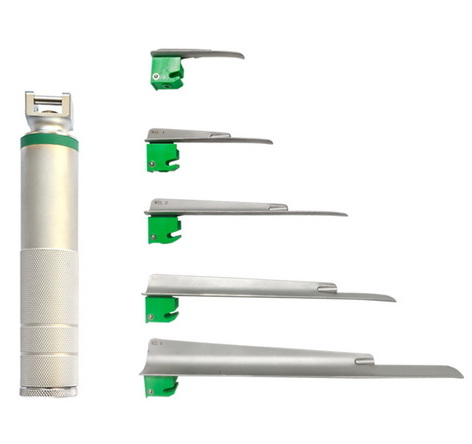
The cost of a laryngoscope is not a single figure but a wide spectrum. At the most fundamental level, pricing is segmented by the device's core technology and intended use.
The Low End (Disposable & Basic Reusable): This segment includes traditional direct laryngoscope components. A single, disposable plastic laryngoscope blade can cost as little as $1 to $5 USD. A reusable stainless steel Macintosh or Miller blade might range from $50 to $200 USD, while a basic reusable handle (without batteries) can cost $80 to $300 USD.
The Mid-Range (Integrated Direct Sets & Entry-Level Video): A complete, ready-to-use reusable direct laryngoscope set (handle, multiple blades, light source, case) typically falls between $300 and $800 USD. The lower end of the video laryngoscope market, often consisting of portable units with small integrated screens, starts around $1,500 to $4,000 USD for the core handle and one blade.
The High End (Advanced Video Laryngoscope Systems): This includes cart-based video laryngoscope systems from major manufacturers (e.g., GlideScope, C-MAC, McGrath series) with larger monitors, recording capabilities, and multiple hyperangulated blades. Prices here range from $8,000 to over $25,000 USD for a complete starter kit. Highly specialized devices or those integrated into broader anesthesia workstations can command even higher prices.
The cost structure for direct laryngoscopes is relatively straightforward but involves both capital and recurring expenses.
- Reusable Handles & Blades:
- Handle: A durable, hospital-grade metal handle with a battery compartment costs $80 - $300. Fiberoptic handles (where the light source is in the handle and transmitted via a bundle to the blade tip) are at the higher end of this range.
- Reusable Blades: High-quality stainless steel blades (Macintosh, Miller) cost $50 - $200 each, depending on size, style (e.g., a McCoy levering tip is more expensive), and manufacturer.
- Initial Kit Cost: A typical starter set with a handle, 3-4 common blades, and a storage case usually costs $300 - $800.
- Disposable/ Single-Use Blades & Handles:
- Fully Disposable Units: A complete, sterile, single-use plastic laryngoscope (handle and blade) costs $5 - $15 per unit in bulk procurement.
- Disposable Blades for Reusable Handles: These are very common. A single-use plastic blade that attaches to a standard reusable handle costs $1 - $5 per blade. This is often the most cost-effective model for facilities prioritizing infection control without the capital outlay for video systems.
Total Cost of Ownership (TCO) Considerations for Direct Laryngoscopes:
- Capital Cost: Low to moderate.
- Recurring Costs: Batteries, replacement bulbs/LEDs for older models, and the cost of reprocessing (labor, chemicals, sterilization pouches) for reusable components. For disposable blades, the recurring cost is the per-unit purchase price.
- Longevity: A well-maintained metal handle and blades can last for decades.
Video laryngoscope pricing is more complex, involving higher capital investment but potentially lower per-use costs in high-volume settings when using reusable components.
- Portable/Integrated Screen Models (e.g., McGrath MAC, King Vision):
- Capital Cost: The handheld unit (handle with integrated screen) typically costs $1,500 - $4,500. Additional, separate blades are extra.
- Blade Cost: Reusable video blades cost $800 - $2,000 each. Single-use disposable video blades (with integrated camera) cost $40 - $120 per blade. The choice between reusable and disposable blades is the major recurring cost decision.
- Cart-Based/Modular Systems (e.g., GlideScope Cobalt, C-MAC):
- Capital Cost: A complete system (processor/monitor cart, reusable handle, cables, and one or two starter blades) ranges from $10,000 to $25,000+.
- Blade Cost: Similar to portable models. A single hyperangulated reusable video blade can cost $1,500 - $2,500. Disposable versions of these blades cost $60 - $150 each.
- Budget/Value Video Laryngoscopes: A growing market segment offers more basic video laryngoscope options, sometimes using a smartphone or tablet as the display. These kits can start as low as $800 - $2,000, though clinical performance and durability may vary compared to established medical brands.
TCO Considerations for Video Laryngoscopes:
- Capital Cost: High.
- Recurring Costs: Dominated by blade choice. Reusable blades require costly validation and repair; disposable blades have a high per-use fee. Other costs include battery replacement/charging, potential repair contracts, and software updates.
- Intangible Value: Must factor in the clinical value of improved first-pass success, reduced complications, and utility in difficult airways, which can offset higher device costs.
Devices like the Bullard or UpsherScope (rigid fiberoptic) are niche products. Their cost is high due to low production volumes and complex optics, often ranging from $3,000 to $8,000 for the set. Flexible intubating bronchoscopes, while not laryngoscopes per se, are the most expensive visualization tools for the most difficult airways, with prices from $10,000 to over $30,000.
1. Technology & Features: The inclusion of a digital camera, high-resolution screen, anti-fogging technology, recording functions, and wireless connectivity directly increases cost. A hyperangulated video laryngoscope blade is more expensive to engineer and manufacture than a standard geometry blade.
2. Brand & Market Position: Established medical device brands (Verathon, Stryker, Medtronic, etc.) command a premium for proven reliability, clinical support, and regulatory clearance. Generic or newer market entrants may offer lower prices.
3. Reusable vs. Disposable Model: Reusable devices have a high upfront cost but a lower marginal cost per use over time. Disposables have near-zero upfront cost but a continuous, predictable per-procedure expense. The "crossover point" depends on procedure volume.
4. Regulatory & Certification Costs: Devices cleared by the FDA (USA), CE-Marked (EU), or other stringent regulatory bodies incur significant development and testing costs, which are reflected in the price.
5. Distribution & Sales Model: Purchasing directly from a manufacturer, through a distributor, or as part of a large Group Purchasing Organization (GPO) contract can significantly affect the final price. Bundled service contracts can also influence cost.
6. Durability & Build Quality: Medical-grade stainless steel, robust plastics, and ingress protection against fluids cost more than lower-grade materials.
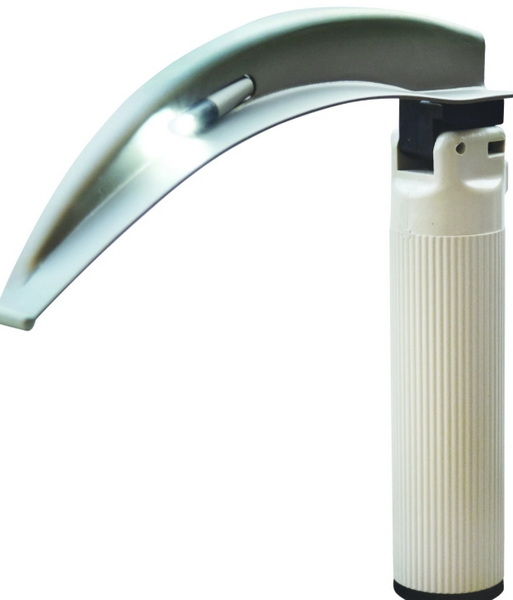
A smart purchasing decision looks beyond the sticker price. TCO for a laryngoscope includes:
- Initial Purchase Price: The invoice cost of the device(s).
- Consumables & Parts: Batteries, disposable blades, single-use sheaths, replacement light sources.
- Reprocessing Costs: For reusable components, this includes labor, enzymatic detergents, disinfectants, sterilization bags, and the cost of running autoclaves or washer-disinfectors. Studies show this can add $5 - $15 of hidden cost to each use of a reusable laryngoscope blade.
- Repair & Maintenance: Service contracts, out-of-warranty repairs, and the cost of downtime. A damaged video laryngoscope camera tip can cost over $1,000 to repair.
- Training Costs: Time and resources required to train staff on new devices, particularly for video laryngoscopes.
- Clinical Outcome Value: While difficult to quantify, the cost of a failed intubation (hypoxic injury, additional procedures, longer ICU stays) is enormous. A device that improves first-pass success has a negative cost—it *saves* money.
For example, a hospital might calculate that a $150 disposable video laryngoscope blade used in a difficult airway case is far less expensive than the potential cost of managing a complication from a failed intubation with a cheaper, less effective tool.
- Large Hospitals & Health Systems: Typically use GPO contracts to secure significant discounts on both capital equipment and high-volume disposable purchases. They often standardize on one or two video laryngoscope platforms for efficiency and training.
- Small Clinics & Ambulatory Surgery Centers (ASCs): May prioritize lower capital cost. A robust direct laryngoscope set and a single portable video laryngoscope for difficult cases is a common strategy. They may rely more on disposable blades to avoid reprocessing infrastructure.
- Emergency Medical Services (EMS): Prioritize durability, portability, and battery life. They often choose rugged, all-in-one video laryngoscopes or high-quality direct laryngoscopes with disposable blades.
- International Distributors & OEM Partners: For companies sourcing laryngoscopes for rebranding or distribution, unit cost is paramount. This often leads to partnerships with manufacturers in regions with cost-competitive production, focusing on achieving the required quality standards (CE, FDA) at the lowest possible manufacturing cost. Bulk purchasing of components (e.g., handles, blades) for assembly is a common model.
The cost of a laryngoscope is a multi-variable equation, with answers ranging from under ten dollars to over twenty-five thousand dollars. The price is fundamentally determined by the technology embedded within the device—from the simple mechanics of a Macintosh blade to the sophisticated digital imaging of a hyperangulated video laryngoscope. For healthcare providers, the critical financial exercise is not merely comparing invoice prices but conducting a thorough Total Cost of Ownership analysis that factors in consumables, reprocessing, maintenance, and, most importantly, the clinical value of improved patient outcomes and safety. For distributors and OEM partners, understanding this cost structure is key to identifying market opportunities, whether in supplying low-cost disposable blades or in partnering to manufacture competitive video laryngoscope systems. Ultimately, investing in the right laryngoscope—whether a basic disposable unit or a state-of-the-art video system—is an investment in predictable, safe airway management, the value of which far exceeds the line item on a procurement budget.
Contact us to get more information!
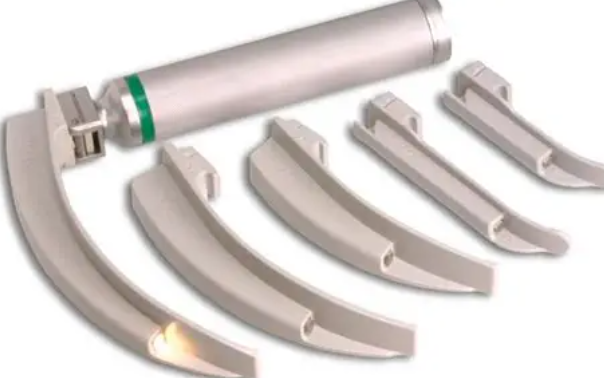
For a high-volume setting, a mixed-model approach is often most cost-effective. This involves:
- Standard Direct Laryngoscopy: Using reusable stainless steel handles with low-cost disposable plastic blades for the majority of routine intubations. This minimizes reprocessing labor and infection risk at a low per-use cost.
- Video Laryngoscopy: Investing in a few cart-based video laryngoscope systems for difficult airways, ICU use, and training. For the blades, a mix of reusable video blades (for predictable, high-use areas like the OR) and disposable video blades (for emergencies, isolation cases, or when reprocessing turnaround is an issue) can optimize costs.
The high volume justifies the capital investment in reusable systems while leveraging disposables to control operational expenses.
Disposable video laryngoscope blades are complex single-use medical devices. They contain a miniaturized high-definition CMOS camera chip, multiple bright LEDs, a heating element to prevent fogging, and often a radio-frequency identification (RFID) chip to communicate with the handle. They must be manufactured in a cleanroom environment, assembled with precision, and sealed to be fluid-proof. They are then sterilized (e.g., with ethylene oxide or gamma radiation) and packaged. The cost reflects this advanced micro-electronics, medical-grade manufacturing, and regulatory compliance, not just the plastic shell.
Yes, the hidden costs of reusable laryngoscopes are substantial and often underestimated:
- Reprocessing Labor: The time for staff to clean, disinfect, inspect, package, and sterilize blades and handles.
- Reprocessing Supplies: Enzymatic detergents, disinfectants, utility gloves, sterilization pouches, and water for rinsing.
- Equipment Depreciation & Maintenance: The cost of the autoclaves, washer-disinfectors, and ultrasonic cleaners themselves.
- Repair & Replacement: Blades get damaged, light bulbs burn out, and handles fail. Tracking, repairing, or replacing these items has a real cost.
- Inventory & Logistics: Managing a pool of devices, ensuring availability, and tracking sterilization cycles.
Studies suggest these hidden costs can add $10-$20 to the cost of each use of a reusable blade, making the price gap with disposables narrower than the initial purchase price suggests.
For direct laryngoscopes, buying a quality pre-configured set (handle, common blades, case) is usually more cost-effective than sourcing each component individually from different suppliers, and it ensures compatibility. For video laryngoscopes, manufacturers heavily incentivize purchasing starter "bundles" or "kits" that include the monitor, handle, cables, and initial blades. Buying the core monitor separately and then adding components later is almost always more expensive. For ongoing procurement, however, purchasing disposable blades in large bulk quantities separately from the capital equipment can yield significant savings.
The cost has a direct and indirect impact. A poorly made, cheap laryngoscope may fail mechanically or provide poor visualization, leading to failed intubations, complications, and higher overall costs from prolonged surgery time or patient injury. Conversely, an overly expensive system that is underutilized represents a poor return on investment. The optimal balance is purchasing devices with a favorable total cost of ownership that demonstrably improve clinical outcomes. A video laryngoscope that increases first-pass success from 90% to 99% in an emergency department may pay for itself by avoiding just one or two serious complications. Therefore, cost analysis must be clinically informed, viewing the laryngoscope not as an expense but as a risk-mitigation and outcomes tool.
[1] https://www.fda.gov/medical-devices/surgery-devices/laryngoscopes
[2] https://www.ncbi.nlm.nih.gov/pmc/articles/PMC7318980/
[3] https://www.aha.org/cost/cost-transparency
[4] https://www.ecri.org/solutions/supply-chain-solutions


