
Views: 222 Author: Lake Publish Time: 2026-01-22 Origin: Site


Content Menu
● Introduction: The French Healthcare and Medtech Ecosystem
● Key Multinational Manufacturers with French Operations
>> 2. Ambu A/S (via Distributor or Direct)
● Major French Distributors and Specialist Suppliers
>> 2. Médi-Market / A.M.I. (Applications Médicales et Industrielles)
>> 4. Private Hospital Groups (e.g., Elsan, Ramsay Générale de Santé)
● Market Dynamics, Procurement, and Clinical Trends
● The Role of OEM Partnerships and Strategic Localization
● Frequently Asked Questions (FAQ)
>> 1. What are the main regulatory requirements for video laryngoscopes in France?
>> 2. How does the public hospital procurement process work?
>> 3. Is there a strong preference for disposable or reusable video laryngoscopes in France?
>> 4. What is the typical route to market for an international brand?
>> 5. How important is clinical training and engagement with medical societies?
The paradigm of airway management is undergoing a profound digital transformation, where real-time, high-definition visualization is becoming the standard of care. The video laryngoscope is a pivotal technology in this shift, enhancing first-pass intubation success and improving safety in both routine and difficult airway scenarios. France, with its world-renowned healthcare system, robust medical research infrastructure, and status as a major EU medtech hub, represents a sophisticated and highly regulated market for this essential technology. This article provides a detailed analysis of the top video laryngoscope manufacturers and suppliers in France, offering key insights for clinicians, procurement bodies, and international partners navigating this advanced and demanding landscape.

France's healthcare system is characterized by universal coverage, a mix of public and private hospitals, and a strong emphasis on medical innovation. Procurement is influenced by regional health agencies (*Agences Régionales de Santé*) and hospital groups (*Groupements de Coopération Sanitaire*), operating within a stringent national framework. The market is exceptionally quality-conscious and driven by clinical evidence, with a deep respect for established medical protocols. French anesthesiologists and emergency physicians are early adopters of validated technologies, and the video laryngoscope is now firmly embedded in national airway management guidelines. Success in this market demands not only a superior, compliant product but also a profound commitment to clinical support, training, and navigating the complex French procurement and regulatory environment.
France hosts the European or national headquarters of several global medtech leaders, who maintain direct and influential commercial operations.
As the French subsidiary of the global leader, Medtronic is a dominant force in the airway management segment. They offer a comprehensive portfolio, including the McGrath™ MAC and other video laryngoscope systems. Their strength lies in a direct sales force that engages with key opinion leaders (KOLs), major public teaching hospitals (*Centres Hospitaliers Universitaires - CHU*), and private clinic networks. They provide extensive clinical training, robust regulatory support aligned with EU MDR, and a nationwide service network, making them a top-tier manufacturer and supplier.
The Danish innovator Ambu, a pioneer in single-use endoscopy, has a significant and growing presence in the French market. Their disposable aScope™ and single-use video laryngoscope solutions resonate strongly with French infection prevention and control (IPC) priorities, which are particularly stringent. Ambu's model of guaranteed sterility and elimination of reprocessing aligns with modern French hospital protocols. They are a major player, likely operating through a specialized national distributor for broad coverage and direct engagement for large strategic accounts.
A European leader in critical care, surgery, and neonatology, VYGON has a powerful direct subsidiary in France. They manufacture and distribute a vast array of single-use and reusable devices. VYGON is a crucial supplier of airway management equipment to French ICUs and operating theaters and may offer video laryngoscope solutions under their brand or through exclusive partnerships, leveraging their exceptional access to and trust within French clinical departments.
Teleflex is a global provider of medical technologies with a broad portfolio that includes specialized airway devices. Their French operation is an established supplier, potentially distributing video laryngoscope systems as part of integrated procedural kits or through their well-developed channels in anesthesia and interventional care.
A network of highly specialized and technically proficient distributors is essential for market penetration, particularly for innovative and niche brands.
A prominent French distributor specializing in anesthesia, resuscitation, and emergency medicine equipment. LARVIOR is known for its deep technical expertise and clinical support. They are a premier channel partner for video laryngoscope manufacturers, providing dedicated product specialists, hands-on training, and responsive after-sales service tailored to the French clinical workflow.
A key distributor in the French medtech landscape, focusing on high-technology equipment for surgery and critical care. Their focus on advanced visualization makes them a logical and effective partner for video laryngoscope manufacturers and suppliers, capable of providing the sophisticated support these devices require.
An important player in the distribution of medical devices and implants in France. They have specific divisions for surgical and hospital equipment and can act as a strategic supplier for video laryngoscope technology, especially for hospitals seeking bundled procurement from a limited number of vendors.
Major private hospital groups have centralized procurement departments that negotiate framework agreements directly with manufacturers or preferred suppliers. Securing a contract with a group like Elsan can provide access to dozens of facilities across the country.

Key Characteristics:
- Centralized Evaluation and Decentralized Procurement: The Haute Autorité de Santé (HAS) provides health technology assessments, influencing adoption. However, procurement is managed by individual hospital groups or regional consortia, leading to varied tender processes.
- Stringent EU MDR Compliance: Full compliance with the European Medical Device Regulation (MDR 2017/745) is the absolute baseline. The French regulatory body, Agence Nationale de Sécurité du Médicament et des Produits de Santé (ANSM), actively monitors the market. Documentation, including clinical evaluation reports, must be impeccable.
- Strong Growth of Single-Use Devices: The French market is at the forefront of adopting disposable video laryngoscope blades and handles. This is driven by rigorous IPC standards, the desire to eliminate cross-contamination, and simplified logistics. Sustainability concerns are addressed through specific waste stream management.
- Value of Clinical Studies and KOL Endorsement: French clinicians are highly influenced by peer-reviewed literature and the opinions of respected national KOLs. Manufacturers who support independent clinical research in French institutions and work with KOLs gain significant credibility.
For international video laryngoscope manufacturers, the French market requires a nuanced, localized strategy:
- Partnership with a Specialized Distributor: For most brands, an exclusive partnership with a distributor like LARVIOR Médical is vital. They provide the essential local interface for tender management, clinical training in French, and regulatory navigation.
- Beyond MDR: French-Language and Local Support: All labeling, instructions for use (IFU), and training materials must be available in flawless French. Providing readily accessible technical service and rapid repair turnaround is a competitive necessity.
- Engagement with Medical Societies: Active participation in conferences of the Société Française d'Anesthésie et de Réanimation (SFAR) and other societies is crucial for visibility and education.
- Integration into Broader Solutions: There is potential to position video laryngoscope systems as part of integrated airway management carts or within digital documentation ecosystems in new or modernized hospital builds.
The French market for video laryngoscope manufacturers and suppliers is defined by its clinical excellence, rigorous regulatory environment, and a sophisticated procurement landscape that balances innovation with fiscal prudence. While global leaders like Medtronic France maintain a strong direct presence, the expertise and reach of specialized French distributors such as LARVIOR Médical are indispensable for achieving comprehensive market access and providing the high-touch support French hospitals expect. Success is contingent upon a dual commitment: offering technologically advanced, MDR-compliant products with strong clinical validation, and coupling them with an unwavering dedication to local clinical education, French-language support, and responsive service. As France continues to advance its digital hospital initiatives, the demand for smart, connected, and efficient video laryngoscope solutions will remain robust, solidifying the country's role as a critical and discerning leader in the European advanced airway management market.
Contact us to get more information!
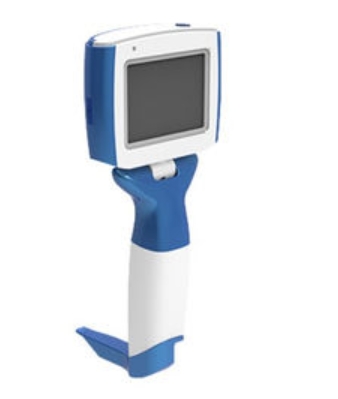
France, as an EU member state, requires full compliance with the EU Medical Device Regulation (MDR 2017/745). This mandates:
- CE Marking under the correct risk class (typically Class IIa or higher).
- A European Authorized Representative if the manufacturer is outside the EU.
- Comprehensive technical documentation and a Clinical Evaluation Report (CER).
- Vigilance reporting to the French national authority, the Agence Nationale de Sécurité du Médicament et des Produits de Santé (ANSM).
All labeling and instructions for use must be available in French.
Public hospital procurement is decentralized to individual hospital groups (*CHUs*, regional hospitals) or purchasing consortia. They issue tenders (*appels d'offres*) based on their specific needs. The process is highly formalized, evaluating bids on criteria including price, technical conformity to specifications (emphasizing CE MDR compliance), clinical value, aftersales service (SAV), and training offered. Winning a multi-year framework agreement (*accord-cadre*) with a major group is a key strategic objective for suppliers.
There is a very strong and established trend favoring disposable (single-use) video laryngoscope systems, especially for blades. This is driven by:
- Stringent French IPC Protocols: A top priority to prevent healthcare-associated infections.
- Operational and Economic Rationale: Eliminates reprocessing costs and complexity.
- Compliance with MDR: Simplifies device traceability and validation.
Reusable systems are still used, but new procurements in both public and private sectors heavily favor disposable options.
The most common and effective route is an exclusive distribution partnership with a specialized French distributor (e.g., LARVIOR, Médi-Market). The distributor manages all aspects: tender responses, sales, marketing, clinical training, and first-line technical support. Only the largest multinationals with extensive existing infrastructure typically maintain a fully direct sales model. The distributor's local reputation and expertise are critical assets.
Extremely important, often a deal-maker or breaker. French clinicians expect and value high-quality, hands-on training. Successful manufacturers and suppliers invest heavily in:
- Collaboration with KOLs and Medical Societies: Such as the Société Française d'Anesthésie et de Réanimation (SFAR).
- Simulation Workshops: Providing access to simulation centers for practical skill development.
- Support for French-Language Research: Facilitating clinical studies published in French or international journals.
This educational commitment builds trust, drives safe adoption, and is a key component of tender proposals.
[1] https://www.legifrance.gouv.fr/
[2] https://www.ansm.sante.fr/
[3] https://ec.europa.eu/growth/sectors/medical-devices_en
[4] https://www.medtronic.com/fr-fr/index.html
[5] https://www.ambu.com/


