
Views: 222 Author: Lake Publish Time: 2025-12-29 Origin: Site


Content Menu
● The Critical Importance of Proper Fit
● Understanding Medical Glove Sizing Systems
● The Gold Standard: Characteristics of a Perfectly Fitted Medical Glove
● Step-by-Step Guide to Finding Your Correct Fit
● Special Considerations for Different Roles and Procedures
● The Impact of Material on Fit and Feel
● Institutional Responsibility and User Empowerment
● Frequently Asked Questions (FAQ)
>> 1. How often should I re-evaluate my medical glove size?
>> 2. Is it better to size up or down if I'm between sizes?
>> 3. Why do my fingertips feel numb or cold in tight medical gloves?
>> 4. What should I do if my institution only stocks one brand that doesn't fit me well?
>> 5. Do powder-free and powdered gloves fit differently?
In the precise world of healthcare, where interventions range from administering a simple injection to performing intricate procedures with a video laryngoscope or a single-use ureteroscope, every detail matters. Among the most critical yet frequently overlooked details is the fit of a medical glove. A glove that is too tight can restrict circulation, reduce tactile sensitivity, and cause hand fatigue, while a glove that is too loose can compromise dexterity, increase the risk of tears, and create folds that trap contaminants. For professionals in medical visualization, where fine motor control is paramount for manipulating scopes and interpreting images on a medical image processor, an improperly fitted medical glove is not just an inconvenience—it is a potential impediment to performance and safety. This article delves into the science and standards of optimal medical glove fit, exploring its impact on clinical efficacy, user safety, and overall procedural success.
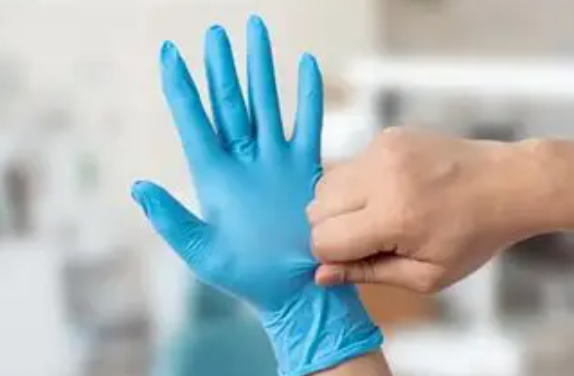
A properly fitted medical glove serves as a seamless second skin, fulfilling its core functions without hindrance. The consequences of an improper fit are multifaceted:
- User Safety and Health: Gloves that are excessively tight can cause hand fatigue, reduce blood flow, and contribute to the development of contact dermatitis or repetitive strain injuries over time. Loose gloves are more prone to snagging and tearing, exposing the wearer to biological hazards.
- Tactile Sensitivity and Dexterity: The primary interface between a clinician's skill and the patient or device is their gloved hand. In procedures utilizing a flexible laryngoscope or during the delicate assembly of an endoscopy system, optimal sensitivity is non-negotiable. A well-fitted glove transmits tactile feedback accurately, while a loose one dulls sensation and a tight one can cause numbness.
- Infection Control Efficacy: A medical glove is a barrier. Gaps at the cuff or excessive wrinkling can provide a pathway for fluids to wick onto the skin. Conversely, excessive tension from a tight glove can stress the material, creating micro-tears that compromise its integrity.
- Procedural Efficiency and Comfort: Discomfort from poor fit is a distraction. Fiddling with a loose cuff or pausing to relieve hand pain disrupts workflow, increases procedure time, and can elevate stress levels for the practitioner.
Unlike casual gloves, medical glove sizing follows standardized anthropometric measurements based on hand dimensions. The most common system uses numbered sizes, though the exact correlation can vary slightly by manufacturer and region (e.g., US vs. EU).
- Standard Sizing Scale: Sizes typically range from Extra-Small (XS) to Extra-Large (XL), often corresponding to numerical sizes.
- XS: ~6 inches (hand circumference)
- S: ~6-7 inches
- M: ~7-8 inches
- L: ~8-9 inches
- XL: ~9+ inches
- Anatomic vs. Straight Design: Some surgical and procedure-specific gloves are anatomically shaped (contoured for right and left hands with pre-curved fingers) to reduce tension and improve fit. Straight gloves are ambidextrous and may feel roomier in the palm.
- Manufacturer Variability: A "Medium" in one brand may fit differently than a "Medium" in another due to variations in last (hand mold) design, material elasticity (e.g., latex vs. nitrile), and manufacturing tolerances. This underscores the need for individual trial and brand consistency.
A perfectly fitted medical glove should exhibit the following characteristics:
1. Snug but Not Constricting: The glove should feel secure over the entire hand without creating pressure points, especially across the knuckles and the palm. You should be able to make a fist without feeling like the material is straining excessively.
2. Full Finger Coverage with No Excess Length: The fingertips of the glove should align with the wearer's fingertips. Excess material at the tip ("swimming" in the glove) severely reduces tactile sensation and precision—a critical failure point when handling small instruments or adjusting settings on a bronchoscopy workstation.
3. Secure Wrist Coverage: The cuff should sit comfortably at or just below the wrist bone (the ulnar styloid process), providing a secure seal without digging into the skin. For procedures requiring gowns, the glove cuff must be long enough to cover the gown sleeve securely.
4. Minimal Wrinkling: While some minor wrinkling on the dorsal hand is normal, especially when making a fist, significant wrinkling on the palm or fingers indicates the glove is too large and will impede fine motor control.
5. Uniform Tension: The material should exhibit even tension across all parts of the hand, without areas of ballooning (too loose) or excessive stretching (too tight).
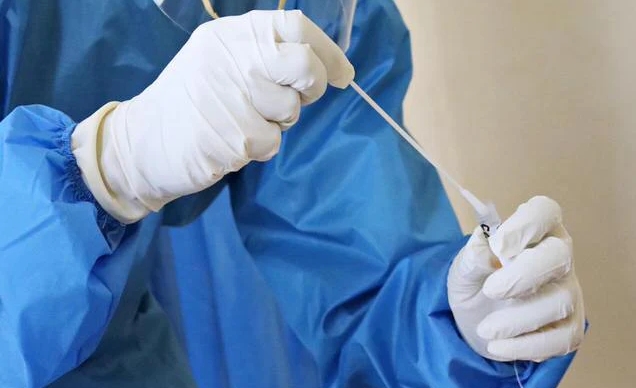
Selecting the right size is a systematic process:
1. Measure Your Hand: Using a flexible measuring tape, measure the circumference of your dominant hand at its widest part, excluding the thumb. This is typically across the knuckles (metacarpophalangeal joints). Use this measurement as your starting point with a manufacturer's size chart.
2. The "Fist and Pinch" Test: Don a glove of your estimated size.
- Make a firm fist. Do you feel significant, uncomfortable tightness? Does the material turn white over the knuckles from overstretching? If yes, try a larger size.
- Pinch the material on the dorsal side between your thumb and forefinger. If you can gather a significant amount of excess material (more than ~1/4 inch), the glove is likely too large.
3. Assess Finger Length and Dexterity: With the glove on, try to pick up a small object like a pen or a cotton ball. Can you feel it distinctly? Is there bunching at your fingertips that interferes with the grip? Perform a mock "instrument manipulation" motion. The fit should facilitate, not hinder, movement.
4. Evaluate During Movement: Simulate clinical motions: reaching, grasping, and turning your wrist. The glove should stay securely in place without the cuff rolling down or the palm material twisting excessively.
Optimal fit is context-dependent:
- Surgery and Interventional Procedures: For long, delicate operations—akin to the focus required when navigating a single-use ureteroscope—precision is paramount. Surgeons often prefer snug, anatomic gloves that offer maximum sensitivity. Some opt for a half-size smaller than their standard exam glove for a tighter "second-skin" feel.
- High-Risk Exposure Procedures (e.g., Trauma, ER): Where rapid donning and high tensile strength are priorities, a secure fit that minimizes tear risk is crucial. Some practitioners may choose a standard, comfortable fit over an ultra-snug one for durability during high-stress tasks.
- Extended Wear (e.g., Nursing, Dentistry): For professionals wearing medical gloves for hours, comfort and the prevention of moisture buildup (which can macerate skin) become primary. A fit that avoids constriction is essential to prevent hand fatigue and dermatitis.
- Compatibility with Double-Gloving: In surgical or chemotherapy settings, the inner glove should be a perfect fit. The outer glove is typically sized one-half to one full size larger to accommodate it without excessive tension. The combined fit must still allow for dexterity.
The glove material intrinsically affects the fit experience:
- Natural Rubber Latex: Known for its superior elasticity and memory, latex conforms closely to the hand's contours, often providing a "custom" feel. Its high stretch allows for a snug fit without excessive pressure.
- Nitrile: While highly elastic, nitrile can have a different "snap-back" quality than latex. Premium nitrile formulations are designed to mimic latex's conformability. It generally provides a consistent, reliable fit and is less likely to relax or become baggy during extended wear.
- Vinyl (PVC): Has less inherent elasticity. Vinyl gloves often have a looser, less form-fitting feel and are more prone to wrinkling and a "baggy" fit, which directly impacts dexterity.
Healthcare institutions play a key role in ensuring proper fit:
- Providing Size Variety: Stocking a full range of sizes (including half-sizes from some manufacturers) is essential.
- Offering Brand Choices: Different hand shapes may fit better in different brands. Offering 2-3 vetted brands of medical gloves can improve user satisfaction and fit.
- Education and Fitting Guides: Incorporating glove fit training into onboarding and annual safety education empowers staff.
- Soliciting Feedback: Regularly engaging clinical staff on glove preferences and fit issues can guide procurement decisions toward products that enhance both safety and performance.
The question of how a medical glove should fit is answered not by a single measurement, but by a holistic assessment of security, sensitivity, comfort, and task-specific demands. In the realm of medical visualization and intricate device manipulation, where the clinician's hands are directly coupled to advanced technology like endoscopy systems and image processors, the medical glove is a critical interface. An optimal fit transforms this barrier from a passive piece of PPE into an active enabler of clinical excellence. It minimizes fatigue, maximizes precision, and upholds the integrity of the sterile field. Investing the time to find and provide the correct medical glove fit is, therefore, an investment in practitioner well-being, procedural safety, and ultimately, the quality of patient care. It is a foundational element of professional practice, as vital as any sophisticated piece of equipment in the modern medical arsenal.
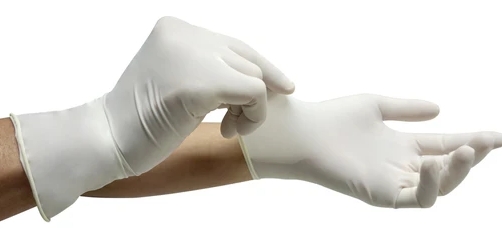
You should reassess your fit if you change glove brands or materials, as sizing can vary. Additionally, factors like weight fluctuation, changes in hand strength, or the onset of conditions like arthritis can alter your ideal size. It's good practice to perform a quick fit check with a new batch of gloves, even from a familiar brand.
This depends on the material and your task. For procedures requiring maximum dexterity and tactile sensitivity (e.g., surgery, catheter insertion), sizing down for a snugger fit is often preferred, provided it does not cause constriction. For extended wear or tasks where comfort is prioritized over ultra-fine manipulation, sizing up may be better. The "Fist and Pinch" test is your best guide.
This is a classic sign that the gloves are too small and are constricting blood flow. Persistent numbness or a cold sensation indicates that the medical glove is impeding circulation. This is not only uncomfortable but can also reduce fine motor control and poses a health risk with prolonged use. You should immediately switch to a larger size.
First, provide specific feedback to your procurement or safety officer. Explain how the poor fit impacts your work (e.g., "The fingertips are too long, reducing my feel for the guidewire"). Clinician input is powerful. In the interim, if the misfit poses a safety risk (e.g., frequent tears, loss of dexterity), formally request an exception to order a different size or a small quantity of an alternative brand that fits you properly.
The fit of the glove itself should be identical, as the powder or chlorination/polymer coating is a surface treatment applied after the dipping and curing process. However, the feel can be different. Powder can create a slight sensation of slippage, while chlorinated powder-free gloves can initially feel slightly tackier against the skin until the hand's natural moisture creates a smooth interface. This does not change the underlying dimensions of the medical glove.
[1] https://www.fda.gov/medical-devices/personal-protective-equipment-infection-control/gloves
[2] https://www.astm.org/d3577-19.html
[3] https://www.cdc.gov/niosh/npptl/gloves.html
[4] https://www.ncbi.nlm.nih.gov/pmc/articles/PMC2924734/
[5] https://www.who.int/publications/i/item/WHO-IER-PSP-2009.02
[6] https://www.osha.gov/laws-regs/regulations/standardnumber/1910/1910.1030
[7] https://www.sciencedirect.com/science/article/pii/S0196655315000352
[8] https://www.infectioncontroltoday.com/view/importance-proper-glove-fit-and-material-healthcare-workers
[9] https://www.iso.org/standard/59752.html


