


Content Menu
● Understanding the Price Spectrum: From Cents to Dollars
● Core Determinants of Medical Glove Pricing
>> 1. Material Composition: The Primary Cost Driver
>> 2. Manufacturing Standards and Quality Tiers
>> 3. Product Features and Enhancements
● The Procurement Channel: Where You Buy Matters
● External Market Forces: Volatility and Disruption
● Cost Analysis in a Clinical Context: Beyond the Unit Price
● Conclusion: A Value-Based Procurement Approach
● Frequently Asked Questions (FAQ)
>> 1. What is the typical price range for a box of 100 nitrile exam gloves?
>> 2. Why are surgical gloves so much more expensive than exam gloves?
>> 3. How do bulk purchases (like by the pallet or container) affect the price per glove?
>> 4. What was the impact of the COVID-19 pandemic on medical glove prices?
>> 5. Is it cost-effective to switch from latex to nitrile gloves for an entire facility?
In the intricate ecosystem of global healthcare, from primary care clinics to advanced surgical suites utilizing our bronchoscopy workstations and video laryngoscopes, the medical glove stands as a fundamental, non-negotiable item. Its cost, however, is anything but simple. The question "How much are medical gloves?" rarely yields a single answer. Instead, it opens a window into a complex global market influenced by raw material commodities, geopolitical events, manufacturing standards, logistical chains, and diverse procurement channels. For OEM partners and healthcare providers alike, understanding this pricing landscape is crucial for budgeting, supply chain resilience, and ensuring consistent access to quality protection. This article will dissect the multifaceted factors that determine the price of a medical glove, providing a comprehensive guide to the economics behind this essential piece of personal protective equipment (PPE).

The per-unit price of a medical glove can range from less than 5 cents for a basic vinyl examination glove to over $1.50 for a specialized, sterile surgical glove. This vast range is not arbitrary; it reflects significant differences in materials, manufacturing processes, quality standards, and intended use. Purchasers typically encounter prices in two main formats: Cost Per Box (e.g., 100 gloves per box) and Cost Per Thousand (a standard industry metric for bulk purchases). When evaluating price, it is essential to compare like with like, as specifications directly dictate cost.
The base polymer is the most significant factor in the cost of a medical glove.
- Vinyl (PVC) Gloves: Generally the least expensive option. Their production relies on petroleum and salt, and the manufacturing process is relatively straightforward. They offer basic barrier protection but lack the elasticity and durability of other materials.
- Natural Rubber Latex Gloves: Traditionally occupy the mid-range. Pricing is heavily tied to the global commodity price of natural rubber latex, which fluctuates based on weather, crop diseases, and demand from other industries (like tires). Additional costs come from the extensive leaching and washing required to reduce allergen proteins.
- Nitrile Gloves: Typically the most expensive of the three common types. Nitrile is a synthetic copolymer derived from petroleum-based acrylonitrile and butadiene. Its price is therefore sensitive to crude oil and petrochemical markets. The premium cost is justified by superior puncture and chemical resistance, latex-free safety, and often higher performance standards.
Not all gloves of the same material are created equal. Manufacturing rigor dictates price.
- Examination Grade vs. Surgical Grade: A medical glove labeled for "examination" use has passed FDA requirements for barrier protection but may have higher allowable defect levels (AQL). A "surgical" medical glove is subject to far stricter standards (lower AQL, higher tensile strength, more precise sizing) and requires terminal sterilization (e.g., with Ethylene Oxide gas), adding significant cost.
- AQL (Acceptable Quality Level): This statistical measure of defect tolerance is critical. Common AQLs are 1.5 for exam gloves and 1.0 or 0.65 for surgical gloves. A lower AQL (fewer allowed defects) means more rigorous production testing and higher rejection rates, increasing the unit cost.
- Certifications: Gloves manufactured in facilities with stringent international certifications (like ISO 13485 for medical devices) often command a higher price due to the guaranteed quality management systems in place.
Added features that improve performance or user experience increase price.
- Powdered vs. Powder-Free: Powder-free gloves, achieved through chlorination or polymer coating, are more expensive to produce than simply dusting with cornstarch.
- Texture and Grip: Gloves with textured fingertips or palms for enhanced grip involve more complex former designs and processing.
- Beaded Cuffs vs. Straight Cuffs: A rolled bead adds a manufacturing step and material.
- Thickness: Gloves are available in various mil thicknesses. A thicker, more durable medical glove (e.g., 6 mil vs. 4 mil) uses more material and may have slower production line speeds, increasing cost.
- Sterility: The process of validating, conducting, and testing sterility (EO gas or radiation) adds a substantial premium to surgical medical gloves.
The price paid for a medical glove is profoundly affected by the purchasing channel and volume.
- Direct from Manufacturer or Major OEM Partners: For enormous volume commitments (e.g., container loads, annual contracts for millions of gloves), buyers can negotiate the lowest per-unit prices. This is the domain of large hospital networks, national governments, and major global distributors. Our company engages in similar OEM partnerships for endoscopy systems and single-use ureteroscopes, where scale dictates economics.
- Medical/Surgical Distributors (e.g., McKesson, Henry Schein): These intermediaries purchase in bulk from manufacturers and sell to healthcare facilities. They add a margin but provide value through consolidated ordering, reliable logistics, and inventory management. Prices are higher than direct manufacturing but lower than retail.
- Online Retailers & Office Supply Stores: Platforms like Amazon or stores like Staples sell boxes of gloves at a significant markup, catering to low-volume, immediate-need buyers such as small clinics, tattoo artists, or individuals. This is the most expensive channel per glove.
- Industrial or Janitorial Suppliers: May offer lower-grade gloves at competitive prices, but these may not meet FDA standards for medical glove use in patient care.
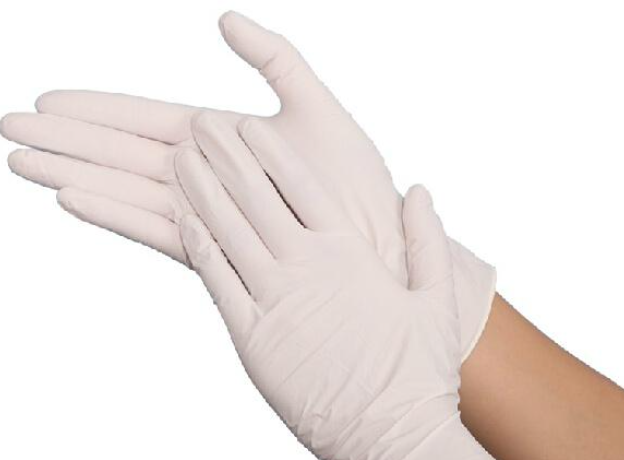
The medical glove market is not immune to global shocks.
- Raw Material Volatility: As seen during the COVID-19 pandemic, prices for nitrile butadiene rubber (NBR) and natural latex can spike due to supply chain disruptions, surging demand, and logistical bottlenecks. This volatility is directly passed down.
- Geopolitical and Trade Factors: Tariffs, trade policies, and political stability in major producing nations (Malaysia, Thailand, China, Vietnam) impact costs. Anti-dumping duties on certain glove imports can also alter market prices.
- Logistics and Freight Costs: The price of shipping a 40-foot container from Southeast Asia to North America or Europe can fluctuate wildly, affecting the landed cost of gloves.
- Energy Costs: Manufacturing is energy-intensive, and spikes in energy prices increase production costs.
For healthcare administrators, the true cost of a medical glove extends beyond the invoice price.
- Failure Cost: A glove that tears during a procedure (a higher failure rate linked to a higher AQL or inferior material) can lead to costly protocol breaks, potential exposure incidents, and wasted time. The "cheapest" glove may carry hidden clinical and liability risks.
- User Preference and Efficiency: Gloves that are uncomfortable, difficult to don, or cause allergies (like some latex gloves) can slow down workflows, contribute to staff dissatisfaction, and lead to increased usage as staff change gloves more frequently.
- Compatibility with Procedures: In a medical visualization setting, such as during a procedure with a flexible laryngoscope or image processor, a clinician needs a medical glove that provides excellent tactile sensitivity and reliable barrier protection. Compromising on quality for price can impede procedural success and safety.
Determining "how much" medical gloves cost requires a nuanced analysis that moves beyond simple unit price comparison. It involves evaluating the total value: the intrinsic quality and safety assurance of the product, the reliability of the supply chain, and the total cost of ownership within a clinical workflow. For high-risk, high-value environments—like an operating room or an interventional suite using our medical image processors—investing in premium, reliable medical gloves is a non-negotiable component of patient and staff safety. In contrast, for low-risk, non-sterile tasks, a cost-effective examination glove may be appropriate. Ultimately, informed procurement decisions balance fiscal responsibility with an unwavering commitment to quality, recognizing that the humble medical glove is a critical component in the architecture of modern healthcare delivery.

For standard, non-sterile, powder-free nitrile examination gloves (AQL 2.5-1.5) purchased through medical distributors, prices typically range from $8 to $20 per box of 100, translating to 8 to 20 cents per glove. Prices at the lower end often reflect very high-volume purchases, while the higher end may include features like higher thickness, textured grip, or premium certifications. Retail consumer prices can be significantly higher.
Surgical medical gloves command a substantial premium due to exponentially higher manufacturing standards. They must meet a much stricter Acceptable Quality Level (AQL of 1.0 or lower, meaning far fewer defects), undergo 100% leak testing, have more precise anatomical sizing, and possess higher tensile strength and elongation. Crucially, they are terminally sterilized (e.g., with Ethylene Oxide gas), a costly and tightly regulated process that exam gloves do not undergo.
Bulk purchasing dramatically reduces the per-unit cost. Economies of scale in manufacturing, shipping, and handling are passed on to the buyer. Purchasing a full container load (which can hold hundreds of thousands of gloves) can reduce the cost per glove by 30-50% or more compared to buying individual pallets or cases. This is why large hospital systems and national procurement agencies buy in massive volumes.
The pandemic caused unprecedented price volatility and spikes. Extreme global demand, coupled with supply chain disruptions, raw material shortages (especially for nitrile), and logistical chaos, led to prices increasing by 300-500% or more at the peak. While prices have receded from these historic highs, the market remains more volatile and sensitive to global events than in the pre-pandemic era.
The cost-effectiveness analysis depends on more than just the unit price. While nitrile gloves generally have a higher purchase price than latex, a switch can lead to savings by eliminating costs associated with latex allergy management: reduced allergy testing, fewer worker compensation claims for allergic reactions, less staff downtime, and avoidance of potential litigation. The total cost of ownership, including these risk mitigations, often justifies the transition to synthetic medical gloves like nitrile.


