
Views: 222 Author: Lake Publish Time: 2026-01-25 Origin: Site


Content Menu
● Fundamental Principles of Medical Glove Use
>> The Dual Purpose of Medical Gloves
>> Standard Precautions and Transmission-Based Precautions
>> The Hierarchy of Controls Perspective
● Specific Clinical Scenarios Requiring Medical Gloves
>> Direct Patient Care Activities
>> Handling Contaminated Materials and Equipment
>> Laboratory and Diagnostic Settings
● Situations Where Medical Gloves Are Not Required
>> Routine Patient Contact Without Exposure Risk
>> Administrative and Non-Clinical Tasks
>> The Problem of Overuse and Misuse
● Selection Criteria for Appropriate Medical Gloves
>> Sterile Versus Non-Sterile Gloves
>> Task-Specific Considerations
● Proper Donning and Doffing Techniques
● Special Considerations and Emerging Issues
>> Extended Use and Reuse Controversies
>> Environmental Impact and Sustainability
● Training and Compliance Monitoring
>> Quality Improvement Initiatives
● Frequently Asked Questions (FAQ)
>> 1. Should medical gloves be worn when giving intramuscular or subcutaneous injections?
>> 2. Is it necessary to change medical gloves between different tasks with the same patient?
>> 3. How do medical glove requirements differ for airborne versus contact precautions?
>> 4. Can medical gloves be used as a substitute for hand hygiene?
The appropriate use of medical gloves represents a fundamental aspect of infection prevention and occupational safety in healthcare settings worldwide. These essential personal protective equipment (PPE) items serve as a critical barrier between healthcare workers and potential pathogens, hazardous substances, and bodily fluids. However, the decision of when to wear medical gloves involves more complexity than simply donning them for every patient interaction. This comprehensive guide examines the evidence-based protocols, clinical scenarios, and regulatory standards governing the proper use of medical gloves in medical environments. Understanding these guidelines is essential for protecting both healthcare providers and patients while ensuring efficient clinical workflows.

Medical gloves serve two primary functions in healthcare settings: protecting healthcare workers from exposure to potentially infectious materials, and preventing the transmission of microorganisms from healthcare workers to patients. This bidirectional protection is fundamental to standard precautions in infection control. When used correctly, medical gloves form part of a comprehensive approach that includes hand hygiene, appropriate PPE selection, and environmental controls.
Standard precautions form the foundation of medical glove utilization protocols. These universal precautions assume that all blood, body fluids, secretions, excretions (except sweat), non-intact skin, and mucous membranes may contain transmissible infectious agents. Within this framework, medical gloves should be worn when anticipating contact with these substances. Transmission-based precautions (contact, droplet, and airborne) provide additional guidance for specific pathogens, often requiring medical gloves as part of more extensive PPE ensembles.
From an occupational safety perspective, medical gloves represent a form of personal protective equipment, which sits at the lower levels of the hierarchy of controls. While engineering controls and administrative controls should be prioritized where feasible, medical gloves remain essential when exposure to hazardous materials cannot be eliminated through higher-level controls. This positioning within the safety hierarchy underscores that medical gloves are necessary but should not be viewed as a standalone solution to infection risks.
Healthcare workers should wear medical gloves during numerous direct patient care activities, including:
- Contact with blood, bodily fluids, secretions, and excretions: This includes procedures involving venipuncture, wound care, suctioning, and handling laboratory specimens. Medical gloves provide essential barrier protection during these high-exposure-risk activities.
- Contact with mucous membranes and non-intact skin: Examination or procedures involving the eyes, nose, mouth, genital areas, or any broken skin require medical gloves to prevent cross-contamination.
- Invasive procedures: All surgical procedures, dental procedures, and other invasive interventions necessitate sterile medical gloves to maintain aseptic technique and prevent surgical site infections.
- Contact precautions patients: When caring for patients with known or suspected infections transmitted by contact (such as MRSA, VRE, or C. difficile), medical gloves should be worn for all interactions involving contact with the patient or their immediate environment.
Medical gloves are essential when handling items contaminated with potentially infectious materials:
- Processing contaminated instruments: Reprocessing used medical devices, particularly sharps, requires medical gloves to prevent percutaneous injuries and exposure to residual biological materials.
- Handling soiled linens and clothing: Medical gloves protect healthcare workers from exposure when managing laundry contaminated with blood or bodily fluids.
- Cleaning and disinfection procedures: Environmental services staff should wear appropriate medical gloves when cleaning patient care areas, particularly after patient discharge or when dealing with known contamination.
- Waste management: Handling regulated medical waste, including disposal of used medical gloves themselves, requires fresh medical gloves to prevent secondary exposure.
In laboratory environments, medical gloves serve multiple protective functions:
- Processing patient specimens: All handling of blood, tissue, fluid, or microbiological specimens requires appropriate medical gloves to prevent laboratory-acquired infections.
- Chemical handling: When working with hazardous chemicals, fixatives, or stains, appropriate chemical-resistant medical gloves should be selected based on the specific substances being handled.
- Microbiological work: Culture manipulation, especially with potentially pathogenic organisms, necessitates medical gloves as part of comprehensive biosafety practices.
Evidence-based guidelines indicate that medical gloves are not necessary for routine patient care activities that do not involve anticipated exposure to blood, bodily fluids, or contaminated surfaces. These include:
- Taking vital signs (blood pressure, pulse, temperature, respiratory rate) on intact skin
- Performing physical examinations on intact skin without contact with mucous membranes
- Administering oral medications without direct contact with patient secretions
- Feeding patients or assisting with mobility when no soiling is present
- General patient interaction such as holding hands or providing comfort
Healthcare personnel should not wear medical gloves when performing tasks with no patient contact or infection risk, including:
- Documentation using computers, charts, or mobile devices
- Answering phones or using other communication equipment
- Handling clean supplies or medication packaging
- Personal activities such as eating, drinking, or using personal electronic devices
Inappropriate use of medical gloves presents several problems:
- Resource waste: Unnecessary consumption of medical gloves represents significant financial and environmental costs without providing commensurate protection benefits.
- Cross-contamination risk: Healthcare workers who wear the same medical gloves between multiple tasks or patients, or who touch clean surfaces with contaminated medical gloves, may actually increase transmission risks rather than reducing them.
- Hand hygiene compromise: Studies have shown that healthcare workers who wear medical gloves are less likely to perform appropriate hand hygiene, creating a false sense of security that can increase infection risks.
- Skin damage: Prolonged and unnecessary wear of medical gloves can contribute to dermatological issues, particularly when hand hygiene practices between uses are inadequate.
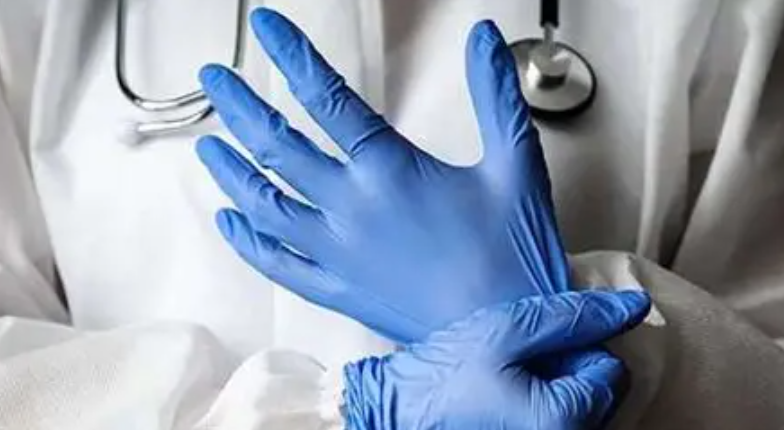
Choosing the right type of medical gloves for specific tasks is essential:
- Latex gloves: Offer excellent tactile sensitivity and fit but pose allergy risks for some healthcare workers and patients. Their use requires consideration of latex allergy protocols.
- Nitrile gloves: Provide good chemical resistance and are suitable for most clinical applications. They are generally latex-free and offer good puncture resistance.
- Vinyl gloves: Typically used for short-duration, low-risk procedures. They offer less elasticity and barrier protection than latex or nitrile options.
- Specialized gloves: Include surgical medical gloves with enhanced sensitivity, chemo-rated medical gloves for hazardous drug handling, and insulated medical gloves for specific procedures.
The distinction between sterile and non-sterile medical gloves determines their appropriate applications:
- Sterile medical gloves: Required for all surgical procedures, vaginal deliveries, invasive radiological procedures, central line insertions, and any procedure involving contact with normally sterile body areas.
- Non-sterile medical gloves: Appropriate for examination purposes, non-invasive procedures, handling contaminated materials, and patient care activities with anticipated fluid exposure but not requiring maintenance of a sterile field.
Different clinical tasks require different medical glove properties:
- Examination procedures: Typically use non-sterile examination medical gloves with good tactile sensitivity.
- Procedures with sharps: Require medical gloves with enhanced puncture resistance, often indicated by higher mil thickness or specifically tested materials.
- Chemical exposure tasks: Necessitate chemical-resistant medical gloves tested against the specific substances being handled.
- Extended wear situations: May benefit from medical gloves with breathable properties or inner coatings to reduce moisture accumulation.
When medical gloves are part of a larger PPE ensemble, they should typically be donned last, after other protective equipment such as gowns, masks, and eye protection. This sequencing helps ensure that the cuffs of the medical gloves cover the gown sleeves, providing a continuous protective barrier.
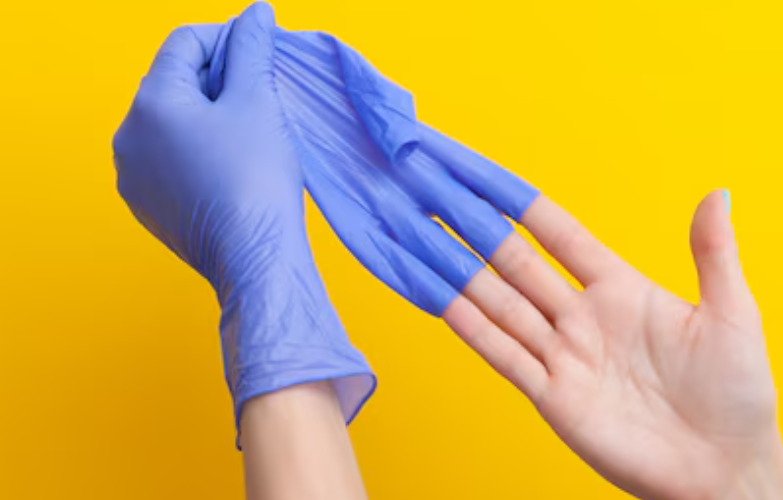
Proper donning of medical gloves involves:
1. Performing hand hygiene immediately before donning medical gloves
2. Selecting the appropriate type and size of medical gloves
3. Handling medical gloves only by the cuff area to avoid contaminating the portion that will contact the patient or procedure site
4. Ensuring medical gloves fully cover the wrists and any underlying gown cuffs
5. Checking for tears, holes, or defects before beginning patient care
The doffing process for medical gloves is equally critical:
1. Removing medical gloves without contaminating bare hands by using proper technique (grasping the outside of one glove with the opposite gloved hand, peeling it off, then sliding fingers under the remaining glove to remove it without touching the exterior)
2. Discarding used medical gloves immediately into appropriate waste containers
3. Performing hand hygiene immediately after removing medical gloves, regardless of whether another pair will be donned
4. Never washing or reusing disposable medical gloves
During supply shortages or pandemic conditions, some facilities have considered extended use or limited reuse of medical gloves. These practices generally contradict standard infection control principles and should only be considered under crisis capacity strategies with specific risk assessments and protocols.
The environmental consequences of increased medical glove usage have gained attention. Some facilities are exploring more sustainable options, including gloves made from alternative materials or implementing waste reduction strategies while maintaining safety standards.
Emerging technologies in medical glove design include:
- Smart gloves with embedded sensors to monitor donning time and prompt changes
- Antimicrobial coatings that provide additional protection against pathogen transmission
- Enhanced materials offering better protection with reduced thickness for improved dexterity
- Biodegradable options that address environmental concerns without compromising safety
Effective medical glove use requires comprehensive education covering:
- Indications and contraindications for medical glove use
- Proper selection based on task and material compatibility
- Correct donning and doffing techniques
- Integration with hand hygiene practices
- Situational awareness regarding changing gloves between tasks and patients
Healthcare facilities should implement regular competency assessments for medical glove use, including:
- Direct observation of proper donning and doffing techniques
- Knowledge testing on appropriate indications for use
- Audits of compliance with glove use protocols
- Feedback mechanisms for staff to report issues with available medical glove products
Ongoing monitoring of medical glove practices can identify opportunities for improvement:
- Tracking medical glove utilization rates in relation to patient encounters
- Monitoring compliance with glove use indications through observational audits
- Assessing the relationship between medical glove practices and healthcare-associated infection rates
- Evaluating staff satisfaction and comfort with available medical glove options
The appropriate use of medical gloves in healthcare represents a critical balance between necessary protection and judicious resource utilization. By understanding and implementing evidence-based guidelines for when to wear medical gloves, healthcare facilities can optimize both patient and worker safety while promoting efficient clinical practice. The fundamental principle remains that medical gloves should be worn when anticipating contact with blood, bodily fluids, mucous membranes, non-intact skin, or contaminated equipment and surfaces. However, indiscriminate use of medical gloves for all patient interactions is neither necessary nor beneficial, potentially leading to resource waste, cross-contamination risks, and reduced attention to hand hygiene. As healthcare continues to evolve with new challenges and technologies, ongoing education, appropriate selection, and proper technique in medical glove use will remain essential components of comprehensive infection prevention programs. Facilities that foster a culture of thoughtful PPE use, supported by clear protocols and regular training, will be best positioned to protect both their staff and their patients while utilizing resources responsibly.
Contact us to get more information!
According to standard precautions, medical gloves are not routinely required for administering intramuscular or subcutaneous injections if the healthcare worker's hands will not come into contact with blood or bodily fluids. However, medical gloves should be worn if blood exposure is anticipated, if the injection site is bleeding, or if the healthcare worker has open lesions on their hands. The key consideration is whether there is reasonable anticipation of contact with blood or bodily fluids during the procedure.
Yes, medical gloves should be changed between different tasks or procedures on the same patient, particularly when moving from a contaminated body site to a clean body site. This practice prevents cross-contamination between different anatomical areas. Additionally, medical gloves should be removed and hand hygiene performed when leaving the patient's environment, even if returning shortly.
For contact precautions, medical gloves should be worn for all entries into the patient room and for all contact with the patient or their environment. For airborne precautions, medical gloves are required when contact with the patient or contaminated surfaces is anticipated, but respiratory protection (N95 or equivalent) is the primary emphasis. In both cases, medical gloves are donned upon room entry and removed before exit, followed by hand hygiene.
No, medical gloves should never be used as a substitute for proper hand hygiene. Hand hygiene must be performed before donning medical gloves and immediately after removing them. Medical gloves are not impermeable, and hands can become contaminated during removal. Additionally, medical gloves may have microscopic defects that allow pathogen transmission.
During medication preparation (including intravenous admixtures), medical gloves should be worn if there is risk of exposure to hazardous drugs or if aseptic technique requires them. For medication administration, medical gloves are generally not required unless contact with blood or bodily fluids is anticipated. However, specific hazardous drugs may require specialized chemo-rated medical gloves during both preparation and administration.
[1] https://www.cdc.gov/infection-control/hcp/isolation-precautions/index.html
[2] https://www.who.int/publications/i/item/WHO-2019-nCoV-IPC-2020.4
[3] https://www.cdc.gov/hand-hygiene/index.html
[4] https://www.osha.gov/laws-regs/regulations/standardnumber/1910/1910.1030
[5] https://www.fda.gov/medical-devices/personal-protective-equipment-infection-control/medical-gloves
[6] https://www.cdc.gov/infection-control/hcp/healthcare-personnel-ppe/index.html


