
Views: 222 Author: Lake Publish Time: 2026-01-15 Origin: Site


Content Menu
● Introduction: The Spanish Healthcare Ecosystem
● Key Domestic and International Players in Spain
● Major Distributors and Specialist Suppliers in Spain
>> 1. Vygon España (Also as Distributor)
>> 4. Grupo Hospitalario / Large Private Hospital Procurement Groups
● Market Dynamics and Procurement Trends
● The Role of OEM Partnerships and Localization
● Frequently Asked Questions (FAQ)
>> 1. What are the main regulatory requirements for video laryngoscopes in Spain?
>> 2. How does public procurement work for medical devices in Spain?
>> 3. Are Spanish hospitals more interested in disposable or reusable video laryngoscopes?
>> 4. What is the typical sales and support channel for this equipment?
>> 5. How important is clinical training and education for market success in Spain?
The advancement of airway management is inextricably linked to the clarity and reliability of visualization technology. The video laryngoscope has transitioned from a specialized tool for difficult airways to a recommended first-line device in many protocols, underscoring its critical role in patient safety. Spain, with its sophisticated public healthcare system (Sistema Nacional de Salud), renowned medical research institutions, and a strategic position within the European Union, represents a mature and influential market for this technology. This article provides an in-depth analysis of the top video laryngoscope manufacturers and suppliers in Spain, offering a roadmap for healthcare providers, procurement professionals, and international partners navigating this established yet evolving landscape.
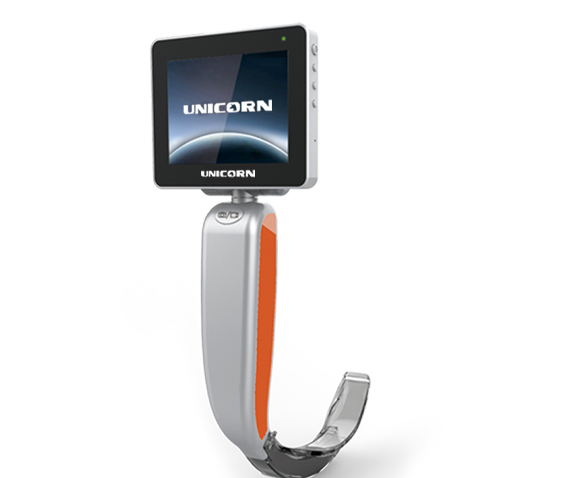
Spain's healthcare system is a blend of universal public coverage and a complementary private sector, both demanding high standards of care. Procurement is highly decentralized, with Spain's 17 autonomous regions managing their own healthcare budgets and tenders, while the central government sets overarching policy. This structure creates a market that values clinical evidence, robust after-sales support, and compliance with stringent EU regulations (Medical Device Regulation - MDR). For video laryngoscope manufacturers and suppliers, success in Spain requires not only a superior product but also a deep understanding of regional procurement nuances and a strong local presence.
While Spain is not a global hub for the original manufacture of highly complex video laryngoscope systems, it hosts significant European operations of multinational corporations and has a network of specialized distributors and system integrators.
As the Spanish subsidiary of the German global leader Dräger, this company is a pivotal player. Dräger manufactures and supplies a comprehensive range of anesthesia and critical care workstations, which often integrate seamlessly with their video laryngoscope offerings. Their strength lies in providing complete ecosystem solutions for the operating room and ICU, making them a top-tier manufacturer and supplier for large public hospital tenders seeking integrated equipment.
The Spanish arm of Medtronic, a world leader in medical technology. Medtronic, through its acquisition of Covidien and others, has a strong portfolio in airway management, including the renowned McGrath™ MAC video laryngoscope series. They combine global R&D with a direct commercial and clinical support structure in Spain, positioning them as a dominant force, especially in the disposable and reusable video laryngoscope segments.
A European leader in critical care and surgery, VYGON has a strong direct commercial operation in Spain. They develop, manufacture, and distribute a wide range of single-use and reusable medical devices. While perhaps not a primary manufacturer of the core video electronics, VYGON is a crucial supplier and may offer video laryngoscope solutions under their brand or through partnerships, leveraging their extensive access to Spanish ICUs and ORs.
Teleflex is a global provider of medical technologies, with a significant presence in vascular and interventional access, as well as anesthesia. Their portfolio includes airway devices, and they are a key supplier of various medical technologies to the Spanish market. They may distribute video laryngoscope systems as part of broader airway management kits or solutions.
Given the regionalized procurement, specialized distributors are essential for market penetration, especially for international brands without a direct Spanish subsidiary.
In addition to its own products, Vygon acts as a powerful distributor for complementary international brands, providing a full-service channel to market with clinical specialists and regulatory expertise.
A global manufacturer and distributor focused on respiratory care, Intersurgical has a strong direct presence in Spain. They are a major supplier of airway management consumables and devices, and may partner with or distribute video laryngoscope systems that complement their portfolio of face masks, breathing filters, and tracheostomy tubes.
A Spanish company specializing in the import, marketing, and servicing of high-tech medical equipment for critical care, surgery, and imaging. Companies like Witten Biomed are typical of the sophisticated regional distributors that provide the sales, training, and technical support required for complex devices like video laryngoscopes, acting as the authorized local partner for international manufacturers.
Entities like Quirónsalud (a large private hospital group) often have centralized procurement departments that negotiate directly with manufacturers and suppliers at a national or European level. Securing a contract with such a group can guarantee significant volume across multiple facilities.

Characteristics:
- Evidence-Based Adoption: Spanish anesthesiologists and intensivists are highly trained and influenced by clinical studies. Adoption of video laryngoscope technology is driven by proven outcomes in reducing complications and improving first-pass success.
- Public Tender Dominance: Most sales in the public system occur through complex, competitive public tenders issued by regional health services. These tenders have strict technical specifications (often referencing ISO standards and requiring CE Marking under MDR) and emphasize lifecycle cost, not just upfront price.
- Growth of Disposable Devices: Mirroring global trends, there is increasing interest in single-use video laryngoscope blades and handles to eliminate cross-contamination risk and reprocessing costs, a trend accelerated by the pandemic.
- Integration with IT Systems: There is growing demand for devices that can interface with hospital information systems (HIS) and medical image processors for documentation and telemedicine purposes.
For international video laryngoscope manufacturers, the Spanish market often necessitates a localized strategy:
- Establishing a Local Entity or Partner: Either setting up a Spanish subsidiary or, more commonly, appointing an exclusive and capable national distributor or clinical partner.
- MDR Compliance: Ensuring full compliance with the EU's Medical Device Regulation (MDR 2017/745), with all necessary technical documentation and clinical evaluation reports readily available in Spanish.
- Clinical Training and Support: Providing comprehensive training programs in Spanish and ensuring readily available technical service are non-negotiable requirements for market acceptance.
- Bundling with Broader Solutions: For companies like ours, there is potential to bundle video laryngoscope systems with complementary visual flexible laryngoscopes or bronchoscopy workstations as part of a complete airway management solution for hospital tenders.
The Spanish market for video laryngoscope manufacturers and suppliers is defined by its clinical sophistication, decentralized yet rigorous procurement processes, and full integration within the European regulatory framework. While dominated by the Spanish subsidiaries of multinational giants like Dräger and Medtronic, the market retains crucial roles for specialized distributors and system integrators who provide the essential local interface. Success requires a dual focus: offering technologically advanced, MDR-compliant products with strong clinical validation, and pairing them with an unwavering commitment to local clinical support and service. For international companies, whether as manufacturers or suppliers, navigating the regional tender landscape through a strong local partner is often the key to sustainable growth. As Spain continues to embrace digitalization in healthcare, the demand for intelligent, connected, and cost-effective video laryngoscope solutions is set to remain strong, ensuring this market's continued importance on the European medtech stage.
As a member of the European Union, Spain requires all video laryngoscopes to comply with the EU Medical Device Regulation (MDR 2017/745). This mandates:
- CE Marking under the appropriate risk class (typically Class IIa or higher).
- A European Authorized Representative if the manufacturer is based outside the EU.
- Full technical documentation and a Clinical Evaluation Report (CER).
- Post-market surveillance and vigilance reporting.
Spanish authorities monitor compliance, and devices are subject to review by notified bodies.
Public procurement is highly decentralized, managed by the 17 autonomous regions and their individual health services (e.g., *Servicio Andaluz de Salud*, *Salut* in Catalonia). Each region issues its own tenders (*licitaciones*), which are published on official platforms. The process is extremely competitive, with detailed technical specifications, and awards are based on a mix of criteria including price, technical merit, clinical support, and lifecycle cost. Having a local entity or partner to manage these tender processes is essential.
There is a growing and significant interest in disposable/single-use video laryngoscope systems, particularly for blades and handles. This is driven by:
- Infection Control: Eliminating the risk of cross-contamination and problems with reprocessing.
- Operational Simplicity: No need for costly and complex reprocessing cycles.
- Cost Predictability: Shifting from high capital expenditure to a predictable per-use cost.
Reusable systems remain in use, especially in high-volume settings where total cost of ownership is favorable, but the trend favors disposables.
The channel varies:
- Multinationals (e.g., Dräger, Medtronic): Often use a direct sales force for large accounts and key tenders, supported by in-house clinical specialists.
- Other International Brands: Almost exclusively rely on exclusive national distributors (like Witten Biomed) or the distribution arms of large companies (like Vygon or Intersurgical). These distributors provide sales, marketing, clinical training, and after-sales service.
- Private Hospital Groups: May procure directly from manufacturers or preferred suppliers under framework agreements.
Extremely important, often a decisive factor. Spanish clinicians are highly educated and value hands-on training and continuous medical education. Video laryngoscope manufacturers and suppliers who invest in comprehensive training programs—including simulation-based workshops, procedural videos in Spanish, and access to clinical experts—build stronger adoption and brand loyalty. Support for clinical studies and publications within the Spanish medical community also enhances credibility.
[1] https://www.boe.es/legislacion/codigos/codigo.php?id=058_Real_Decreto_legislativo_1_2015&modo=2
[2] https://ec.europa.eu/growth/sectors/medical-devices_en
[3] https://www.draeger.com/es_es/Home
[4] https://www.medtronic.com/es-es/index.html
[5] https://www.vygon.com/es/
[6] https://www.intersurgical.com/es
[7] https://www.aemps.gob.es/


