


Content Menu
● Understanding Medical Glove Materials
● The Science of Porosity in Medical Gloves
● Testing Methods and Standards
● Practical Implications in Healthcare Settings
>> 1. Can viruses penetrate through medical gloves?
>> 2. How often should medical gloves be changed during patient care?
>> 3. Do medical gloves expire, and does expiration affect porosity?
>> 4. Which type of medical glove provides the best barrier protection?
>> 5. How effective are medical gloves at preventing bacterial transmission?
In healthcare settings worldwide, medical gloves serve as the first line of defense for both healthcare professionals and patients. These essential protective barriers are designed to prevent the transmission of microorganisms and reduce the risk of contamination during medical procedures. However, a critical question often arises among users: Are medical gloves truly impermeable, or do they possess microscopic pores that could compromise their protective function? The answer to this question carries significant implications for infection control protocols and workplace safety standards across medical and laboratory environments.
The porosity of medical gloves represents a fundamental consideration in their effectiveness as protective equipment. While these gloves are manufactured to create a reliable barrier, understanding their material properties and potential limitations is crucial for proper usage. This comprehensive examination explores the structural characteristics of different types of medical gloves, evaluates their permeability to various substances, and discusses the practical implications for healthcare settings. By addressing this question directly, we can better understand the appropriate applications and limitations of these essential medical devices.
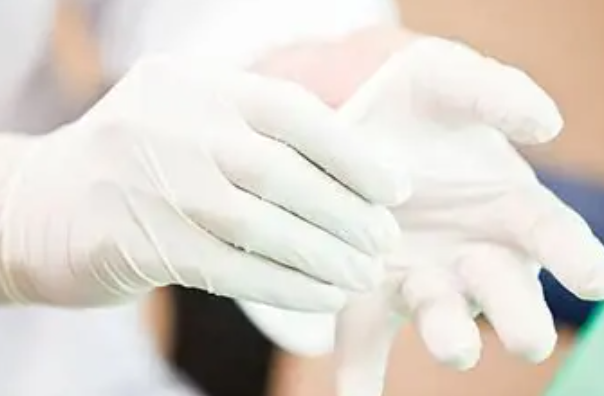
To comprehend the potential porosity of medical gloves, we must first examine their material composition and manufacturing processes. The majority of medical gloves available on the market fall into three primary categories: latex, nitrile, and vinyl. Each material possesses distinct characteristics that influence its barrier properties and potential porosity.
Latex medical gloves, derived from natural rubber, have been the traditional choice in healthcare settings for decades. The manufacturing process involves collecting latex sap from rubber trees, followed by compounding with various chemicals to enhance strength and elasticity. The material is then formed into gloves through a dipping process. While latex offers excellent tactile sensitivity and fit, the natural protein structure creates potential vulnerabilities. Microscopic examination reveals that latex gloves contain inherent material variations that could theoretically permit the passage of extremely small particles, though these are typically at a scale that prevents bacteria and virus transmission under normal conditions.
Nitrile medical gloves have gained significant popularity as a synthetic alternative to latex. Composed of acrylonitrile-butadiene copolymer, these gloves are manufactured through a complex chemical process that creates a more uniform molecular structure. The absence of natural proteins makes nitrile less likely to develop microscopic imperfections during manufacturing. Studies comparing the barrier properties of different medical gloves have demonstrated that nitrile typically exhibits superior resistance to chemicals and punctures while maintaining consistent barrier integrity. The synthetic composition allows for more controlled manufacturing, potentially reducing the incidence of microscopic pores that might compromise protection.
Vinyl medical gloves, made from polyvinyl chloride (PVC), represent another synthetic option. The manufacturing process involves plasticizing PVC to create flexible gloves. While cost-effective, vinyl gloves generally provide less elastic recovery and may develop microscopic tears during extended use. Research has indicated that vinyl medical gloves may have slightly higher permeability to certain substances compared to their latex and nitrile counterparts, particularly when stretched or stressed during clinical procedures.
The concept of porosity in medical gloves requires examination at both microscopic and molecular levels. When discussing whether medical gloves are porous, we must distinguish between intrinsic material permeability and defects that may occur during manufacturing or use.
At the molecular level, all materials used in medical gloves demonstrate some degree of permeability, which varies according to the substance encountered. The polymer chains that form these materials contain natural spaces between molecules that may allow the passage of certain chemicals and substances under specific conditions. This permeability is distinct from porosity, which typically refers to actual holes or voids in the material structure.
Research has demonstrated that medical gloves can be permeable to various substances without necessarily being porous in the conventional sense. The distinction is crucial: permeability refers to the molecular diffusion through the glove material, while porosity indicates the presence of physical holes or channels. High-quality medical gloves are designed to minimize both permeability and porosity, but cannot eliminate molecular-level permeability entirely.
Studies examining the integrity of medical gloves have utilized various methods to detect potential pores, including water leak tests, air inflation, and microscopic analysis. These investigations have revealed that even brand new, unused medical gloves may contain microscopic imperfections depending on the manufacturing quality control standards. The incidence of such defects varies significantly between manufacturers and glove materials, with higher-quality medical gloves typically undergoing more rigorous quality assurance testing.
The thickness of medical gloves also plays a significant role in their barrier properties. Standard examination medical gloves typically range from 0.08 to 0.15 mm in thickness, while surgical and specialty medical gloves may be considerably thicker. Thinner medical gloves naturally present increased vulnerability to permeation and potential porosity, though advances in material science have enabled the production of thin yet strong gloves with enhanced barrier properties.
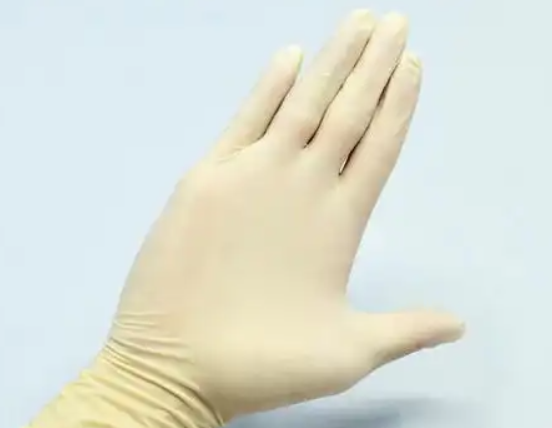
The assessment of medical gloves for porosity and integrity follows established international standards to ensure consistency and reliability. These standardized testing methods help manufacturers maintain quality and provide healthcare facilities with evidence-based selection criteria.
The water leak test represents one of the most common methods for evaluating the integrity of medical gloves. This procedure, standardized by organizations such as ASTM International, involves filling medical gloves with 1000 ml of water and observing for any leaks over a specified period. While this method effectively detects larger defects, it may not identify microscopic pores that could still permit the passage of viruses or bacteria.
More sensitive testing methods include the air inflation test, where medical gloves are filled with air and submerged in water to detect escaping bubbles indicating holes or weak spots. Electronic conductivity testing provides even greater sensitivity, capable of identifying microscopic imperfections that would go undetected through visual inspection or water testing alone.
International standards organizations have established rigorous testing protocols for medical gloves. The ASTM D3577 standard for rubber examination medical gloves and ASTM D3578 for rubber surgical medical gloves specify requirements for physical dimensions, physical properties, and freedom from holes. Similarly, the ISO 10282 standard sets requirements for sterile surgical medical gloves, while ISO 11193 covers both sterile and non-sterile examination medical gloves.
These standards typically allow for a very low maximum acceptable quality level (AQL) for defects. For surgical medical gloves, the AQL for pinholes is generally 1.5%, meaning that no more than 1.5% of gloves in a batch may contain defects. Examination medical gloves may have a slightly higher AQL, typically 2.5%. While these percentages seem low, they acknowledge that absolute perfection in mass-produced medical gloves is challenging to achieve.
The potential porosity of medical gloves carries significant implications for infection control practices in healthcare environments. Understanding these implications helps healthcare professionals implement appropriate protective measures and select the most suitable medical gloves for specific tasks.
In surgical settings, where exposure to blood and other potentially infectious materials is common, the integrity of medical gloves is paramount. Studies have indicated that glove perforation rates during surgery can range from 10% to 50%, depending on the procedure type and duration. These perforations represent macroscopic defects rather than microscopic porosity, but they highlight the vulnerability of medical gloves during use. The double-gloving technique has gained popularity as an effective strategy to mitigate this risk, providing an additional barrier when the outer glove is compromised.
For routine patient care and examination procedures, the risk associated with potential microscopic porosity in medical gloves must be balanced against the specific exposure risks. While intact medical gloves generally provide adequate protection against most microorganisms, certain viruses are small enough to potentially penetrate through microscopic pores, particularly if the gloves are stretched or stressed during use. This understanding has led to recommendations for glove changes between patients and after touching potentially contaminated surfaces, regardless of visible damage.
The chemical compatibility of medical gloves represents another important consideration. Research has demonstrated that certain chemicals, including chemotherapeutic drugs, disinfectants, and solvents, can permeate through medical gloves even without visible pores. This chemical permeability varies significantly between glove materials, with nitrile generally offering superior resistance to a wider range of chemicals compared to latex or vinyl medical gloves.
The duration of wear also affects the barrier properties of medical gloves. Studies have shown that the integrity of medical gloves can deteriorate with prolonged use, particularly when exposed to alcohol-based hand rubs or certain chemicals. Healthcare protocols typically recommend changing medical gloves after a specific duration of continuous use, typically not exceeding 60-90 minutes for examination gloves and sooner if contamination is suspected or visible damage occurs.
The question of whether medical gloves are porous requires a nuanced understanding of material science and practical healthcare applications. While high-quality medical gloves are designed and tested to minimize porosity, they are not absolutely impermeable to all substances. Microscopic imperfections can occur even in brand new gloves, and all glove materials demonstrate some degree of permeability at the molecular level, particularly when exposed to certain chemicals.
The protective efficacy of medical gloves depends on multiple factors, including material composition, manufacturing quality, thickness, and appropriate selection for specific tasks. Healthcare professionals must recognize that medical gloves serve as an important protective barrier but are not infallible. Proper glove usage should be integrated into a comprehensive infection control strategy that includes hand hygiene, appropriate glove selection, timely changing, and correct donning and doffing techniques.
Ongoing advancements in material science and manufacturing processes continue to enhance the barrier properties of medical gloves. Manufacturers are developing new formulations and technologies to reduce permeability and minimize defects, providing healthcare workers with increasingly reliable protection. Understanding the limitations and appropriate applications of medical gloves enables healthcare facilities to optimize their protective protocols and maintain the highest standards of patient and worker safety.
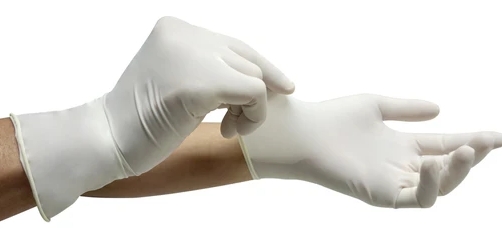
Most viruses are too large to pass through the microscopic pores in intact medical gloves. However, some studies have demonstrated that certain small viruses may theoretically penetrate through glove materials, particularly if the gloves are stretched or compromised. The primary risk of viral transmission comes from visible tears or punctures rather than microscopic porosity. Proper glove usage, including regular changes and inspection for damage, significantly reduces this risk.
Medical gloves should be changed between patients, between different procedures on the same patient, when moving from a contaminated body site to a clean body site, and immediately if any tearing or puncturing occurs. Continuous wear should generally not exceed 60-90 minutes, as prolonged use can compromise glove integrity through mechanical stress and chemical exposure.
Yes, medical gloves have expiration dates typically ranging from 3 to 5 years from manufacture. Over time, the material properties can degrade, potentially increasing porosity and reducing barrier effectiveness. Storage conditions significantly impact glove integrity, with excessive heat, light, or ozone exposure accelerating degradation. Always check expiration dates and avoid using expired medical gloves.
Nitrile medical gloves generally provide the best overall barrier protection against both biological and chemical hazards. They typically demonstrate superior puncture resistance and chemical permeability compared to latex or vinyl gloves. However, the optimal choice depends on the specific application, as different materials offer varying advantages for particular uses.
Intact medical gloves are highly effective at preventing bacterial transmission when used correctly. Studies have demonstrated barrier effectiveness exceeding 99% against bacteria when gloves remain undamaged. However, bacteria can readily transfer through tears, punctures, or during improper glove removal. Gloves should be used as part of a comprehensive hand hygiene program rather than as a standalone protective measure.
[1] https://www.fda.gov/medical-devices/personal-protective-equipment-infection-control/medical-gloves
[2] https://www.cdc.gov/niosh/npptl/topics/respirators/disp_part/gloves.html
[3] https://www.astm.org/Standards/medical-gloves-standards.html
[4] https://www.fda.gov/medical-devices/personal-protective-equipment-infection-control/medical-gloves
[5] https://www.cdc.gov/infectioncontrol/guidelines/gloves/index.html
[6] https://www.who.int/infection-prevention/publications/glove_use_guide.pdf
[7] https://www.ncbi.nlm.nih.gov/pmc/articles/PMC2878554/
[8] https://www.sciencedirect.com/science/article/pii/S0196655315006396
[9] https://journals.lww.com/joacp/Fulltext/2016/02020/Comparison_of_permeability_of_latex_and_nitrile.9.aspx


