
Views: 222 Author: Lake Publish Time: 2025-10-29 Origin: Site


Content Menu
● Russian Endoscopy Market Overview
● Key Endoscopy System Manufacturers and Suppliers
>> International Market Leaders
>> Russian Innovators and Suppliers
>> Distribution Networks and OEM Service Providers
● Technologies Shaping the Russian Endoscopy Landscape
>> Disposable Endoscopes and Infection Control
>> Ultra-HD, 3D, and Digital Visualization Suites
>> AI, Augmented Reality, and Robotic Assistance
>> Capsule Endoscopy for Non-Invasive Diagnostics
● Endoscopy Solutions for Specialized Clinical Needs
>> Gastrointestinal and General Surgery
● OEM/Private Label Partnerships: Customization and Regional Focus
● Market Segmentation, Growth Factors, and Forecasts
● Clinical Achievement and Quality Assurance
● Industry Challenges and Future Prospects
● FAQs
>> 1. What are the top endoscopy system manufacturers and suppliers in Russia?
>> 2. How large is the Russian endoscopy market in 2025?
>> 3. What new technologies are Russian hospitals adopting for endoscopic procedures?
>> 4. How are international endoscopy system manufacturers partnering with Russian organizations?
>> 5. What are the future prospects for endoscopy system suppliers in Russia?
The Russian endoscopy market has transformed over the last decade, fuelled by ongoing advancements in medical imaging, expansive government healthcare investments, and a relentless demand for minimally invasive diagnostics. Today, Russia stands out as a dynamic, innovation-driven landscape where international and domestic players collaborate and compete to deliver world-class visualization systems into hospitals, clinics, and operating rooms across the country. The result is a thriving sector where endoscopy system manufacturers and suppliers set the benchmark for clinical outcomes and technology adoption.[1][2][10]
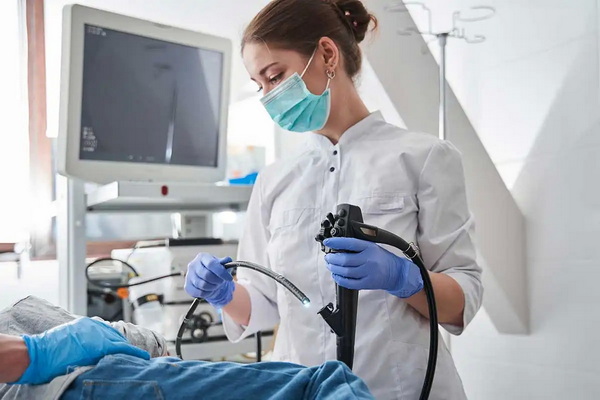
As of 2025, the Russian market for endoscopic devices is valued at approximately USD 185 million, anticipating a compound annual growth rate (CAGR) of over 7% through 2030 and set to reach almost USD 262 million by the decade's end. Flexible endoscopes and disposable solutions anchor this growth, reflecting Russia's increasing preference for advanced, hygienic medical technologies and less invasive surgical options. Aging populations, a sharp rise in gastrointestinal and oncological diseases, and expanding government screening programs are major driving forces behind this robust demand.[2][4][1]
Russia's growing health awareness is mirrored by a cultural shift toward proactive, preventive care. Hospitals and clinics are rapidly upgrading their diagnostic toolkits with high-definition and 3D visualization systems, aided by collaborative procurement and strong regulatory support for both domestic and imported equipment.[1][2]
- Olympus
Olympus sets industry standards in endoscopy, providing a full suite of flexible and rigid scopes, video imaging stations, processors, and advanced accessories for gastroenterology, pulmonology, and surgical visualization.[10][11]
- Stryker, KARL STORZ, Fujifilm, PENTAX Medical
These multinational enterprises lead in research-driven technical advances like ultra-HD 4K imaging, integrated operating room solutions, and endoscopic instrument sets customized for Russian clinical needs.[12][13][14][10]
- Smith & Nephew, Richard Wolf, ConMed, B. Braun
Trusted for specialized scopes, accessories, and after-sales service, these companies collaborate extensively with Russian distributors and clinics to design patient-centric, reliable workflows.[15][10]
- NIPK Electron Co.
One of Russia's flagship medical technology companies, NIPK Electron manufactures advanced endoscopy, imaging, and surgical navigation equipment, supplying both domestic hospitals and export markets. Their products are ISO and CE certified, and they're recognized for deep integration of digital medical workflows.[16][17]
- SpineMedics
A leading endoscopes supplier focusing on neuro, spinal, and orthopedic applications. SpineMedics partners with major international brands and local developers to innovate new flexible and single-use endoscope systems.[15]
- Smet
Smet specializes in nitinol instrumentation for both flexible and rigid scopes, addressing the durability, flexibility, and ease-of-use requirements critical to Russian surgeons.[18]
- MVS Group (Medical Visual Systems)
With a focus on digital ORs and ICU visualization, MVS integrates 4K and stereoscopic solutions, digital archiving, and real-time video streaming—key elements for modern Russian clinical environments.[19]
Distributors like Delrus, Dixion, and Aurummedical enable endoscopy system manufacturers and suppliers to reach every region of Russia, from urban Moscow to rural Siberia. These companies coordinate with both global OEM partners and local innovators, ensuring proper regulatory compliance and fast delivery of new devices.[20][21][22]
The Russian market is seeing accelerated adoption of single-use endoscopes, driven by growing hygiene awareness, regulatory guidelines to reduce the spread of hospital-acquired infections, and the usability needs of smaller clinics and outpatient centers. These devices simplify workflow, bypass costly reprocessing infrastructure, and limit cross-contamination risk.[23][1]
Russia's hospitals and surgical centers increasingly invest in 4K and 3D endoscopic imaging systems, delivering sharper anatomical detail, better tissue discrimination, and unprecedented intra-operative visualization. Systems provided by Olympus, Stryker, and KARL STORZ are routinely upgraded to support these high-definition modalities, often integrated with PACS and cloud archiving platforms for seamless workflow management.[14][24][19]
AI-powered image processing, augmented reality overlays, and robotic-enabled navigation are on the rise. These systems allow for stereoscopic surface reconstruction, predictive tissue separation, and smart localization—tools vital for complex procedures and early disease detection. Russian institutions increasingly take part in global collaborations, importing and developing these advanced technologies for site-specific needs.[11][25][26]
Capsule endoscopy enables non-invasive, full-tract GI imaging with minimal patient discomfort. Major providers like Medtronic, Olympus, and regional suppliers are scaling up these systems in Russia, especially for remote patient populations and regional hospital networks.[7][27]
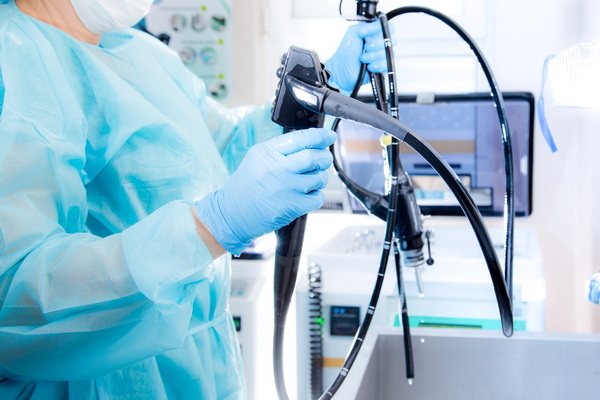
Disposable ureteroscopes and urethroscopes, as well as reprocessable high-definition video systems, have become essential in urological clinics across Russia. OEM vendors collaborate with local suppliers to develop custom kits for procedures like kidney stone removal and bladder tumor diagnostics, with systems from PENTAX, KARL STORZ, and Smet widely represented.[12][15]
Video bronchoscopes, flexible laryngoscopes, and integrated workstation solutions are increasingly common in respiratory medicine and ENT clinics. Russian and international brands align their portfolios with evolving clinical guidelines and local procurement systems, addressing everything from routine bronchoscopy to advanced airway management.[21][28]
Capsule systems, high-definition gastroscopes, and colonoscopes are both widely adopted and routinely upgraded in Russian hospitals. Regular national campaigns promote GI health, and partnerships between Russia's health ministry and leading producers boost accessibility to the latest diagnostic tools nationwide.[4][2]
One major trend is the proliferation of OEM (Original Equipment Manufacturing) agreements supporting Russian brand owners, manufacturers, and distributors. International endoscopy system manufacturers and suppliers offer private-label imaging platforms, tailored disposables, and integrated workstations for the Russian context. Successful OEM partnerships emphasize:[26][21][15]
- Compliance: Alignment with Russian GOST standards, international CE and ISO certifications.
- Localization: Language, software, and interface customization for Russian users and clinical protocols.
- Support: Full-cycle post-sales service, on-site training, and fast spare-part logistics.
The Russian endoscopy market is segmented by both application and product type: rigid endoscopes, robot-assisted systems, disposable scopes, capsule endoscopes, and flexible endoscopes. In 2023, flexible endoscopes represented almost half the market's revenue share, with disposable devices registering the fastest growth during the forecast period.[2][1]
Key growth drivers include:
- Rapid adoption of cancer screening programs and the rise in cancer prevalence—over 52,000 new breast cancer diagnoses annually in Russia alone.[2]
- Increasing geriatric population and chronic disease burden, furthered by government health initiatives.
- Investment in upgrading hospital infrastructure, with a strong focus on endoscopy and digital diagnostics in both metropolitan and regional centers.
- Rise in outpatient and ambulatory clinics, stimulating demand for portable, disposable, and easy-to-use systems.
International trends also influence Russia, from the expansion of single-use scope adoption to HD imaging infrastructure, minimally invasive procedures, and full digital archiving for quality control and telemedicine integration.[5][6]
Russian healthcare providers are setting high standards with their extensive procurement of endoscopy systems:
- Large-scale government contracts have supplied major teaching and regional hospitals with cutting-edge systems from Olympus, KARL STORZ, and Russian innovators, boosting patient access to minimally invasive procedures.
- Multi-disciplinary teams emphasize ongoing training, maintenance protocols, and clinical audit, resulting in well-maintained device fleets and low infection rates.
- Leading university hospitals and private clinics are recognized centers of excellence for procedures in pulmonology, GI, ENT, and surgery, powered by digital visualization technology and strict adherence to international best practices.
Despite its accelerating growth, Russia's endoscopy systems sector faces challenges:
- Economic fluctuations and currency volatility impact international procurement and OEM agreements.
- Regulatory harmonization between Russian and global certification standards adds complexity to equipment importation.
- Affordable access to top-tier technology remains uneven between urban and regional hospitals, but expanding distributor networks and government investment are mitigating gaps.
Looking forward, Russia's endoscopy system market promises continued advances:
- Extended reach of digital and cloud-based solutions for remote diagnostics and telemedicine.
- More widespread adoption of AI, robotics, and augmented visualization technologies.
- Stronger domestic R&D, yielding export-ready products with competitive performance and cost efficiency.
The Russian endoscopy sector is a testament to innovation, partnership, and strategic investment. Powered by leading global brands and a cohort of agile Russian innovators, the market offers rapid access to new clinical capabilities, robust training networks, and OEM solutions tailored for hospitals, distributors, and producers. As new technologies emerge and clinical demand grows, Russia will remain an attractive destination for endoscopy system manufacturers and suppliers seeking a vibrant, expanding, and fully integrated healthcare landscape.[10][1][2]
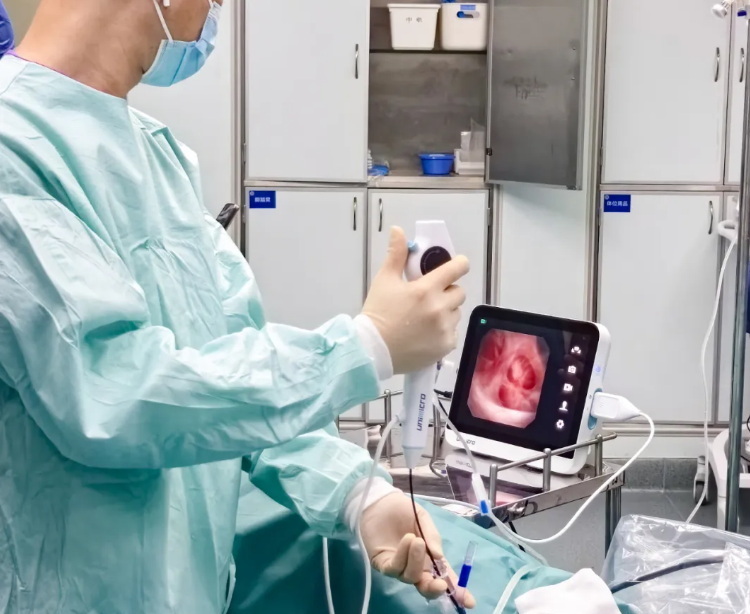
Major global brands—Olympus, Stryker, Fujifilm, PENTAX, KARL STORZ—coexist with well-established Russian companies including NIPK Electron, SpineMedics, Smet, and MVS Group.[16][10][15]
The market is valued at around USD 185 million in 2025 and will grow to nearly USD 262 million by 2030, propelled by flexible and disposable devices.[1][2]
Leading clinical sites use ultra-HD, 3D, single-use scopes, capsule endoscopy, and AI-powered image processing for advanced diagnostics and surgical navigation.[7][25][14]
Global firms provide OEM, private label, support for regulatory compliance, and training, collaborating with distributors and hospitals to deliver customized workflows.[20][21][26]
The future includes wider introduction of digital and AI visualization, expanded access to affordable disposables and capsule systems, and continued growth propelled by investments in hospital infrastructure and clinical education.[10][1][2]
[1](https://www.statista.com/outlook/hmo/medical-technology/medical-devices/endoscopic-devices/russia)
[2](https://www.grandviewresearch.com/horizon/outlook/endoscopes-market/russia)
[3](https://www.6wresearch.com/industry-report/russia-endoscopy-devices-market)
[4](https://www.cognitivemarketresearch.com/gastrointestinal-endoscopy-market-report)
[5](https://www.snsinsider.com/reports/endoscopy-devices-market-8556)
[6](https://www.marketsandmarkets.com/Market-Reports/endoscopy-devices-market-689.html)
[7](https://www.medicaldevice-network.com/data-insights/capsule-endoscopes-russia-market-size/)
[8](https://www.futuremarketinsights.com/reports/flexible-endoscopes-market)
[9](https://www.databridgemarketresearch.com/reports/global-gastrointestinal-endoscopy-market)
[10](https://www.medicaldevice-network.com/data-insights/market-share-analysis-endoscopy-visualization-systems-and-components-russia/)
[11](https://www.acnnewswire.com/press-release/english/93934/ntt-and-olympus-joint-demonstration-shows-iown-apn's-low-latency-capability-can-be-used-for-real-time-diagnosis-and-treatment-on-a-remote-server-to-re)
[12](https://www.karlstorz.com/br/en/russia-moscow.htm)
[13](https://www.fujifilm.com/ru/en/healthcare/endoscopy)
[14](https://www.karlstorz.com/us/en/imaging-solutions.htm)
[15](https://spinemedics.ru/en)
[16](https://www.elektron.ru/en/about/)
[17](https://electronxray.com/en/about/)
[18](http://www.xn--80aknjfa0b3g.xn--p1ai/en-en/)
[19](https://mvsystem.com/russian-health-care-week-2024-we-invite-you-on-the-mvs-stand/)
[20](https://www.delrus.com)
[21](https://dixion.ru/en/)
[22](https://www.aurummedical.com/eng/glavnaya-eng/)
[23](https://www.bd.com/en-us/products-and-solutions/products/product-families/bd-aptra--digital-endoscope-systems)
[24](https://www.synergy.arthrex.com/endoscopy)
[25](https://www.youtube.com/watch?v=eBDKLHl1Yjw)
[26](https://besdatatech.com)
[27](https://www.medtronic.com/en-us/healthcare-professionals/products/digestive-gastrointestinal/capsule-endoscopy/endoscopy-systems.html)
[28](https://intek.nt-rt.ru/en/catalog/videoendoskopy)


