
Views: 222 Author: Lake Publish Time: 2025-12-14 Origin: Site


Content Menu
● Understanding Airway Management Devices
● Role of the Laryngoscope in Intubation
● Endotracheal Tubes and Their Integration
● Classification Systems for Laryngoscopes
● Video Laryngoscopes as Advanced Tools
● Components of a Laryngoscope System
● Applications in Clinical Settings
● Training and Simulation with Laryngoscopes
● Innovations in Laryngoscope Technology
● Maintenance and Sterilization Protocols
● Challenges in Laryngoscope Use
● Integration with Other Airway Devices
● Regulatory and Safety Standards
● Future Directions for Laryngoscopes
● FAQ
>> 1. What classification do laryngoscopes fall under?
>> 2. How does a video laryngoscope differ from a traditional one?
>> 3. What blades are common in laryngoscopes?
>> 4. Why is maintenance important for laryngoscopes?
>> 5. Can laryngoscopes be used outside hospitals?
A laryngoscope and endotracheal tube is under this classification of airway management devices essential for emergency intubation and respiratory care. These tools enable healthcare providers to visualize the vocal cords and secure the airway during critical procedures, making the laryngoscope a cornerstone of anesthesiology, emergency medicine, and critical care.
Airway management devices encompass a broad category of medical equipment designed to maintain or establish open airways in patients who cannot breathe adequately on their own. Within this classification, the laryngoscope plays a pivotal role as a visualization instrument, often paired with an endotracheal tube to facilitate intubation.
Laryngoscopes allow clinicians to directly view the glottis and surrounding anatomy, overcoming obstacles like the tongue or soft tissues that obscure the vocal cords. When used with an endotracheal tube, this combination falls squarely under the airway management classification, supporting procedures from routine anesthesia induction to life-saving interventions in cardiac arrest or trauma.
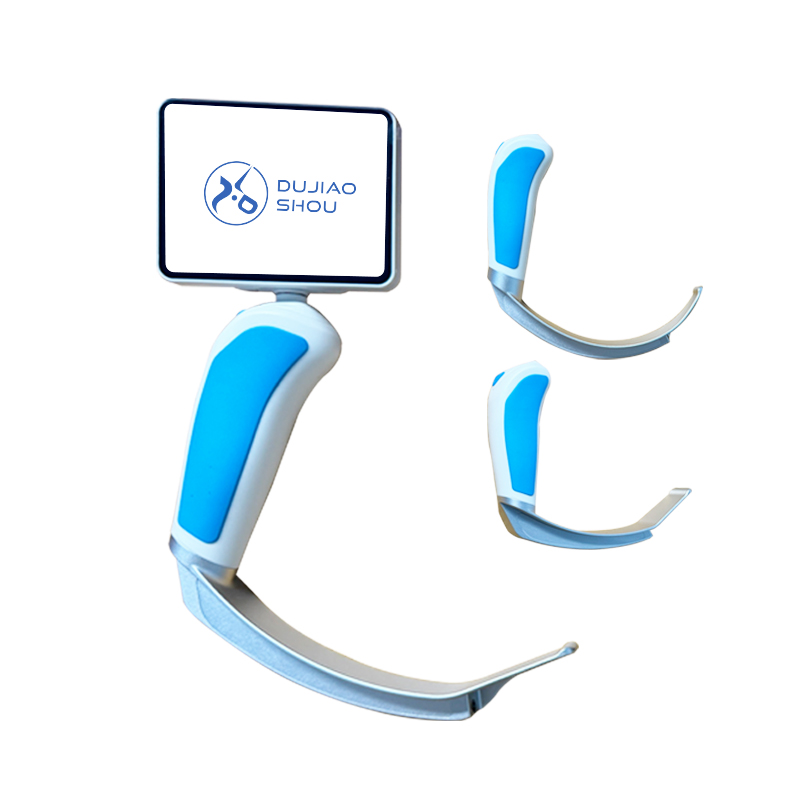
The laryngoscope is specifically engineered to retract tissues and illuminate the larynx, creating a clear path for inserting an endotracheal tube. Traditional laryngoscopes feature a handle and a curved or straight blade, with the blade designed to lift the epiglottis or tongue base for optimal visualization.
In modern practice, video laryngoscopes represent an advanced evolution of the laryngoscope, incorporating cameras and screens for indirect visualization. This enhancement reduces the physical force needed during intubation, making the laryngoscope more effective in difficult airways and training scenarios. Whether conventional or video-based, the laryngoscope remains indispensable in the airway management classification.
An endotracheal tube is a flexible catheter inserted through the vocal cords into the trachea to deliver oxygen, medications, or mechanical ventilation. When a laryngoscope is used to place the endotracheal tube, the pair exemplifies the core tools in the airway management classification, ensuring precise placement to avoid complications like esophageal intubation.
Endotracheal tubes come in cuffed and uncuffed varieties, with features like Murphy eyes for ventilation and high-volume cuffs to seal the trachea. The laryngoscope guides accurate insertion, confirming tube position via direct or video view, which is critical for patient safety in operating rooms, ICUs, and emergency departments.
Laryngoscopes are classified under medical device regulatory frameworks such as Class II devices by the FDA, due to their moderate risk profile requiring special controls like performance standards and labeling. Internationally, they align with ISO standards for airway management equipment, emphasizing biocompatibility, light intensity, and durability.
Direct laryngoscopes are categorized by blade type—Macintosh for curved blades suited to most adults, or Miller for straight blades ideal for pediatrics and neonates. Fiberoptic and video laryngoscopes form subclasses offering enhanced optics, positioning the laryngoscope as a versatile tool within the broader airway management classification.
Video laryngoscopes integrate high-resolution cameras into the blade, transmitting real-time images to an external screen. This innovation classifies the laryngoscope as a hybrid device bridging traditional direct vision with digital enhancement, improving success rates in obese patients, those with cervical spine issues, or limited mouth opening.
Brands like GlideScope or McGrath exemplify video laryngoscopes, often disposable or reusable with autoclavable components. In the airway management classification, these laryngoscopes reduce intubation attempts, minimizing hypoxia risks and making them standard in advanced life support protocols.
A complete laryngoscope system includes the handle (powered by batteries or rechargeable cells), blade (disposable or reusable), light source (halogen, LED, or fiberoptic), and sometimes a stylet for endotracheal tube shaping. LED laryngoscopes offer brighter, longer-lasting illumination, enhancing visualization during procedures.
Maintenance of the laryngoscope is crucial; blades must be cleaned, sterilized, and checked for damage to prevent cross-contamination. In OEM manufacturing for medical visualization companies, laryngoscopes are produced with customizable handles, blades, and video integration for brand partners worldwide.
In operating rooms, the laryngoscope facilitates rapid sequence intubation for surgical anesthesia. Emergency physicians rely on portable laryngoscopes for prehospital or trauma bay intubations, where every second counts. In ICUs, the laryngoscope supports prolonged ventilation management, often via video models for bedside use.
Pediatric and neonatal care employs smaller laryngoscopes with straight blades, tailored to delicate anatomy. Difficult airway algorithms, endorsed by anesthesia societies, prioritize video laryngoscopes as first-line tools, solidifying their place in the airway management classification.
Medical education heavily features laryngoscope training through mannequins and high-fidelity simulators. Novice providers practice laryngoscope handling to master blade insertion angles and force application, reducing real-world complications. Video laryngoscopes excel in training, allowing instructors and learners to review footage collaboratively.
Simulation centers equip entire racks of laryngoscopes, from basic models to advanced video units, preparing teams for obstetric emergencies, trauma resuscitations, or mass casualty scenarios. This hands-on approach ensures proficiency in the airway management classification.
Recent laryngoscope advancements include disposable blades to eliminate reprocessing risks, wireless video transmission for remote consultation, and AI-assisted alignment guides. Hyperangulated blades in video laryngoscopes align the camera optimally without excessive force, ideal for out-of-hospital settings.
Reusable laryngoscopes now feature antimicrobial coatings, extending lifespan while maintaining sterility. For companies offering OEM services in medical visualization—like endoscopy systems and video laryngoscopes—these innovations enable customized solutions for global wholesalers and manufacturers.
Proper care classifies laryngoscopes as reliable airway tools. Handles are wiped with disinfectants, while blades undergo high-level disinfection or steam sterilization per manufacturer guidelines. Video laryngoscopes require careful cleaning of camera lenses and ports to preserve image quality.
Inventory management ensures laryngoscopes are always available, with color-coded blades for quick size selection. OEM providers supply sterile-packed disposable laryngoscope blades, streamlining workflows for hospitals and clinics reliant on airway management devices.
Difficult airways challenge even experienced users of the laryngoscope, with factors like anatomy, pathology, or positioning complicating visualization. Failed intubations prompt rescue techniques like supraglottic airways or surgical cricothyrotomy, underscoring the laryngoscope's foundational role.
User fatigue during prolonged procedures or poor lighting can degrade laryngoscope performance, mitigated by ergonomic designs and powerful LEDs. Ongoing research refines laryngoscope blades for obese populations and those with limited neck mobility.
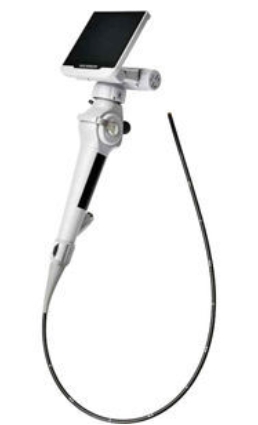
The laryngoscope complements supraglottic devices like laryngeal mask airways or i-gels when intubation fails. In bronchoscopy workstations or video laryngoscope setups, it pairs with endotracheal tubes for confirmation via fiberoptic scopes.
For medical visualization firms, laryngoscopes integrate with image processors and monitors, enhancing OEM offerings alongside ureteroscopes, flexible laryngoscopes, and bronchoscopy systems for comprehensive respiratory care solutions.
Laryngoscopes adhere to IEC standards for electrical safety and optical performance, with blades tested for tensile strength and light transmission. FDA 510(k) clearance ensures equivalence to predicate devices, while CE marking supports EU distribution.
Adverse event reporting tracks laryngoscope-related dental injuries or esophageal intubations, driving design improvements. OEM manufacturers validate laryngoscopes against biocompatibility and usability standards, serving international brand partners reliably.
Emerging laryngoscopes incorporate augmented reality overlays for real-time guidance and disposable video systems for infection control. Portable, battery-powered units suit prehospital use, while AI analyzes laryngoscope footage to predict difficult airways.
Tele-laryngoscopy enables remote expert oversight, vital in rural or disaster settings. As airway management evolves, the laryngoscope remains central, with OEM innovations fueling global access to advanced visualization tools.
A laryngoscope and endotracheal tube falls under the airway management classification, where the laryngoscope provides critical visualization for safe intubation across clinical scenarios. From traditional blades to cutting-edge video laryngoscopes, these devices ensure airway patency in emergencies and routine care alike.
Healthcare providers benefit from reliable laryngoscopes tailored to diverse needs, supported by rigorous standards and ongoing innovations. For medical visualization companies offering OEM services—from laryngoscopes to endoscopy systems—these tools represent precision engineering that saves lives worldwide.

Laryngoscopes are classified as Class II medical devices in airway management, requiring visualization of the larynx for intubation with endotracheal tubes or other procedures. They meet standards for safety, performance, and biocompatibility in clinical use.
A video laryngoscope uses a camera in the blade to display the airway on a screen, improving visualization without aligning the eye directly. This makes it superior for difficult intubations compared to direct laryngoscopes using ambient or handle-mounted light.
Common laryngoscope blades include Macintosh (curved for adults) and Miller (straight for pediatrics). Disposable or reusable options suit various sizes, with video laryngoscopes often featuring hyperangulated designs for optimal camera positioning.
Proper maintenance of laryngoscopes prevents cross-contamination and ensures reliable illumination and blade integrity. Sterilization protocols and regular checks classify them as dependable airway tools in high-stakes environments.
Yes, portable laryngoscopes support prehospital intubations by paramedics and in emergency departments. Video models enhance field use, fitting seamlessly into the airway management classification for trauma and cardiac arrest responses.


