
Views: 222 Author: Lake Publish Time: 2025-12-16 Origin: Site


Content Menu
● Understanding Tax Deductibility of Medical Gloves
● Medical Gloves as Personal Medical Expenses
● Medical Gloves as Business Expenses for Healthcare Providers
● Medical Gloves for Non-Medical Businesses
● Employee Use of Medical Gloves and Reimbursements
● Documentation Required for Medical Gloves Deductions
● VAT, Sales Tax, and Medical Gloves
● Medical Gloves in Healthcare and OEM Business Models
● Home Use of Medical Gloves and Telehealth Contexts
● Health Savings Accounts and Flexible Spending Accounts
● International Variations in Tax Treatment of Medical Gloves
● Practical Considerations for Claiming Medical Gloves
● FAQ
>> 1. Are medical gloves always tax deductible for businesses?
>> 2. Can individuals deduct medical gloves as personal medical expenses?
>> 3. Are medical gloves bought for home cleaning tax deductible?
>> 4. Do employees get tax relief if they buy their own medical gloves for work?
>> 5. Are medical gloves eligible expenses for health savings or flexible spending accounts?
Medical gloves can be tax deductible in some situations, but the rules depend on whether they are purchased for personal medical use, as a business expense, or as an employee expense. This article explores how medical gloves are treated under common tax frameworks and what factors determine their deductibility.

Tax deductibility refers to whether the cost of medical gloves can be subtracted from taxable income under a country's tax laws. In many jurisdictions, tax authorities distinguish between personal medical expenses, business operating expenses, and employment-related expenses, and medical gloves may fall into any of these categories depending on how they are used.
Medical gloves are typically considered a form of protective or medical equipment. When medical gloves are essential to providing healthcare services or protecting health in a professional context, they are more likely to be recognized as legitimate deductible expenses. However, each category—individuals, businesses, and employees—faces different documentation requirements, thresholds, and limitations on medical gloves deductions.
For individuals, medical gloves can sometimes qualify as out-of-pocket medical expenses when used to treat or mitigate a specific medical condition. For example, if a person with a compromised immune system must regularly purchase medical gloves for home wound care, certain tax systems may allow these costs to be counted as qualified medical expenses, subject to overall limits.
In many countries, individual medical expenses—such as medical gloves, bandages, and other supplies—can only be deducted if total qualifying expenses exceed a set percentage of income or if the taxpayer itemizes deductions rather than taking a standard deduction. Therefore, even if medical gloves are technically “qualifying” medical expenses, the taxpayer might not gain any benefit if the medical gloves cost is small compared with income-based thresholds.
For healthcare businesses—such as clinics, hospitals, dental offices, and medical visualization device companies—medical gloves are typically treated as ordinary and necessary business expenses. These organizations purchase large quantities of medical gloves to protect staff and patients during examinations, procedures, and equipment handling, and the costs are often deducted as part of operating expenses.
Medical gloves in this context are considered consumable supplies. As long as the expenses are properly recorded, supported by invoices, and clearly associated with business operations, the cost of medical gloves is usually deductible as a supply expense or cost of goods sold, depending on the accounting method. Healthcare companies that provide endoscopy systems, single-use devices, and imaging solutions commonly treat medical gloves as part of routine clinical and production support costs.
Non-medical businesses may also purchase medical gloves, especially for health and safety reasons. For instance, food processing facilities, cleaning companies, laboratories, and industrial manufacturers often require staff to wear medical gloves to comply with hygiene or safety regulations. In such cases, medical gloves are generally classified as protective equipment or safety supplies.
When medical gloves are clearly used in the course of operating the business, many tax systems permit full or partial deduction of these costs as ordinary business expenses. The key factor is that medical gloves must be directly connected to work activities—such as handling chemicals, cleaning, or preparing food—rather than personal use. Businesses are typically expected to keep records showing why medical gloves are required and how they are deployed in daily operations.
Employees in healthcare, cleaning services, laboratories, and similar fields often rely on medical gloves to perform their duties. In many modern workplaces, employers provide medical gloves as part of standard protective equipment. When the employer pays for medical gloves, the cost is generally deductible at the employer level, not the employee level.
If an employee must purchase medical gloves personally and is not reimbursed, the rules become more complex. Some tax systems allow unreimbursed work-related expenses, such as medical gloves required for a job, to be deducted if they are necessary, ordinary, and properly documented. In other systems, however, unreimbursed employee expenses—such as medical gloves—may no longer be deductible or may be subject to strict limits, making it difficult for individual employees to benefit from a tax deduction.
Regardless of whether medical gloves are claimed as personal medical expenses or business expenses, documentation plays a crucial role. Typical supporting documents include receipts, invoices, payment records, and possibly prescription or employment documentation showing that medical gloves are medically necessary or required for work.
Businesses should categorize purchases of medical gloves correctly in their accounting systems, often under supplies, medical consumables, or protective equipment. Individuals seeking to claim medical gloves as part of medical expenses should retain receipts showing the date, amount, supplier, and purpose of the purchase. Good record-keeping helps demonstrate that medical gloves expenses are legitimate and connected to an allowable deduction category.
Apart from income tax deductibility, medical gloves may also be subject to value-added tax (VAT) or sales tax, depending on the jurisdiction. Some countries classify medical gloves as essential medical supplies and apply a reduced VAT rate or even a zero rate, while others treat them as standard goods with normal tax rates. Businesses that are VAT-registered may reclaim input VAT paid on medical gloves used for taxable business activities.
For non-business purchasers, such as individuals buying medical gloves for personal health reasons, VAT or sales tax may not be directly recoverable, even if the medical gloves are medically necessary. Tax treatment can also differ for imports of medical gloves, where customs duties and import VAT may apply. Understanding these distinctions is important for companies that import, distribute, or export medical gloves internationally.
Companies specializing in medical visualization and related equipment often work with international brand owners, wholesalers, and manufacturers to supply devices and consumables. In such OEM or private-label business models, medical gloves may be part of larger packages of medical supplies or bundled with endoscopy solutions, bronchoscopes, and video laryngoscopes. The cost of medical gloves in these packages is typically treated as part of the overall cost of goods for business customers.
For these companies, deductibility of medical gloves is primarily a business accounting matter rather than a personal tax issue. Medical gloves purchased for resale, demonstration, or bundled service agreements can be recorded as inventory or supplies, with corresponding deductions available when the goods are sold or consumed. The precise accounting treatment may vary with local tax rules and financial reporting standards, but medical gloves remain recognized as necessary items for delivering medical services and equipment solutions.

In modern healthcare systems, more patients are receiving care at home and through telehealth services. Medical gloves may be used by caregivers, family members, or home health professionals for tasks such as wound care, catheter maintenance, and infection control. For individuals, the expense of medical gloves in this setting may be treated as part of overall home healthcare costs.
Whether these home-use medical gloves are tax deductible depends on how a jurisdiction defines qualified medical expenses and home healthcare expenses. Some systems allow medically necessary items used at home to be counted toward medical expense deductions, while others draw stricter distinctions. The existence of a physician's recommendation or care plan that specifically references medical gloves can sometimes strengthen the case for deductibility, but this differs by country and tax regime.
In some countries, especially where health savings accounts (HSAs) or flexible spending accounts (FSAs) exist, medical gloves may be an eligible expense paid through pre-tax funds. When tax rules recognize medical gloves as qualified medical supplies, individuals can use these accounts to purchase medical gloves with pre-tax money, effectively giving tax relief without needing to itemize deductions.
Eligibility criteria for HSA or FSA reimbursement can vary, and not all tax-preferred healthcare accounts treat medical gloves identically. It is often necessary to show that medical gloves are used for medical purposes rather than general household cleaning or non-medical tasks. For businesses that offer such benefits, clear policies and communication can help employees understand when medical gloves are reimbursable through these plans.
Tax policy is highly country-specific, and the treatment of medical gloves reflects these differences. Some jurisdictions provide broad deductions for medical supplies, giving individual taxpayers more room to include medical gloves in their allowable expenses. Others focus more narrowly on high-cost services and prescription treatments, making smaller consumable items like medical gloves less significant for personal tax filings.
For businesses, international tax rules address how medical gloves are treated as inventory, supplies, or capital versus current expenditures. Multinational companies dealing with medical gloves—whether manufacturing, distributing, or using them in clinical practice—must understand local tax rules in each country of operation. Consulting qualified local tax professionals is especially important when medical gloves purchases occur across borders or within complex supply chains.
In practical terms, individuals and organizations considering whether medical gloves are tax deductible should assess the purpose, amount, and documentation of their purchases. For individuals, the first step is to determine whether the cost of medical gloves is large enough, and sufficiently medical in nature, to form part of itemized medical deductions or to qualify under any specific medical expense category.
Businesses, especially healthcare providers and industrial users, typically have a stronger position, since medical gloves are clearly integral to operations and worker safety. They should ensure that medical gloves expenses are categorized correctly in financial records and that any recoverable VAT or sales tax is claimed where allowed. Employees buying their own medical gloves should verify whether employer reimbursement policies or local tax rules provide any relief, since many systems limit individual deductions for unreimbursed work-related protective equipment.
Medical gloves can be tax deductible, but their deductibility depends heavily on context—whether they are purchased by individuals as medical supplies, by businesses as operating expenses, or by employees for work purposes. For healthcare providers and related businesses, medical gloves are typically recognized as ordinary and necessary expenses, making them eligible for deduction as part of routine operating costs. For individuals, medical gloves may qualify as medical expenses, but only within broader limitations and thresholds that apply to healthcare spending.
Because tax rules vary widely between jurisdictions and change over time, anyone seeking to claim deductions for medical gloves should review current local tax guidance and, when necessary, consult a qualified tax professional. Clear documentation of the purpose and use of medical gloves, along with proper accounting treatment, helps ensure that any available tax benefits are utilized correctly while complying with applicable regulations.
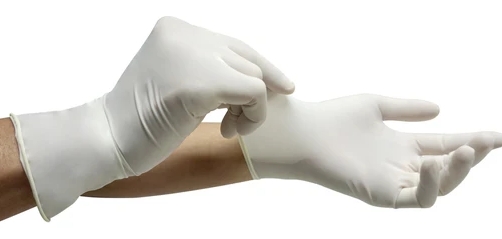
Medical gloves are often deductible for businesses when they are ordinary and necessary for operations, such as protecting staff in healthcare, food service, or cleaning services. However, eligibility, classification, and timing of deductions depend on local tax laws and the business's accounting method.
Individuals may sometimes deduct medical gloves as medical expenses when they are used to treat or prevent illness under a medical plan, but only if total qualifying medical expenses exceed thresholds or meet other criteria. In many cases, small purchases of medical gloves alone will not provide significant tax benefits.
Medical gloves purchased solely for general home cleaning or non-medical household tasks are usually not tax deductible. Tax authorities typically require a clear medical or business purpose, so medical gloves used purely for domestic chores normally do not qualify as either medical or business deductions.
Employee tax relief for medical gloves depends on whether unreimbursed work-related expenses are deductible in the relevant tax system. In some jurisdictions, employees may claim medical gloves as job-related protective equipment if not reimbursed by the employer, but in others such deductions are disallowed or tightly restricted.
In some systems with health savings accounts or flexible spending accounts, medical gloves can be considered eligible medical supplies when used for healthcare purposes, such as home wound care. Eligibility rules differ, so individuals should verify whether medical gloves meet their plan's criteria before seeking reimbursement.
[1]https://www.fitonegroup.com/Sterile-Medical-Gloves-application-and-Sterile-Methods-id42540047.html
[2]https://ebeammachine.com/sterile-vs-non-sterile-gloves-key-differences-you-should-know/
[3]https://omnigloves.com/2020/08/19/science-behind-glove-sterilization/
[4]https://www.cdc.gov/infection-control/hcp/disinfection-sterilization/sterilizing-practices.html


