
Views: 222 Author: Lake Publish Time: 2025-12-13 Origin: Site


Content Menu
● Main Materials Used in Isolation Gowns
● Nonwoven Polypropylene Isolation Gowns
● SMS Isolation Gowns (Spunbond–Meltblown–Spunbond)
● Polyethylene-Coated Isolation Gowns
● Other Synthetic Materials in Isolation Gowns
● Impervious and CPE Isolation Gowns
● Reusable Isolation Gowns and Woven Fabrics
● Design Features That Complement Materials
● Protection Levels and Standards for Isolation Gowns
● Comfort, Breathability, and User Experience
● Infection Control and Linting Considerations
● Environmental and Waste Aspects
● Selecting the Right Isolation Gowns
● FAQ
>> 1. Are all isolation gowns made of polypropylene?
>> 2. What is SMS material in isolation gowns?
>> 3. Are reusable isolation gowns made from the same materials as disposable ones?
>> 4. What makes an isolation gown impervious to fluids?
>> 5. Why are nonwoven materials preferred for isolation gowns?
Isolation gowns are usually made from lightweight synthetic materials designed to balance protection, comfort, and cost. This article explains what isolation gowns are made of, how different materials affect performance, and how to choose the right gown for various medical environments.
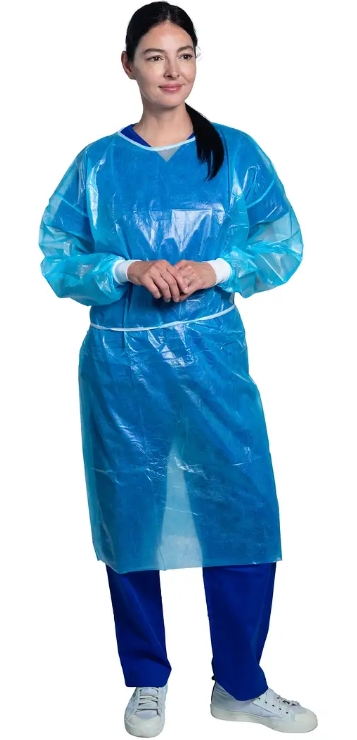
Isolation gowns are protective garments worn over clothing to reduce the transmission of infectious agents between patients and healthcare workers. In clinical settings, isolation gowns are part of standard personal protective equipment and are widely used in hospitals, clinics, laboratories, and long-term care facilities.
Most modern isolation gowns are disposable and made from nonwoven synthetic fabrics rather than traditional woven textiles. These materials allow isolation gowns to provide barrier protection against liquids and particles while remaining breathable enough for extended wear, especially during long shifts or complex procedures.
The vast majority of disposable isolation gowns are made from synthetic polymers such as polypropylene and polyethylene. These plastics are processed into nonwoven fabrics that can be engineered for different levels of fluid resistance, strength, and comfort.[1][2]
Nonwoven polypropylene is especially common because it is lightweight, relatively inexpensive, and easy to convert into medical-grade isolation gowns. Polyethylene is frequently used as a film or coating on top of polypropylene or other substrates to enhance liquid impermeability in higher-risk situations.[3][1]
Simple disposable isolation gowns often use a single layer of spunbond nonwoven polypropylene. In this process, molten polypropylene is extruded into fine filaments, laid as a web, and thermally bonded into a fabric. The resulting material is breathable, low-linting, and suitable for basic barrier protection in dry or low-fluid environments.[2][1]
These spunbond polypropylene isolation gowns are commonly used in general wards, visitor protection, and low-risk procedures. While they provide a basic shield against droplets and light splashes, they are not fully fluid-proof and are not ideal for high-exposure situations involving large volumes of blood or body fluids.[1][3]
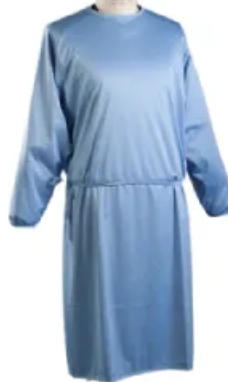
For enhanced protection, many isolation gowns are made from SMS fabrics, which combine three layers: spunbond polypropylene on the outer surfaces and meltblown polypropylene in the middle. The spunbond layers provide strength and durability, while the meltblown layer offers fine filtration and improved repellency to liquids and particles.[2][1]
SMS isolation gowns are widely used in medical practice because they offer a good balance of breathability and barrier performance. These isolation gowns are commonly selected for moderate-risk procedures, outpatient surgery, and many inpatient settings where exposure to fluids is possible but not continuous or extreme.[4][1]
Some isolation gowns incorporate an additional polyethylene (PE) film laminated onto a polypropylene base material. This structure, sometimes described as PP spunbond plus PE coating or similar combinations, creates an impervious or highly fluid-resistant barrier suitable for high-splash or contamination-prone environments.
These PE-coated isolation gowns are especially useful in areas where there is a risk of contact with large volumes of blood, body fluids, or certain chemicals. The polyethylene film significantly reduces liquid permeability, although it may also reduce breathability, so comfort and heat build-up must be considered during extended wear.
In addition to polypropylene and polyethylene, some isolation gowns may use polyester or blended synthetic fibers, particularly in higher-performance or specialty products. Polyester can be combined with cellulose pulp or other fibers to create spunlace or similar nonwovens that feel more like textile fabric while still functioning as disposable isolation gowns.[3][4]
These more advanced fabrics are often seen in surgical or high-end protective gowns rather than basic isolation gowns, but the technologies overlap. Laminated structures, microporous films, and multi-layer composite materials are used to tune properties such as breathability, viral barrier performance, and tear resistance.[4][3]
Some impervious isolation gowns are made from single-layer chlorinated polyethylene (CPE) or similar plastic films. These gowns are designed to provide strong protection against splashing and spraying of fluids, often used in emergency departments, isolation units, or high-risk infection scenarios.
CPE isolation gowns are typically more plastic-like in feel, with less breathability but excellent liquid barrier performance. They are suitable when the primary requirement is maximum protection for short to medium duration, and where the wearer's comfort can be secondary to infection control needs.
Not all isolation gowns are disposable; some facilities use reusable isolation gowns made from woven fabrics, often polyester or polyester–cotton blends with special finishes. These reusable gowns are laundered and reprocessed between uses, following strict protocols to maintain their barrier properties.[3][4]
To achieve adequate protection, reusable isolation gowns may include fluid-repellent or fluid-resistant coatings and tightly woven constructions. Their durability and multiple-use capability can reduce waste and long-term costs, but they require reliable laundering infrastructure and quality monitoring to ensure performance over time.[4][3]
The protective performance of isolation gowns is not determined by fabric materials alone. Design features such as cuff style, neck and waist closures, coverage of the back, and seam construction all influence how well isolation gowns function in practice.
For example, knitted cuffs or elastic cuffs create a snug transition to gloves, reducing gaps where fluids might reach the skin. Well-designed tie or hook-and-loop closures at the neck and waist keep isolation gowns securely in place, while properly sealed seams help prevent fluid ingress at joints and edges.
Isolation gowns are often classified according to protection levels defined in industry standards and guidelines. These systems assess barrier performance against synthetic blood, body fluids, and, in some cases, microorganisms, helping facilities match isolation gowns to risk categories.[1][3]
Higher-level isolation gowns typically use multi-layer SMS, laminated materials, or microporous PE films to deliver stronger fluid and microbial barriers. Lower-level isolation gowns use lighter spunbond polypropylene or similar materials appropriate for minimal exposure scenarios. The chosen material must meet performance tests while maintaining acceptable comfort and usability.[1][4]
When selecting isolation gowns, healthcare providers consider comfort and breathability alongside barrier protection. Nonwoven polypropylene isolation gowns can vary in weight (measured in grams per square meter), with lighter fabrics generally offering more breathability but less robust protection, and heavier fabrics providing stronger barriers but potentially more heat retention.[2][1]
SMS and microporous film isolation gowns aim to strike a balance by combining fluid resistance with some airflow and moisture vapor transmission. A well-designed isolation gown minimizes heat stress and skin irritation, supporting wearer compliance and safety during long procedures or shifts.[4][1]
One reason nonwoven materials are preferred for isolation gowns is their low propensity to shed lint or fibers. Excess lint in the clinical environment can carry microorganisms and contribute to contamination, especially in sensitive areas like operating rooms or sterile processing departments.[2][1]
Isolation gowns made from nonwoven polypropylene or SMS create fewer loose fibers compared with many traditional woven fabrics. This property, alongside appropriate fluid resistance and coverage, helps isolation gowns support infection prevention programs and reduce the risk of environmental contamination.[1][4]
Disposable isolation gowns generate significant medical waste, especially in high-throughput facilities or during large-scale infectious disease outbreaks. Most disposable isolation gowns made from polypropylene and polyethylene are not biodegradable, and they are classified as contaminated waste after use, so conventional recycling is usually not feasible.[3][1]
Some manufacturers and healthcare systems are exploring ways to reduce environmental impact, including optimizing gown weight, developing more sustainable materials, or selectively using reusable isolation gowns where practical. Decisions about materials for isolation gowns now increasingly consider life-cycle impacts alongside clinical performance.[3][4]
Choosing appropriate isolation gowns for a facility requires aligning material properties with clinical use cases. For low-risk, brief encounters, lightweight spunbond polypropylene isolation gowns may suffice. For moderate-risk procedures with potential fluid exposure, SMS isolation gowns offer improved protection without excessive loss of comfort.[2][1]
In high-risk areas, such as when managing highly infectious diseases or high-splash procedures, PE-coated or CPE impervious isolation gowns may be necessary. Facilities must also consider regulatory requirements, compatibility with other PPE, staff feedback on comfort, and supply chain reliability when specifying isolation gowns.
Isolation gowns are primarily made of nonwoven synthetic materials like polypropylene and polyethylene, engineered into structures such as spunbond, SMS, and laminated composites. These material choices allow isolation gowns to provide tailored levels of fluid and microbial barrier protection while balancing breathability, comfort, and cost.
From basic spunbond polypropylene isolation gowns for low-risk settings to multi-layer or impervious gowns for high-exposure procedures, material selection plays a central role in infection control strategies. Understanding what isolation gowns are made of helps healthcare providers, buyers, and OEM partners choose products that fit their clinical needs, regulatory requirements, and operational priorities.
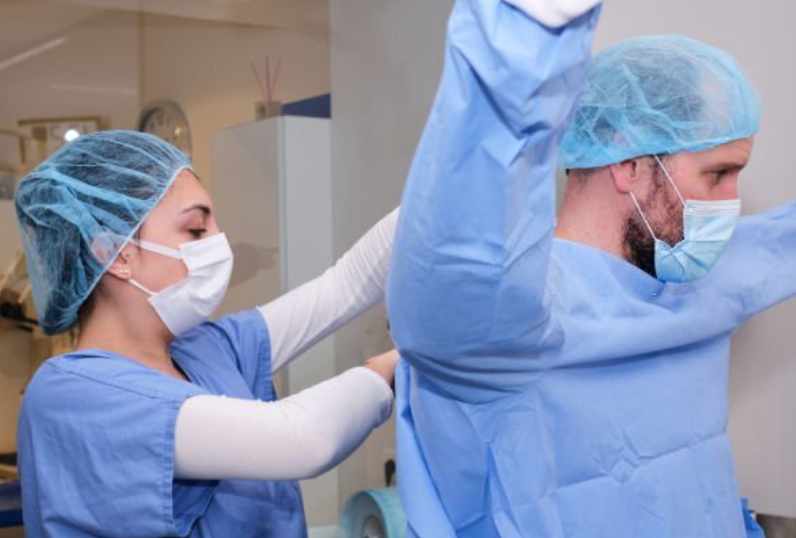
No, not all isolation gowns are made solely of polypropylene. While many disposable isolation gowns use polypropylene in spunbond or SMS form, others incorporate polyethylene films, polyester fibers, or blended nonwovens, especially for higher protection levels or specialty applications.
SMS stands for Spunbond–Meltblown–Spunbond, a three-layer nonwoven structure made from polypropylene. In isolation gowns, the outer spunbond layers provide strength, while the central meltblown layer improves filtration and fluid repellency, offering better protection than single-layer spunbond fabrics.
Reusable isolation gowns are often made from woven fabrics such as polyester or polyester–cotton blends, sometimes treated with fluid-repellent finishes. By contrast, disposable isolation gowns typically use nonwoven polypropylene, SMS, or laminated synthetic materials designed for single use and then disposal.
Impervious isolation gowns usually rely on materials such as polyethylene-coated polypropylene, chlorinated polyethylene film, or multilayer laminates with microporous films. These structures greatly limit liquid penetration across the gown surface, making them suitable for high-fluid or high-contamination environments.
Nonwoven materials are preferred for isolation gowns because they offer adjustable barrier performance, low linting, and cost-effective manufacturing. They can be engineered to combine strength, fluid resistance, and breathability, helping isolation gowns meet clinical protection needs while maintaining user comfort and reducing contamination risks.
[1]https://munglobal.com.au/knowledge-hub/medical-gown-materials/
[2]https://www.medicalkemei.com/medical-gowns-101-guide/
[3]https://business.medtecs.com/fabrics-materials-for-medical-gowns-and-disposable-coveralls/
[4]https://www.molnlycke.com/en-sg/knowledge/insights/ors/surgical-gown-material-guide/
[5]http://www.ppm-medical.com.sg/medical_products/isolation_gown.html


