


Content Menu
● Material Selection and Fabrication
● Design and Pattern Development
● Cutting and Fabric Preparation
● Assembly and Sewing Operations
● Quality Control and Testing Protocols
● Regulatory Compliance and Certification
● Environmental Considerations and Sustainability
>> 1. What materials are commonly used to make isolation gowns?
>> 2. What manufacturing methods are used for isolation gowns?
>> 3. How are isolation gowns tested for quality?
>> 4. What regulations govern isolation gowns manufacturing?
>> 5. Can isolation gowns be made sustainably?
The manufacturing process of isolation gowns represents a sophisticated intersection of textile engineering, medical standards, and quality control protocols. Understanding how to make isolation gowns requires comprehensive knowledge of material science, regulatory requirements, and production methodologies. The creation of medical-grade isolation gowns involves multiple precise stages, from raw material selection to final packaging, each demanding strict adherence to established standards. This detailed examination explores the complete manufacturing workflow for isolation gowns, providing valuable insights for medical device manufacturers, quality assurance professionals, and healthcare providers seeking to understand the production behind these essential protective garments.
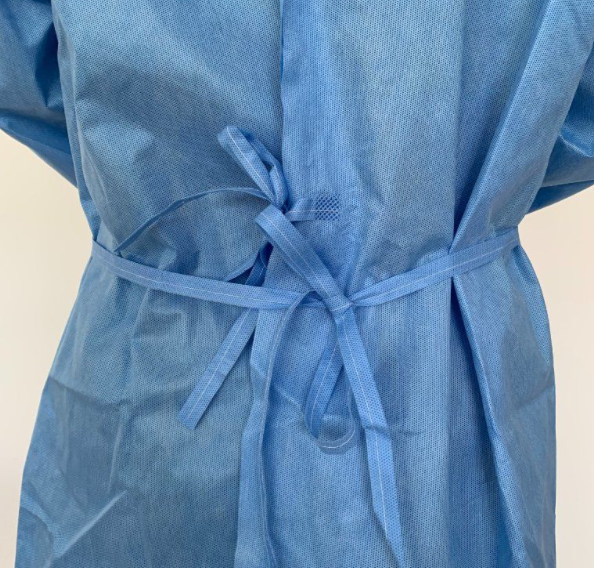
The foundation of quality isolation gowns begins with careful material selection. Medical-grade isolation gowns typically utilize nonwoven fabrics such as spunbond-meltblown-spunbond (SMS) polypropylene, which offers an optimal balance of protection, comfort, and cost-effectiveness. The manufacturing process for these specialized fabrics begins with polymer granules that undergo extrusion, spinning, and bonding processes to create the protective layers essential for effective isolation gowns. The specific combination and weight of materials determine the protection level of the final isolation gowns, with heavier fabrics generally providing enhanced barrier properties.
Advanced isolation gowns incorporate additional features through lamination or coating processes. Liquid-repellent treatments are applied to isolation gowns fabrics to enhance their fluid resistance, a critical property for maintaining barrier protection in wet clinical environments. Some isolation gowns feature reinforced sections in high-exposure areas, utilizing thicker materials or additional layers to prevent penetration in critical zones. The selection of appropriate materials for isolation gowns must balance protection requirements with wearer comfort, ensuring that healthcare professionals can perform their duties effectively while maintaining necessary safety standards.
The design phase of isolation gowns manufacturing involves creating patterns that optimize coverage, mobility, and protection. Modern isolation gowns patterns are developed using computer-aided design (CAD) systems that allow for precise measurements and efficient material utilization. The typical design of isolation gowns includes a front panel that provides comprehensive torso coverage, with integrated sleeves and various closure systems. The pattern development for isolation gowns must consider ergonomic factors to ensure comfortable movement during clinical activities while maintaining continuous protective barriers.
Different styles of isolation gowns serve specific clinical needs, with designs varying based on intended use. Standard isolation gowns typically feature open-back designs with tie closures, while surgical isolation gowns often incorporate full-back coverage and reinforced front panels. The design process for isolation gowns also includes determining appropriate dimensions to accommodate various body sizes while maintaining consistent protection levels. Prototype isolation gowns undergo rigorous fit testing and clinical evaluation before proceeding to mass production, ensuring that final products meet both protective and practical requirements in healthcare settings.
The transformation of raw materials into finished isolation gowns begins with precise cutting operations. Large rolls of nonwoven fabric are loaded onto automated spreading machines that create multiple layers of material for simultaneous cutting. Computer-controlled cutting systems then precisely cut the fabric according to digital patterns, ensuring consistent dimensions across all isolation gowns components. This automated cutting process maximizes material efficiency while maintaining accuracy in the production of isolation gowns components.
Following cutting operations, the individual components of isolation gowns undergo inspection and preparation for assembly. The cut pieces for isolation gowns are sorted and organized according to size and style specifications, with any imperfect components removed from the production line. During this stage, additional elements such as tie strings, reinforcement patches, or binding materials are prepared for integration into the isolation gowns. Quality checks at this phase ensure that only materials meeting specification standards proceed to assembly, maintaining consistent quality throughout the manufacturing process of isolation gowns.
The assembly of isolation gowns involves joining various components through sewing, ultrasonic welding, or heat sealing techniques. Traditional isolation gowns manufacturing primarily utilizes industrial sewing machines with specialized threads that maintain barrier integrity. However, modern production of isolation gowns increasingly employs advanced bonding methods that create seamless joints, eliminating potential penetration points in critical areas. The assembly process for isolation gowns typically follows a sequential workflow where components are systematically joined to form the complete garment.
Sewing operations for isolation gowns require precise stitch quality and tension control to ensure durable seams that maintain protective properties. Different sections of isolation gowns require specific stitching techniques, with areas subject to higher stress receiving reinforced stitching. The attachment of closures, including ties, elastic cuffs, and adhesive strips, represents a critical step in isolation gowns assembly, as these components must securely fasten the garment while withstanding clinical use conditions. Throughout the assembly process, isolation gowns undergo multiple quality inspections to identify and address any manufacturing defects before proceeding to finishing operations.
Maintaining consistent quality in isolation gowns production requires implementing comprehensive testing protocols throughout the manufacturing process. Raw materials for isolation gowns undergo initial testing for weight, thickness, tensile strength, and liquid barrier properties before being approved for production. During manufacturing, random samples of isolation gowns are selected from production lines for destructive testing, verifying that finished products meet specified performance standards. These quality assurance measures ensure that every batch of isolation gowns maintains consistent protection levels.
The testing regimen for isolation gowns includes evaluations for liquid penetration resistance, microbial barrier effectiveness, tear strength, and seam integrity. Isolation gowns intended for surgical use undergo additional testing for lint generation and sterility maintenance. Manufacturers of isolation gowns typically maintain in-house laboratories equipped with specialized testing equipment, including hydrostatic pressure testers, tensile strength analyzers, and microbial challenge apparatus. The documentation from these quality control procedures provides traceability for isolation gowns production and supports regulatory compliance requirements.
For sterile isolation gowns, the sterilization phase represents a critical manufacturing step that ensures microbial safety. The selection of appropriate sterilization methods for isolation gowns depends on material compatibility, packaging requirements, and regulatory considerations. Ethylene oxide (EtO) sterilization has been traditionally used for isolation gowns due to its effectiveness and material compatibility, though manufacturers must carefully manage residual gas levels to ensure safety. Gamma irradiation represents another common sterilization method for isolation gowns, offering precise microbial reduction without chemical residues.
The sterilization process for isolation gowns requires validated protocols that consistently achieve sterility assurance levels while preserving material integrity. Following sterilization, isolation gowns undergo testing to verify sterility through microbial culture methods or biological indicators. The packaging for sterile isolation gowns must maintain sterility throughout storage and transportation, utilizing materials that provide effective microbial barriers while allowing for aseptic presentation in clinical settings. Proper documentation of sterilization parameters for each batch of isolation gowns ensures traceability and supports regulatory compliance.
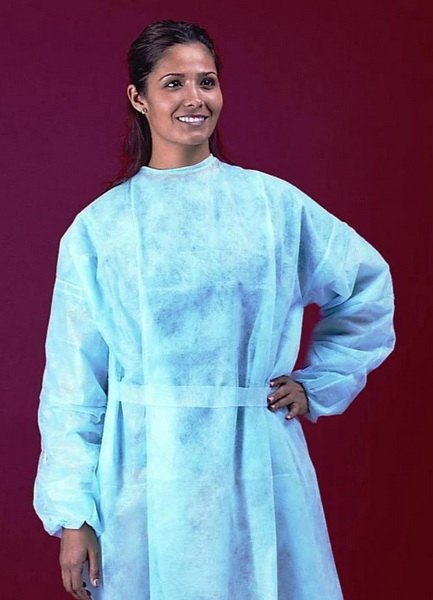
The packaging of isolation gowns serves multiple functions, including product protection, sterility maintenance, and user information. Isolation gowns are typically folded using automated equipment to ensure consistent presentation and efficient space utilization. The packaging materials for isolation gowns must protect against environmental contaminants while providing adequate durability during handling and storage. Sterile isolation gowns require specialized packaging systems that maintain sterility until the point of use, often incorporating peel-open features that facilitate aseptic presentation.
Labeling of isolation gowns provides essential information including size, protection level, lot number, expiration date, and usage instructions. Regulatory requirements mandate specific labeling elements for isolation gowns, particularly those classified as medical devices. The labeling process for isolation gowns typically employs printing technologies that produce clear, durable markings resistant to rubbing or fading. Barcode or QR code systems on isolation gowns packaging facilitate inventory management and traceability throughout the supply chain. Complete packaging and accurate labeling represent the final manufacturing steps before isolation gowns proceed to distribution.
The manufacturing of medical-grade isolation gowns requires adherence to numerous regulatory standards and quality system requirements. In the United States, isolation gowns classified as medical devices must comply with FDA regulations, including establishment registration, device listing, and quality system requirements. The ANSI/AAMI PB70 standard establishes the classification system for isolation gowns based on liquid barrier performance, providing manufacturers with clear criteria for product testing and labeling. Compliance with these standards ensures that isolation gowns provide consistent protection levels appropriate for their intended use.
International markets present additional regulatory considerations for manufacturers of isolation gowns. The European Medical Device Regulation (MDR) establishes requirements for isolation gowns marketed in EU countries, including technical documentation, clinical evaluation, and post-market surveillance. Manufacturers typically implement quality management systems certified to ISO 13485, which provides a framework for consistent isolation gowns production and facilitates regulatory compliance across multiple jurisdictions. Maintaining current knowledge of evolving regulatory requirements represents an ongoing commitment for manufacturers of isolation gowns in the global healthcare market.
The manufacturing of isolation gowns increasingly incorporates environmental considerations alongside traditional performance metrics. The environmental impact of isolation gowns production encompasses raw material sourcing, manufacturing energy consumption, and end-of-life disposal. Manufacturers are exploring sustainable alternatives for isolation gowns, including recycled materials, biodegradable polymers, and reduced packaging. The development of reusable isolation gowns represents another approach to sustainability, though these products require different manufacturing processes and material specifications.
Life cycle assessment methodologies help manufacturers evaluate the environmental footprint of isolation gowns from raw material extraction through disposal. Some manufacturers of isolation gowns are implementing closed-loop production systems that minimize waste and energy consumption. The selection of materials for isolation gowns also considers environmental impact, with some companies developing plant-based alternatives to traditional petroleum-derived polymers. As sustainability becomes increasingly important in healthcare procurement decisions, manufacturers of isolation gowns are balancing environmental considerations with the essential protective requirements of these medical devices.
The manufacturing process of isolation gowns represents a sophisticated integration of material science, production engineering, and quality management. Creating effective isolation gowns requires meticulous attention to each production stage, from raw material selection through final packaging. The complexity of manufacturing isolation gowns reflects the critical protective function these garments serve in healthcare environments, where consistent performance can significantly impact infection control outcomes. Understanding the comprehensive process behind isolation gowns production provides valuable perspective for healthcare professionals, procurement specialists, and regulatory professionals involved in the selection and utilization of these essential protective devices.
As healthcare needs evolve and technology advances, the manufacturing processes for isolation gowns continue to develop in response to new materials, production methods, and regulatory requirements. The future of isolation gowns manufacturing will likely incorporate increased automation, enhanced sustainable practices, and improved material technologies that offer better protection with reduced environmental impact. Regardless of these advancements, the fundamental commitment to quality, consistency, and reliability will remain essential in the production of isolation gowns that effectively protect both healthcare providers and patients in diverse clinical settings.
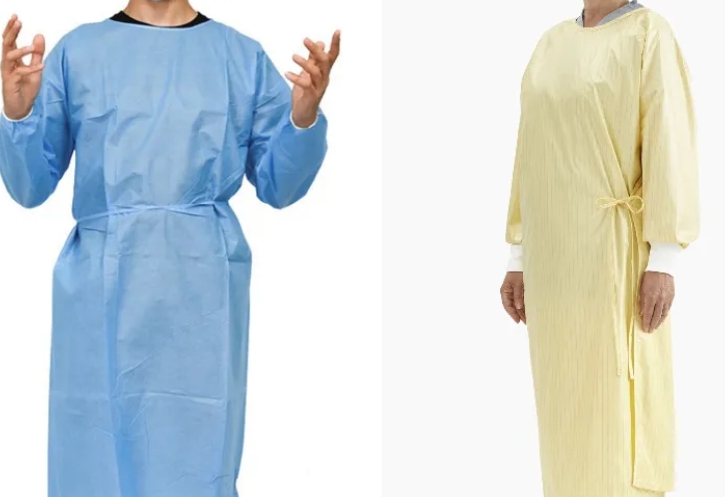
The most common materials for isolation gowns include spunbond-meltblown-spunbond (SMS) polypropylene, polyethylene, and various nonwoven fabric composites. These materials are selected for isolation gowns based on their balance of protection, comfort, and cost-effectiveness. Higher-level isolation gowns often incorporate additional layers or specialized coatings to enhance fluid resistance, while maintaining breathability for wearer comfort during extended use periods.
Isolation gowns are typically manufactured using a combination of cutting, sewing, and bonding operations. Automated cutting systems prepare fabric components according to precise patterns, while industrial sewing machines or ultrasonic welding equipment assemble the pieces into complete isolation gowns. Modern manufacturing of isolation gowns increasingly utilizes advanced bonding techniques that create seamless joints, enhancing barrier integrity by eliminating needle holes in critical protection areas.
Quality testing for isolation gowns includes evaluations for liquid barrier performance, tensile strength, seam integrity, and microbial penetration resistance. These tests follow standardized methods such as AATCC 42 and AATCC 127 for liquid resistance, and ASTM standards for material strength. Manufacturers of isolation gowns implement comprehensive quality control systems that test raw materials, in-process components, and finished products to ensure consistent performance across all production batches.
The manufacturing of isolation gowns is governed by various regulations including FDA requirements for medical devices in the United States and the Medical Device Regulation in European markets. Additionally, isolation gowns must comply with performance standards such as ANSI/AAMI PB70 for liquid barrier classification. Manufacturers typically implement quality management systems certified to ISO 13485, which provides a framework for consistent production of isolation gowns that meet regulatory requirements across multiple jurisdictions.
Yes, sustainable approaches to isolation gowns manufacturing include using recycled materials, developing biodegradable alternatives, and creating reusable systems. Some manufacturers are exploring plant-based polymers for isolation gowns as alternatives to traditional petroleum-derived materials. Reusable isolation gowns represent another sustainable option, though these require different manufacturing specifications to withstand repeated laundering and sterilization cycles while maintaining protective properties.


