


Content Menu
● Main Functions of Isolation Gowns
● Typical Materials Used in Isolation Gowns
● Design Features of Isolation Gowns
● Levels of Protection in Isolation Gowns
● Common Uses of Isolation Gowns in Healthcare
● Donning and Doffing Isolation Gowns
● Isolation Gowns vs Surgical Gowns
● Single-Use and Reusable Isolation Gowns
● Isolation Gowns and Infection Prevention
● Isolation Gowns in Non-Hospital Settings
● Material Comfort and User Acceptance
● Environmental and Supply Considerations
● FAQ
>> 1. What is the main purpose of isolation gowns?
>> 2. Are isolation gowns always disposable?
>> 3. How do isolation gowns differ from surgical gowns?
>> 4. When should isolation gowns be worn?
>> 5. Can isolation gowns be used outside hospital environments?
An isolation gown is a protective garment designed to reduce the spread of infection between patients and healthcare workers. Isolation gowns are widely used in hospitals, clinics, laboratories, and other healthcare environments where contact with blood, body fluids, or infectious droplets is possible.
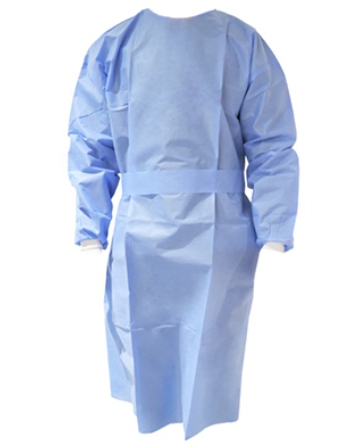
Isolation gowns are a core component of personal protective equipment, worn over regular clothing or scrubs to create a barrier against contaminants. Isolation gowns typically cover the torso, arms, and part of the legs, with secure closures at the neck and waist to ensure adequate coverage during clinical activities.
These garments are designed to protect both the wearer and the patient. When isolation gowns are used correctly, they help prevent microorganisms from spreading via clothing and skin contact, supporting infection prevention and control programs in healthcare facilities.
The primary function of isolation gowns is to act as a barrier between the wearer's body and potentially infectious materials. This barrier reduces the chance that blood, secretions, excretions, or other fluids will reach the wearer's skin or clothing during medical procedures and patient care.
Isolation gowns also help prevent the transfer of microorganisms from healthcare workers to vulnerable patients. By covering clothing that might otherwise carry microorganisms from one environment to another, isolation gowns support safe care for patients with compromised immune systems or those in isolation units.
Modern isolation gowns are most often made from lightweight nonwoven synthetic materials. Common materials include spunbond polypropylene, SMS (spunbond–meltblown–spunbond) polypropylene, polyethylene-coated fabrics, and sometimes chlorinated polyethylene film for impervious gowns. These materials are chosen to balance protection, comfort, and cost.
Some isolation gowns are reusable and made from woven polyester or polyester–cotton blends with special finishes that improve fluid resistance. Reusable isolation gowns require laundering and reprocessing under controlled conditions so that barrier properties are maintained over multiple uses.
Isolation gowns are available in several types to meet different clinical needs. Broadly, they can be categorized as disposable or reusable. Disposable isolation gowns are single-use garments intended to be discarded after each patient encounter or procedure, while reusable isolation gowns can be laundered and reused multiple times according to manufacturer instructions.
Within these categories, isolation gowns may also be described by their level of fluid resistance and coverage. Some are designed for minimal risk situations, providing light protection for low-exposure tasks, while others are rated for moderate or high risk, offering stronger barriers in environments where splash or spray is more likely.
The design of isolation gowns directly affects their protective performance. Most isolation gowns feature long sleeves with knitted or elastic cuffs that fit closely around the wrist, allowing gloves to overlap and minimize gaps. The body of the gown is typically knee-length or longer, providing front and side coverage.
Isolation gowns usually fasten at the back using ties or hook-and-loop closures at the neck and waist. This open-back design makes them easier to don and doff while reducing the chance of contamination on the front panel. Seam construction, reinforcement zones, and overall fit all contribute to the effectiveness of isolation gowns in real-world use.
Many isolation gowns are classified according to defined protection levels that reflect how they perform in standardized tests against liquids and, in some cases, microorganisms. Lower-level isolation gowns are designed for minimal risk procedures with little or no expected fluid exposure, such as basic patient contact or visitor use.
Higher-level isolation gowns provide increased resistance to penetration by synthetic blood, body fluids, or other contaminating materials. These isolation gowns are used for tasks with higher exposure risk, such as emergency care, intensive care, or procedures that generate splashes or sprays. Selecting the right level of protection is crucial for both safety and comfort.
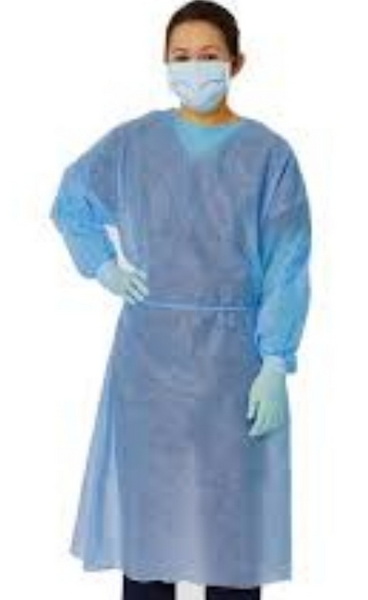
Isolation gowns are used across a wide range of clinical settings. They are standard in isolation rooms where patients have known or suspected infectious diseases, including respiratory infections, gastrointestinal illnesses, or resistant organisms that can spread via contact or droplets.
Isolation gowns are also used in procedures that involve close contact with blood or body fluids, such as wound care, suctioning, some endoscopic procedures, and certain respiratory interventions. In these environments, isolation gowns are often worn together with gloves, masks or respirators, eye protection, and other PPE.
Proper donning (putting on) and doffing (removing) of isolation gowns are essential to prevent self-contamination. When donning, the wearer should ensure that the isolation gown fully covers the torso from neck to knees, arms to the end of the wrists, and wraps around the back as designed, before securing the ties or fasteners. Gloves are usually put on after the gown, covering the cuffs.
Doffing isolation gowns must be done carefully to avoid touching the contaminated outer surface. Typically, the wearer unfastens the ties, pulls the gown away from the body by touching only the inside, and turns it inside out while removing it. The used isolation gowns are then discarded or sent for reprocessing, according to whether they are disposable or reusable.
Although isolation gowns and surgical gowns share many features, they are not identical. Surgical gowns are specifically designed for use in operating rooms and are part of a sterile barrier system that protects surgical sites from contamination. They often have stricter performance requirements and are provided sterile.
Isolation gowns, by contrast, are usually non-sterile and meant for use in situations where a sterile field is not being maintained, such as contact isolation or general patient care. While both garments provide barrier protection, their intended uses, standards, and manufacturing specifications may differ.
Single-use isolation gowns are convenient and help ensure consistent barrier performance, as each gown is used once and then discarded. This reduces concerns about wear and tear or laundering failures that might compromise protection. However, high consumption of disposable isolation gowns can result in significant waste and logistical challenges during surges in demand.
Reusable isolation gowns offer the potential for reduced long-term costs and lower waste generation. They must be produced from materials that can withstand repeated laundering and potential disinfection processes, and facilities need reliable systems to track, clean, and inspect reusable isolation gowns to maintain performance.
Isolation gowns are a central part of transmission-based precautions in infection prevention programs. When used with appropriate hand hygiene, masks or respirators, eye protection, and gloves, isolation gowns help break the chain of infection in healthcare environments. They protect health workers from contamination and help limit the spread of pathogens to other patients and the environment.
However, isolation gowns are only effective if used correctly. This includes choosing the right type and protection level, ensuring a proper fit, donning and doffing in the correct sequence, and disposing of or reprocessing isolation gowns appropriately. Training and periodic audits are often needed to ensure consistent and safe practice.
Isolation gowns are not limited to hospitals. They are used in outpatient clinics, emergency medical services, long-term care facilities, dental practices, and home care settings, especially when caring for patients with infectious diseases. In laboratories, isolation gowns may be used to protect staff handling biological samples or working in biosafety environments.
Isolation gowns also play a role in public health responses, such as during outbreaks or pandemics, where frontline workers require reliable PPE in varied settings. Ensuring an adequate supply of appropriate isolation gowns becomes a critical component of preparedness and response planning.
Comfort is a key factor in whether staff consistently wear isolation gowns as recommended. Breathability, fabric weight, softness, and flexibility all influence user experience. Lightweight materials may feel cooler and more comfortable during long shifts, while heavier or laminated materials can feel warmer but provide stronger barriers.
If isolation gowns are uncomfortable, staff may be tempted to wear them incorrectly or avoid using them in situations where they are recommended. This makes it important for healthcare organizations to evaluate isolation gowns not only on technical performance but also on feedback from frontline users.
High demand for isolation gowns can strain supply chains, particularly during large-scale health crises. Facilities may diversify their sources of isolation gowns, including different materials, protection levels, and combinations of disposable and reusable products, to improve resilience.
At the same time, the environmental impact of large volumes of disposable isolation gowns is an increasing concern. Some organizations are exploring strategies to reduce waste, such as optimizing gown usage policies, selecting lower-weight materials where appropriate, or incorporating reusable isolation gowns in suitable settings.
Isolation gowns are protective garments designed to shield healthcare workers and patients from infectious agents, especially in situations where contact with blood, body fluids, or contaminated surfaces is likely. They are made from a variety of materials, primarily nonwoven synthetic fabrics for disposable products and woven fabrics for reusable options, and are available in different protection levels to match clinical risk.
By understanding what isolation gowns are, how they are constructed, and the contexts in which they should be used, healthcare organizations and professionals can choose and apply them more effectively. Proper selection, use, and management of isolation gowns supports safer care, stronger infection prevention programs, and better preparedness for day-to-day practice as well as public health emergencies.
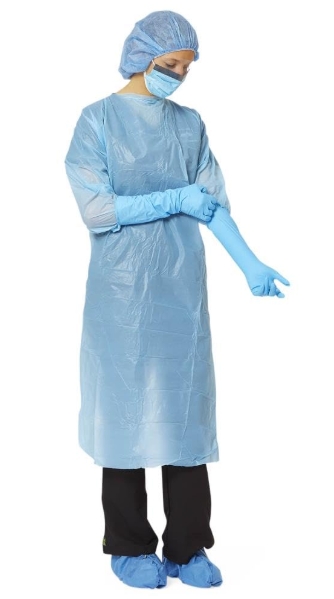
The main purpose of isolation gowns is to provide a barrier that protects healthcare workers and patients from the transfer of infectious agents via clothing and skin contact. By covering the torso and arms, isolation gowns help prevent contamination from blood, body fluids, secretions, and other potentially infectious materials.
Isolation gowns are not always disposable. Many facilities use disposable isolation gowns for convenience and consistent barrier performance, but reusable isolation gowns made from launderable fabrics are also used, especially where infrastructure exists for proper washing and inspection between uses.
Isolation gowns are typically non-sterile garments used for contact and droplet precautions in general patient care, while surgical gowns are usually sterile and designed for use in operating rooms as part of a sterile barrier system. Surgical gowns often have stricter performance requirements and are used in procedures that involve sterile fields.
Isolation gowns should be worn whenever there is a reasonable risk of clothing or skin coming into contact with blood, body fluids, secretions, excretions, or contaminated surfaces. This includes caring for patients in isolation, performing certain procedures, or working in environments where droplets or splashes may occur.
Yes. Isolation gowns are used in outpatient clinics, long-term care facilities, dental offices, laboratories, emergency medical services, and even some home care settings. Anywhere there is a risk of contact with infectious materials, isolation gowns can be part of appropriate personal protective equipment.
[1]https://www.fitonegroup.com/Sterile-Medical-Gloves-application-and-Sterile-Methods-id42540047.html
[2]https://ebeammachine.com/sterile-vs-non-sterile-gloves-key-differences-you-should-know/
[3]https://www.medicalkingfa.com/solution-detail/id-617.html
[4]https://omnigloves.com/2020/08/19/science-behind-glove-sterilization/
[5]https://www.cdc.gov/infection-control/hcp/disinfection-sterilization/sterilizing-practices.html
[6]https://www.ansell.com/cn/en/blogs/critical-insight/choosing-cleanroom-ppe-key-differences-explained


