
Views: 222 Author: Lake Publish Time: 2025-11-14 Origin: Site


Content Menu
● Understanding Bronchoscope Design and Materials
>> Complex Instrument Architecture
>> Heat Sensitivity of Components
● Steam Sterilization Fundamentals
>> Principles of Steam Sterilization
● Manufacturer Guidelines and Recommendations
>> Industry Standards and Specifications
>> Consequences of Non-Compliance
● Appropriate Bronchoscope Sterilization Methods
>> Low-Temperature Sterilization Technologies
● Infection Control Considerations
>> Bronchoscope-Associated Infection Risks
>> Quality Assurance in Bronchoscope Reprocessing
● Emerging Technologies and Future Directions
>> Advanced Reprocessing Technologies
● FAQ
>> 1. Why can't bronchoscopes be sterilized with steam like other surgical instruments?
>> 2. What is the standard method for disinfecting bronchoscopes between patients?
>> 4. How can healthcare facilities ensure proper bronchoscope reprocessing?
>> 5. What are the advantages of single-use bronchoscopes regarding sterilization concerns?
The sterilization of medical instruments represents a critical component of infection control in healthcare settings, and the bronchoscope presents unique challenges in this regard due to its complex design and delicate components. The question of whether steam sterilization can be effectively used for bronchoscope reprocessing requires careful consideration of material compatibility, manufacturer specifications, and infection control standards. Modern bronchoscope systems incorporate sophisticated optics, electronics, and materials that may not withstand the high temperatures and pressure conditions of steam sterilization processes. Understanding the appropriate sterilization methods for bronchoscope equipment is essential for maintaining patient safety, ensuring equipment longevity, and complying with regulatory requirements.
The reprocessing of bronchoscope instruments has gained increased attention in recent years due to reports of infection transmission linked to improperly cleaned bronchoscopes. The complex internal channels and delicate components of a bronchoscope create potential hiding places for microorganisms, making effective sterilization particularly challenging. This comprehensive analysis examines the feasibility of steam sterilization for bronchoscopes, explores alternative reprocessing methods, and provides evidence-based recommendations for ensuring proper bronchoscope sterilization in clinical practice.
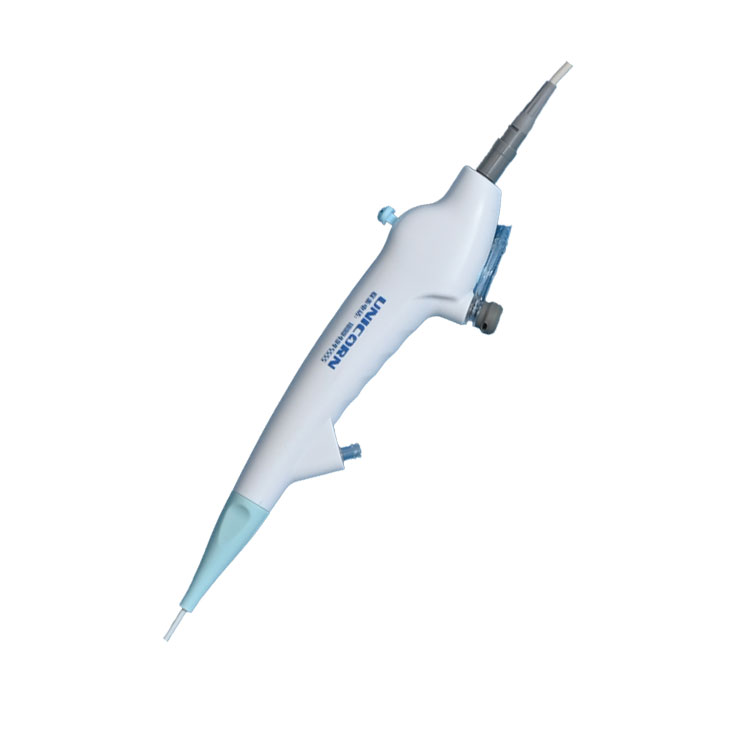
The modern bronchoscope represents a marvel of medical engineering, incorporating multiple complex systems within a narrow, flexible shaft. A standard flexible bronchoscope contains fiber optic bundles or digital imaging sensors, light transmission fibers, a working channel for instrument passage, and deflection control wires—all contained within a protective outer sheath. This intricate design creates numerous potential areas for microbial contamination, including the narrow working channel, the space between internal components, and the delicate moving parts in the deflection mechanism. The complex architecture of the bronchoscope presents significant challenges for all sterilization methods, including steam-based processes.
The materials used in bronchoscope construction vary by manufacturer and model but typically include specialized polymers, optical glass, metal components, and increasingly, digital electronic elements. The working channel of a bronchoscope is typically lined with a smooth, durable material designed to resist damage from instruments passed through it, while the outer sheath must balance flexibility with tear resistance. These materials are selected for their optical, mechanical, and durability characteristics rather than their ability to withstand extreme sterilization conditions. Understanding these material limitations is crucial when evaluating appropriate sterilization methods for bronchoscope instruments.
The various components within a bronchoscope exhibit different levels of sensitivity to heat and moisture, making steam sterilization potentially damaging. The optical elements, whether fiber optic bundles or digital sensors, are particularly vulnerable to heat damage. High temperatures can degrade the optical clarity of fiber bundles or damage sensitive electronic imaging chips in modern video bronchoscope models. The adhesive materials used to secure internal components may soften or degrade under steam sterilization conditions, potentially leading to misalignment of optical systems or failure of deflection mechanisms.
The electronic elements in contemporary video bronchoscope systems represent another significant limitation for steam sterilization. The imaging sensors, wiring, and connections within a video bronchoscope cannot withstand the high temperatures and pressure of steam sterilization cycles. Additionally, the lubricants used in the deflection mechanism of a bronchoscope may break down or wash out during steam sterilization, compromising the smooth operation of the instrument. These material and component limitations explain why most bronchoscope manufacturers explicitly prohibit steam sterilization in their reprocessing guidelines.
Steam sterilization, typically performed in autoclaves, relies on saturated steam under pressure to achieve microbial destruction. The standard sterilization conditions involve exposure to steam at temperatures between 121°C (250°F) and 134°C (273°F) for specified time periods, typically ranging from 4 to 30 minutes depending on the cycle parameters and the nature of the items being sterilized. The effectiveness of steam sterilization depends on three critical factors: steam quality, temperature, and exposure time. These conditions are suitable for many medical instruments but present significant challenges for heat-sensitive devices like the bronchoscope.
The mechanism of microbial destruction in steam sterilization involves protein denaturation and coagulation through moist heat. While highly effective for eliminating microorganisms, this process can similarly damage proteins and other organic materials in medical instruments. The bronchoscope, with its complex assembly of diverse materials, represents a particularly challenging device for steam sterilization due to the varying heat tolerance of its components. Understanding these fundamental principles helps explain why steam sterilization is generally not recommended for bronchoscope reprocessing despite its effectiveness for many other medical devices.
Modern steam sterilizers offer various cycle configurations designed for different types of medical instruments. Gravity displacement cycles introduce steam at the top of the chamber, forcing air out through a drain at the bottom. Pre-vacuum cycles remove air from the chamber before steam introduction, allowing for more efficient penetration and shorter cycle times. Flash sterilization cycles utilize higher temperatures for shorter durations but are generally reserved for emergency situations and are not appropriate for complex instruments like the bronchoscope. None of these standard steam sterilization cycles are compatible with the material limitations of flexible bronchoscope construction.
Specialized low-temperature steam sterilization cycles have been developed for heat-sensitive instruments, but these still typically operate at temperatures above the tolerance limits of most bronchoscope components. Additionally, the pressure changes during steam sterilization cycles can damage the sealed internal compartments of a bronchoscope, potentially leading to moisture intrusion and subsequent component failure. The fundamental incompatibility between steam sterilization parameters and bronchoscope material limitations explains why alternative sterilization methods have been developed specifically for these delicate instruments.
Bronchoscope manufacturers provide specific reprocessing instructions for each instrument model, and these guidelines consistently recommend against steam sterilization. The manufacturer's instructions for use (IFU) represent the primary authority for appropriate reprocessing methods, and deviation from these guidelines may void warranties and compromise patient safety. Major bronchoscope manufacturers uniformly specify that their flexible endoscopes, including bronchoscopes, are not compatible with steam sterilization due to the risk of irreversible damage to sensitive components.
The material compatibility information provided by bronchoscope manufacturers typically indicates maximum temperature thresholds well below those used in steam sterilization. Most flexible bronchoscope models are rated for exposure to temperatures no higher than 60-70°C (140-158°F), significantly lower than the 121-134°C range used in steam sterilization. Adherence to manufacturer guidelines is not merely a recommendation but a regulatory requirement in most healthcare settings, with accreditation organizations specifically evaluating compliance with device-specific reprocessing instructions, including those for bronchoscope instruments.
Using steam sterilization for bronchoscope reprocessing contrary to manufacturer recommendations carries multiple significant risks. The most immediate consequence is potential damage to the bronchoscope, which may manifest as clouding of optical elements, malfunction of deflection mechanisms, or failure of electronic systems in video bronchoscopes. Such damage often requires costly repairs or complete replacement of the bronchoscope, creating financial impacts for healthcare facilities and potentially limiting procedural capacity during equipment downtime.
Beyond equipment damage, improper sterilization methods may compromise the sterility assurance of the bronchoscope, potentially putting patients at risk of infection. Regulatory agencies and accreditation organizations may cite facilities that deviate from manufacturer reprocessing instructions, potentially affecting accreditation status and reimbursement. Additionally, using sterilization methods not validated for specific devices may create liability concerns in the event of adverse patient outcomes. These multiple consequences underscore the importance of adhering to manufacturer-recommended reprocessing methods for bronchoscope instruments.
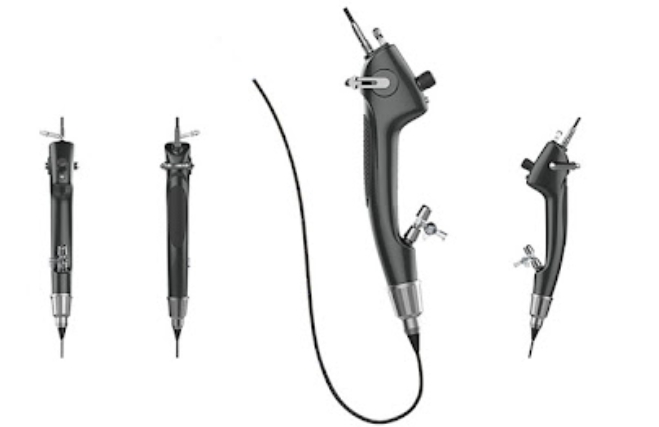
High-level disinfection (HLD) represents the standard reprocessing method for most flexible bronchoscope models in accordance with manufacturer guidelines and professional society recommendations. HLD involves chemical immersion using FDA-cleared disinfectants that eliminate all microorganisms except high numbers of bacterial spores. The process typically begins with thorough cleaning to remove organic material, followed by immersion in a chemical disinfectant for a specified contact time at the appropriate concentration and temperature. The bronchoscope must be thoroughly rinsed after disinfection to remove residual chemical agents before drying and storage.
The specific protocols for bronchoscope high-level disinfection vary depending on the disinfectant used and the manufacturer's instructions. Common chemical agents include ortho-phthalaldehyde (OPA), peracetic acid, and glutaraldehyde-based formulations. Each disinfectant has specific advantages and limitations regarding material compatibility, efficacy, and safety profile. Automated endoscope reprocessors (AERs) specifically designed for bronchoscope reprocessing provide standardized HLD cycles that enhance consistency and reduce variability compared to manual reprocessing methods. These systems represent the current standard for bronchoscope reprocessing in most healthcare settings.
For situations requiring sterilization rather than high-level disinfection, several low-temperature technologies are appropriate for bronchoscope reprocessing. Ethylene oxide (ETO) sterilization has traditionally been used for heat-sensitive devices, including bronchoscope instruments, but requires long cycle times and poses environmental and workplace safety concerns. Hydrogen peroxide gas plasma systems offer faster cycle times and fewer safety concerns, making them increasingly popular for bronchoscope sterilization in facilities requiring this level of reprocessing assurance.
Liquid chemical sterilization represents another option for bronchoscope reprocessing when sterilization is required. This process uses chemical agents such as peracetic acid in specialized reprocessing systems that provide controlled exposure and rinsing. The selection of an appropriate low-temperature sterilization method for bronchoscope instruments depends on multiple factors, including device compatibility, turnaround time requirements, available infrastructure, and regulatory considerations. Unlike steam sterilization, these low-temperature methods are compatible with the material limitations of bronchoscope construction while providing appropriate levels of microbial elimination.
The complex design of the bronchoscope creates inherent challenges for infection control, with numerous documented outbreaks of pathogen transmission linked to improperly reprocessed bronchoscopes. The internal channels and miniature components of a bronchoscope can harbor microorganisms despite apparently adequate cleaning and disinfection procedures. Biofilm formation within bronchoscope channels represents a particular concern, as these structured microbial communities can resist standard disinfection protocols and serve as reservoirs for pathogen transmission between patients.
The recognition of bronchoscope-associated infection risks has led to increased regulatory scrutiny and updated guidelines for reprocessing these instruments. Organizations including the Centers for Disease Control and Prevention (CDC), the Food and Drug Administration (FDA), and professional societies have issued specific recommendations for bronchoscope reprocessing to minimize infection risks. These guidelines uniformly emphasize the importance of adhering to manufacturer instructions, which explicitly exclude steam sterilization as an appropriate method for bronchoscope reprocessing due to both equipment damage concerns and potential compromise of sterilization efficacy.
Ensuring consistent, effective bronchoscope reprocessing requires robust quality assurance programs that address the unique challenges of these complex instruments. Comprehensive training for personnel responsible for bronchoscope reprocessing is essential, with competency validation at regular intervals. Monitoring of reprocessing parameters, including chemical concentration, exposure time, and temperature, provides objective evidence of process adherence. Regular maintenance and performance verification of automated reprocessing equipment help ensure consistent bronchoscope reprocessing outcomes.
Microbiological surveillance represents another component of bronchoscope reprocessing quality assurance, though practices vary between institutions. Some facilities implement routine culturing of processed bronchoscopes to detect potential reprocessing failures, while others reserve microbiological testing for investigation of suspected infections or reprocessing breaches. Regardless of the specific quality assurance approach, documentation of each reprocessing cycle for each bronchoscope provides an essential record for tracking and verification purposes. These comprehensive quality assurance measures help mitigate the infection risks associated with bronchoscope procedures while ensuring adherence to manufacturer specifications.
The development of single-use disposable bronchoscope systems represents a significant innovation addressing the reprocessing challenges associated with reusable bronchoscopes. These single-use bronchoscope devices eliminate reprocessing concerns entirely by being used on a single patient and then properly discarded. The availability of single-use bronchoscope options has increased dramatically in recent years, with technological improvements enhancing their optical and functional characteristics to approach those of reusable devices. While cost considerations remain a factor, single-use bronchoscope systems offer clear advantages in infection control and operational simplicity.
The appropriate integration of single-use bronchoscope devices into clinical practice requires careful consideration of clinical needs, procedural volumes, and economic factors. Many facilities utilize a mixed approach, employing single-use bronchoscope systems for specific situations such as known or suspected infections, emergency procedures after hours, or when reprocessing capacity is limited. As single-use bronchoscope technology continues to advance and costs potentially decrease, these devices may play an increasingly important role in bronchoscopy services, reducing reliance on complex reprocessing methods altogether.
Research continues into novel bronchoscope reprocessing technologies that might offer improvements over current methods while remaining compatible with device materials. Ultraviolet light-based systems, ozone sterilization, and cold atmospheric plasma represent emerging technologies under investigation for bronchoscope reprocessing. These methods aim to provide effective microbial elimination without the material compatibility concerns of heat-based methods like steam sterilization. However, none have yet achieved widespread regulatory clearance or clinical adoption for bronchoscope reprocessing.
Advances in bronchoscope design may also influence future reprocessing approaches. Manufacturers are developing models with improved cleanability, including fewer internal crevices, removable components, and materials that resist biofilm formation. These design enhancements, combined with evolving reprocessing technologies, may eventually address the current limitations in bronchoscope reprocessing. However, based on current technology and manufacturer specifications, steam sterilization remains incompatible with bronchoscope reprocessing requirements.
The question of whether steam sterilization can be used for bronchoscope reprocessing has a clear and evidence-based answer: steam sterilization is not appropriate for flexible bronchoscopes due to material incompatibility and manufacturer specifications. The complex design and heat-sensitive components of modern bronchoscope instruments cannot withstand the high temperatures and pressure conditions of steam sterilization processes. Attempting to sterilize bronchoscope devices with steam risks irreversible damage to optical systems, electronic components, and structural integrity while potentially compromising sterility assurance.
Appropriate bronchoscope reprocessing requires adherence to manufacturer instructions, which uniformly specify high-level disinfection or approved low-temperature sterilization methods. These validated reprocessing approaches effectively address infection control concerns while preserving bronchoscope functionality and longevity. Healthcare facilities must ensure comprehensive training, robust quality assurance programs, and strict adherence to established guidelines for bronchoscope reprocessing. As technology evolves, single-use bronchoscope options and advanced reprocessing methods may offer additional solutions, but steam sterilization remains fundamentally incompatible with current bronchoscope design and materials.
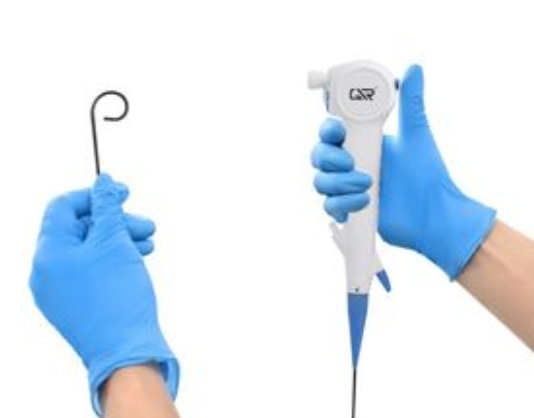
Bronchoscope instruments cannot be sterilized with steam due to their complex construction and heat-sensitive components. Unlike many surgical instruments made primarily of durable metals, bronchoscope devices incorporate delicate optical fibers, electronic elements, specialized polymers, and adhesive materials that cannot withstand the high temperatures (typically 121-134°C) and pressure conditions of steam sterilization. The heat from steam sterilization can damage the optical clarity of fiber bundles, degrade electronic imaging sensors in video bronchoscopes, weaken adhesive bonds, and compromise the flexibility of the insertion tube. Bronchoscope manufacturers explicitly prohibit steam sterilization in their reprocessing guidelines to prevent such damage and ensure device performance and longevity.
The standard method for bronchoscope reprocessing between patients is high-level disinfection using chemical immersion. This multi-step process begins with immediate bedside cleaning followed by thorough manual cleaning to remove organic material. The bronchoscope then undergoes leak testing to identify any damage that might compromise reprocessing effectiveness. After cleaning, the bronchoscope is immersed in an FDA-cleared high-level disinfectant for the manufacturer-specified contact time. Automated endoscope reprocessors are commonly used to standardize this disinfection process. Following chemical immersion, the bronchoscope undergoes thorough rinsing with sterile or filtered water to remove disinfectant residues before being dried and stored appropriately. This comprehensive process ensures effective microbial elimination while preserving bronchoscope integrity.
While high-level disinfection is standard for most bronchoscope procedures, certain situations may warrant sterilization. Sterilization rather than disinfection may be recommended when using bronchoscope instruments in sterile body sites, for immunocompromised patient populations, or when processing bronchoscope devices that have been contaminated with prions or certain highly resistant microorganisms. Some healthcare facilities establish protocols requiring bronchoscope sterilization for specific procedures or patient populations based on institutional infection prevention policies. When sterilization is required, low-temperature methods such as ethylene oxide, hydrogen peroxide gas plasma, or liquid chemical sterilization are used, as these are compatible with bronchoscope materials unlike steam sterilization.
Healthcare facilities can ensure proper bronchoscope reprocessing through comprehensive quality assurance programs. Key elements include strict adherence to manufacturer instructions for use for both the bronchoscope devices and reprocessing equipment, comprehensive training and competency validation for reprocessing staff, and regular monitoring of reprocessing parameters. Implementation of automated endoscope reprocessors designed specifically for bronchoscope reprocessing enhances consistency. Additional measures include proper storage conditions to prevent recontamination, regular maintenance and inspection of bronchoscope instruments, and documentation of each reprocessing cycle. Some facilities also implement microbiological surveillance programs to detect reprocessing failures. These multifaceted approaches help ensure consistent, effective bronchoscope reprocessing while maintaining device integrity.
Single-use bronchoscope devices offer significant advantages regarding sterilization concerns by eliminating reprocessing requirements entirely. These disposable bronchoscope instruments are used for a single procedure on a single patient and then properly discarded, completely avoiding the challenges and potential failures associated with bronchoscope reprocessing. This approach ensures that each patient receives a sterile, factory-new bronchoscope, eliminating the risk of cross-contamination between patients. Single-use bronchoscope systems also eliminate costs associated with reprocessing supplies, equipment maintenance, and staff time dedicated to bronchoscope reprocessing. While initial per-procedure costs may be higher, single-use bronchoscope options provide clear infection control benefits and operational simplicity, particularly in situations where reprocessing capacity is limited or for patients with known infections.
[1] https://www.fda.gov/medical-devices/reprocessing-medical-devices/bronchoscopes-reprocessing
[2] https://www.cdc.gov/infectioncontrol/guidelines/disinfection/
[3] https://www.asge.org/home/guidelines-position-statements/guidelines-for-reprocessing-gi-flexible-endoscopes
[4] https://www.apsf.org/article/bronchoscope-cleaning-and-sterilization-update/
[5] https://www.aami.org/standards
[6] https://www.hopkinsmedicine.org/infection-control/resources/endoscope-reprocessing.html
[7] https://www.sciencedirect.com/science/article/pii/S0196655319303856
[8] https://www.tandfonline.com/doi/full/10.1080/21556660.2020.1812314
[9] https://www.ncbi.nlm.nih.gov/books/NBK554450/


