
Views: 222 Author: Lake Publish Time: 2026-01-08 Origin: Site


Content Menu
● Introduction: The First Line of Defense
● Core Uses and Clinical Applications
>> 1. Infection Control and Prevention of Cross-Contamination
>> 2. Supporting Sterile and Aseptic Procedures
>> 3. Enabling Safe Handling of Hazardous Materials
>> 4. Facilitating Specific Diagnostic and Therapeutic Procedures
>> 5. In the Context of Medical Visualization and OEM Workflows
● Types of Gloves for Specific Uses
● The Critical Link: Gloves, Hand Hygiene, and Comprehensive PPE
● Frequently Asked Questions (FAQ)
>> 1. Are medical gloves necessary if I wash my hands thoroughly?
>> 2. What is the difference in use between exam gloves and surgical gloves?
>> 3. Can the same pair of medical gloves be used for multiple patients or tasks?
>> 4. Why do staff in endoscopy or bronchoscopy suites wear two layers of gloves sometimes?
>> 5. How do medical gloves contribute to safety when using electronic medical devices?
In the precise and demanding field of healthcare, the integration of advanced technology and foundational safety protocols defines excellence. While our expertise illuminates the path to diagnosis and treatment, we recognize that every procedure, regardless of its complexity, is built upon a bedrock of infection control. Central to this foundation is the use of medical gloves. These seemingly simple barriers are, in fact, multifunctional tools with applications that extend far beyond their basic protective role. This article provides a comprehensive exploration of the critical uses of medical gloves in modern healthcare, underscoring their indispensable role in patient and provider safety across the entire clinical spectrum.
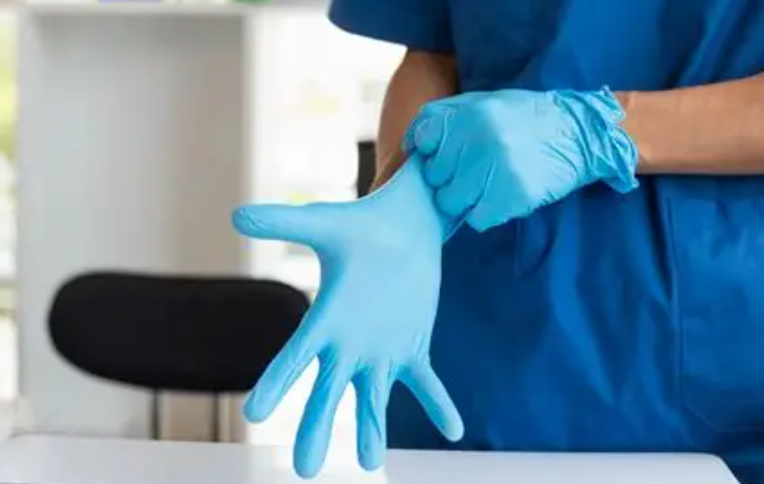
Medical gloves are disposable personal protective equipment (PPE) designed to be worn on the hands during medical activities. Their invention and widespread adoption revolutionized healthcare by formalizing aseptic technique and establishing a critical barrier against the transmission of infectious agents. The use of medical gloves is now a non-negotiable standard of care, mandated by protocols worldwide. Their applications are diverse, spanning from routine patient contact to the most complex surgical and diagnostic interventions, including those utilizing our advanced medical visualization technologies.
The utility of medical gloves can be categorized into several key functional areas, each vital to safe healthcare delivery.
This is the primary and most universal purpose of medical gloves. They serve as a physical barrier in both directions:
- Protecting the Patient: Medical gloves prevent the transfer of microorganisms from the healthcare worker's hands to the patient. This is crucial during any procedure that breaches the body's natural barriers, such as inserting an IV, suturing a wound, or during surgical access. When handling sterile components of an endoscope system or preparing a video laryngoscope for intubation, gloves prevent the introduction of pathogens from the provider's skin to the device and, consequently, the patient.
- Protecting the Healthcare Worker: Medical gloves shield the wearer from exposure to potentially infectious materials, including blood, saliva, urine, respiratory secretions, and other bodily fluids. This protection is a cornerstone of occupational safety, guarding against bloodborne pathogens like HIV, Hepatitis B, and Hepatitis C.
In environments where maintaining sterility is paramount, medical gloves are essential.
- Surgical Interventions: Sterile surgical gloves are mandatory for all members of the surgical team entering the sterile field. They protect the surgical site from contamination and protect the team from the patient's bodily fluids. This applies equally to open surgery and minimally invasive procedures guided by medical visualization.
- Insertion of Sterile Devices: The placement of central venous catheters, urinary catheters, and the manipulation of sterile instruments within body cavities (e.g., using a disposable ureteroscope) requires sterile technique, with medical gloves as a key component.
- Preparation of Sterile Fields & Equipment: Nurses and technicians don medical gloves to set up sterile trays, unpack and assemble sterile devices like certain bronchoscopy accessories, and connect sterile tubing without contaminating critical surfaces.
Medical gloves are a critical defense against chemical and cytotoxic exposures.
- Chemotherapy Drug Handling: Specialized, chemotherapy-rated medical gloves (tested to ASTM D6978) are used by pharmacists during preparation and by nurses during administration of hazardous drugs. These gloves are formulated to resist permeation by cytotoxic agents.
- Chemical Disinfectants: Healthcare workers involved in cleaning and disinfecting medical equipment, such as reusable components of endoscope systems or bronchoscopy workstations, wear chemical-resistant utility gloves (a robust subclass of medical gloves) to protect their skin from harsh disinfectants like glutaraldehyde or peracetic acid.
- Handling Biohazardous Waste: Medical gloves are worn when disposing of contaminated linens, sharps, and other regulated medical waste.
Beyond general barrier protection, medical gloves enable specific clinical techniques.
- Tactile Examination: While maintaining a barrier, gloves allow for palpation during physical exams, such as digital rectal or pelvic examinations.
- Wound Care and Dressing Changes: They provide a clean barrier for debriding wounds, applying topical medications, and securing dressings, protecting both the patient's vulnerable tissue and the provider.
- Dental Procedures: Essential for all intraoral work, from cleanings to extractions.
- Obstetric Procedures: Used during vaginal examinations, delivery, and handling of the newborn.
- Collection of Laboratory Specimens: Worn when drawing blood, collecting urine or stool samples, or handling any laboratory specimen container to prevent contamination.
Our domain of medical visualization presents specific use cases for medical gloves:
- Pre-Procedure Device Preparation: Technicians use non-sterile exam gloves to handle and connect the external components of a video laryngoscope or bronchoscopy workstation, protecting sensitive electronics from static discharge and skin oils.
- Intra-Procedure Manipulation: The clinician performing a laryngoscopy or bronchoscopy wears sterile gloves to manipulate the scope's controls and advance the instrument, maintaining asepsis. The high tactile sensitivity of modern surgical gloves is crucial for the fine motor skills required.
- Post-Procedure Management: Immediately after a procedure, staff don clean medical gloves to handle the contaminated scope for initial bedside cleaning, prior to its transfer to the reprocessing area where heavy-duty utility gloves will be used for high-level disinfection.
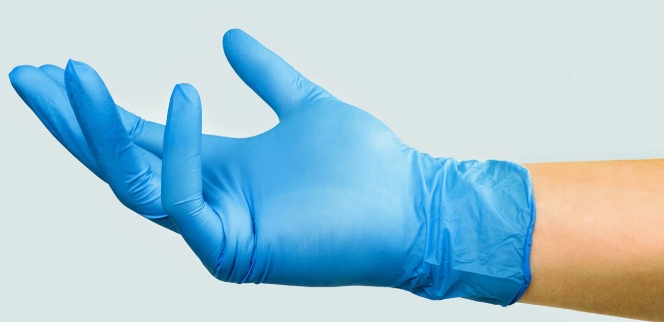
The function dictates the type of medical glove selected, a decision rooted in material and design:
- Examination Gloves (Nitrile, Latex, Vinyl): Used for non-sterile patient care, exams, handling bodily fluids, and non-invasive procedures. Nitrile is often preferred for its strength and latex-free safety.
- Surgical Gloves (Sterile Latex, Nitrile, Neoprene, Isoprene): Used in operating rooms and for any sterile procedure. They have stricter quality controls, better fit, and higher sensitivity.
- Chemotherapy Gloves (Tested Nitrile/Neoprene): Used exclusively for handling hazardous drugs.
- Utility/Housekeeping Gloves (Heavy-duty Nitrile or Rubber): Used for environmental cleaning, handling contaminated linens, and reprocessing medical devices.
It is imperative to understand that medical gloves are an adjunct to, not a replacement for, hand hygiene. The World Health Organization's "Five Moments for Hand Hygiene" clearly outlines that hands must be sanitized before donning gloves and immediately after removing them. Gloves can have microscopic defects or can become contaminated during removal. Furthermore, medical gloves are most effective as part of a full PPE ensemble, which may include isolation gowns, masks, face shields, or goggles, depending on the anticipated exposure risk.
Medical gloves are a versatile, essential, and non-negotiable component of modern healthcare practice. Their uses extend from the fundamental act of preventing microbial transmission between patient and provider to enabling complex sterile surgeries, protecting workers from hazardous chemicals, and ensuring the safe handling of sophisticated medical visualization technology. The selection of the appropriate glove—be it a nitrile exam glove for a blood draw, a sterile synthetic surgical glove for a procedure with a visual flexible laryngoscope, or a chemical-resistant utility glove for reprocessing an endoscope system—is a critical clinical and logistical decision. As healthcare continues to advance, with increasingly complex procedures and technologies, the humble medical glove remains a constant, a simple yet profoundly effective tool that safeguards the health of all participants in the care process. Its proper use is a testament to the enduring principles of aseptic technique and occupational safety that underpin quality medical care.
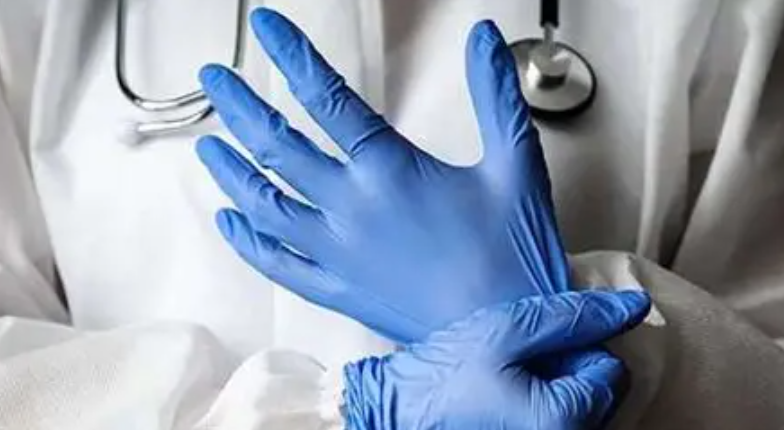
Yes, medical gloves are necessary even with proper handwashing. Hand hygiene and glove use are complementary, not interchangeable. Handwashing removes or kills microorganisms on the hands, but it does not provide a continuous barrier against new contamination during a procedure. Medical gloves offer ongoing protection for both the patient and the healthcare worker from exposure to fluids and pathogens that handwashing alone cannot prevent during task performance.
The difference lies in the required level of asepsis and procedural risk.
- Exam Gloves are used for non-sterile procedures and patient care tasks with a risk of exposure to bodily fluids: physical examinations, wound dressing changes, drawing blood, handling contaminated materials, and setting up non-sterile equipment.
- Surgical Gloves are sterile and used for invasive, sterile procedures: surgery, central line insertion, vaginal deliveries, and any manipulation within a normally sterile body cavity (e.g., during cystoscopy with a disposable ureteroscope).
No. Medical gloves are single-use only. They must be changed between patients and between different tasks on the same patient if moving from a contaminated to a clean body site. Reusing gloves can spread infection and compromise the integrity of the glove material. This principle of single-use is absolute in clinical settings.
This practice, known as double-gloving, is common in procedures with a high risk of glove perforation or exposure to high viral load fluids. The inner layer is typically a comfortable, well-fitting surgical glove. The outer layer acts as an additional barrier. If the outer glove is punctured during a complex manipulation of a bronchoscopy workstation or while handling sharp biopsy forceps, the inner glove remains intact, providing continued protection. The outer glove can also be changed quickly if heavily soiled without breaking sterility.
Medical gloves contribute in several key ways:
- Static Dissipation: Some medical gloves are formulated to be low in electrostatic properties, reducing the risk of static discharge that could damage sensitive electronics in medical image processors or scope cameras.
- Contamination Prevention: They prevent skin oils, moisture, and microbes from contacting device controls, touchscreens (e.g., on a video laryngoscope), and connector ports (like aviation plug connectors), which is vital for both device longevity and hygiene.
- Provider Protection: They protect the user from potential electrical hazards (though minimal in modern devices) and from any residual disinfectants on the external surfaces of recently cleaned equipment.
[1] https://www.cdc.gov/infectioncontrol/guidelines/isolation/index.html
[2] https://www.who.int/publications/i/item/WHO-IER-PSP-2009.07
[3] https://www.fda.gov/medical-devices/personal-protective-equipment-infection-control/medical-gloves
[4] https://www.cdc.gov/handhygiene/providers/index.html


