
Views: 222 Author: Lake Publish Time: 2026-01-09 Origin: Site


Content Menu
● Introduction: The Concept of Expiry in Medical Products
● The Primary Drivers of Isolation Gown Expiry
>> 1. Material Degradation: The Core Reason
>> 2. Breakdown of Fluid-Repellent Treatments
>> 3. Packaging Integrity Failure
>> 4. Sterility Assurance (For Sterile Gowns)
● The Science of Determining Shelf Life: Accelerated Aging
● Regulatory and Standards Framework
● Consequences of Using Expired Isolation Gowns
● Best Practices for Inventory Management
● Frequently Asked Questions (FAQ)
>> 1. Is it ever safe to use an isolation gown past its expiration date?
>> 2. How long is the typical shelf life for disposable isolation gowns?
>> 3. What storage conditions are critical to prevent early degradation of isolation gowns?
>> 4. Do the different AAMI levels (1-4) affect the expiration date?
>> 5. What should we do with a stock of expired isolation gowns?
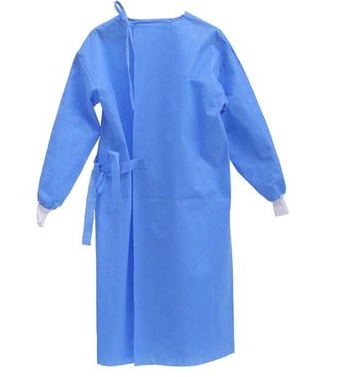
In the highly regulated and safety-critical world of healthcare, the integrity of every component is subject to scrutiny. Isolation gowns, a fundamental barrier in infection control, are not immune to the passage of time and are assigned expiration dates. For clinicians, procurement specialists, and safety officers, understanding why isolation gowns expire is crucial for maintaining an effective defense against infection. This article delves into the scientific, regulatory, and practical reasons behind the shelf life of disposable isolation gowns, exploring the factors that lead to their degradation and the implications for clinical safety.

An expiration date on a medical product, including disposable isolation gowns, is the manufacturer's guarantee that the item will perform as intended—providing its stated level of protective barrier—until that date, provided it has been stored under specified conditions. Unlike pharmaceuticals where chemical potency is key, the expiry of isolation gowns is primarily concerned with the physical and functional integrity of the materials and components. Using an expired gown introduces an unquantifiable and unacceptable risk of barrier failure, potentially exposing healthcare workers to pathogens.
The degradation of isolation gowns is a multi-factorial process influenced by material science, environmental conditions, and packaging.
Disposable isolation gowns are predominantly made from non-woven fabrics like polypropylene (PP) in SMS (Spunbond-Meltblown-Spunbond) constructions or laminates with polyethylene films. These polymers are subject to environmental aging.
- Polymer Oxidation & Embrittlement: Over time, especially in the presence of oxygen, heat, and light, the long-chain polymer molecules can undergo oxidative degradation. This process breaks down the molecular chains, leading to a loss of tensile strength and flexibility. The material becomes brittle, prone to cracking, tearing, or developing pinholes under stress. A brittle gown may tear during donning or during a dynamic clinical procedure, such as when a clinician moves to assist during a bronchoscopy or handling of a video laryngoscope.
- Degradation of Elastic Components: Many isolation gowns feature elastic cuffs or waistbands. The elastic materials (often latex or synthetic rubber threads) are particularly susceptible to degradation. They can lose their elasticity, becoming loose and failing to provide a secure seal at the wrists. They may also perish and break.
- Delamination of Composite Fabrics: For higher-level isolation gowns (AAMI Level 3 or 4) that use film laminates or SMS composites, the bonds between layers can weaken over time. This delamination compromises the fluid barrier, as liquids can penetrate between the separated layers even if the outer layer appears intact.
A key feature of isolation gowns is their fluid repellency, often achieved through chemical finishes (e.g., fluorochemical treatments). These surface treatments can:
- Migrate: The treatment can slowly migrate into the bulk of the fabric over time, reducing surface concentration.
- Break Down: Chemical bonds in the repellent agent can degrade.
- Absorb Contaminants: From the storage environment.
This loss of treatment means the gown surface may no longer effectively cause fluids to bead and roll off, instead allowing liquids to soak through more readily.
Isolation gowns are typically packaged in plastic bags or wrappers to protect them from environmental factors. The packaging itself has a functional lifespan.
- Seal Failure: The seals of the packaging can weaken, allowing air, moisture, dust, or insects to enter.
- Permeation: Over very long periods, some plastic packaging materials may allow the slow permeation of atmospheric gases (oxygen, ozone) which accelerate the oxidation of the gown material inside.
Once the packaging integrity is breached, the sterile or clean state of the gown is compromised, and environmental exposure accelerates material degradation.
While most isolation gowns are sold as non-sterile, some intended for specific procedures may be sterilized (e.g., via Ethylene Oxide - EtO or Gamma Irradiation). The expiration date for sterile gowns also encompasses the assurance of sterility. Over time, there is a risk that microbial barriers in the packaging could be compromised, or that the sterilization process itself may have long-term effects on material strength that are accounted for in shelf-life testing.

Manufacturers don't wait for real-time years to pass to set an expiration date. They use a scientific process called accelerated aging.
- Process: Samples of the packaged isolation gowns are placed in environmental chambers where temperature and humidity are significantly elevated (e.g., 55°C at 60% relative humidity). The Arrhenius equation, which models the rate of chemical reactions as a function of temperature, is used to correlate time under these extreme conditions with real-time aging. For example, 3 months in the chamber might simulate 2 years of real-time shelf life.
- Testing: After the accelerated aging cycle, the gowns are subjected to the same performance tests required for new products: tensile strength, seam strength, liquid barrier penetration (per AAMI PB70), and tear resistance. If the aged products meet all specifications, the manufacturer can assign a corresponding real-time expiry date.
- Real-Time Aging: To validate the accelerated model, manufacturers also run parallel real-time aging studies on product batches stored under recommended conditions.
Regulatory bodies like the FDA (U.S.) and standards organizations like ASTM provide the framework for expiry dating.
- FDA Requirements: The FDA considers isolation gowns medical devices. Manufacturers must have validated data to support any expiration date they assign, as part of their Quality System Regulations (21 CFR Part 820).
- ASTM F1980: This is the standard guide for accelerated aging of sterile medical device packages. While focused on sterility, its principles are widely applied to the shelf-life testing of barrier integrity for products like isolation gowns.
- AAMI PB70: The performance standard for liquid barrier protection does not set expiry dates but defines the performance that must be maintained throughout the labelled shelf life.
The risks are direct and significant:
1. Barrier Failure: The primary risk is a breach in the protective barrier. A torn or permeable gown offers false security, leading to potential exposure to blood, bodily fluids, and pathogens during procedures ranging from routine care to complex interventions involving endoscope systems.
2. Infection Control Breach: This can result in healthcare-associated infections (HAIs) for patients and occupational exposure incidents for staff.
3. Compliance and Liability: Using expired medical devices violates standards from The Joint Commission (TJC), CDC guidelines, and OSHA regulations. It exposes the healthcare facility to significant liability in case of an adverse event and can result in accreditation citations.
4. Compromised Procedure: A gown that tears mid-procedure during a sterile intervention (e.g., while assisting with a disposable ureteroscope change) can force an unplanned and time-consuming break to re-gown, disrupting workflow and potentially compromising the sterile field.
Given these risks, proactive management is essential:
- FIFO (First-In, First-Out): Implement strict inventory rotation to use the oldest stock first.
- Proper Storage: Store isolation gowns in a cool, dry, clean environment away from direct sunlight, extreme temperatures, ozone generators, and chemicals.
- Regular Audits: Conduct routine checks of PPE stocks to identify and remove expired products.
- Vendor Partnership: Work with suppliers who provide clear expiry dating and support with inventory management systems.
Isolation gowns expire due to the inevitable physical and chemical degradation of their constituent materials—polymers, elastic, fluid-repellent treatments, and packaging. This degradation is scientifically modeled through accelerated aging studies, leading to a manufacturer-assigned expiration date that is a functional guarantee of performance. In the context of healthcare, where safety margins are thin, using an expired isolation gown is tantamount to compromising a critical layer of defense. Just as one would not use a video laryngoscope with a failing camera sensor or a medical image processor with corrupted software, using an expired gown introduces an unacceptable and unquantifiable risk. For facilities utilizing advanced medical visualization technology, maintaining rigorous standards for all consumables, including isolation gowns, is a non-negotiable part of a holistic culture of safety, quality, and clinical excellence.
No, it is not safe. The expiration date is the manufacturer's validated endpoint for guaranteed performance. Using an expired isolation gown means using a product whose barrier integrity is unknown and likely compromised. This poses a direct risk of exposure to infectious agents and violates infection control standards and regulatory guidelines. Expired gowns should be removed from clinical areas and disposed of.
The shelf life varies by manufacturer, material, and packaging but typically ranges from 3 to 5 years from the date of manufacture. This is determined by the manufacturer's accelerated and real-time aging studies. The exact expiration date should be clearly printed on the product packaging or the shipping case. Always check upon receipt and before use.
To preserve shelf li-fe, isolation gowns must be stored:
- In a cool, dry, and clean environment.
- Away from direct sunlight and UV light sources.
- Away from extreme heat (e.g., near heaters, steam pipes) or cold.
- Away from ozone-generating equipment (some air purifiers).
- Away from chemical vapors (e.g., disinfectants, solvents).
- In their original, unopened packaging until ready for use.
The AAMI PB70 performance level (1-4) itself does not directly dictate shelf life. However, the materials used for higher-level gowns (e.g., laminated films for Level 4) may have different degradation profiles than lighter-weight SMS fabric used for Level 2. Each specific product design undergoes its own shelf-life validation. It is possible that a heavy-duty Level 4 gown and a standard Level 2 gown from the same manufacturer could have similar or different expiration periods based on their material stability.
Expired isolation gowns should not be used for clinical patient care. Potential disposition paths include:
- Declassify for Training: Use in simulation labs or training exercises where no actual infectious risk is present.
- Non-Clinical Use: Use in non-patient care settings (e.g., cleaning, painting) where only basic dust or spill protection is needed.
- Waste Disposal: Follow your facility's regulated medical waste or general solid waste disposal protocols. They do not typically become hazardous waste simply due to expiry, but local regulations should be checked.
The key is to clearly segregate them from active clinical inventory.
[1] https://www.fda.gov/medical-devices/medical-device-safety/expiration-dating-medical-devices
[] https://www.astm.org/f1980-21.html
[3] https://www.cdc.gov/infectioncontrol/guidelines/isolation/index.html
[4] https://www.aami.org/docs/default-source/standards-library/ansi-aami-pb70.pdf
[5] https://www.ncbi.nlm.nih.gov/pmc/articles/PMC7201956/
[6] https://www.accessdata.fda.gov/scripts/cdrh/cfdocs/cfcfr/CFRSearch.cfm?CFRPart=820
[7] https://www.jointcommission.org/standards/standard-faqs/hospital-and-hospital-clinics/infection-prevention-and-control-ic/000001669/
[8] https://www.osha.gov/laws-regs/regulations/standardnumber/1910/1910.1030
[9] https://www.packagingdigest.com/medical-packaging/accelerated-aging-tests-medical-device-packaging-2010-10-12


