
Views: 222 Author: Lake Publish Time: 2025-11-27 Origin: Site


Content Menu
● Diagnostic Applications of Ureteroscope
● Therapeutic Applications for Urinary Stone Disease
● Management of Upper Tract Urothelial Carcinoma
● Treatment of Ureteral and Renal Pelvis Pathologies
● Specialized Ureteroscope Procedures and Techniques
● Pediatric Ureteroscope Applications
● Emergency and Acute Care Applications
● Office-Based Ureteroscope Procedures
● Research and Future Applications
>> 1. What are the main diagnostic uses of a ureteroscope?
>> 2. How is a ureteroscope used for kidney stone treatment?
>> 3. Can a ureteroscope be used to treat tumors in the urinary tract?
>> 4. What types of ureteroscopes are available and how do they differ?
>> 5. What are the advantages of ureteroscope procedures compared to traditional surgery?
The ureteroscope represents a sophisticated medical instrument specifically designed for diagnostic and therapeutic procedures within the upper urinary tract. This specialized endoscope enables urologists to navigate the delicate pathways of the urinary system with remarkable precision, revolutionizing the management of various urological conditions. The modern ureteroscope has transformed the field of urology by offering a minimally invasive alternative to traditional open surgical procedures for managing urinary stones, tumors, and other urinary tract pathologies. Understanding the clinical applications of the ureteroscope requires exploring its technological capabilities, procedural applications, and the significant impact it has made on patient care outcomes in contemporary urological practice.

The diagnostic capabilities of the ureteroscope make it an invaluable tool for investigating various urinary tract conditions. Urologists employ the ureteroscope to directly visualize the interior of the ureters and renal collecting system, allowing for precise assessment of mucosal abnormalities, structural anomalies, and pathological changes. The diagnostic ureteroscope is particularly essential in evaluating cases of unexplained hematuria (blood in the urine), where it can identify sources of bleeding that might not be detectable through imaging studies alone. The high-resolution imaging provided by modern ureteroscope systems enables detection of subtle mucosal changes, small tumors, and other abnormalities that could be missed by less direct diagnostic methods.
Another crucial diagnostic application of the ureteroscope involves the evaluation of upper tract urothelial carcinoma. Using the ureteroscope, urologists can directly visualize suspicious lesions, determine their extent, and characterize their appearance. The ureteroscope facilitates obtaining biopsy specimens from suspicious areas under direct vision, providing pathological confirmation of diagnoses. Additionally, the diagnostic ureteroscope is employed in assessing congenital abnormalities of the upper urinary tract, investigating ureteral strictures, and evaluating cases of unexplained hydronephrosis or renal function impairment. The detailed visualization provided by the ureteroscope during diagnostic procedures significantly enhances the accuracy of diagnosis and informs appropriate treatment planning.
The most common therapeutic application of the ureteroscope involves the management of urinary calculi, particularly ureteral and renal stones that are not amenable to conservative management or extracorporeal shock wave lithotripsy. The ureteroscope enables urologists to address stone disease through direct visualization, offering several advantages over alternative treatment modalities. During ureteroscope procedures for stones, urologists can visualize stones directly, assess their size and characteristics, and select the most appropriate treatment strategy based on real-time findings. The therapeutic ureteroscope allows for stone fragmentation using various energy sources, most commonly laser lithotripsy, which breaks stones into smaller fragments that can be removed or passed spontaneously.
The ureteroscope facilitates not only stone fragmentation but also the retrieval of stone fragments using specialized baskets and graspers passed through the instrument's working channel. This capability of the ureteroscope to both fragment and retrieve stones makes it particularly valuable for managing larger stones or cases where complete clearance is crucial. The precision offered by the ureteroscope in stone treatment minimizes damage to surrounding urothelium while effectively addressing the stone burden. Furthermore, the ureteroscope enables treatment of stones in challenging locations, such as lower pole calyces, which might be difficult to access with other modalities. The therapeutic applications of the ureteroscope in stone disease have significantly reduced the need for open surgical procedures, offering patients less invasive options with faster recovery times and comparable success rates.
The ureteroscope plays a crucial role in the diagnosis and treatment of upper tract urothelial carcinoma (UTUC), providing both diagnostic capabilities and therapeutic interventions. For small, low-grade UTUC, the ureteroscope enables conservative kidney-sparing treatment through various endoscopic techniques. Using the ureteroscope, urologists can perform tumor ablation using laser energy, typically with holmium or thulium lasers, which precisely destroys tumor tissue while preserving surrounding healthy urothelium. The ureteroscope also facilitates tumor resection using specialized electrocautery probes or cold cup biopsy forceps for larger lesions.
The therapeutic ureteroscope allows for precise delivery of topical chemotherapeutic or immunotherapeutic agents directly to tumor sites in the upper urinary tract, a technique known as topical therapy. This application of the ureteroscope enables treatment of carcinoma in situ and residual tumor cells while minimizing systemic side effects. Additionally, the ureteroscope is essential for surveillance following conservative treatment of UTUC, allowing for direct visualization of treated areas and early detection of recurrence. The capability of the ureteroscope to provide both diagnostic and therapeutic management of UTUC has significantly expanded treatment options for patients, particularly those with renal insufficiency, solitary kidneys, or bilateral disease who are not ideal candidates for more radical surgical procedures.
Beyond stone disease and tumors, the ureteroscope finds application in managing various other pathologies affecting the ureters and renal pelvis. The ureteroscope enables endoscopic treatment of ureteral strictures through direct visual guidance of balloon dilation or endoscopic incision procedures. Using the ureteroscope, urologists can precisely incise strictures under direct vision, minimizing damage to surrounding tissues while effectively relieving obstruction. The ureteroscope also facilitates the management of ureteropelvic junction obstruction (UPJO) in selected cases, particularly for secondary obstructions or as an alternative to more invasive procedures in high-risk patients.
The therapeutic ureteroscope is employed in retrieving foreign bodies from the upper urinary tract, including migrated stents, broken instrument fragments, or other iatrogenic objects. The ureteroscope provides the visualization necessary to grasp and safely remove these objects while minimizing trauma to the delicate urothelium. Additionally, the ureteroscope enables treatment of certain congenital abnormalities, such as infundibular stenosis or calyceal diverticula, by providing access for endoscopic incision or fulguration. The ureteroscope also plays a role in managing ureteral polyps, endometriosis implants affecting the urinary tract, and other benign conditions that require direct visualization for appropriate treatment.
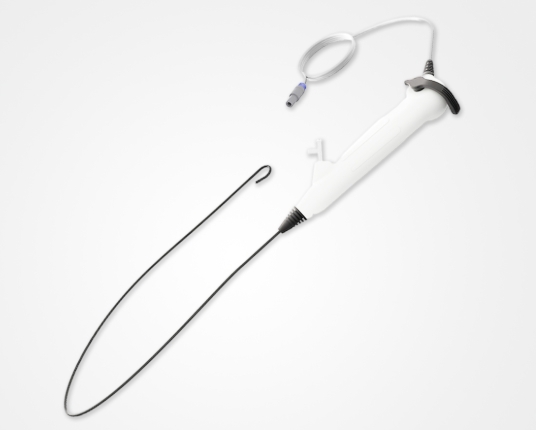
The versatility of the ureteroscope has led to the development of specialized procedures and techniques that leverage its unique capabilities. Retrograde intrarenal surgery (RIRS) represents a significant advancement in ureteroscope technology, allowing urologists to access and treat pathology within the renal collecting system without the need for percutaneous access. The flexible ureteroscope is essential for RIRS, providing the deflection capabilities necessary to navigate the complex intrarenal anatomy. This application of the ureteroscope has revolutionized the management of renal stones, particularly those smaller than 2 cm, offering success rates comparable to percutaneous nephrolithotomy with reduced morbidity.
Another specialized application of the ureteroscope involves the treatment of stone disease in challenging patient populations, such as children, pregnant women, and patients with bleeding diatheses. The ureteroscope enables stone management in these sensitive populations with minimal radiation exposure and reduced risk of bleeding complications. The ureteroscope also facilitates complex combined procedures, such as endoscopic combined intrarenal surgery (ECIRS), where it is used in conjunction with percutaneous nephroscopy to manage large or complex stone burdens. Additionally, the ureteroscope plays a role in managing complications of other urological procedures, including migrated stents, stone formation on forgotten stents, and ureteral injuries, providing a minimally invasive solution for these challenging clinical scenarios.
The ureteroscope has specialized applications in pediatric urology, where its minimally invasive nature offers particular benefits for young patients. Pediatric ureteroscope procedures require specially designed instruments with smaller diameters and appropriate length specifications to accommodate the unique anatomy of children. The ureteroscope enables diagnostic evaluation of congenital abnormalities in children, including ureteropelvic junction obstruction, ureteral valves, and ectopic ureters. The therapeutic ureteroscope facilitates management of pediatric stone disease, which has been increasing in incidence due to changing dietary and lifestyle factors.
In pediatric patients, the ureteroscope allows for stone treatment with minimal tissue trauma, preserving renal function and reducing recovery time compared to open surgical approaches. The ureteroscope also enables management of upper tract pathology in children with spinal abnormalities, voiding dysfunction, or other conditions that predispose them to urinary tract problems. The precision offered by the ureteroscope is particularly valuable in pediatric applications, where preservation of growing tissues and minimization of long-term sequelae are crucial considerations. The adaptation of ureteroscope technology for pediatric use has significantly advanced the field of pediatric urology, offering less invasive treatment options for complex conditions.
The ureteroscope finds important applications in emergency and acute care settings for managing urgent urological conditions. In cases of obstructing ureteral stones causing severe pain, renal colic, or incipient renal failure, the ureteroscope enables immediate decompression and stone treatment. The emergency ureteroscope procedure can rapidly relieve obstruction by either removing the stone or fragmenting it to restore urinary flow. This application of the ureteroscope is particularly valuable for proximal ureteral stones or when conservative management has failed and the patient presents with infection or significant renal impairment.
The ureteroscope also plays a role in managing other urological emergencies, including foreign body removal, control of refractory hematuria through direct fulguration of bleeding sites, and management of iatrogenic ureteral injuries. In cases of obstructive anuria from bilateral ureteral stones or a stone in a solitary kidney, the ureteroscope provides a potentially life-saving intervention by rapidly restoring urinary drainage. The emergency application of the ureteroscope requires specific technical expertise and institutional capabilities but offers significant advantages over traditional surgical approaches in terms of reduced morbidity and faster recovery. The availability of ureteroscope technology in emergency settings has transformed the management of acute urological conditions, providing immediate minimally invasive solutions for urgent clinical problems.
Advancements in ureteroscope technology, particularly the development of smaller diameter instruments and improved flexibility, have enabled the migration of certain ureteroscope procedures from the operating room to office-based settings. Office ureteroscope procedures typically involve diagnostic evaluations, surveillance of known conditions, and minor therapeutic interventions that can be performed under local anesthesia. The office ureteroscope allows for direct visualization of the upper urinary tract without the need for formal operating room facilities, reducing costs and improving patient convenience.
Common office-based ureteroscope applications include surveillance for recurrent urothelial carcinoma, evaluation of equivocal imaging findings, and assessment of treatment response following conservative management of upper tract pathology. The office ureteroscope also facilitates minor therapeutic procedures, such as removal of small stones, biopsy of small lesions, and stent changes. The development of digital ureteroscope technology with enhanced visualization capabilities has further supported the transition of appropriate procedures to office settings. Office-based ureteroscope procedures represent an evolving aspect of urological practice, offering patient-centered care with potential benefits in terms of accessibility, cost-effectiveness, and convenience.
The ureteroscope continues to evolve with technological advancements that expand its diagnostic and therapeutic capabilities. Current research in ureteroscope technology focuses on enhancing visualization through modalities such as narrow-band imaging, optical coherence tomography, and confocal laser endomicroscopy. These advanced ureteroscope technologies aim to provide microscopic-level tissue characterization during procedures, potentially enabling real-time pathological assessment without the need for tissue removal. The diagnostic ureteroscope of the future may incorporate augmented reality overlays that highlight anatomical landmarks or pathological areas based on pre-procedural imaging data.
Emerging therapeutic applications of the ureteroscope include targeted drug delivery, gene therapy, and minimally invasive treatments for renal cysts and other benign conditions. Research is also exploring the integration of robotic technology with ureteroscope systems to enhance stability, precision, and ergonomics during complex procedures. The development of single-use ureteroscope systems addresses concerns regarding reprocessing efficacy and cross-contamination while ensuring consistent performance. As ureteroscope technology continues to advance, its applications are likely to expand further, potentially incorporating artificial intelligence for automated stone detection, lesion characterization, and procedural guidance. These future directions in ureteroscope technology promise to enhance both the diagnostic accuracy and therapeutic effectiveness of endoscopic urological procedures.
The ureteroscope represents a cornerstone of modern urological practice, offering versatile applications across a spectrum of diagnostic and therapeutic procedures. From its fundamental role in managing urinary stone disease to its sophisticated applications in treating upper tract urothelial carcinoma and various other urinary tract pathologies, the ureteroscope has revolutionized minimally invasive urology. The continuous evolution of ureteroscope technology, including improvements in imaging, flexibility, and accessory instruments, has expanded its capabilities while maintaining its minimally invasive nature. The ureteroscope enables urologists to address complex urinary tract conditions with precision and effectiveness, often providing treatment alternatives to more invasive surgical procedures. As technology advances and new applications emerge, the ureteroscope will undoubtedly continue to play a crucial role in urological patient care, contributing to improved outcomes, reduced patient morbidity, and expanded treatment options for various urinary tract disorders.
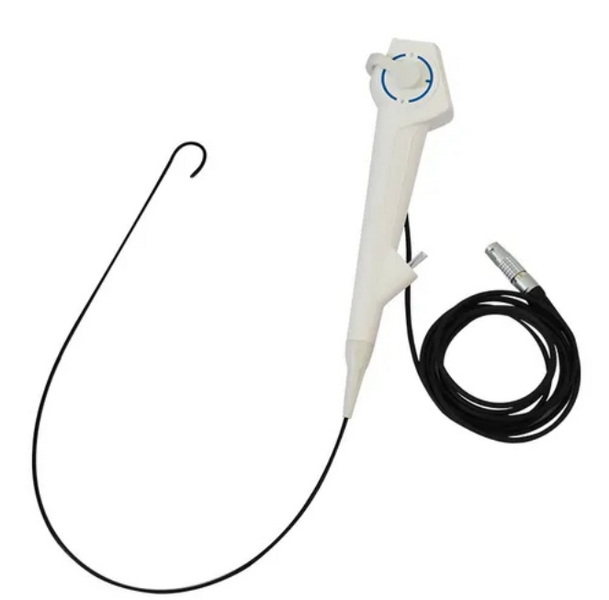
The ureteroscope serves several important diagnostic functions, primarily involving direct visualization of the upper urinary tract. Key diagnostic applications include investigating unexplained hematuria (blood in the urine), evaluating and characterizing upper tract urothelial carcinoma, assessing ureteral and renal pelvic abnormalities identified on imaging studies, and diagnosing congenital anomalies of the urinary tract. The diagnostic ureteroscope enables urologists to obtain biopsy specimens under direct vision, assess mucosal changes, and identify sources of bleeding or obstruction that might not be apparent through imaging alone. These diagnostic capabilities make the ureteroscope an invaluable tool for accurate diagnosis and treatment planning in various urological conditions.
The ureteroscope is extensively used for kidney stone treatment through a minimally invasive approach. During ureteroscope procedures for stones, the instrument is passed through the urethra and bladder into the ureter and kidney, allowing direct visualization of stones. The therapeutic ureteroscope enables stone fragmentation using laser energy (typically holmium laser) delivered through the scope's working channel. After fragmentation, the ureteroscope facilitates removal of stone fragments using specialized baskets or graspers. The ureteroscope is particularly effective for stones in the ureter and kidney that are not amenable to extracorporeal shock wave lithotripsy or when prompt treatment is necessary due to pain, obstruction, or infection.
Yes, the ureteroscope is commonly used for both diagnosis and treatment of tumors in the upper urinary tract, particularly upper tract urothelial carcinoma. The ureteroscope enables direct visualization of tumors, allowing for precise biopsy and characterization. For treatment, the therapeutic ureteroscope facilitates tumor ablation using laser energy, typically with holmium or thulium lasers, which destroys tumor tissue while preserving surrounding healthy urothelium. The ureteroscope also allows for precise delivery of topical chemotherapeutic or immunotherapeutic agents directly to tumor sites. These ureteroscope-guided treatments offer kidney-sparing alternatives to radical surgery for selected patients with low-grade, non-invasive tumors.
There are two main types of ureteroscope instruments: rigid and flexible. Rigid ureteroscope features a straight, non-bending shaft and is primarily used for procedures in the straight portions of the ureter, offering excellent image quality and a relatively large working channel. Flexible ureteroscope has an actively deflectable tip that can navigate the tortuous anatomy of the kidney, making it essential for intrarenal procedures. Semi-rigid ureteroscope offers limited flexibility while maintaining some advantages of rigid scopes. Additionally, ureteroscope systems may utilize fiber optic or digital imaging technology, with digital scopes typically providing superior image quality. The choice of ureteroscope type depends on the specific procedure, location of pathology, and urologist's preference.
Ureteroscope procedures offer several significant advantages over traditional open surgical approaches. The minimally invasive nature of ureteroscope procedures results in reduced patient trauma, less postoperative pain, shorter hospital stays, and faster recovery times. Ureteroscope procedures typically require only spinal or general anesthesia rather than the more extensive anesthesia needed for open surgery. The ureteroscope provides direct visualization of the urinary tract, allowing for precise diagnosis and targeted treatment while preserving surrounding healthy tissue. Additionally, ureteroscope procedures generally involve smaller or no external incisions, reducing the risk of wound complications and resulting in better cosmetic outcomes. These advantages make ureteroscope procedures preferable for many urological conditions when technically feasible.


