


Content Menu
● Understanding Shelf Life vs. Expiration
● Why Do Isolation Gowns Have a Shelf Life? The Science of Degradation
● Regulatory Perspective and Manufacturer's Responsibility
● Storage Conditions: The Critical Variable
● Consequences of Using Expired Isolation Gowns
● Best Practices for Inventory Management (FIFO and Inspection)
● Special Considerations for Reusable Isolation Gowns
● Frequently Asked Questions (FAQ)
>> 1. What is a typical shelf life for disposable isolation gowns?
>> 2. Can we use isolation gowns past their expiration date in an emergency or shortage?
>> 3. How should we dispose of expired isolation gowns?
>> 4. Does the expiration date apply once the box of gowns is opened?
>> 5. Are there visible signs that an isolation gown has degraded, even before its expiration date?
In the meticulously managed world of healthcare logistics and infection control, the stability and reliability of every piece of medical equipment and supply are paramount. This scrutiny extends beyond complex medical visualization devices like endoscopy systems and bronchoscopy workstations to include fundamental personal protective equipment (PPE). Among these, isolation gowns are a cornerstone of barrier protection. A critical inventory management question often arises for procurement specialists, safety officers, and clinicians alike: Do isolation gowns expire? Unlike pharmaceuticals with precise chemical degradation timelines, the answer for isolation gowns is nuanced, centered on the concept of shelf life and the potential degradation of their protective properties over time. For an OEM company dedicated to precision and validated performance, we understand that the integrity of a product at its point of use is non-negotiable. This article will delve into the science and regulations surrounding the shelf life of isolation gowns, exploring the factors that drive expiration dating, the consequences of using degraded gowns, and best practices for inventory management to ensure optimal protection.
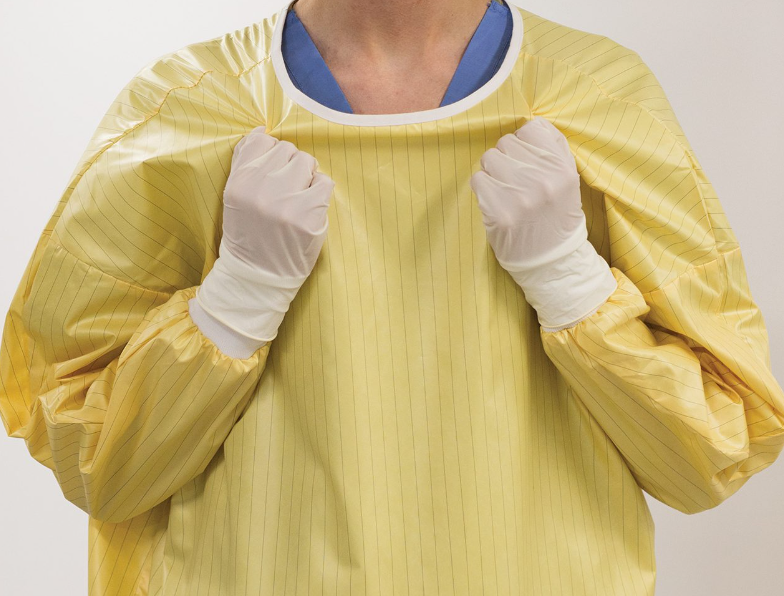
In medical device terminology, particularly for single-use items like most isolation gowns, the term "shelf life" is more precise than "expiration date."
- Shelf Life: The period during which a medical device, stored under specified conditions, is expected to remain within its approved specifications for use, ensuring its safety and effectiveness. For isolation gowns, this primarily concerns the integrity of the material's fluid barrier and the functionality of closures.
- Expiration Date: The date marked by the manufacturer on the packaging, after which the product should not be used. This date is the endpoint of the validated shelf life under stated storage conditions.
Therefore, isolation gowns do have a finite, manufacturer-defined period of guaranteed performance. Using them beyond this date means using a product whose performance characteristics are no longer assured by the manufacturer's validation data.
The materials used in isolation gowns are not inert indefinitely. Several chemical and physical degradation processes can occur over time, even in storage, which may compromise their critical barrier function. The shelf life is established to ensure these processes have not rendered the gown unsafe or ineffective.
Key Degradation Mechanisms:
1. Polymer Degradation (Most Critical for Disposable Gowns):
- Oxidation: The polymers in nonwoven fabrics (e.g., polypropylene, polyethylene) can slowly react with atmospheric oxygen, especially in the presence of heat or UV light. This can lead to chain scission, making the fibers brittle and more prone to tearing.
- UV Degradation: Exposure to direct or even strong indirect sunlight can accelerate polymer breakdown, significantly weakening the fabric.
- Effect: A brittle, degraded fabric has reduced tensile strength and tear resistance. A gown that tears easily upon donning or during patient care has failed its primary purpose.
2. Breakdown of Fluid-Repellent Finishes:
Both disposable and reusable isolation gowns rely on chemical finishes or laminates to achieve their AAMI-level fluid resistance. These finishes can:
- Hydrolyze: Break down in the presence of moisture (high humidity).
- Migrate: The chemical agents can slowly migrate or separate from the fabric substrate.
- Effect: The loss of the fluid-repellent finish means the gown material will no longer cause liquids to bead up and run off. Instead, it may absorb fluids, leading to immediate strikethrough and contamination of the wearer. This directly invalidates the gown's AAMI performance rating.
3. Failure of Closures and Seams:
- The elastic in cuffs or waist ties can lose its elasticity.
- Adhesive bonds in seams or where closures are attached can weaken.
- Plastic snaps or ties can become brittle and break.
- Effect: Compromised closures prevent a secure fit, leaving gaps that expose the wearer and potentially allow the gown to come off during use.
4. Packaging Integrity Failure:
The sterile barrier packaging (for sterile gowns) or the general packaging that keeps the gown clean can degrade, allowing dust, microbes, or moisture to contaminate the gown before use.
Regulatory bodies like the U.S. Food and Drug Administration (FDA) require manufacturers to establish a shelf life for medical devices where it is relevant to safety and performance.
- FDA Requirement: For Class I and II devices like isolation gowns, manufacturers must establish, document, and validate methods for controlling product that is nearing or past its expiration date, if an expiration date is used [1].
- Validation Process: To set a shelf life, manufacturers perform real-time aging studies and/or accelerated aging studies.
- Real-Time Aging: Storing products under labeled conditions and testing them at intervals until failure. This is the gold standard but takes years.
- Accelerated Aging: Storing products at elevated temperatures to simulate the passage of time, using established scientific models (like the Arrhenius equation) to extrapolate shelf life at normal storage conditions. This data is then typically confirmed with real-time studies.
- Labeling: The validated shelf life is printed as an expiration date on the external shipping case and often on individual gown packages.
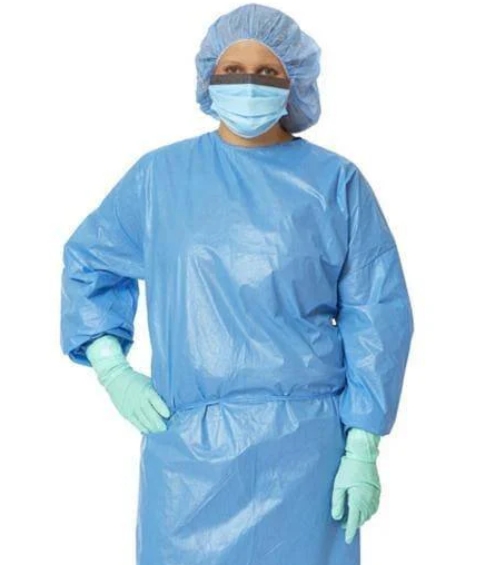
The published shelf life is contingent on proper storage conditions. Improper storage can dramatically accelerate degradation, rendering a gown unsafe well before its printed date.
Ideal Storage Conditions for Isolation Gowns:
- Environment: A cool, dry, well-ventilated area.
- Temperature: Typically room temperature, avoiding extremes. Most manufacturers specify a range like 15-30°C (59-86°F).
- Humidity: Controlled, low humidity is essential to prevent hydrolysis of barriers and finishes.
- Light: Stored away from direct sunlight or strong artificial light.
- Handling: Boxes should be stored off the floor on pallets, not crushed or stacked excessively high, to avoid physical stress on the packages and gowns inside.
Gowns stored in a hot warehouse, a damp basement, or in sunlight on a shelf will likely degrade long before their stated expiration.
The risks are direct and serious:
- Compromised Barrier Protection: The core failure. A tear or loss of fluid resistance leads to immediate exposure of the healthcare worker to blood, bodily fluids, and pathogens. This is a clear breach of Standard Precautions and OSHA Bloodborne Pathogens standards.
- Increased Infection Transmission Risk: Failure of the gown's barrier can contribute to healthcare-associated infections (HAIs), endangering both staff and patients.
- Regulatory and Liability Exposure: Using medical devices outside their validated parameters can violate accreditation standards (e.g., The Joint Commission) and expose the facility to liability in case of an adverse event.
- False Sense of Security: Staff believing they are protected when they are not is one of the most dangerous outcomes in infection control.
Healthcare facilities must implement robust systems to prevent the use of expired or degraded isolation gowns.
1. First-In, First-Out (FIFO): This is the cardinal rule of inventory management for time-sensitive supplies. New stock should be placed behind older stock to ensure the oldest products are used first.
2. Regular Inventory Audits: Designated staff should routinely check storage areas for expired products. Expired gowns must be removed from clinical areas and segregated for disposal or return.
3. Pre-Use Inspection: Even within the expiry date, every isolation gown should be given a quick visual and tactile inspection before donning. Look for:
- Tears, holes, or discoloration in the fabric.
- Compromised or broken closures (ties, snaps, elastic).
- Signs of water damage or moisture in the packaging.
- Any unusual odor, which can indicate chemical degradation.
4. Proper Stock Rotation: Avoid over-ordering and bulk purchasing beyond foreseeable needs to minimize the amount of product sitting in storage for extended periods.
For reusable isolation gowns, the concept is different. Their "life" is defined not by shelf life but by a maximum number of validated laundry cycles (e.g., 75 cycles). An expiration date may not be printed on the gown itself. Instead, the gown is retired from service when it shows signs of wear (tears, fraying, loss of fluid repellency) or when it reaches its maximum cycle count as tracked by the laundering facility.
Do isolation gowns expire? In a functional and regulatory sense, yes. They possess a manufacturer-validated shelf life, after which their critical performance characteristics—especially fluid barrier integrity and material strength—can no longer be guaranteed. This expiration is not an arbitrary date but a data-driven endpoint based on the predictable degradation of synthetic polymers and chemical finishes over time. The responsibility is shared: manufacturers must conduct rigorous aging studies to set appropriate dates, while healthcare facilities must adhere to strict storage protocols and implement flawless inventory management systems like FIFO. In the high-consequence domain of infection control, where the reliability of a bronchoscopy workstation is matched by the need for a dependable protective barrier, assuming an isolation gown is perpetually effective is a dangerous oversight. Respecting shelf life is a fundamental, non-negotiable component of a comprehensive safety culture, ensuring that this essential piece of PPE performs as intended at the critical moment it is needed most.
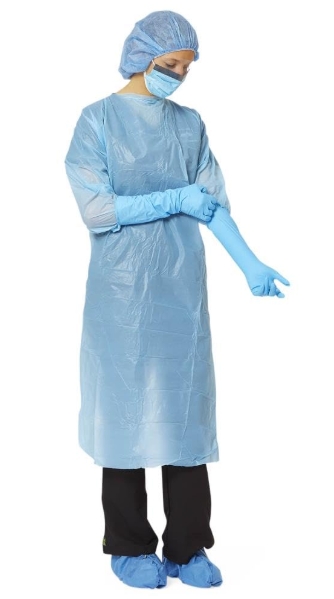
The shelf life varies by manufacturer and material but typically ranges from 3 to 5 years from the date of manufacture when stored under proper conditions. Some products may have shorter or longer validated periods. It is essential to check the expiration date printed on the specific product's packaging and never assume a universal timeframe.
This is a high-risk decision that should only be made under a formal, institutionally approved crisis standards of care protocol. If absolutely necessary, a risk assessment must be conducted. This could involve testing samples from the expired lot for key properties like tensile strength and fluid resistance. However, the default and safest action is to not use expired isolation gowns, as their protective capability is unverified and their failure could cause direct harm.
Expired isolation gowns should be treated as general waste if they are non-hazardous and unused. They should be removed from clinical areas, clearly marked as expired, and disposed of according to your facility's waste management policy. Do not donate them for clinical use. If the gowns are in intact, unopened cases, contact the manufacturer or supplier; some may have return or recall programs for expired products.
The printed expiration date on the box applies to the unopened, properly stored package. Once a sealed case or box is opened, the gowns are exposed to ambient humidity, dust, and potential physical damage. While they don't instantly expire, good practice is to use opened boxes within a reasonable timeframe (e.g., 6-12 months) and store the open box in a clean, dry, protected location. Always inspect each gown individually before use.
Yes, visual and tactile inspection can reveal degradation. Key warning signs include:
- Discoloration: Yellowing or fading of the fabric.
- Physical Damage: Brittleness, tiny holes, or tears that appear easily when the gown is gently stretched.
- Closure Failure: Dry-rotted elastic, brittle or broken ties/snaps.
- Odor: A strong chemical or unusual smell.
- Loss of Fluid Repellency: If a few drops of water placed on the fabric are absorbed rather than beading up, the fluid-resistant finish has likely degraded. Any gown showing these signs should be discarded immediately, regardless of the printed date.
[1] https://www.fda.gov/medical-devices/medical-device-quality-systems/medical-device-qsys-gmp
[2] https://www.fda.gov/medical-devices/personal-protective-equipment-infection-control/isolation-gowns
[3] https://www.aami.org/docs/default-source/standards-library/is-80001-1-2021.pdf
[4] https://www.astm.org/f1980-21.html
[5] https://www.cdc.gov/infectioncontrol/guidelines/environmental/index.html


