


Content Menu
● Initial Approach and Mouth Opening
● Blade-Specific Insertion Methods
● Optimal Positioning and Final Adjustment
● Troubleshooting Difficult Insertion
● Special Patient Considerations
● Safety Considerations and Complication Prevention
>> 1. What is the correct path for laryngoscope insertion?
>> 2. How deep should the laryngoscope be inserted?
>> 3. What should I do if the laryngoscope cannot be properly inserted?
>> 4. How does laryngoscope insertion differ for pediatric patients?
>> 5. What are the most common errors during laryngoscope insertion?
The precise insertion of a laryngoscope represents a fundamental skill in airway management that directly impacts procedural success and patient safety. Mastering laryngoscope insertion technique requires understanding not only the mechanical aspects of the procedure but also the anatomical considerations that guide proper blade placement. The process of inserting a laryngoscope begins long before the blade enters the patient's mouth, encompassing equipment selection, patient positioning, and strategic planning based on individual anatomy. This comprehensive guide examines the systematic approach to laryngoscope insertion, from initial preparation to final blade positioning, providing healthcare professionals with detailed technical knowledge to enhance their airway management capabilities. Proper laryngoscope insertion technique minimizes tissue trauma, optimizes glottic visualization, and establishes the foundation for successful endotracheal intubation across diverse clinical scenarios.
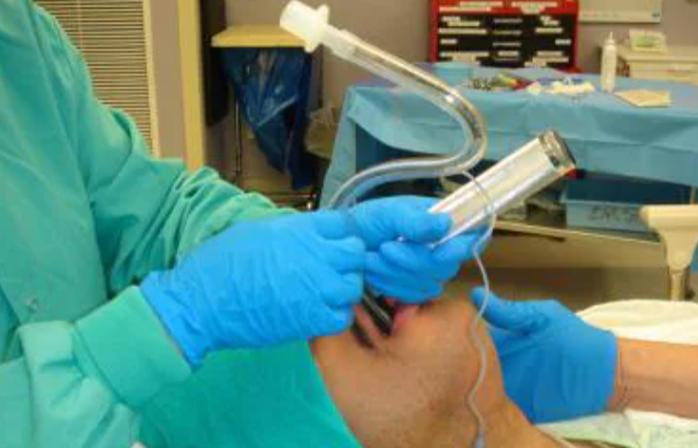
Before inserting the laryngoscope, thorough preparation ensures both safety and effectiveness. Begin by selecting the appropriate laryngoscope blade based on patient anatomy and clinical situation. Test the laryngoscope light source by connecting the blade to the handle and verifying adequate illumination. Position the patient in the "sniffing position" - neck flexed approximately 35 degrees and head extended at the atlanto-occipital joint - which aligns the oral, pharyngeal, and laryngeal axes to facilitate laryngoscope insertion and visualization. Ensure all necessary equipment is within reach, including suction, endotracheal tubes, stylets, and alternative airway devices. This preparatory phase before laryngoscope insertion represents a critical safety check that should never be abbreviated, even in emergency situations.
Pre-oxygenate the patient with 100% oxygen for at least three minutes when possible, creating an oxygen reservoir that extends safe apnea time during laryngoscope insertion and intubation. For emergency situations, provide bag-valve-mask ventilation with high-flow oxygen. Don appropriate personal protective equipment, including gloves, mask, and eye protection, before handling the laryngoscope. Mentally rehearse the laryngoscope insertion sequence, particularly for anticipated difficult airways, visualizing each step from blade entry to vocal cord exposure. This comprehensive preparation establishes the foundation for successful laryngoscope insertion and should be completed systematically before the blade ever approaches the patient's mouth.
The initial approach during laryngoscope insertion begins with proper patient positioning and mouth opening technique. Stand at the patient's head, with the bed height adjusted so the patient's face is approximately at your xiphoid process level. Hold the laryngoscope in your left hand using the standard grip - fingers wrapped around the handle with your thumb positioned toward the blade. Use your right hand to open the patient's mouth using either the scissor technique (crossing your thumb and index finger to separate the teeth and lips) or the two-finger technique (placing your thumb and middle finger on opposite teeth while your index finger stabilizes the chin). This controlled mouth opening creates adequate space for laryngoscope insertion without causing tissue injury.
As you prepare to insert the laryngoscope, ensure the patient's head remains in the optimal sniffing position. If cervical spine injury is suspected, maintain inline stabilization throughout laryngoscope insertion. Visualize the path the laryngoscope blade will follow before insertion, noting any potential obstacles such prominent incisors, dental hardware, or anatomical variations. The moment before laryngoscope insertion represents an opportunity to confirm all preparatory steps are complete and to mentally commit to the procedure. This deliberate approach to initiating laryngoscope insertion establishes the controlled, systematic methodology that characterizes expert airway management.
The actual insertion of the laryngoscope blade requires precision and anatomical awareness. Insert the laryngoscope blade along the right side of the tongue, approaching from the corner of the mouth rather than directly anterior. This lateral approach to laryngoscope insertion allows the blade to sweep the tongue to the left as it advances, creating a pathway through the oropharynx. Maintain visual contact with the laryngoscope blade tip as it enters the mouth, guiding it along the anatomical contours rather than forcing a straight path. The laryngoscope should slide smoothly along the right buccal mucosa, following the natural curvature of the oral cavity rather than being driven directly toward the larynx.
As the laryngoscope advances, the blade should progressively displace the tongue to the left, eventually occupying the space between the tongue and the hard palate. Avoid trapping the tongue against the hard palate during laryngoscope insertion, as this compresses tissue and obstructs visualization. The depth of laryngoscope insertion depends on blade type and patient anatomy, but generally continues until the blade tip reaches either the vallecula (for curved blades) or passes the epiglottis (for straight blades). Throughout laryngoscope insertion, maintain a controlled forward motion rather than a rocking or levering action that uses the teeth as a fulcrum. This careful approach to laryngoscope advancement minimizes tissue trauma and establishes optimal positioning for laryngeal exposure.
Successful laryngoscope insertion requires continuous anatomical navigation as the blade advances through the oropharynx. After initial insertion along the right side, the laryngoscope blade follows the natural curvature of the tongue, guided by the palate above and the tongue below. As the laryngoscope approaches the base of the tongue, gently sweep the tongue completely to the left, ensuring it remains medial to the teeth rather than being compressed against them. This maneuver during laryngoscope insertion creates the space needed for visualization and prevents tongue prolapse that can obstruct the view. The laryngoscope blade should now be positioned in the midline, with the tongue fully displaced to the left.
Continue advancing the laryngoscope until the epiglottis comes into view. For curved Macintosh blades, the laryngoscope insertion depth is correct when the blade tip rests in the vallecula, the space between the base of the tongue and the epiglottis. For straight Miller blades, the laryngoscope must be inserted further until the blade tip passes beneath the epiglottis. Throughout this anatomical navigation during laryngoscope insertion, maintain visualization of structures rather than advancing blindly. If the view becomes obscured during laryngoscope insertion, withdraw slightly and reassess positioning rather than continuing forward without visual guidance. This anatomical approach to laryngoscope insertion transforms the procedure from mechanical placement to targeted navigation based on structural relationships.
Different laryngoscope blade designs require specific insertion techniques to optimize performance. When inserting a curved Macintosh laryngoscope, advance the blade along the right side of the tongue until the flange reaches the right mouth corner, then sweep the tongue to the left as you continue advancing until the blade tip rests in the vallecula. The Macintosh laryngoscope insertion relies on proper placement in the vallecula rather than deep penetration beyond this landmark. For straight Miller laryngoscope insertion, advance the blade along the right side similarly, but continue further until the blade tip passes beneath the epiglottis. The straight laryngoscope requires more precise depth control to position the tip correctly for epiglottic elevation.
Hyperangulated video laryngoscope blades require a modified insertion technique that accounts for their pronounced curvature. Insert these laryngoscope blades along the right side as with conventional blades, but pay particular attention to the increased space needed for their bulkier design. The laryngoscope insertion for video devices often follows a more pronounced curved path, sometimes requiring initial midline insertion before redirecting along the tongue's contour. Regardless of laryngoscope type, the fundamental principles of controlled advancement, anatomical awareness, and tissue preservation remain constant. Mastering various laryngoscope insertion techniques for different blade designs enhances versatility and preparedness for diverse clinical scenarios.
After complete laryngoscope insertion, fine-tune the blade position to optimize glottic visualization. With the laryngoscope blade correctly placed (in the vallecula for curved blades, beneath the epiglottis for straight blades), apply lifting force in the direction of the handle—approximately 45 degrees from horizontal—to elevate the mandible and expose the laryngeal structures. Avoid the temptation to adjust laryngoscope position through back-and-forth movements; instead, make subtle rotational or depth adjustments while maintaining the lifting force. The optimally positioned laryngoscope should provide a clear view of the epiglottis, arytenoid cartilages, and vocal cords without requiring excessive force.
If the view remains suboptimal after initial laryngoscope insertion and lifting, implement strategic adjustments before considering complete withdrawal and reinsertion. External laryngeal manipulation with your right hand often improves the laryngoscope view more effectively than further blade manipulation. slight withdrawal of the laryngoscope (1-2 cm) sometimes improves visualization by preventing excessively deep insertion that passes the optimal viewpoint. Alternatively, gentle advancement of the laryngoscope may help if initial insertion was insufficient. These fine adjustments following proper laryngoscope insertion demonstrate the dynamic nature of optimal positioning and the importance of tactile feedback in addition to visual information.
Challenging laryngoscope insertion situations require systematic troubleshooting rather than increased force. When the laryngoscope cannot be adequately inserted due to limited mouth opening, consider alternative blades (such as pediatric sizes), different blade types, or video laryngoscope systems with slimmer profiles. If anatomical obstacles impede laryngoscope insertion, such as prominent teeth or restricted mandibular mobility, adjust your approach angle or use a straight blade that requires less oral space. For patients with excessive airway secretions or blood, suction thoroughly before and during laryngoscope insertion to maintain visualization.
When the laryngoscope view remains inadequate despite proper insertion technique, implement the failed intubation algorithm rather than persisting with multiple attempts. After three unsuccessful laryngoscope insertion attempts with optimal conditions, consider alternative airway management strategies including supraglottic devices, video laryngoscopy, or surgical airways. Document each laryngoscope insertion attempt, including the view obtained (Cormack-Lehane grade) and specific challenges encountered. This systematic approach to troubleshooting difficult laryngoscope insertion prioritizes patient safety over procedural persistence and demonstrates advanced clinical judgment in airway management.
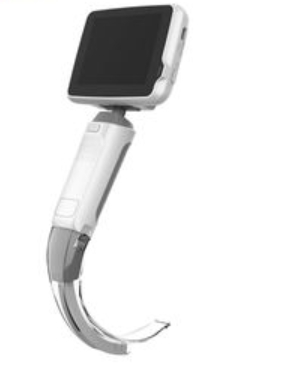
Laryngoscope insertion requires specific modifications for special patient populations. For pediatric patients, laryngoscope insertion follows the same fundamental principles but accounts for anatomical differences including a larger tongue relative to oral cavity size, more anterior and cephalad larynx, and floppy epiglottis. Use appropriately sized pediatric laryngoscope blades and consider straight blades that allow direct epiglottic elevation. In obese patients, laryngoscope insertion may be complicated by limited neck mobility and excessive upper airway tissue. Use ramp positioning to align the ear with sternum and consider video laryngoscope systems that may facilitate insertion and visualization.
For pregnant patients, laryngoscope insertion may be challenging due to airway edema and increased oxygen consumption requiring shorter procedure times. In elderly patients, laryngoscope insertion must accommodate potential limitations in neck mobility, missing teeth, and arthritic changes. For patients with known or suspected cervical spine injuries, laryngoscope insertion requires maintained inline stabilization throughout the procedure, potentially using alternative techniques that minimize cervical movement. These population-specific laryngoscope insertion considerations demonstrate the importance of tailoring technique to individual patient characteristics rather than applying a one-size-fits-all approach.
Safe laryngoscope insertion requires vigilant attention to potential complications and their prevention. The most common complication during laryngoscope insertion is dental trauma, which can be minimized by avoiding use of the teeth as a fulcrum and maintaining proper lifting technique. Lip and tongue injuries during laryngoscope insertion can be prevented by ensuring soft tissues are not trapped between the blade and teeth. Pharyngeal and tonsillar trauma during laryngoscope insertion results from overly forceful advancement or poor visualization; always advance the laryngoscope under direct vision when possible.
To prevent hypoxia during laryngoscope insertion, limit intubation attempts to 30 seconds before returning to bag-valve-mask ventilation. Avoid excessive laryngoscope insertion force that could cause temporomandibular joint injury or cervical spine strain. In patients with fragile dentition or dental work, exercise particular care during laryngoscope insertion, considering protective devices or alternative techniques. Recognizing that laryngoscope insertion represents a balance between adequate visualization and tissue preservation helps maintain the safety consciousness essential for expert airway management. These safety considerations should inform every laryngoscope insertion from routine to challenging scenarios.
Mastering laryngoscope insertion represents a fundamental competency in airway management that combines technical skill, anatomical knowledge, and clinical judgment. The systematic approach to laryngoscope insertion—from careful preparation and patient positioning to controlled blade advancement and final adjustments—establishes the foundation for successful intubation. Understanding the nuances of different laryngoscope blade types, special patient considerations, and troubleshooting techniques enhances versatility across diverse clinical scenarios. Safe laryngoscope insertion prioritizes tissue preservation and complication prevention while achieving the optimal view necessary for endotracheal tube placement. As with all procedural skills, laryngoscope insertion expertise develops through deliberate practice, constructive feedback, and thoughtful application of fundamental principles. By focusing on precision during laryngoscope insertion, healthcare providers enhance their airway management capabilities and contribute to improved patient outcomes in one of critical care's most essential procedures.
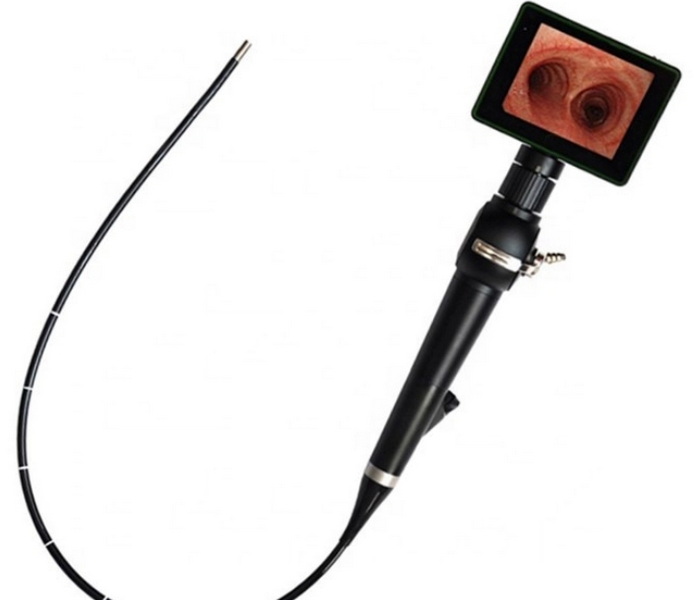
The laryngoscope should be inserted along the right side of the tongue, approaching from the corner of the mouth rather than directly anterior. This lateral approach to laryngoscope insertion allows the blade to sweep the tongue to the left as it advances, creating a pathway through the oropharynx. The laryngoscope should follow the natural curvature of the oral cavity, sliding along the right buccal mucosa and progressively displacing the tongue to the left. This controlled path during laryngoscope insertion minimizes tissue trauma and establishes optimal positioning for laryngeal exposure.
The depth of laryngoscope insertion depends on blade type and patient anatomy. For curved Macintosh blades, the laryngoscope insertion depth is correct when the blade tip rests in the vallecula, the space between the base of the tongue and the epiglottis. For straight Miller blades, the laryngoscope must be inserted further until the blade tip passes beneath the epiglottis. The optimal laryngoscope insertion depth provides a clear view of the epiglottis and vocal cords without requiring excessive force. If the view is inadequate after initial laryngoscope insertion, make small adjustments before considering complete reinsertion.
If laryngoscope insertion is challenging, first ensure optimal patient positioning with adequate neck flexion and head extension. Consider using a different laryngoscope blade type or size that might better suit the patient's anatomy. If anatomical obstacles impede laryngoscope insertion, such as limited mouth opening or prominent teeth, adjust your approach angle or use alternative devices like video laryngoscope systems. After three unsuccessful laryngoscope insertion attempts with optimal conditions, implement the failed intubation algorithm rather than persisting with repeated attempts.
Pediatric laryngoscope insertion follows similar fundamental principles but accounts for anatomical differences including a larger tongue relative to oral cavity size and a more anterior larynx. Use appropriately sized pediatric laryngoscope blades and consider straight blades that allow direct epiglottic elevation. The laryngoscope insertion depth must be carefully controlled in pediatric patients to avoid overly deep placement that could cause tissue trauma. Pediatric laryngoscope insertion requires gentler technique and finer adjustments compared to adult patients.
Common laryngoscope insertion errors include inserting the blade directly anterior rather than from the right side, advancing too rapidly without proper visualization, using excessive force during insertion, and failing to adequately sweep the tongue to the left. Other frequent laryngoscope insertion errors include incorrect blade depth (either insufficient or excessive), poor patient positioning before insertion, and using the teeth as a fulcrum during advancement. Recognizing and correcting these laryngoscope insertion errors significantly improves procedural success and patient safety.
[1] https://www.ncbi.nlm.nih.gov/books/NBK493224/
[2] https://www.ncbi.nlm.nih.gov/pmc/articles/PMC3276274/
[3] https://www.asahq.org/standards-and-guidelines


