
Views: 222 Author: Lake Publish Time: 2025-11-07 Origin: Site


Content Menu
● Understanding Isolation Gowns
>> Detailed Breakdown of Levels
● Choosing the Right Isolation Gown for COVID-19
>> Risk Assessment and Guidelines
>> Practical Considerations in Usage
● Importance of Isolation Gowns in the Pandemic
>> Economic and Environmental Impact
>> 1. What is an isolation gown and how does it differ from other PPE?
>> 2. What are the different levels of isolation gowns and how are they tested?
>> 3. Which level isolation gown is recommended for COVID-19 patients?
>> 4. How do I properly don and doff an isolation gown to avoid contamination?
>> 5. Can isolation gowns be reused or cleaned for COVID-19 protection?
The COVID-19 pandemic has underscored the critical importance of personal protective equipment (PPE) in healthcare settings and beyond. Among the various types of PPE, the isolation gown stands out as a fundamental barrier against pathogen transmission. This article delves into the specifics of isolation gowns, focusing on the appropriate levels required for effective protection against COVID-19. An isolation gown is a disposable garment designed to shield healthcare workers and patients from the spread of infections, particularly in scenarios involving contact with bodily fluids, contaminated surfaces, or airborne particles. With the SARS-CoV-2 virus primarily spreading through respiratory droplets and contact routes, the role of the isolation gown has become paramount in hospitals, clinics, and community settings. Understanding the correct level of isolation gown for COVID-19 not only enhances safety but also optimizes resource allocation during shortages. This comprehensive guide explores the classification, selection, and usage of isolation gowns, emphasizing their significance in pandemic response. We will examine the various levels of isolation gowns, their testing standards, and practical considerations for healthcare providers. By the end, readers will have a thorough grasp of how to choose the right isolation gown for COVID-19 scenarios, ensuring both efficacy and efficiency in infection control protocols. The isolation gown, often overlooked in public discourse, is a cornerstone of defense in the global fight against this virus, and its proper use can significantly reduce transmission rates.
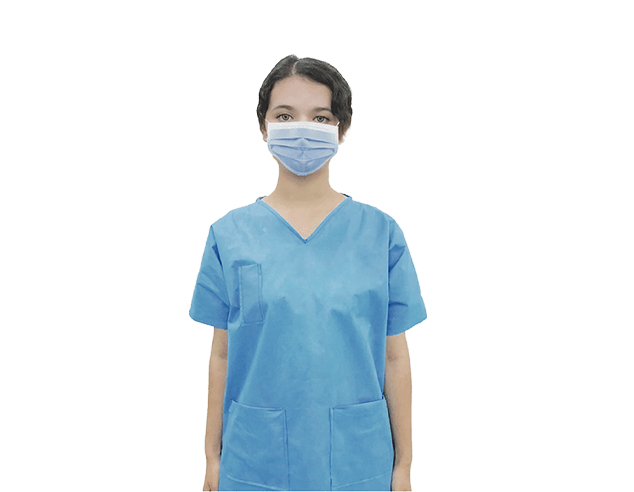
An isolation gown is a type of PPE designed to protect the wearer from hazardous materials, including infectious agents like viruses and bacteria. It is commonly used in healthcare environments during procedures that involve potential exposure to bodily fluids, contaminated surfaces, or infectious patients. The isolation gown typically features long sleeves, a tie-back or snap closure, and is made from fluid-resistant materials. Its primary function is to create a barrier that minimizes the risk of cross-contamination between patients and healthcare workers. In the era of COVID-19, the isolation gown has gained prominence not only in hospitals but also in settings such as testing centers, long-term care facilities, and even public health campaigns. The isolation gown is distinct from surgical gowns, which are sterile and used in operating rooms, whereas isolation gowns are non-sterile and intended for isolation precautions. Understanding this distinction is crucial for selecting the right garment for COVID-19 protection.
The history of the isolation gown dates back to the early 20th century, with advancements in material science leading to the development of disposable versions in the 1960s. Today, isolation gowns are manufactured according to standardized levels that define their protective capabilities. These levels are based on criteria such as fluid resistance, breathability, and tensile strength. For COVID-19, the isolation gown must meet specific benchmarks to ensure it can withstand exposure to respiratory droplets and other contaminants. The isolation gown is often used in conjunction with other PPE, such as N95 respirators and face shields, to provide comprehensive protection. In pandemic situations, the demand for isolation gowns can surge, highlighting the need for clear guidelines on their appropriate use. This section has introduced the basic concept of the isolation gown; next, we will delve into the various levels and how they are classified.
Isolation gowns are categorized into levels based on standards set by organizations like AAMI (Association for the Advancement of Medical Instrumentation) and ANSI. The AAMI PB70 standard is widely recognized and defines four levels of protection for isolation gowns, ranging from Level 1 (minimal risk) to Level 4 (high risk). Each level specifies the gown's ability to resist fluid penetration under controlled conditions. For instance, Level 1 isolation gowns are tested for low fluid exposure, while Level 4 isolation gowns are designed for high-risk situations involving pathogens like COVID-19. The testing involves measuring the gown's resistance to water and other liquids, as well as its durability against abrasion and tearing. This classification helps healthcare providers choose the right isolation gown for specific tasks, ensuring both safety and cost-effectiveness.
In addition to AAMI levels, other standards such as those from the FDA and ISO may apply, but AAMI is the most commonly referenced for isolation gowns in the U.S. The isolation gown level is determined by factors like the critical zone—areas of the gown most likely to be exposed to fluids—and the material's composition. For COVID-19, which involves moderate to high fluid exposure risks in certain procedures, Levels 2-4 are often recommended. Understanding these levels is essential for procurement and training purposes. For example, a Level 1 isolation gown might suffice for basic patient care with minimal fluid contact, whereas a Level 3 or 4 isolation gown would be necessary for aerosol-generating procedures on COVID-19 patients. This hierarchical approach ensures that resources are allocated efficiently without compromising safety. The isolation gown, when selected according to these levels, becomes a tailored tool in infection control.
- Level 1 Isolation Gown: This is the lowest level of protection, suitable for minimal risk situations where there is little to no exposure to fluids. The isolation gown at this level is typically made from lightweight materials and provides a basic barrier against light splashes or dry particles. It is ideal for routine patient care in non-isolation settings. However, for COVID-19, a Level 1 isolation gown may only be appropriate in low-contact scenarios, such as administrative tasks in healthcare facilities, but not for direct patient interaction involving potential exposure to respiratory droplets.
- Level 2 Isolation Gown: Offering moderate protection, this isolation gown is designed for situations with low to moderate fluid exposure. It undergoes testing to resist water and other liquids, making it suitable for procedures like blood draws or minor wound care. In the context of COVID-19, a Level 2 isolation gown is often recommended for general patient care, including interactions with suspected or confirmed cases where there is a risk of droplet transmission. The isolation gown at this level balances protection and comfort, which is crucial for long shifts in healthcare settings.
- Level 3 Isolation Gown: This level provides high protection and is intended for moderate to high fluid exposure scenarios. The isolation gown is made from more durable materials and tested for resistance to synthetic blood and other fluids. For COVID-19, a Level 3 isolation gown is advisable during procedures that generate aerosols, such as intubation or bronchoscopy, where the risk of contamination is elevated. Healthcare workers in ICU or emergency departments often rely on this level of isolation gown to safeguard against the virus.
- Level 4 Isolation Gown: As the highest level of protection, this isolation gown is used in high-risk situations involving heavy fluid exposure or hazardous chemicals. It offers imperviousness to pathogens and is tested under rigorous conditions. For COVID-19, a Level 4 isolation gown may be reserved for extreme cases, such as in operating rooms or when handling large volumes of contaminated materials. However, due to its cost and limited availability, it is not typically the first choice for routine COVID-19 care unless specified by protocol.
The selection of the appropriate isolation gown level for COVID-19 depends on the specific healthcare activity and the assessed risk. Overusing high-level isolation gowns can lead to shortages, while underusing them can increase infection rates. Thus, understanding these levels is vital for effective pandemic management. The isolation gown, in its various forms, serves as a customizable defense based on situational needs.
Selecting the correct level of isolation gown for COVID-19 involves a thorough risk assessment based on the nature of patient interactions and the environment. Guidelines from the CDC and WHO emphasize that for most COVID-19 cases, a Level 2 or 3 isolation gown is sufficient, depending on the procedure. For instance, in outpatient settings with minimal aerosol generation, a Level 2 isolation gown may be adequate, whereas in inpatient units with critically ill patients, a Level 3 isolation gown is preferred. The isolation gown should be chosen based on the potential for exposure to respiratory secretions, blood, or other bodily fluids. Healthcare facilities often conduct training sessions to educate staff on when to use each level of isolation gown, reinforcing the importance of adherence to protocols.
During the pandemic, factors such as supply chain disruptions and cost considerations have influenced the choice of isolation gown. In resource-limited settings, reusable isolation gowns made from cloth may be used, but they must meet the same fluid resistance standards as disposable ones. The isolation gown for COVID-19 should also prioritize comfort to ensure compliance, as discomfort can lead to improper use or removal. Additionally, the fit of the isolation gown is crucial; it should cover the entire torso and arms without gaps. Regular audits and feedback mechanisms can help optimize the selection process, ensuring that the isolation gown serves its purpose effectively. By aligning the isolation gown level with the specific risks of COVID-19, healthcare providers can enhance patient and worker safety while conserving resources.
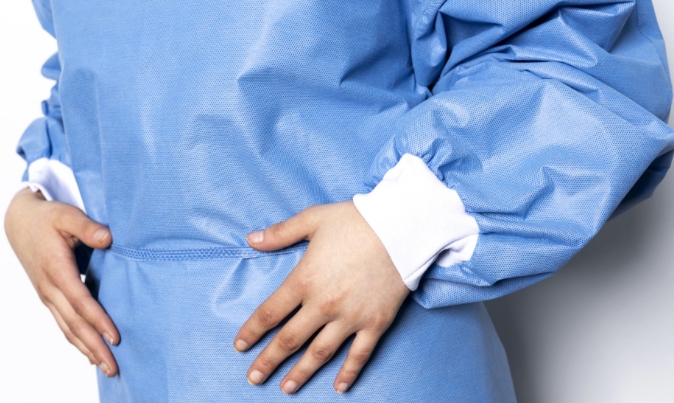
Beyond selection, the proper use of the isolation gown is key to its effectiveness. Donning and doffing procedures must be followed meticulously to avoid self-contamination. For COVID-19, the isolation gown should be put on after hand hygiene and before other PPE, and removed carefully to prevent exposure. Training videos and posters in healthcare settings often highlight these steps, emphasizing that the isolation gown is a critical component of infection control. Moreover, the disposal of isolation gowns must adhere to medical waste protocols, especially since COVID-19 has highlighted environmental concerns related to PPE waste.
In non-healthcare settings, such as home care or public services, the isolation gown may be used differently. For example, caregivers of COVID-19 patients at home might use a Level 2 isolation gown for basic care tasks. Public awareness campaigns have promoted the use of isolation gowns in high-risk communities, though this is less common than mask usage. The isolation gown, when deployed appropriately, can reduce community transmission by protecting individuals in close-contact scenarios. However, overreliance on isolation gowns without other measures like vaccination and social distancing is not recommended. This holistic approach ensures that the isolation gown complements broader public health strategies against COVID-19.
The isolation gown has played a pivotal role in curbing the spread of COVID-19 by providing a physical barrier that blocks the transmission of the virus. Studies have shown that proper use of isolation gowns, along with other PPE, can significantly reduce infection rates among healthcare workers. For instance, in outbreaks, facilities that enforced strict isolation gown protocols reported lower incidences of nosocomial transmission. The isolation gown acts as a first line of defense, particularly in settings where social distancing is challenging, such as hospitals and nursing homes. Its importance extends beyond individual protection to community-wide benefits, as reduced healthcare worker infections maintain workforce capacity during crises.
The pandemic has also driven innovation in isolation gown design, with companies developing eco-friendly and more comfortable versions. For example, some isolation gowns now incorporate antimicrobial coatings or improved breathability without compromising protection. The isolation gown has become a symbol of resilience in the face of COVID-19, representing the collective effort to save lives. Furthermore, the global demand for isolation gowns has highlighted disparities in access, prompting initiatives to increase production and distribution in underserved regions. The isolation gown, therefore, is not just a tool but a testament to the interconnectedness of global health security.
The surge in demand for isolation gowns during COVID-19 has had significant economic implications, with costs fluctuating due to supply chain issues. Hospitals have faced budgetary pressures, leading to strategies like bulk purchasing or using lower-level isolation gowns where possible. The isolation gown market has expanded, but this growth comes with environmental concerns, as disposable isolation gowns contribute to plastic waste. Efforts to develop reusable isolation gowns or biodegradable options are underway, aiming to balance safety with sustainability. The isolation gown, in this context, is part of a larger conversation about sustainable healthcare practices post-pandemic.
In summary, selecting the appropriate level of isolation gown for COVID-19 is crucial for effective infection control and resource management. The isolation gown, classified into Levels 1-4 based on AAMI standards, should be chosen through a risk assessment that considers the specific healthcare activity and exposure potential. For most COVID-19 scenarios, a Level 2 or 3 isolation gown provides adequate protection against respiratory droplets and fluids, while higher levels are reserved for high-risk procedures. The proper use, disposal, and procurement of isolation gowns are essential to maximize their benefits during the pandemic. As we continue to navigate COVID-19 and future health crises, the isolation gown remains a vital component of PPE, underscoring the need for ongoing education, innovation, and global cooperation. By understanding and implementing these guidelines, we can enhance safety for healthcare workers and patients alike, ultimately contributing to the defeat of this virus.
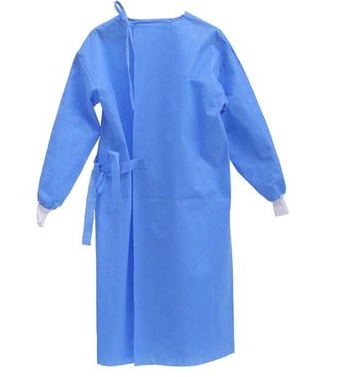
An isolation gown is a disposable protective garment designed to cover the torso and arms, providing a barrier against infectious materials like viruses and bacteria. It differs from other PPE, such as surgical gowns or coveralls, in its intended use and level of sterility. Surgical gowns are sterile and used in operating rooms for specific procedures, while isolation gowns are non-sterile and meant for isolation precautions in various settings. For COVID-19, the isolation gown is often used in combination with masks and gloves to prevent transmission through contact or droplets. The key distinction lies in the customization of protection levels, making the isolation gown versatile for different risk scenarios.
The different levels of isolation gowns, as per AAMI PB70 standards, range from Level 1 (minimal risk) to Level 4 (high risk). Level 1 isolation gowns are tested for low fluid resistance and are suitable for basic care, while Level 2 isolation gowns offer moderate protection against fluids. Level 3 isolation gowns provide high fluid resistance and are tested with synthetic blood, and Level 4 isolation gowns are impervious to fluids and pathogens under rigorous conditions. Testing involves evaluating the gown's material for barrier effectiveness, durability, and breathability. For COVID-19, these tests ensure that the isolation gown can withstand exposure to respiratory secretions, helping healthcare providers choose the right level based on procedural risks.
For COVID-19 patients, the recommended level of isolation gown depends on the healthcare activity. In general, a Level 2 or Level 3 isolation gown is appropriate. For routine care, such as checking vitals or providing meals, a Level 2 isolation gown may suffice due to its moderate fluid resistance. However, for aerosol-generating procedures like intubation or suctioning, a Level 3 isolation gown is advised to handle higher fluid exposure risks. Guidelines from the CDC suggest that the isolation gown should be selected based on the likelihood of contact with bodily fluids, and in most cases, a Level 2 isolation gown balances protection and practicality for COVID-19 scenarios in healthcare settings.
To properly don an isolation gown for COVID-19, start with hand hygiene, then unfold the gown and slip your arms into the sleeves, ensuring full coverage of the torso and arms. Tie the gown securely at the back. After use, doff the isolation gown by untying it and peeling it away from the body without touching the outer surface, then dispose of it in a designated waste container. Perform hand hygiene immediately after removal. This process minimizes the risk of self-contamination, as the outer part of the isolation gown may be contaminated with the virus. Training and practice are essential to master these steps, especially in high-stress environments during the pandemic.
In general, disposable isolation gowns are designed for single use and should not be reused for COVID-19 protection, as this can compromise their barrier properties and increase infection risk. However, in situations of severe shortage, some facilities may implement extended use or limited reuse protocols under strict guidelines, such as using the same isolation gown for multiple patients in a cohort without contamination. Reusable isolation gowns made from laundered cloth are an alternative, but they must be cleaned and disaminated according to standards to maintain fluid resistance. For COVID-19, it is best to follow manufacturer instructions and health authority recommendations to ensure the isolation gown provides reliable protection without fostering transmission.


