
Views: 222 Author: Lake Publish Time: 2025-11-19 Origin: Site


Content Menu
● Hand Positioning and Finger Placement
● Pressure Control and Force Application
● Blade-Specific Handling Considerations
● Common Handling Errors and Corrections
● Ergonomics and Operator Positioning
● Practice and Skill Development
>> 1. Why should the laryngoscope always be held in the left hand?
>> 2. What is the correct finger position when holding a laryngoscope?
>> 3. How much force should be applied when using a laryngoscope?
>> 4. How does laryngoscope handling differ for pediatric patients?
>> 5. What are the most common errors in laryngoscope handling?
The fundamental skill of properly holding a laryngoscope represents one of the most critical technical components in successful airway management and endotracheal intubation. Mastering the correct laryngoscope grip technique is not merely about equipment handling but directly impacts visualization quality, procedural success, and patient safety. The way a clinician holds the laryngoscope significantly influences the ability to obtain an adequate glottic view, minimize tissue trauma, and execute precise maneuvers during intubation procedures. This comprehensive guide examines the essential techniques, hand positions, and practical considerations for optimal laryngoscope handling, providing healthcare professionals with detailed insights to enhance their airway management capabilities. From basic grip mechanics to advanced manipulation strategies, understanding how to properly hold a laryngoscope forms the foundation for effective intubation across diverse clinical scenarios and patient populations.
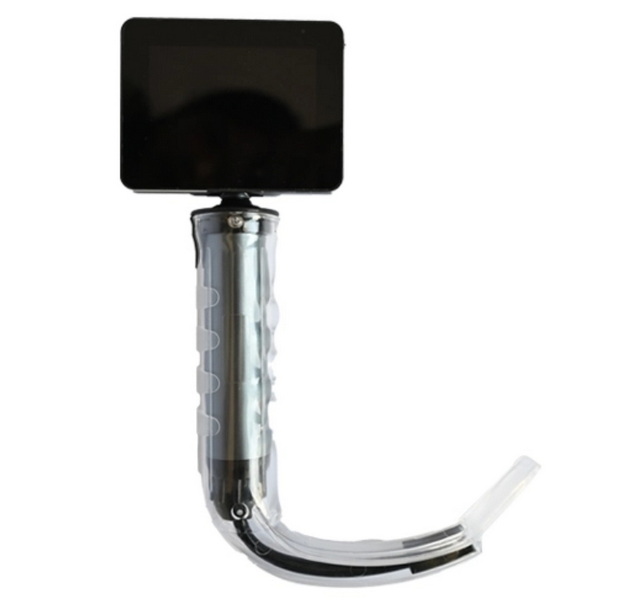
The foundation of proper laryngoscope handling begins with mastering the basic grip technique. Hold the laryngoscope in your left hand, regardless of your natural hand dominance, as this standardization ensures consistent approach and muscle memory development. Position your hand at the junction where the laryngoscope blade connects to the handle, creating a balanced grip that allows both control and flexibility. Your thumb should rest comfortably along the side of the laryngoscope handle, pointing toward the blade, while your fingers wrap naturally around the handle. This fundamental laryngoscope grip provides the stability needed for precise manipulation while allowing sufficient flexibility to adjust during the procedure. The pressure applied through the laryngoscope grip should be firm enough to maintain control but gentle enough to prevent hand fatigue and transmit minimal trauma to patient tissues.
When establishing your laryngoscope grip, ensure your wrist remains in a neutral position, avoiding extreme flexion or extension that could compromise control and precision. Your elbow should be positioned slightly away from your body, creating a stable mechanical advantage for laryngoscope manipulation. The angle between the laryngoscope handle and the patient's body should initially be approximately 45 degrees, though this will adjust throughout the procedure. Practice this fundamental laryngoscope grip repeatedly to develop muscle memory, as consistent hand positioning translates to more reliable performance during high-stress intubation scenarios. Remember that the quality of your laryngoscope grip directly influences your view of the vocal cords and ultimately determines intubation success.
Optimal hand positioning when holding the laryngoscope requires attention to specific anatomical landmarks on the instrument itself. The web space between your thumb and index finger should sit comfortably at the laryngoscope handle's connection point, providing a pivot area for controlled movements. Your index finger often extends slightly along the laryngoscope blade base, serving as a guide during insertion and positioning. However, avoid placing fingers directly on the laryngoscope blade itself, as this can interfere with visibility and sterility. The remaining three fingers wrap securely around the laryngoscope handle, with the pinky finger providing additional stability at the base. This comprehensive hand engagement creates a balanced laryngoscope grip that distributes control across multiple contact points.
The orientation of your hand relative to the laryngoscope significantly impacts your mechanical advantage during the procedure. Position your hand so the laryngoscope handle emerges from the lateral aspect of your palm rather than the center, creating better leverage for lifting motions. Your knuckles should generally point upward rather than sideways when initially inserting the laryngoscope, as this alignment promotes the proper lifting vector once the blade is positioned. As you advance the laryngoscope, subtle adjustments in finger pressure allow precise control of the blade tip without changing your fundamental grip. This nuanced approach to laryngoscope handling separates novice users from experienced practitioners who understand that intubation success often depends on these minute adjustments in hand positioning.
Understanding pressure dynamics is crucial when holding a laryngoscope for intubation. The force applied through the laryngoscope should follow a "lift and forward" vector rather than a rocking or levering motion that uses the teeth as a fulcrum. Apply steady, upward lifting force at approximately a 45-degree angle to displace tongue and soft tissues while minimizing dental trauma. The laryngoscope should never be used with a prying motion that places excessive pressure on the upper incisors, as this represents one of the most common complications associated with improper laryngoscope technique. Instead, focus on lifting the entire mandible forward with the laryngoscope blade acting as a lever against the base of the tongue.
The amount of force required when holding the laryngoscope varies by patient anatomy and clinical situation. Generally, apply the minimum effective force necessary to obtain an adequate glottic view, as excessive pressure can cause tissue damage, while insufficient force results in poor visualization. With experience, practitioners develop proprioceptive feedback through the laryngoscope handle that informs their force application. If you find yourself applying significant force with the laryngoscope without adequate visualization, reconsider blade positioning or patient alignment rather than increasing pressure. This approach to laryngoscope handling emphasizes efficiency and patient safety over brute force, reflecting advanced airway management skills.
The integration of wrist and arm positioning significantly enhances laryngoscope control and effectiveness. Maintain a neutral wrist position when holding the laryngoscope, avoiding extreme flexion or extension that can transmit unintended movements to the blade tip. Your forearm should form a relatively straight line with the laryngoscope handle during initial insertion, creating a stable mechanical relationship. As you position the laryngoscope blade and begin the lifting maneuver, your wrist may naturally extend slightly while maintaining overall stability. This coordinated movement between arm, wrist, and laryngoscope creates a fluid motion that optimizes visualization while minimizing operator fatigue.
Your elbow position relative to your body and the patient significantly influences laryngoscope control. Keep your elbow slightly elevated rather than tucked against your torso, as this position provides better leverage for the lifting motion required during laryngoscope use. Avoid locking your elbow joint, maintaining instead a slight flexion that allows for subtle adjustments during the procedure. The height of the bed or stretcher should position the patient at approximately your xiphoid level, creating an optimal ergonomic relationship between your body, the laryngoscope, and the patient's airway. This comprehensive approach to body mechanics transforms laryngoscope handling from a simple hand technique to an integrated physical process that enhances both efficacy and endurance.
Different laryngoscope blade designs require subtle modifications in handling technique to optimize performance. When using a curved Macintosh laryngoscope blade, position the tip in the vallecula and apply lifting force in a direction that tensions the hyoepiglottic ligament without directly contacting the epiglottis. The handling of this laryngoscope type emphasizes forward elevation rather than pure vertical lifting. For straight Miller laryngoscope blades, advance the tip past the epiglottis and use direct elevation of this structure, requiring a more precise lifting vector. The laryngoscope grip may need adjustment when switching between blade types to accommodate these different mechanical approaches.
Video laryngoscope systems introduce additional handling considerations despite their similar external appearance to conventional devices. When holding a video laryngoscope, maintain the same fundamental grip techniques while being mindful of the different sight lines between the screen and the airway. The handling of a hyperangulated video laryngoscope often requires less lifting force but more attention to blade depth and rotational control. Regardless of laryngoscope type, the principles of firm but gentle grip, appropriate force vector, and stable wrist positioning remain constant. Adapting your laryngoscope handling to specific blade designs demonstrates advanced airway management proficiency and equipment versatility.
Several common errors in laryngoscope handling can compromise intubation success and patient safety. The "pencil grip," where the laryngoscope is held with fingertips like a writing instrument, provides insufficient control and leverage for effective blade manipulation. Instead, use the comprehensive palmar grip described earlier. Another frequent error involves holding the laryngoscope too far down the handle, which reduces precision and control of the blade tip. Position your hand closer to the blade-handle junction for optimal laryngoscope manipulation. The "rocking motion," where practitioners use the teeth as a fulcrum, represents perhaps the most dangerous handling error that must be avoided through proper technique and awareness.
Correction of these laryngoscope handling errors begins with conscious attention to grip fundamentals and often requires supervised practice. If you find your laryngoscope grip migrating during procedures, periodically reset your hand position to the optimal configuration. Video recording of intubation attempts can provide valuable feedback on laryngoscope handling technique, revealing subtle errors that might otherwise go unnoticed. Simulation-based training offers excellent opportunities to refine laryngoscope handling without patient risk, allowing focused attention on technical improvements. Recognizing and correcting these common laryngoscope handling errors significantly enhances procedural success rates and patient safety.
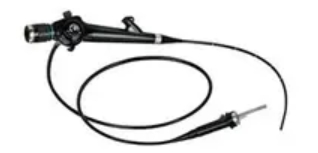
Holding a laryngoscope for pediatric intubation requires specific adaptations to account for anatomical differences and smaller equipment size. The fundamental principle of left-hand laryngoscope control remains constant, but the scale and precision of movements change significantly. When handling a pediatric laryngoscope, use a more delicate grip that allows finer control of the smaller blade. Your fingers may need to be positioned closer together on the laryngoscope handle to accommodate the reduced size while maintaining stability. The lifting force applied through the pediatric laryngoscope must be carefully modulated to avoid tissue trauma in these smaller anatomical structures.
The choice between straight and curved laryngoscope blades in pediatric patients influences handling technique. Many practitioners prefer straight blades for infants and young children, requiring direct elevation of the epiglottis with the laryngoscope tip. This technique demands precise control during blade advancement and positioning. When using a curved laryngoscope blade in older children, apply the same vallecular placement technique as in adults but with proportionally reduced force. The laryngoscope handling in pediatric airways always prioritizes gentle precision over power, recognizing the increased vulnerability of developing anatomical structures. Mastering pediatric laryngoscope technique requires understanding these specialized handling considerations beyond simple scale reduction of adult methods.
Proper ergonomics significantly impact laryngoscope handling effectiveness and operator endurance during intubation procedures. Position yourself at the head of the bed, with the patient's head at a comfortable height relative to your body—typically at your xiphoid process level. This positioning creates an optimal relationship between your body, the laryngoscope, and the patient's airway. Stand with your feet shoulder-width apart, distributing weight evenly to maintain stability throughout the laryngoscope procedure. Your body should be aligned with the patient's longitudinal axis, allowing natural arm movement without twisting or reaching. These ergonomic considerations might seem secondary to laryngoscope grip technique but actually fundamentally influence your handling capability.
Monitor your posture throughout the laryngoscope procedure, as fatigue can lead to subtle technique compromises that affect performance. Keep your back relatively straight, bending at the hips rather than rounding your shoulders forward when using the laryngoscope. If performing multiple intubation attempts, consciously reset your position and laryngoscope grip between attempts to maintain technique quality. The height of the bed or stretcher significantly impacts laryngoscope handling ergonomics—adjust it to your advantage rather than adapting to suboptimal positioning. These ergonomic principles complement specific laryngoscope handling techniques to create comprehensive procedural excellence.
Mastering laryngoscope handling requires deliberate practice and continuous skill refinement. Begin with fundamental grip exercises using a laryngoscope without a patient, developing muscle memory for proper hand positioning and pressure application. Progress to manikin practice, focusing on smooth laryngoscope insertion, optimal blade positioning, and controlled lifting techniques. During clinical practice, consciously monitor your laryngoscope handling with each intubation, identifying areas for improvement. Video-assisted feedback provides invaluable insights into laryngoscope technique subtleties that might otherwise remain unrecognized.
Incorporate laryngoscope handling practice into regular skill maintenance routines, even for experienced practitioners. Simulation scenarios that include difficult airway challenges test laryngoscope technique under controlled stress conditions. When learning new laryngoscope blades or devices, dedicate specific practice sessions to handling adaptations before clinical implementation. The development of expert laryngoscope handling represents a continuous journey rather than a finite destination, with ongoing refinement throughout a clinical career. This commitment to laryngoscope technique excellence ultimately translates to improved patient outcomes through more successful and safer intubation procedures.
Proper laryngoscope handling forms the technical foundation for successful endotracheal intubation, directly influencing visualization quality, procedural efficiency, and patient safety. Mastering the laryngoscope grip requires attention to hand positioning, pressure control, and ergonomic principles that optimize performance while minimizing complications. The techniques described—from fundamental grip mechanics to specialized adaptations for different blades and patient populations—provide a comprehensive framework for laryngoscope excellence. Remember that skilled laryngoscope handling emphasizes controlled precision over brute force, leveraging mechanical advantage through proper technique rather than excessive pressure. As with all procedural skills, laryngoscope mastery develops through deliberate practice, continuous refinement, and thoughtful application across diverse clinical scenarios. By prioritizing these laryngoscope handling fundamentals, healthcare providers enhance their airway management capabilities and contribute to improved patient outcomes in one of critical care's most essential procedures.
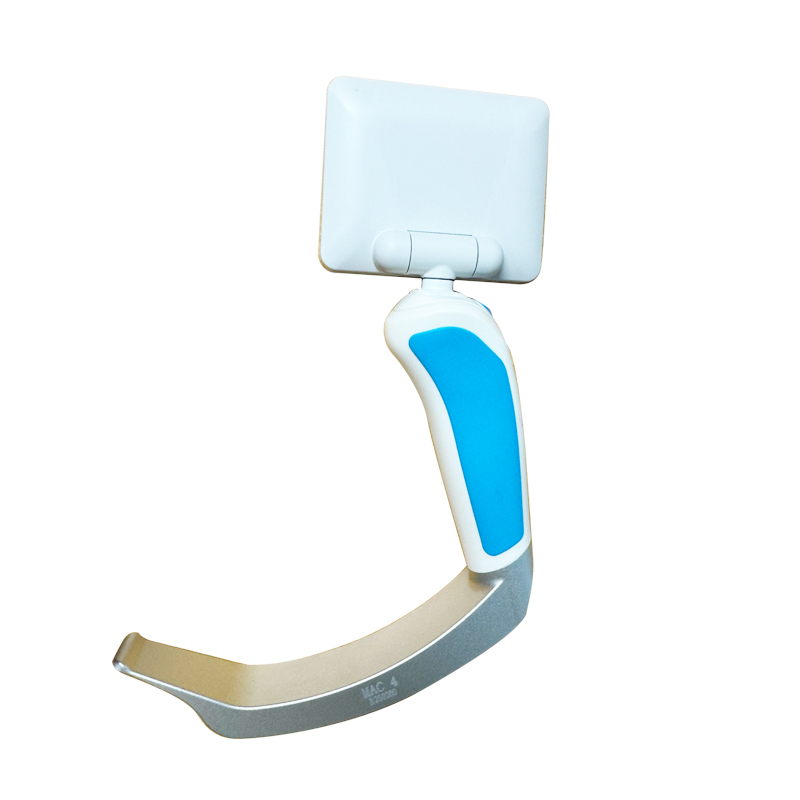
The laryngoscope is consistently held in the left hand regardless of the operator's dominant hand to standardize technique, develop muscle memory, and maintain a systematic approach to airway management. This left-hand laryngoscope convention allows the right hand to remain free for other critical tasks during intubation, including mouth opening, suctioning, external laryngeal manipulation, and endotracheal tube guidance. Standardizing the laryngoscope to the left hand ensures consistent performance across different practitioners and clinical situations, creating a reliable approach that enhances patient safety and procedural efficiency.
The optimal finger position when holding a laryngoscope places the web space between thumb and index finger at the blade-handle junction, with the thumb extended along the handle toward the blade. The index finger often rests slightly on the laryngoscope blade base without obstructing the visual field, while the remaining three fingers wrap comfortably around the handle. This laryngoscope grip distributes control across multiple contact points, providing stability during manipulation while allowing subtle adjustments through finger pressure variations. Avoid gripping the laryngoscope too far down the handle, as this reduces precision and control of the blade tip.
The force applied through the laryngoscope should be the minimum necessary to obtain an adequate glottic view, typically following a "lift and forward" vector at approximately 45 degrees rather than vertical elevation alone. Excessive laryngoscope force often indicates suboptimal blade positioning or patient alignment rather than insufficient effort. If significant laryngoscope pressure fails to improve visualization, reassess blade placement, patient position, or consider alternative techniques rather than increasing force. Proper laryngoscope technique emphasizes mechanical advantage through correct positioning rather than application of brute strength.
Pediatric laryngoscope handling requires modifications including a more delicate grip, finer control movements, and proportionally reduced force application compared to adult techniques. The smaller laryngoscope blades used for children demand enhanced precision during placement and manipulation. Many practitioners prefer straight laryngoscope blades for pediatric patients, requiring direct epiglottic elevation rather than vallecular placement. Pediatric laryngoscope handling always prioritizes gentle precision and acknowledges the anatomical vulnerabilities of developing airways, with technique adjustments based on the child's age, size, and specific physiological characteristics.
Common laryngoscope handling errors include the "pencil grip" that provides insufficient control, holding the laryngoscope too far down the handle, using a rocking motion with dental contact as a fulcrum, and applying excessive vertical force rather than proper lift-and-forward vectors. Additional laryngoscope errors include inadequate patient positioning before blade insertion, failure to optimize operator height relative to the patient, and insufficient practice with different blade types. Recognizing and correcting these laryngoscope handling errors through deliberate practice and feedback significantly improves intubation success rates and reduces complication risks.


