
Views: 222 Author: Lake Publish Time: 2026-02-01 Origin: Site


Content Menu
● Foundational Criteria: What Defines the "Best" Medical Glove?
● In-Depth Analysis of Primary Medical Glove Materials
>> 1. Nitrile Examination Gloves
>> 2. Latex Examination Gloves (Low-Protein, Powder-Free)
>> 3. Vinyl (PVC) Examination Gloves
● Specialized Medical Glove Categories
>> Chemotherapy (Chemo) Rated Gloves
● Decision Framework: Choosing the Best Glove for the Task
● The Role of Fit Testing and Sizing
● Frequently Asked Questions (FAQ)
>> 1. Why are nitrile gloves generally recommended over latex for most medical uses today?
>> 2. Are there any situations where latex gloves are still considered the best option?
>> 3. What makes chemotherapy gloves different from standard nitrile gloves?
>> 4. How important is glove thickness, and what does "mil" mean?
>> 5. Can I be allergic to nitrile gloves?
The selection of appropriate medical gloves is a critical decision that directly impacts healthcare worker safety, patient outcomes, and procedural efficacy. In an environment where medical gloves serve as the primary barrier against pathogens, chemicals, and bodily fluids, choosing the "best" option requires a nuanced analysis of material properties, intended use, and individual factors. The landscape extends far beyond a simple choice between latex and non-latex. Determining the best medical gloves for medical use involves evaluating nitrile, latex, and vinyl against a backdrop of clinical scenarios, allergy considerations, tactile needs, and regulatory standards. This comprehensive guide analyzes the key attributes of each major glove type, providing a framework for healthcare professionals, procurement specialists, and infection control committees to make evidence-based selections that optimize protection, comfort, and performance.
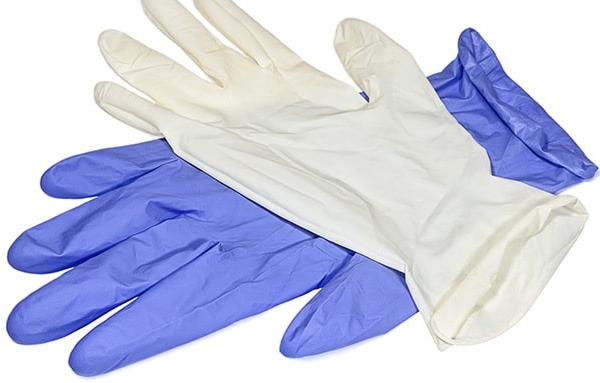
Before comparing specific materials, it is essential to define the criteria that constitute superiority in medical gloves. The best glove effectively balances the following factors:
- Barrier Integrity & Protection: The primary function. The glove must provide a reliable, impermeable barrier to bloodborne pathogens, viruses, bacteria, and hazardous chemicals. This is measured by standards like the ASTM F1671 (blood penetration resistance) and ASTM D6978 (chemical permeation).
- Tactile Sensitivity & Dexterity: The ability to perform fine motor tasks, such as palpating a vein, tying a suture, or handling delicate instruments, is paramount. The glove must be thin yet strong.
- Comfort & Fit: A proper fit reduces hand fatigue, improves control, and minimizes the risk of tearing. Features include ergonomic shaping, beaded cuffs, and a range of sizes.
- Material Strength & Puncture Resistance: The glove must resist tears and punctures during dynamic, high-stress procedures. This is especially critical when handling sharps.
- Allergenicity & Biocompatibility: The glove material should not provoke allergic reactions in the wearer or the patient. This has driven the widespread adoption of low-protein, powder-free latex and synthetic alternatives.
- Regulatory Compliance: The glove must be cleared or approved as a medical device by relevant authorities (e.g., FDA 510(k) in the USA, CE Mark under MDR in Europe) and meet specific performance standards (e.g., ASTM standards for examination and surgical gloves).
Nitrile, a synthetic copolymer, has become the dominant material for non-sterile medical gloves in most healthcare settings.
Key Advantages:
- Superior Puncture and Chemical Resistance: Nitrile medical gloves offer the highest resistance to punctures and tears compared to latex and vinyl. They also provide better protection against a broader range of chemicals, including chemotherapeutic agents, making them ideal for laboratories and oncology settings.
- Excellent Latex Allergy Safety: Being completely latex-free, they eliminate the risk of Type I (IgE-mediated) allergic reactions, safeguarding both healthcare workers and patients with latex sensitivity.
- Consistent Quality and Fit: Modern nitrile medical gloves offer excellent tactile sensitivity, rivaling that of latex. They are less prone to batch-to-batch variability and provide a consistent, form-fitting feel without the use of powder.
- Durability: They maintain integrity better when exposed to oils, alcohols, and disinfectants commonly used in healthcare.
Considerations:
- Elasticity: While improved, nitrile typically has less inherent stretch than latex, which can affect fit for some users.
- Cost: Generally more expensive than vinyl, though often comparable to premium latex.
- Environmental Impact: As a petroleum-based product, nitrile is not biodegradable, though some manufacturers are developing bio-based nitrile alternatives.
Best For: General-purpose examination, emergency department use, laboratory work, procedures involving chemotherapeutic agents, and as the default choice in facilities with a high prevalence of latex allergies. They are widely considered the best all-around medical gloves for routine patient care and high-risk exposure scenarios.
Natural rubber latex gloves, once the universal standard, are now used selectively due to allergy concerns.
Key Advantages:
- Unmatched Tactile Sensitivity and Fit: Latex provides a superior "second-skin" feel, excellent dexterity, and superior elastic recovery, conforming closely to the hand's movements. This is why they remain preferred by many surgeons for intricate procedures.
- High Strength and Elasticity: They offer very good tensile strength and are highly elastic, providing a secure, comfortable fit over extended periods.
- Biodegradability: As a natural product, latex is biodegradable under the right conditions.
Considerations:
- Allergy Risk: Despite advances in manufacturing that reduce protein levels, latex can still cause Type I allergic reactions (which can be severe) and Type IV allergic contact dermatitis. Their use requires careful screening of both staff and patients.
- Deterioration: Latex can degrade when exposed to oils, ozone, and UV light, compromising barrier integrity over time.
Best For: Specialized surgical procedures where ultimate tactile sensitivity is critical, in settings with no known latex allergies, and for specific clinical tasks where user preference for fit and feel is a determining factor. Their use should always be accompanied by a robust latex allergy policy.
Made from polyvinyl chloride (PVC) and plasticizers, vinyl gloves are the most economical option.
Key Advantages:
- Low Cost: They are the least expensive type of medical gloves, making them attractive for high-volume, low-risk tasks.
- Latex and Chemical Allergy Safety: Vinyl contains no latex proteins and is inert, posing minimal allergenic risk.
Considerations:
- Poor Barrier Protection: Vinyl offers the lowest level of protection against bloodborne pathogens and chemicals. They are more prone to tearing and have poor elastic recovery.
- Limited Fit and Dexterity: They tend to be looser fitting and can slip during use, reducing tactile sensitivity and control.
- Plasticizer Concerns: Some plasticizers used (e.g., phthalates) have raised environmental and health concerns, leading to restrictions in certain regions.
Best For: Very short-duration, minimal-risk tasks where no exposure to blood or bodily fluids is anticipated, such as basic patient contact, food service, or clean environmental services. They are not recommended for clinical procedures, handling contaminated items, or in emergency situations.

Surgical medical gloves are a distinct class, subject to more stringent FDA requirements (Class II device). They are sterile, individually packaged, and undergo 100% leak testing. They are available in latex, nitrile, and synthetic-isoprene (a latex-like synthetic). The "best" surgical glove is determined by the surgical team's needs, factoring in sensitivity, allergy status, and procedure length. Synthetic-isoprene gloves are often chosen as a high-performance, latex-free alternative for long surgeries requiring excellent feel.
For handling hazardous drugs (HDs), standard medical gloves are insufficient. ASTM D6978 defines the standard for medical gloves for chemotherapy. These gloves are tested for permeation resistance to specific chemotherapy agents. They are typically made of thicker, specially formulated nitrile and have a longer designated use time (typically 30 minutes of exposure). These are the best and only appropriate gloves for compounding or administering hazardous drugs.
- Sterile Medical Gloves: Required for any surgical procedure, vaginal delivery, central line insertion, and other invasive procedures where maintaining asepsis is critical.
- Non-Sterile (Examination) Medical Gloves: Used for patient examinations, wound care, handling contaminated materials, and other non-invasive tasks where a sterile field is not required.
The following algorithm can guide selection:
1. Assess the Risk of Exposure:
- High Risk (Blood/Body Fluids, Sharps, Chemo): Nitrile medical gloves (standard or chemo-rated).
- Moderate Risk (Routine patient care, wound dressing): Nitrile medical gloves (first choice) or low-protein latex if no allergies.
- Minimal/No Risk (Brief patient contact, clean tasks): Vinyl medical gloves may be acceptable per facility policy, though many institutions standardize on nitrile for simplicity.
2. Consider User and Patient Factors:
- Known Latex Allergy: Nitrile or vinyl (for low-risk tasks) are mandatory.
- Need for Superior Dexterity: For non-allergic users in sensitive tasks, latex or synthetic-isoprene may be preferred.
- Procedure Duration: For long procedures, comfort and material fatigue resistance (nitrile or synthetic-isoprene) are key.
3. Adhere to Facility Policy and Regulations:
- Most modern healthcare facilities have standardized protocols, often favoring nitrile medical gloves as the primary choice for examination use to streamline inventory, simplify allergy management, and ensure a high level of protection across all tasks.
The "best" glove fails if it does not fit correctly. Facilities should ensure availability of a full range of sizes (XS-XXL) and encourage staff to find their proper fit. A glove that is too tight can cause hand fatigue and reduce circulation; one that is too loose impairs dexterity and increases tear risk.
Determining the best medical gloves for medical use is not about identifying a single universal winner, but about making the optimal match between glove properties and clinical demands. In the contemporary healthcare environment, nitrile examination gloves have emerged as the frontline recommendation for the vast majority of non-sterile, patient-care applications. They provide an exceptional balance of high barrier protection, puncture resistance, latex-allergy safety, and adequate tactile sensitivity. For sterile, invasive procedures, the choice narrows to sterile surgical gloves, with synthetic-isoprene increasingly challenging latex for dominance due to its comparable performance without allergy risks. Vinyl gloves occupy a limited niche for truly minimal-risk tasks. Ultimately, the best selection is guided by a risk-assessment framework that prioritizes safety—for both the healthcare worker and the patient—while acknowledging the practical needs of comfort, dexterity, and cost-effectiveness within a facility's standardized protocol. Informed by evidence and tailored to context, the choice of medical gloves remains a cornerstone of effective infection prevention and control.
Contact us to get more information!

Nitrile medical gloves are recommended as the first-line choice because they effectively address the major shortcomings of latex while providing equal or superior protection in key areas. They eliminate the risk of life-threatening Type I latex allergies, offer significantly higher puncture and chemical resistance, and are not subject to the natural degradation that affects latex. Modern manufacturing has also closed the gap in tactile sensitivity, making nitrile a safer, more reliable, and highly practical all-purpose medical glove for diverse healthcare settings, from emergency rooms to outpatient clinics.
Yes, latex gloves may still be considered optimal in specific, controlled scenarios. Some surgeons and proceduralists with no latex sensitivity may prefer the unmatched elasticity and "second-skin" tactile feedback of high-quality, low-protein, powder-free latex surgical gloves for extremely delicate and lengthy microsurgical or vascular procedures. However, this preference must be rigorously balanced against the mandatory screening for latex allergies in all patients and staff in the operating room. In most institutions, synthetic-isoprene surgical gloves have become the preferred alternative, offering similar feel without the allergy risk.
Chemotherapy-rated medical gloves are a specialized subset. While often made of nitrile, they are manufactured and tested to a different, more rigorous standard (ASTM D6978). This standard tests the glove's permeability to specific hazardous drugs over a defined period (usually 30 minutes). They are generally thicker, undergo more stringent quality control, and have a specified "expiration" time during exposure to hazardous drugs. Using standard examination gloves for compounding or administering chemotherapy is unsafe, as they may allow permeation of toxic agents, posing a health risk to the worker.
Thickness, measured in mils (1 mil = 0.001 inch), is an important indicator of durability and barrier strength, but it must be balanced with dexterity.
- Standard Examination Gloves: Typically 4-6 mils. Offers a good balance.
- Surgical Gloves: Often 5-8 mils for added strength during long procedures.
- Chemotherapy/High-Risk Gloves: Can be 8-15 mils for maximum permeation resistance.
A thicker glove (higher mil) generally provides greater puncture and chemical resistance but may reduce tactile sensitivity. The best thickness depends on the task: fine motor skills require thinner gloves, while handling sharp instruments or hazardous chemicals warrants thicker ones.
While much rarer than latex allergy, allergic reactions to nitrile medical gloves are possible. These are usually Type IV allergic contact dermatitis, caused by chemical accelerators (e.g., thiurams, carbamates) used in the manufacturing vulcanization process. Symptoms include redness, itching, and dryness on the hands, which can resemble irritation from frequent washing. For individuals with this sensitivity, accelerator-free or low-dermatitis potential nitrile medical gloves are available. True IgE-mediated allergy to nitrile itself is exceedingly rare.
[1] https://www.fda.gov/medical-devices/personal-protective-equipment-infection-control/medical-gloves
[2] https://www.astm.org/Standards/D3577.htm
[3] https://www.astm.org/Standards/D6319.htm
[4] https://www.astm.org/Standards/D6978.htm
[5] https://www.cdc.gov/niosh/topics/gloves/default.html


