
Views: 222 Author: Lake Publish Time: 2025-12-26 Origin: Site


Content Menu
● Understanding the Product: Types of Disposable Blades
>> 1. Established Medical Supply Distributors
>> 2. Direct from Manufacturers
>> 3. Online Medical Supply Marketplaces and Retailers
>> 4. Group Purchasing Organizations (GPOs)
>> 5. Veterinary and Laboratory Specific Suppliers
● Key Selection Criteria: Beyond Price
● Strategic Considerations for Large-Scale or OEM Procurement
● Frequently Asked Questions (FAQ)
>> 1. What is the most important document to request from a supplier when buying disposable blades?
>> 2. Is it safe to buy disposable scalpel blades on Amazon or eBay?
>> 3. How can I verify if a disposable blade brand is FDA-approved?
>> 4. What does "sterile by gamma irradiation" mean, and why is it important?
>> 5. Our clinic uses a low volume of blades. What's the best purchasing strategy?
The disposable blade is a ubiquitous and critical consumable in modern healthcare, essential for surgical precision, infection control, and clinician safety. Whether for a major operation in a hospital, a minor procedure in a clinic, or specialized tasks in a laboratory, securing a reliable supply of high-quality disposable blade products is a fundamental operational requirement. For procurement officers, practice managers, and healthcare professionals, the question of "where to buy disposable scalpel blades" extends beyond a simple purchase. It involves navigating a complex marketplace to find suppliers that offer the right combination of product quality, regulatory compliance, cost-effectiveness, and logistical reliability. This comprehensive guide explores the primary purchasing channels, key selection criteria, and strategic considerations for sourcing disposable blade products, providing a roadmap for making informed procurement decisions.
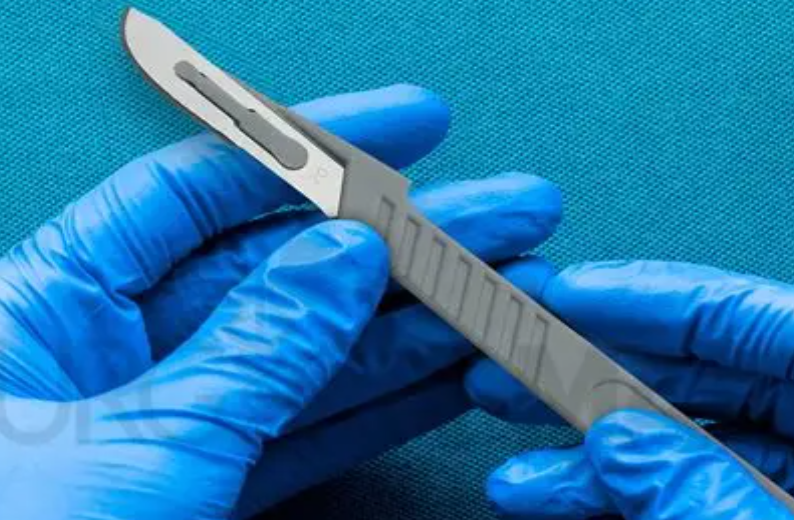
Before exploring where to buy, it's crucial to understand what you're buying. Disposable blade products come in several forms:
1. Loose Blades: Individual, sterile-packaged blades (e.g., #10, #11, #15, #20) designed to be loaded onto reusable metal handles (like a #3 or #7 handle). These are the most common and cost-effective option for high-volume users.
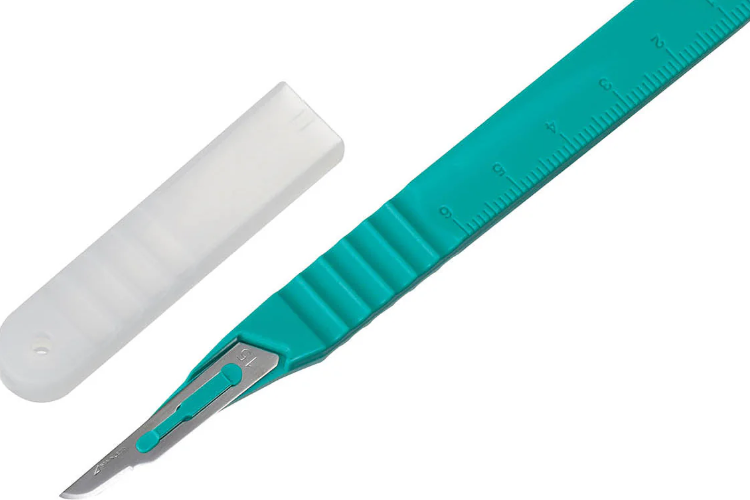
2. Disposable Scalpels: Complete, single-use units where the disposable blade is pre-attached to a plastic handle. The entire device is sterile and discarded after use. This option maximizes safety by eliminating blade-handling and is often preferred in high-risk or fast-paced environments.
3. Safety-Engineered Blades/Systems: These incorporate a safety mechanism, such as a retractable blade or a sliding shield that covers the edge after use. They are designed to meet OSHA and other regulatory preferences for reducing sharps injuries and are typically sold as complete disposable units.
The choice among these types will influence your preferred suppliers and purchasing model.
This is the most common and reliable channel for healthcare facilities of all sizes.
- Global Giants: Companies like Medline Industries, Cardinal Health, Owens & Minor, and McKesson dominate the market. They offer vast catalogs that include multiple brands of disposable blade products, from economy to premium lines.
- Advantages: One-stop shopping, integrated supply chain logistics, volume discounts, consistent availability, and detailed compliance documentation. They often provide value-added services like inventory management (consignment) and procurement software.
- Best For: Hospitals, large clinics, and integrated healthcare systems seeking streamlined procurement and reliable, bulk supply.
- Regional and Specialized Distributors: Smaller, focused distributors may offer more personalized service, deeper expertise in specific surgical specialties (e.g., dermatology, veterinary), or carry niche brands.
- Advantages: Potentially more competitive pricing on specific items, flexibility, and strong local relationships.
- Best For: Smaller clinics, specialty practices, or buyers looking for specific brands not carried by the large nationals.
Purchasing disposable blade products directly from the source is a strategic option, especially for large-volume buyers or OEM partnerships.
- Major Manufacturers: Companies like Swann-Morton (UK), Feather (Japan), Personna (US), Aspen Surgical (makers of the "Sharpoint" line), and Miltex have global operations. Many also have manufacturing partners in countries like China for cost-competitive production.
- Advantages: Direct pricing (potentially lowest cost per unit for very high volumes), access to technical specifications, ability to negotiate custom packaging or private labeling, and direct relationship for quality issues.
- Best For: Very large hospital networks, group purchasing organizations (GPOs), government tenders, and companies seeking OEM manufacturing for their own branded disposable blade products.
The digital transformation has created robust B2B and B2C platforms for medical supplies.
- B2B Marketplaces: Platforms like Henry Schein Dental/Medical, Alibaba.com (for B2B wholesale, especially from manufacturers), and specialized medical e-procurement sites.
- B2C/Clinic-Focused Retailers: Websites like Amazon Business, MediSupplies, and SurgicalOnline.
- Advantages: Convenience, price transparency, easy comparison shopping, rapid ordering, and access to user reviews. Some platforms are excellent for sourcing smaller quantities or for urgent replenishment.
- Considerations/Cautions: Buyers must be extremely diligent. Verify the seller's authenticity, ensure products are genuine and not counterfeit, and confirm they have appropriate regulatory clearances (FDA, CE). Check expiration dates and storage/transportation conditions.
Most hospitals and many large clinics belong to a GPO. These organizations aggregate the purchasing power of their members to negotiate preferential contracts with distributors and manufacturers for a wide range of supplies, including disposable blade products.
- Advantages: Pre-negotiated, below-market pricing and simplified contract management.
- Process: The facility typically must purchase contracted items through the GPO's designated distributor to access the discounted price.
For non-human medical or research use, specialized suppliers cater to these markets. They sell the same or similar disposable blade products but within a procurement ecosystem tailored to veterinary clinics or research labs. Examples include Veterinary Centers of America (VCA) suppliers or lab supply companies like VWR International and Thermo Fisher Scientific.

When evaluating where to buy, consider these critical factors:
1. Regulatory Compliance and Certification: The supplier must provide evidence that the disposable blade products are manufactured under a Quality Management System (e.g., ISO 13485) and have necessary market authorizations (e.g., FDA 510(k) clearance, CE Marking under MDR). Request Certificates of Analysis or Conformity.
2. Product Quality and Consistency: Reputation of the brand is key. A high-quality disposable blade offers consistent sharpness, freedom from defects (burrs, chips), and reliable sterility. Consider trialing samples before a bulk purchase.
3. Supply Chain Reliability and Logistics: Can the supplier guarantee on-time delivery? Do they have multiple distribution centers? What are their lead times and minimum order quantities (MOQs)? Consistent availability is crucial to avoid clinical disruption.
4. Total Cost of Ownership (TCO): Look beyond the unit price. Factor in shipping costs, the potential for volume discounts, the efficiency of the ordering process, and the cost of inventory storage. A slightly higher unit price from a distributor with free shipping and auto-replenishment may be cheaper overall.
5. Customer Service and Support: Responsive customer service for order issues, returns, and technical questions is invaluable. Does the supplier provide sales representatives or dedicated account management?
For entities considering large-volume direct sourcing or OEM partnerships—such as a medical visualization company looking to bundle a disposable blade with a procedure kit—additional steps are necessary:
- Supplier Audits: Conduct on-site audits of the manufacturer's facility to assess their quality controls, production capacity, and ethical standards.
- Contract Manufacturing Agreements: Establish clear agreements covering specifications, intellectual property, quality assurance testing, regulatory responsibility, and exclusivity terms.
- Packaging and Labeling: Negotiate custom packaging, bilingual labeling, or private branding to align with your market needs.
Determining where to buy disposable blade products is a strategic decision that balances clinical needs, operational efficiency, and fiscal responsibility. For the vast majority of healthcare providers, established medical supply distributors offer the optimal blend of convenience, compliance, and cost-effectiveness. For very high-volume users or those with specialized needs, engaging directly with manufacturers or leveraging GPO contracts can yield significant advantages. The digital marketplace offers convenience and competitive options but requires heightened diligence to avoid counterfeit or non-compliant products.
Ultimately, the best supplier is one that reliably delivers genuine, high-quality, and regulation-compliant disposable blade products through a seamless logistics chain, backed by strong customer support. By systematically evaluating potential sources against the criteria of quality, compliance, reliability, and total cost, healthcare organizations can secure a critical consumable supply that upholds the highest standards of patient care and practitioner safety. The sharpness of the blade matters, but so does the sharpness of the procurement strategy behind it.
The most critical document is the Certificate of Analysis (CoA) or Certificate of Conformity. This document, provided by the manufacturer, verifies that the specific lot of disposable blade products meets all declared specifications, has passed sterility tests (e.g., USP <71>), and complies with relevant regulatory standards (like FDA or MDR). It is your proof of quality and safety.
Exercise extreme caution. While there are legitimate medical suppliers on these platforms, the risk of encountering counterfeit, expired, or improperly stored products is high. These marketplaces co-mingle inventory from different sellers. For personal or very small-scale use, only buy from the official storefront of a verified, reputable medical brand or distributor. For clinical or professional use, traditional medical distributors or direct manufacturer sales are strongly recommended due to stringent traceability and compliance requirements.
You can search the FDA's 510(k) Premarket Notification database. Legitimate manufacturers will have a 510(k) clearance number for their disposable blade products. You can ask the supplier for this K-number and verify it on the FDA website. A reputable supplier will provide this information readily.
Gamma irradiation is a terminal sterilization method that uses high-energy gamma rays to destroy all microorganisms, including bacteria, viruses, and spores, on the disposable blade inside its sealed package. It is highly effective and leaves no chemical residue. When buying, confirming the sterilization method (gamma or ethylene oxide - EtO) is part of ensuring the product is truly sterile and safe for patient use.
For low-volume users, the best strategy is often to establish an account with a regional medical distributor or use a reputable online medical retailer that caters to small practices. Look for suppliers with low minimum order quantities (MOQs). Consider purchasing assorted blade packs (#10, #11, #15) to maintain a small, versatile inventory without committing to large boxes of a single type. Avoid bulk purchases that may lead to products expiring before use.
[1] https://www.fda.gov/medical-devices/general-hospital-devices-and-supplies/surgical-scalpels
[2] https://www.accessdata.fda.gov/scripts/cdrh/cfdocs/cfPMN/pmn.cfm
[3] https://www.iso.org/standard/59752.html
[4] https://www.medline.com/
[5] https://www.cardinalhealth.com/en.html
[6] https://www.swann-morton.com/
[7] https://www.aspenmp.com/
[8] https://www.osha.gov/laws-regs/regulations/standardnumber/1910/1910.1030
[9] https://www.henryschein.com/us-en/medical.aspx


