
Views: 222 Author: Lake Publish Time: 2025-12-22 Origin: Site


Content Menu
● 1. Determine the Required Level of Protection (ANSI/AAMI PB70 Standard)
● 2. Assess Material, Construction, and Design Features
● 3. Evaluate Compliance and Certifications
● 4. Consider the Total Cost of Ownership (TCO)
● 5. Prioritize User Comfort and Acceptance
● 6. Assess Sustainability and Environmental Impact
● Frequently Asked Questions (FAQ)
>> 1. Is price per unit the most important factor when buying isolation gowns?
>> 2. How can I verify a supplier's claim about their gown's AAMI PB70 level?
>> 3. What are the main pros and cons of disposable vs. reusable isolation gowns?
>> 4. Our staff complains about gowns being too hot. What should we look for?
>> 5. How many sizes of isolation gowns should we stock?
In the complex ecosystem of healthcare procurement, selecting the right personal protective equipment (PPE) is a decision that carries significant weight for patient safety, staff protection, and operational efficiency. The isolation gown, a fundamental barrier against infectious agents, is no exception. With a global market offering a vast array of options—from basic disposable models to high-performance reusable systems—making an informed purchasing decision requires a strategic evaluation of multiple factors. Procurement specialists, infection preventionists, and clinical managers musty look beyond simple price-per-unit to assess the true value and suitability of an isolation gown for their specific clinical environments and needs. This comprehensive guide outlines the critical criteria to consider when purchasing isolation gowns, providing a framework to ensure your selection optimizes protection, comfort, compliance, and cost-effectiveness.

The most critical starting point is identifying the necessary barrier protection level. This is not a matter of preference but of clinical risk assessment, standardized by the American National Standards Institute/Association for the Advancement of Medical Instrumentation (ANSI/AAMI) PB70 standard. This system classifies isolation gowns into four distinct levels based on their liquid barrier performance:
- Level 1 (Minimal Risk): For basic care, standard inpatient units, or as a cover for visitors where minimal fluid exposure is anticipated.
- Level 2 (Low Risk): Suitable for procedures like peripheral IV insertion, blood draws, or suturing in the ER where low fluid exposure is expected.
- Level 3 (Moderate Risk): Appropriate for arterial blood draws, inserting central lines, trauma care, or pathology labs with moderate fluid exposure.
- Level 4 (High Risk): Designed for high-fluid exposure situations, such as major surgery, lengthy trauma procedures, or when pathogen resistance is a key concern. A Level 4 gown may also qualify as a surgical gown.
- What to Look For: When purchasing, always verify the product's certified AAMI PB70 Level. This information should be clearly stated by the manufacturer on packaging and technical data sheets. Purchasing a gown with a lower protection level than required jeopardizes safety, while over-specifying with a higher level than necessary leads to unnecessary expense and potential discomfort.
The physical attributes of the isolation gown directly impact its performance, durability, and user experience.
- Material:Non-woven (Disposable): Common materials include polypropylene (PP) and polyethylene (PE). Look for SMS (Spunbond-Meltblown-Spunbond) construction, which offers a good balance of barrier protection, breathability, and strength. Assess the fabric's feel; it should be soft to minimize skin irritation but strong enough to resist tearing during dynamic clinical movements.
- Woven (Reusable): Typically cotton or cotton-polyester blends. Evaluate the fabric weight, thread count, and the quality of the liquid-repellent finish. The finish must withstand multiple industrial laundering cycles without significant degradation.
- Construction & Seams:Seams should be strong and sealed. For critical protection zones, look for bound or sealed seams rather than simple stitched seams, which can be pathways for fluid penetration.
- Design & Ergonomics:Options include ties (neck and back), hook-and-loop fasteners (e.g., Velcro®), or snap buttons. Ties offer a customizable fit but are slower to don/doff. Hook-and-loop is faster but may lose adhesion after repeated use or laundering. Assess which system best fits your workflow.
Regulatory compliance is non-negotiable. The purchased isolation gown must meet all applicable standards for your region.
- FDA Regulations (USA): In the U.S., isolation gowns are regulated by the FDA as Class I or II medical devices. Manufacturers must list their products with the FDA. Verify the manufacturer's registration.
- AAMI PB70: As discussed, this is the key performance standard.
- ASTM Standards: Relevant standards include ASTM F2407 for surgical gowns and various test methods for resistance to blood and viral penetration.
- CE Marking (Europe): For sales in the European Economic Area, gowns must comply with the Medical Device Regulation (MDR) and carry a CE mark.
- ISO 13485: This international standard for quality management systems in medical devices is a strong indicator of a manufacturer's commitment to consistent quality.
What to Look For: Request and review the manufacturer's Declaration of Conformity and summary of test reportsdemonstrating compliance with the relevant standards for the protection level claimed.
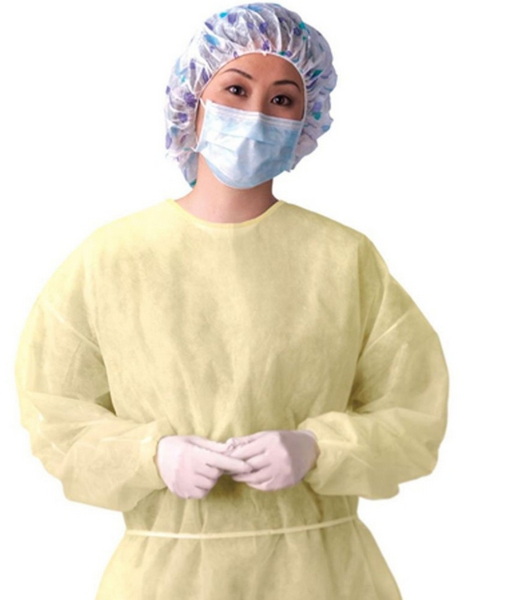
The purchase price is only one component of the total cost. A holistic TCO analysis for isolation gowns should include:
- Acquisition Cost: The price per unit.
- Usage Cost: How often is an isolation gown used per procedure or patient interaction? A weaker, cheaper gown may tear more often, forcing staff to use two.
- Waste Disposal Costs: Disposable gowns add to biohazard or solid waste streams, incurring hauling and processing fees.
- Reprocessing Costs (for Reusables): This includes the cost of water, energy, detergents, labor for laundering, and periodic replacement due to wear and tear.
- Storage & Inventory Costs: Bulkier reusable gowns require more storage space. Disposable gowns in large volumes also need organized storage.
- Cost of Non-Compliance or Failure: The potential cost associated with a healthcare-associated infection (HAI) due to gown failure is immense, including patient harm, extended hospital stays, and regulatory penalties.
- What to Look For: For disposable gowns, calculate the cost per protected procedure. For reusable gowns, work with the supplier and your laundry service to model the cost-per-use over the gown's expected lifespan. Often, a slightly higher-quality disposable gown or a well-managed reusable system proves more economical in the long run by reducing consumption and failure rates.
If an isolation gown is uncomfortable, staff may resist wearing it properly or may remove it prematurely, compromising safety. Key comfort factors include:
- Breathability: The material should allow some air and moisture vapor transmission to reduce heat stress during prolonged wear.
- Weight and Drape: The gown should be lightweight and flexible, not stiff or cumbersome.
- Tactile Sensation: The interior lining should feel comfortable against the skin, especially for staff with sensitivities.
- Ease of Donning/Doffing: A complicated closure system can slow down staff and increase the risk of improper doffing and self-contamination.
- What to Look For: Conduct a clinical trial or pilot program.Have staff from different roles (nurses, surgeons, techs) use samples of the short-listed isolation gowns in real or simulated scenarios and provide structured feedback on comfort, fit, and usability.
Healthcare sustainability is an increasing priority. Consider the environmental footprint of your isolation gown choice.
- Disposable Gowns: Look for options made with recycled content (where safe and compliant), minimal packaging, or from manufacturers with environmental stewardship programs. Assess biodegradability claims critically—most will not degrade in a landfill.
- Reusable Gowns: While eliminating single-use waste, they have an impact through water, energy, and chemical use in laundering. Look for gowns made from durable materials designed for high cycle counts and laundries that use eco-friendly practices.
- Waste Stream: Consider how the gown's end-of-life disposal aligns with your facility's waste reduction goals.
Purchasing the right isolation gown is a multifaceted decision that balances clinical necessity, regulatory compliance, human factors, and fiscal responsibility. It requires moving beyond a simple commodity mindset to a value-based evaluation. By systematically looking at the protection level (AAMI PB70), material quality and design, regulatory certifications, total cost of ownership, user comfort, and environmental impact, healthcare organizations can make informed choices that truly support their mission.
The optimal isolation gown is one that provides the necessary barrier for the task, is trusted and worn correctly by staff, fits seamlessly into clinical workflows, and represents a prudent long-term investment in both safety and sustainability. In an era where infection control is paramount, the thoughtful selection of this fundamental piece of PPE is a direct investment in the health of patients, the well-being of staff, and the operational resilience of the healthcare facility itself.
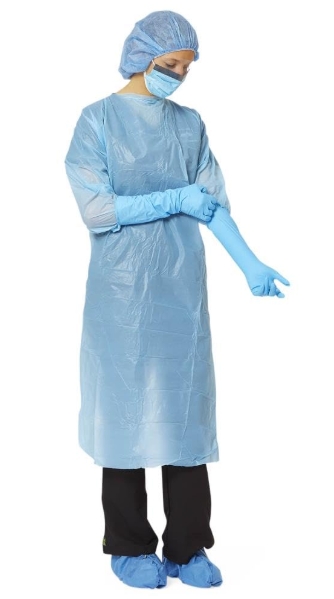
No, price per unit is only one component of the Total Cost of Ownership (TCO). A cheaper gown that tears easily, is uncomfortable (leading to non-compliance), or provides inadequate protection can ultimately cost far more due to increased usage, waste, and potential infection-related costs. The required protection level (AAMI PB70) and proven quality should be the primary drivers.
Request the manufacturer's test reports or a Declaration of Conformity from an accredited independent laboratory. Reputable suppliers will readily provide this documentation, which details the specific tests (like ASTM F1670/F1671 for blood and viral penetration) the gown passed to achieve its claimed level.
Disposable Pros: Consistent, guaranteed performance; no reprocessing costs or infrastructure; eliminates cross-contamination risk from laundering.
Disposable Cons: Higher long-term waste volume and cost; environmental impact.
Reusable Pros: Lower long-term waste volume; can be more cost-effective over many uses if laundry costs are low.
Reusable Cons: High upfront cost; requires robust laundering protocol; barrier integrity can degrade over time; risk of stockouts if laundry cycle is disrupted.
Prioritize breathability. Look for gowns made with breathable non-woven materials like SMS polypropylene. For reusable gowns, seek lightweight fabrics with breathable, durable water-repellent (DWR) finishes. During trials, specifically test for this feedback. A slightly higher-level gown that is breathable may be better accepted than a lower-level, non-breathable one.
At a minimum, stock Medium, Large, and Extra-Large. Ideally, include Small to accommodate all staff safely. A proper fit is critical for safety—exposed skin due to a gown that is too small, or tripping hazards from one that is too large, are significant risks. Offering a range of sizes demonstrates a commitment to staff safety and comfort.


