
Views: 222 Author: Lake Publish Time: 2026-01-07 Origin: Site


Content Menu
● Introduction: A Portal to the Airway
● Core Clinical Uses and Applications
>> 2. Diagnostic Visualization of the Upper Airway
● Evolution and Types of Laryngoscopes
>> 3. Flexible/ Fiberoptic Laryngoscopes
>> 4. Channeled/Guided Video Laryngoscopes
● The Critical Role of Laryngoscope Manufacturers
● Integration with Broader Medical Visualization
● Frequently Asked Questions (FAQ)
>> 1. What is the main difference between a direct and a video laryngoscope?
>> 2. Are disposable laryngoscope blades as effective as reusable ones?
>> 3. How do I choose the right laryngoscope blade type (Macintosh vs. Miller)?
>> 4. Can a laryngoscope be used for procedures other than intubation?
>> 5. What should a hospital consider when purchasing video laryngoscopes from manufacturers?
In the intricate ecosystem of modern medical technology, few devices are as simultaneously foundational and life-saving as the laryngoscope. At [Your Company Name], as specialists in advanced medical visualization and OEM services for a suite of devices including endoscope systems, medical image processors, and video laryngoscopes, we possess a deep appreciation for tools that illuminate the path to diagnosis and treatment. The laryngoscope sits at the very origin of this philosophy of visualization. This article delves into the essential uses, evolving types, and critical role of the laryngoscope in clinical practice, while also highlighting the importance of the global network of laryngoscope manufacturers who innovate and supply this vital instrument.
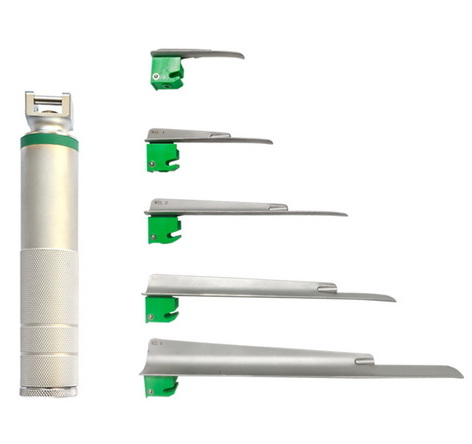
A laryngoscope is a medical instrument designed for direct visualization of the larynx (voice box) and surrounding structures, primarily to facilitate endotracheal intubation—the placement of a breathing tube into the trachea. Its fundamental purpose is to provide a clear line of sight from the patient's mouth to the glottis (the opening of the trachea), enabling the clinician to safely guide an endotracheal tube (ETT) past the vocal cords. This secures a patent airway, ensures ventilation and oxygenation of the lungs, and protects the airway from aspiration. From emergency rooms and operating theaters to intensive care units and pre-hospital settings, the laryngoscope is a first-responder tool of unparalleled importance.
This is the primary and most critical use. The laryngoscope allows the clinician to:
- Visualize Anatomical Landmarks: Identify the epiglottis, arytenoid cartilages, and vocal cords.
- Lift the Tongue and Epiglottis: The blade's design mechanically displaces soft tissues to create a visual pathway.
- Guide Tube Placement: Under direct or indirect vision, the ETT is passed through the visualized glottic opening.
This procedure is indispensable during general anesthesia, for patients with respiratory failure, in cardiac arrest, and for any situation where airway protection or mechanical ventilation is required.
Beyond intubation, laryngoscopes are used diagnostically to:
- Assess Airway Anatomy: Pre-intubation evaluation for potential difficulty (e.g., Mallampati score assessment can be supplemented with a quick direct look).
- Evaluate Pathology: Investigate causes of stridor, hoarseness, dysphagia, or airway obstruction by examining for masses, inflammation, vocal cord paralysis, or foreign bodies. Specialized visual flexible laryngoscopes are often the tool of choice for this detailed examination.
With specialized attachments or channels, laryngoscopes can be used for:
- Foreign Body Removal: From the upper airway under direct vision.
- Biopsy: Of suspicious lesions in the larynx or pharynx.
- Assisted Surgical Procedures: Such as the placement of tracheostomy tubes or during certain ENT surgeries.
Direct laryngoscopy provides an excellent opportunity for teaching airway anatomy and the mechanics of intubation to trainees. Video laryngoscopes, with their external monitor display, have revolutionized this aspect, allowing multiple observers to view the procedure simultaneously.
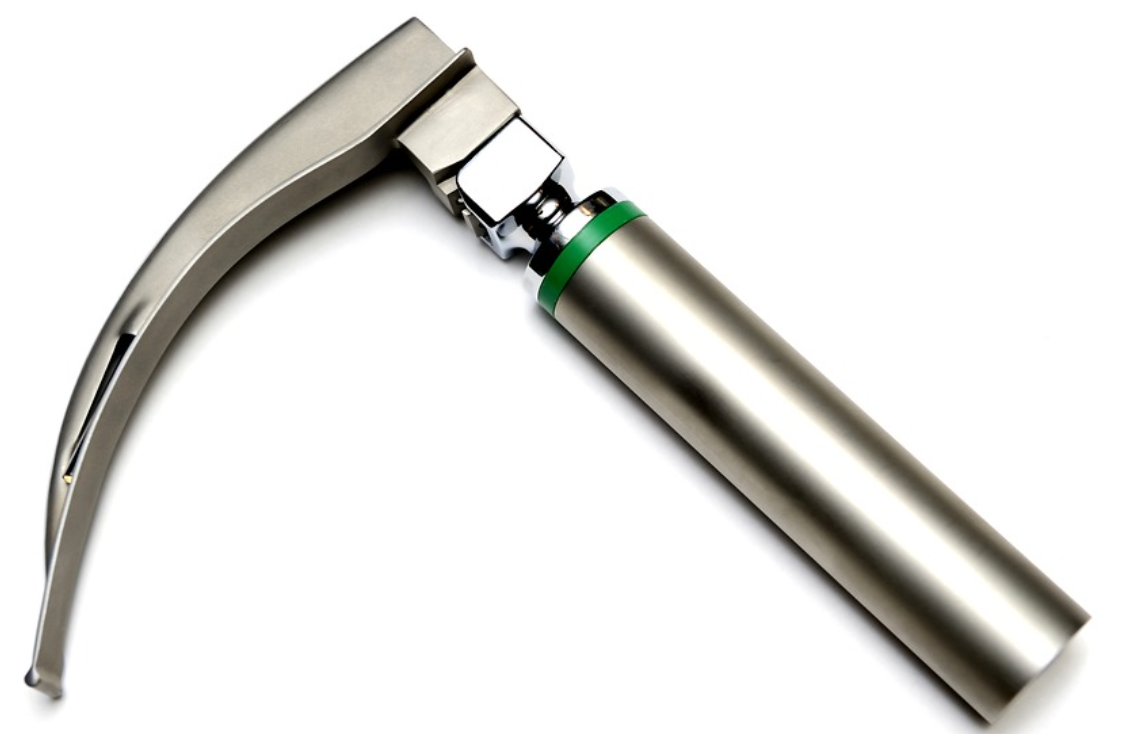
The field has evolved dramatically from simple metal blades, driven by innovation from laryngoscope manufacturers worldwide.
The traditional model, requiring a direct line-of-sight from the clinician's eye to the glottis.
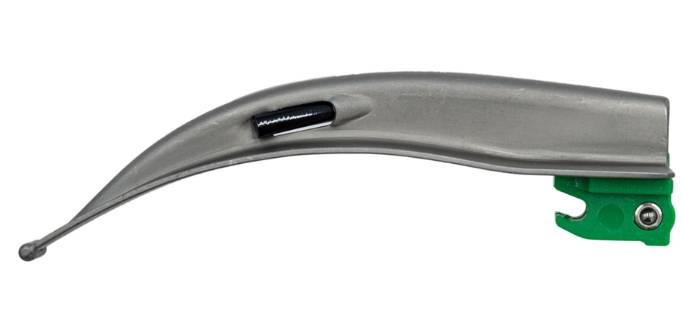
- Macintosh Blade: Curved blade, designed to fit into the vallecula and indirectly lift the epiglottis.
- Miller Blade: Straight blade, designed to directly lift the epiglottis.
These rely heavily on patient anatomy, operator skill, and optimal "sniffing" position. Major laryngoscope manufacturers continue to produce and refine these reliable, cost-effective workhorses.
A transformative advancement. These incorporate a miniaturized camera (CMOS sensor) at the tip of the blade, transmitting the image to an external screen or integrated monitor.
- Use and Advantage: They provide an indirect, often superior, view without requiring alignment of the oral, pharyngeal, and tracheal axes. This significantly improves glottic visualization, especially in difficult airways, and reduces dental trauma. They have become the standard of care in many settings. As laryngoscope manufacturers, we at [Your Company Name] develop sophisticated video laryngoscope systems that integrate seamlessly with medical image processors for recording and documentation.
These are thin, flexible scopes with fiberoptic bundles or a distal camera, actively steerable by the operator.
- Use and Advantage: Primarily used for awake intubations, diagnostic nasolaryngoscopy, and managing the most challenging airways (e.g., severe cervical spine immobility, upper airway tumors). Their flexibility allows navigation around anatomical obstacles. Our expertise in visual flexible laryngoscopes directly informs our understanding of this critical tool's capabilities.
A subset of video laryngoscopes that include a built-in guide channel to direct the ETT toward the glottis, potentially simplifying tube delivery.
The reliability and advancement of this field are directly tied to laryngoscope manufacturers. Their role encompasses:
- Engineering and Ergonomics: Designing blades for optimal tissue control and handles with reliable power delivery (for lighted/video models).
- Material Science: Using medical-grade stainless steel, polymers, and composites for durability, ease of sterilization, and patient safety.
- Optical and Digital Innovation: Developing high-resolution, fog-resistant cameras, bright LED lighting, and efficient medical image processors for video systems.
- Supply Chain for Critical Components: Sourcing and integrating elements like high-quality aviation plug connectors for secure electrical connections in reusable handles or console-based systems like bronchoscopy workstations.
- Regulatory Compliance: Ensuring devices meet stringent FDA, CE, and other international standards for safety and efficacy.
- OEM and Customization: Many global laryngoscope manufacturers, including our own company, provide white-label or custom-designed devices for other brands, allowing them to offer specialized airway equipment without in-house development costs.
The modern laryngoscope is rarely an isolated device. It is part of a broader visualization ecosystem:
- In the OR: A video laryngoscope may feed its image to a central medical image processor and display, alongside feeds from endoscope systems, for complex multi-disciplinary surgeries.
- In the ICU: A portable video laryngoscope cart shares design principles with mobile bronchoscopy workstations, emphasizing integration, battery life, and easy disinfection.
- Disposable Revolution: Mirroring trends in urology with disposable ureteroscopes, there is a significant shift towards single-use video laryngoscope blades and handles. This eliminates cross-contamination risk and reprocessing costs, a major focus for contemporary laryngoscope manufacturers.
The laryngoscope is far more than a simple metal blade; it is the keystone instrument of airway management. Its use in securing a patient's airway during intubation is a defining act in critical care, anesthesia, and emergency medicine. The evolution from direct to video and flexible laryngoscopy, driven by continuous innovation from dedicated laryngoscope manufacturers, has dramatically improved patient safety and procedural success rates. As the technology converges with broader trends in medical visualization—embracing disposability, digital integration, and enhanced ergonomics—the laryngoscope remains a vital link between clinical need and technological solution. For clinicians, understanding its uses and variations is essential. For partners in healthcare, collaborating with experienced laryngoscope manufacturers ensures access to the reliable, advanced tools that form the first line of defense in the most critical of moments: securing the breath of life.
The core difference is the line of sight and visualization method. A direct laryngoscope requires the clinician to align their eye directly with the blade's line of sight to see the glottis, which can be obstructed by anatomy. A video laryngoscope has a camera at the blade tip, projecting the image to an external screen, providing an indirect but often superior and shared view without needing strict anatomical alignment, making it easier for difficult airways.
Yes, when sourced from reputable laryngoscope manufacturers, disposable blades are clinically effective for intubation. They offer guaranteed sterility, eliminate the risk of cross-infection from inadequate reprocessing, and remove the costs and labor associated with cleaning, inspection, and bulb/battery replacement. Their performance in terms of lighting, rigidity, and fit is designed to meet the same standards as reusable blades.
Choice is based on anatomy and clinician preference:
- Macintosh (Curved): Ideal for most adults. It is inserted into the vallecula, indirectly lifting the epiglottis. It generally offers more room for tube passage.
- Miller (Straight): Often preferred for infants, children, or adults with a floppy epiglottis. It is designed to directly lift the epiglottis. The choice is a fundamental skill taught in airway management courses.
Absolutely. While intubation is its primary use, laryngoscopes, particularly flexible visual flexible laryngoscopes, are vital diagnostic tools. They are used by ENT specialists to evaluate hoarseness, airway obstruction, swallowing issues, and to perform biopsies or remove foreign bodies from the upper airway under direct visualization.
Key considerations include:
- Clinical Performance: Image quality, screen size, battery life, and blade options.
- Durability & Cost of Ownership: Device robustness, warranty, and cost of disposable parts (if any).
- Infection Control: Ease of disinfection for reusable components or the cost model for single-use options.
- Integration: Compatibility with existing monitors or recording systems (medical image processors).
- Manufacturer Support: Training provided, service network, and the reputation of the laryngoscope manufacturers for reliability and innovation.


