
Views: 222 Author: Lake Publish Time: 2025-11-26 Origin: Site


Content Menu
● Airway Management and Endotracheal Intubation
● Diagnostic Procedures and Visualization
● Surgical Applications and Therapeutic Interventions
● Critical Care and Intensive Care Applications
● Pediatric and Neonatal Applications
● Emergency Medicine and Prehospital Care
● Anesthesia and Perioperative Management
● Specialized Medical and Surgical Procedures
● Research and Educational Applications
>> 1. What is the primary medical use of a laryngoscope?
>> 2. Besides intubation, what other procedures use a laryngoscope?
>> 3. How has video laryngoscopy changed the use of laryngoscopes?
>> 4. Are laryngoscopes used in outpatient settings?
>> 5. What specialties regularly use laryngoscopes?
The laryngoscope represents one of the most fundamental and essential medical instruments in airway management, serving critical functions across multiple medical specialties. This sophisticated medical device enables healthcare professionals to visualize the larynx and adjacent structures, facilitating various diagnostic and therapeutic interventions. While the laryngoscope primarily serves airway management purposes, understanding its applications requires exploring its use in emergency medicine, anesthesiology, critical care, otolaryngology, and beyond. It's important to distinguish the laryngoscope from other specialized endoscopic instruments like the Disposable Ureteroscope, which serves entirely different clinical purposes in urological procedures. The primary function of any laryngoscope is to provide direct visualization of the glottis and vocal cords, but its utility extends far beyond this fundamental purpose in modern medical practice.
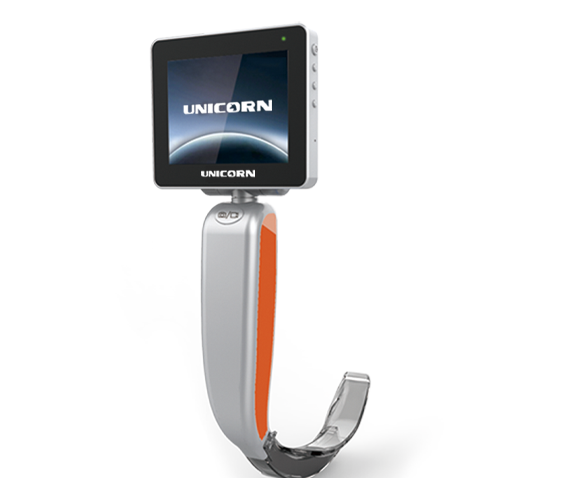
The most critical and widely recognized application of the laryngoscope is in facilitating endotracheal intubation, a procedure essential for securing the airway in various clinical situations. When using a laryngoscope for intubation, healthcare providers insert the instrument into the patient's mouth and carefully advance it to visualize the laryngeal structures, dramatically different from the approach used with a Disposable Ureteroscope in urological procedures. The laryngoscope enables direct viewing of the vocal cords, allowing precise placement of the endotracheal tube through the glottis and into the trachea. This application of the laryngoscope is particularly vital in emergency departments, intensive care units, and operating rooms where patients may require mechanical ventilation or airway protection.
In emergency airway management, the laryngoscope serves as the primary tool for rapid sequence intubation, significantly contrasting with the more deliberate pace of procedures using devices like the Disposable Ureteroscope. The laryngoscope allows clinicians to quickly visualize the airway and secure it with an endotracheal tube, often in life-threatening situations where seconds count. Additionally, the laryngoscope is instrumental in managing difficult airways, where anatomical variations or pathological conditions make visualization challenging. Modern video laryngoscope systems have further enhanced this application by providing superior views compared to traditional direct laryngoscopy, though their purpose remains fundamentally different from specialized scopes like the Disposable Ureteroscope used in urinary tract procedures.
Beyond its therapeutic applications, the laryngoscope serves important diagnostic functions that differ significantly from procedures performed with instruments like the Disposable Ureteroscope. Otolaryngologists frequently use specialized laryngoscope designs to examine the larynx and hypopharynx for pathological conditions. The diagnostic laryngoscope enables direct visualization of vocal cord lesions, tumors, inflammation, and structural abnormalities that may cause symptoms such as hoarseness, stridor, or dysphagia. When equipped with specialized features like stroboscopy capabilities, the laryngoscope can assess vocal cord vibration patterns and function, providing valuable information for diagnosing voice disorders.
The diagnostic utility of the laryngoscope extends to evaluating airway obstructions, identifying the source of hemoptysis (coughing up blood), and assessing traumatic injuries to the laryngeal structures, applications that share little commonality with the uses of a Disposable Ureteroscope in urinary system evaluation. Flexible laryngoscope systems, including fiberoptic and video versions, allow for detailed examination of the nasal passages, nasopharynx, and larynx in awake patients, providing dynamic assessment of laryngeal function during speech and swallowing. These diagnostic applications of the laryngoscope make it an invaluable tool for identifying both common and rare conditions affecting the upper airway and vocal apparatus, serving completely different medical purposes than the Disposable Ureteroscope used by urologists.
The laryngoscope serves as an essential tool in various surgical procedures, particularly those involving the airway and surrounding structures, with applications distinct from those of urological instruments like the Disposable Ureteroscope. In operating rooms, the laryngoscope facilitates numerous interventions, from routine to highly specialized surgeries. Surgical laryngoscope systems often feature specialized designs that provide optimal exposure while accommodating various instruments, fundamentally different in purpose and design from the Disposable Ureteroscope used for urinary tract procedures.
Common surgical applications of the laryngoscope include biopsy of suspicious lesions, removal of laryngeal polyps or nodules, and excision of benign and malignant tumors, procedures that share no technical similarity with those performed using a Disposable Ureteroscope. The laryngoscope also enables therapeutic interventions such as laser surgery for respiratory papillomatosis, dilation of laryngeal strictures, and injection procedures for vocal cord paralysis. In emergency surgical situations, the laryngoscope may be used to facilitate the placement of specialized airway devices or to assist in surgical airway access when endotracheal intubation proves impossible. The versatility of the laryngoscope in surgical contexts underscores its importance across multiple surgical specialties, completely separate from the urological applications of devices like the Disposable Ureteroscope.
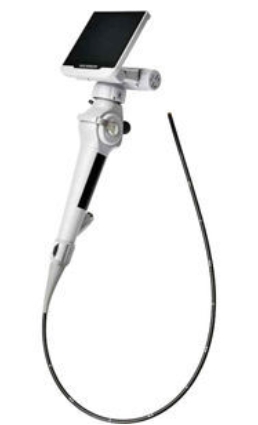
In critical care settings, the laryngoscope plays a vital role in managing the airways of critically ill patients, serving functions that have no parallel in the use of a Disposable Ureteroscope. The laryngoscope is essential for both initial intubation and subsequent airway management in intensive care units (ICUs). Critically ill patients often require frequent airway interventions, and the laryngoscope provides the means to assess and secure the airway in these high-stakes environments. The use of a laryngoscope in ICUs extends beyond initial intubation to include tube exchanges, airway toileting, and assessment of airway injury or pathology, applications completely unrelated to the urinary tract focus of the Disposable Ureteroscope.
The laryngoscope is particularly valuable in managing critically ill patients with evolving airway conditions, such as those with upper airway edema from anaphylaxis, angioedema, or trauma. In neurocritical care, the laryngoscope facilitates secure airway management in patients with compromised consciousness or protective reflexes. Modern video laryngoscope systems have enhanced critical care applications by allowing multiple providers to visualize the airway simultaneously, facilitating teaching and collaborative management in complex cases. The laryngoscope remains an indispensable tool in the intensivist's arsenal for managing the most vulnerable patients, serving purposes entirely distinct from those of the Disposable Ureteroscope in urological practice.
The laryngoscope has specialized applications in pediatric and neonatal medicine, where airway management presents unique challenges and considerations completely different from urological procedures using devices like the Disposable Ureteroscope. Pediatric laryngoscope blades are specifically designed to accommodate the anatomical differences in children, including a larger tongue relative to mouth size, a more anterior and cephalad larynx, and a floppy epiglottis. The use of a laryngoscope in neonatal resuscitation requires particular skill and appropriately sized equipment to safely manage the delicate airways of newborns, applications that share no commonality with the use of Disposable Ureteroscope devices in pediatric urology.
In pediatric emergency departments and ICUs, the laryngoscope enables secure airway management in children with respiratory failure, upper airway obstruction, or altered mental status. Pediatric otolaryngologists use specialized laryngoscope systems to diagnose and treat congenital airway abnormalities, subglottic stenosis, and other conditions unique to the developing airway. The laryngoscope also facilitates procedures such as foreign body removal from pediatric airways, a potentially life-saving intervention. The adaptation of laryngoscope technology for pediatric applications demonstrates the instrument's versatility across the human lifespan, serving completely different medical purposes than the Disposable Ureteroscope used in pediatric urology.
The laryngoscope serves as a critical tool in emergency medicine and prehospital care, where rapid and effective airway management can be lifesaving, in stark contrast to the more controlled environment in which a Disposable Ureteroscope might be used. Emergency physicians use the laryngoscope in diverse situations, from trauma resuscitation to medical emergencies requiring airway protection or ventilatory support. The laryngoscope enables emergency providers to quickly visualize and secure the airway in unpredictable and often suboptimal conditions. In emergency departments, the laryngoscope is essential for managing patients with compromised airways due to overdose, neurological catastrophe, or severe respiratory distress.
In prehospital settings, emergency medical services (EMS) personnel rely on the laryngoscope for endotracheal intubation in the field. The portability and durability of modern laryngoscope designs make them suitable for use in ambulances, helicopters, and other mobile medical units. The laryngoscope allows EMS providers to establish definitive airways outside the hospital, potentially improving outcomes for critically ill and injured patients. Recent advancements in video laryngoscope technology have further enhanced prehospital airway management by providing better visualization in challenging environments. These emergency applications of the laryngoscope highlight its critical role in situations where immediate airway control is necessary, completely different from the elective procedures typically performed using a Disposable Ureteroscope.
The laryngoscope represents an indispensable tool in anesthesiology, where it facilitates airway management during surgical procedures requiring general anesthesia, serving purposes entirely distinct from urological instruments like the Disposable Ureteroscope. Anesthesiologists use the laryngoscope to secure the airway at the beginning of surgery, ensuring adequate ventilation and protection from aspiration throughout the procedure. The laryngoscope enables anesthesiologists to visualize the larynx and guide the placement of endotracheal tubes, double-lumen tubes for thoracic surgery, or other specialized airway devices. This application of the laryngoscope is fundamental to the safe conduct of general anesthesia.
Beyond initial intubation, the laryngoscope assists anesthesiologists in managing airways throughout the perioperative period. The instrument may be used to reposition dislodged tubes, assess for airway edema at extubation, or facilitate reintubation if necessary. Modern anesthesia practice has seen the integration of video laryngoscope systems into routine care, providing enhanced visualization and potentially reducing complications associated with difficult intubation. The laryngoscope remains a cornerstone of anesthetic practice, with its proper use being essential for patient safety during surgical procedures, serving completely different functions than the Disposable Ureteroscope used by urologists in their specialized field.
The utility of the laryngoscope extends to numerous specialized medical and surgical procedures beyond routine airway management, with applications that differ significantly from those of urological instruments like the Disposable Ureteroscope. In pulmonary medicine, the laryngoscope may assist during bronchoscopy by providing laryngeal visualization before bronchoscope insertion. The laryngoscope also facilitates specialized procedures such as the placement of tracheostomy tubes under direct vision, potentially reducing complications associated with blind techniques. In some cases, the laryngoscope assists with the insertion of gastric tubes or other devices that must pass through the pharynx and esophagus.
Specialized surgical applications of the laryngoscope include its use in ENT procedures such as laryngeal framework surgery (thyroplasty), arytenoidectomy, and laryngeal reinnervation. The laryngoscope also plays a role in managing upper airway bleeding, either through direct visualization for cauterization or for guiding the placement of packing or other hemostatic measures. In teaching institutions, the laryngoscope serves as an educational tool for demonstrating laryngeal anatomy and pathology to medical students, residents, and fellows. These diverse applications highlight the laryngoscope's versatility beyond its primary function in airway management, serving medical purposes completely separate from those addressed by the Disposable Ureteroscope in urological practice.
The laryngoscope serves important functions in medical research and education, contributing to the advancement of airway management techniques and the training of healthcare professionals, applications that share little commonality with the use of Disposable Ureteroscope devices in urological training and research. In simulation laboratories, the laryngoscope is used to teach proper intubation technique to students and trainees across multiple disciplines. Educational laryngoscope systems, including video-based platforms, allow instructors to demonstrate proper technique and provide real-time feedback to learners. These educational applications of the laryngoscope are crucial for developing the next generation of healthcare providers skilled in airway management.
In research settings, the laryngoscope facilitates studies on airway anatomy, intubation techniques, and the development of new airway devices. Researchers use the laryngoscope to assess the efficacy of different intubation approaches, compare blade designs, and evaluate new technologies for airway management. The laryngoscope also enables research on laryngeal physiology and the effects of various interventions on laryngeal function. These research and educational applications, while less visible than clinical uses, contribute significantly to the advancement of medical knowledge and practice in airway management, representing a completely different focus of study from research involving the Disposable Ureteroscope in urological science.
The laryngoscope represents a remarkably versatile medical instrument with applications spanning multiple medical specialties and clinical scenarios, serving purposes completely distinct from specialized urological devices like the Disposable Ureteroscope. From its fundamental role in endotracheal intubation to its specialized uses in diagnostic procedures, surgical interventions, and critical care, the laryngoscope has proven indispensable in modern medicine. The evolution of laryngoscope technology, particularly the development of video systems, has expanded its utility while maintaining its core function of enabling visualization of the laryngeal structures. As medical practice continues to advance, the laryngoscope will undoubtedly maintain its position as an essential tool for airway management and beyond. Its widespread use across healthcare settings underscores the importance of proper training in laryngoscope technique for numerous healthcare providers, ensuring that this fundamental instrument continues to contribute to patient safety and positive clinical outcomes in airway management, completely separate from the urological applications of devices like the Disposable Ureteroscope.

The primary use of a laryngoscope is to facilitate endotracheal intubation by providing direct visualization of the laryngeal structures, particularly the vocal cords. This application of the laryngoscope is essential in numerous clinical settings, including anesthesia administration, emergency airway management, and critical care. The laryngoscope enables healthcare providers to guide an endotracheal tube through the vocal cords and into the trachea, establishing a secure airway for ventilation and protection from aspiration. This fundamental use of the laryngoscope makes it an indispensable tool across multiple medical specialties, serving completely different purposes than urological instruments like the Disposable Ureteroscope.
Beyond endotracheal intubation, the laryngoscope is used for various diagnostic and therapeutic procedures that differ significantly from those performed with urological devices like the Disposable Ureteroscope. These include diagnostic examination of the larynx for voice disorders or structural abnormalities, direct laryngoscope for surgical procedures on the larynx, foreign body removal from the airway, and assessment of traumatic injuries to the laryngeal structures. The laryngoscope also facilitates specialized interventions such as biopsy of laryngeal lesions, laser surgery for respiratory papillomatosis, and placement of specialized airway devices. These diverse applications demonstrate the laryngoscope's utility beyond routine intubation, serving medical purposes completely separate from those addressed by the Disposable Ureteroscope.
Video laryngoscope systems have significantly expanded the applications and effectiveness of laryngoscopy by providing superior visualization of the laryngeal structures, representing an advancement specific to airway management that has no direct correlation with developments in urological devices like the Disposable Ureteroscope. Unlike traditional direct laryngoscope systems that require a direct line of sight, video laryngoscope devices use camera technology to transmit images to a screen, often providing better views of the glottis, especially in difficult airway situations. This advancement in laryngoscope technology has improved first-attempt success rates for intubation, reduced complications, and enhanced teaching capabilities by allowing multiple providers to view the procedure simultaneously.
Yes, laryngoscope systems are commonly used in outpatient settings, particularly in otolaryngology (ENT) practices, serving purposes completely different from urological devices like the Disposable Ureteroscope. Flexible laryngoscope procedures are frequently performed in clinic settings to evaluate patients with voice changes, swallowing difficulties, chronic cough, or suspected laryngeal pathology. These outpatient laryngoscope examinations allow specialists to visualize the larynx and adjacent structures in awake patients, assessing both anatomy and function. The laryngoscope has become an essential tool for outpatient diagnosis and management of various laryngeal and pharyngeal conditions, representing applications separate from those of the Disposable Ureteroscope in urological outpatient care.
Several medical specialties regularly use laryngoscope systems as part of their practice, completely distinct from the urological specialties that utilize devices like the Disposable Ureteroscope. These include anesthesiology (for airway management during surgery), emergency medicine (for emergency intubation), critical care medicine (for managing ventilated patients), otolaryngology (for diagnostic and therapeutic procedures), pulmonology (for airway evaluation), and prehospital emergency medical services. The laryngoscope is also used by intensivists, hospitalists, and other providers who manage airways in various clinical settings. The widespread use of laryngoscope technology across these specialties underscores its fundamental importance in modern healthcare for airway management, separate from the urological applications of devices like the Disposable Ureteroscope.


