


Content Menu
● Understanding the Ureteroscope: Definition and Basic Principles
● Historical Development and Technological Evolution
● Types of Ureteroscopes: Rigid, Flexible, and Digital
● Components and Technical Specifications
● Clinical Applications and Procedural Uses
>> Therapeutic Applications: Stone Disease
>> Therapeutic Applications: Upper Tract Urothelial Carcinoma
>> Other Therapeutic Applications
● Global Market Landscape and Key Manufacturers
● Future Directions and Technological Innovations
● FAQ
>> 2.What are the main types of Ureteroscopes?
>> 3.What conditions can be treated with a Ureteroscope?
>> 4.What are the advantages of disposable Ureteroscopes?
>> 5.How is Ureteroscope technology evolving?
A Ureteroscope represents a significant advancement in modern medical technology, specifically designed for diagnosing and treating conditions within the upper urinary tract. As a specialized type of endoscope, this sophisticated instrument enables urologists to directly visualize the interior of the ureters and kidneys, areas that were once accessible only through open surgical procedures. The development of Ureteroscope technology has revolutionized the field of urology, providing minimally invasive alternatives to traditional surgery for conditions such as kidney stones and urinary tract tumors. This article explores the Ureteroscope in comprehensive detail, examining its fundamental principles, historical development, technical specifications, clinical applications, and future directions in urinary tract care.
The global medical community has widely adopted Ureteroscope procedures as standard practice for managing various upper urinary tract disorders. According to market research, the disposable endoscopes market, where Ureteroscope represents a significant segment, was valued at approximately $0.95 billion in 2025 and is projected to reach $2.67 billion by 2030, growing at a compound annual growth rate of 22.9% . This remarkable growth trajectory underscores the increasing clinical importance and adoption of Ureteroscope technology worldwide, driven by its demonstrated efficacy, patient benefits, and continuous technological innovations.
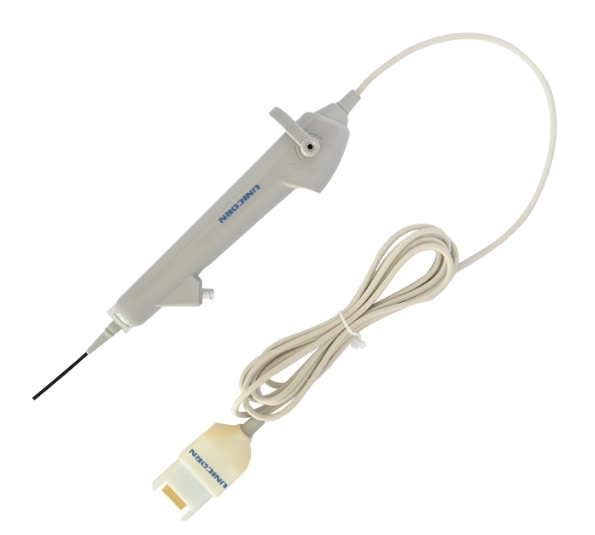
A Ureteroscope is a specialized medical instrument that allows direct visualization and intervention within the upper urinary tract. In technical terms, it is an endoscope specifically designed for navigating the narrow, tubular structure of the ureters and accessing the renal pelvis and calyces of the kidney. The fundamental purpose of a Ureteroscope is to provide both diagnostic capabilities and therapeutic interventions without the need for external incisions, aligning with the broader medical shift toward minimally invasive procedures that reduce patient recovery time and complication risks.
The basic working principle of a Ureteroscope involves the transmission of light into the urinary tract and the return of images to the urologist's eye or a video monitor. Traditional Ureteroscope models utilized fiber optic bundles for this purpose, while modern digital versions incorporate miniature cameras at their tips. The instrument typically features an integrated working channel through which specialized tools can be passed, allowing the surgeon to perform various procedures under direct visualization. This combination of visualization and intervention capabilities makes the Ureteroscope an invaluable tool in contemporary urological practice .
The conceptual origins of urinary tract endoscopy date back to the early 20th century, but significant practical advancements in Ureteroscope technology began in the late 1970s and early 1980s. The initial rigid Ureteroscope devices were limited in their application, primarily allowing examination of the distal ureter. The term "ureteroscopy" itself was formally established in medical terminology in 1997, reflecting the procedure's growing standardization and acceptance . These early instruments laid the groundwork for subsequent technological innovations that would expand the capabilities of ureteroscopic procedures.
The development of the flexible Ureteroscope represented a monumental leap forward in the field. First introduced in the 1980s and formally recognized in urological nomenclature in 2014 , the flexible Ureteroscope dramatically expanded the therapeutic reach of urologists into the entire upper urinary tract, including the challenging lower pole calyces of the kidney. The subsequent integration of digital imaging technology marked another significant advancement, with modern digital Ureteroscope models offering superior image quality, improved durability, and enhanced maneuverability compared to their fiberoptic predecessors .
Rigid Ureteroscope instruments are characterized by their inflexible, straight-line construction, typically manufactured from durable metals. These devices generally range from 41 to 46 cm in length with diameters varying between 9F and 12.5F . The rigid Ureteroscope design provides excellent irrigation flow and stability during procedures, making it particularly suitable for addressing pathology in the straight portions of the ureter. Modern iterations have incorporated slight modifications, such as tips that can be deflected, to improve accessibility while maintaining the fundamental advantages of the rigid platform.
The clinical applications of rigid Ureteroscope technology are primarily focused on the middle and distal portions of the ureter, where the natural anatomy is relatively straight. Specific therapeutic uses include the treatment of ureteral stones, resection of ureteral tumors, and management of ureteral strictures. The rigid Ureteroscope typically offers a larger working channel compared to flexible models of similar diameter, facilitating the use of larger instruments and improving irrigation flow during procedures—a significant advantage when dealing with obstructing pathology or poor visualization conditions.
The flexible Ureteroscope represents a more technologically advanced category of instruments designed to navigate the tortuous anatomy of the upper urinary tract. As defined in urological terminology, a flexible Ureteroscope is characterized by "a soft sheath, containing an imaging system and an operational channel, that can reach the entire upper urinary system including the renal lower calyx" . This definition highlights the key advantage of flexible Ureteroscope technology: the ability to access and treat pathology throughout the kidney, including areas that are inaccessible to rigid instruments.
Modern flexible Ureteroscope designs can be broadly categorized into fiberoptic and digital models. Fiberoptic Ureteroscope instruments utilize coherent bundles of glass fibers to transmit images from the tip to an eyepiece or camera. Digital Ureteroscope models, in contrast, incorporate a miniature digital image sensor (CMOS) at the distal tip, which captures and electronically transmits the visual information . Digital Ureteroscope technology typically provides superior image resolution, better durability, and often includes advanced imaging features such as narrow-band imaging for enhanced tissue characterization .
The relatively recent introduction of single-use disposable Ureteroscope devices represents a significant paradigm shift in ureteroscopic practice. These instruments are designed for one-time use, eliminating the concerns associated with reprocessing, such as cross-contamination risk and instrument damage during sterilization. Economic analyses have demonstrated that disposable Ureteroscope options can be cost-effective in certain clinical settings, particularly when considering the high repair costs associated with reusable flexible Ureteroscope instruments and the potential infection control benefits .
The market for disposable Ureteroscope devices has grown substantially, with the global disposable endoscopes market projected to reach $2.67 billion by 2030 . Within this market, urology endoscopes constitute the largest segment, driven by the rising prevalence of chronic kidney and ureteral diseases and increasing procedural volumes . Regulatory approvals for disposable Ureteroscope devices continue to expand, as evidenced by recent clearances for devices such as the "Single-Use Electronic Ureteropyeloscope Catheter" in China , reflecting the growing global acceptance of this Ureteroscope category.

A modern Ureteroscope, whether rigid or flexible, consists of several essential components that collectively enable its diagnostic and therapeutic functions. The main body of the instrument houses the optical system, which may be based on either lens-based fiberoptic technology or digital sensor technology. The Ureteroscope also incorporates a light guide system, typically utilizing LED sources in contemporary models, to illuminate the surgical field within the dark environment of the urinary tract .
The working channel represents another critical component of the Ureteroscope design, providing a conduit for the passage of various instruments, including laser fibers, biopsy forceps, stone baskets, and grasping devices. This channel also serves as an irrigation pathway, allowing for the maintenance of a clear visual field and distension of the urinary tract during procedures. The diameter of the working channel varies among Ureteroscope models but typically ranges from 3.4F to 3.6F in flexible instruments, representing a balance between sufficient instrument size and overall Ureteroscope diameter minimization for ease of passage .
Additional technical specifications that define Ureteroscope performance include the tip deflection capability, which in modern flexible Ureteroscope models typically offers 270-275 degrees of primary deflection and 170-180 degrees of secondary deflection. The outer diameter of the Ureteroscope shaft generally ranges from 7.5F to 9.5F, with progressive miniaturization being a consistent trend in instrument development. The field of view for most Ureteroscope models ranges from 80 to 90 degrees, providing adequate visualization of the urinary tract interior while balancing the constraints of instrument size .
The Ureteroscope serves important diagnostic functions in the evaluation of upper urinary tract pathology. Through direct visual inspection, urologists can identify and characterize various conditions, including suspicious lesions, tumors, strictures, and anatomical abnormalities. The diagnostic capabilities of the Ureteroscope are particularly valuable in the evaluation of unexplained hematuria (blood in the urine), filling defects identified on radiographic imaging, and positive urinary cytology with normal cystoscopy and upper tract imaging.
During diagnostic Ureteroscope procedures, urologists can obtain targeted tissue samples using miniature biopsy forceps passed through the working channel. The development of the flexible Ureteroscope has significantly enhanced diagnostic yield by allowing access to the entire intrarenal collecting system, including the challenging lower pole calyces. Modern digital Ureteroscope technology with enhanced imaging capabilities further improves the detection and characterization of subtle mucosal abnormalities that might be missed with conventional imaging or older Ureteroscope models .
The most common therapeutic application of the Ureteroscope is in the management of urinary stone disease. The introduction of the holmium laser, which can be passed through the working channel of a Ureteroscope, has revolutionized the treatment of ureteral and renal stones. During a Ureteroscope laser lithotripsy procedure, the surgeon visualizes the stone, positions the laser fiber in direct contact with the calculus, and fragments it into small pieces that can either be removed with baskets or allowed to pass spontaneously.
Clinical studies have demonstrated that Ureteroscope laser lithotripsy achieves stone-free rates ranging from 73% to 97% for intrarenal stones, with outcomes dependent on stone size, location, and composition . The flexible Ureteroscope has been particularly transformative in managing renal stones, as it can navigate the complex intrarenal anatomy to reach stones in all calyces, including the lower pole, which was previously accessible only through percutaneous or extracorporeal approaches. The routine use of ureteral access sheaths during flexible Ureteroscope procedures has further improved outcomes by facilitating multiple instrument passages and maintaining lower intrarenal pressures .
The Ureteroscope plays an increasingly important role in the management of upper tract urothelial carcinoma (UTUC). Through a Ureteroscope, urologists can directly visualize tumors, obtain biopsies for histopathological confirmation, and perform definitive treatment using laser ablation. The holmium laser and neodymium:YAG laser, either alone or in combination, can be deployed through the Ureteroscope working channel to ablate malignant tissue while preserving the underlying healthy architecture.
Narrow-band imaging capabilities available on some digital Ureteroscope models enhance the detection of flat lesions such as carcinoma in situ, which might be difficult to visualize with standard white light imaging . The therapeutic approach to UTUC using Ureteroscope technology is typically reserved for patients with low-grade, low-stage tumors or those with imperative indications such as solitary kidney or renal insufficiency. Long-term surveillance following Ureteroscope treatment of UTUC requires periodic reevaluation with Ureteroscope due to the high risk of recurrence and the limitations of other diagnostic modalities .
Beyond stone disease and tumors, the Ureteroscope finds application in managing various other conditions of the upper urinary tract. It can be used to incise strictures of the ureter using laser fibers or electrocautery instruments passed through the working channel. The Ureteroscope also facilitates the retrieval of migrated ureteral stents and the treatment of calyceal diverticula by establishing communication with the main collecting system. In cases of ureteropelvic junction obstruction, the Ureteroscope can be used to perform endopyelotomy, either through a retrograde approach or in conjunction with antegrade techniques.
The development of specialized instruments compatible with the Ureteroscope working channel has continuously expanded the therapeutic potential of this versatile tool. These include miniature graspers for foreign body removal, balloon dilators for stricture management, and injection needles for the administration of therapeutic agents such as bulking materials or chemotherapeutic agents. The continuous evolution of Ureteroscope-compatible instrumentation ensures that the therapeutic applications of this technology will continue to expand in the future .
The global Ureteroscope market represents a dynamic and competitive landscape, characterized by continuous technological innovation and expanding clinical adoption. Market research indicates that key players in the Ureteroscope industry include both established multinational corporations and emerging specialized manufacturers. Prominent companies in this space include Olympus, Stryker, Boston Scientific, Karl Storz, and Richard Wolf, among others . These manufacturers compete through technological differentiation, focusing on aspects such as image quality, instrument durability, maneuverability, and integration with complementary technologies.
From a geographical perspective, North America currently represents the largest market for Ureteroscope technology, followed by Europe and the growing Asia-Pacific region . The high prevalence of urological conditions, well-established healthcare infrastructure, and favorable reimbursement policies drive market dominance in developed regions. However, emerging economies are expected to demonstrate the highest growth rates in Ureteroscope adoption, fueled by improving healthcare access, rising procedural volumes, and increasing awareness of minimally invasive treatment options. The Chinese Ureteroscope market, in particular, has shown rapid expansion, with domestic manufacturers such as Hangzhou Hawk Optical Electronic Instruments gaining significant market share .
The future of Ureteroscope technology continues to evolve toward enhanced visualization, improved ergonomics, and expanded functionality. Notable trends in Ureteroscope development include further miniaturization of distal tips without compromising image quality or working channel diameter, integration of advanced imaging modalities such as fluorescence imaging or confocal endomicroscopy, and the development of robotic platforms to enhance stability and precision during procedures. Research into improved deflection mechanisms, more durable materials, and enhanced irrigation systems represents ongoing areas of focus for Ureteroscope manufacturers.
The integration of artificial intelligence (AI) with Ureteroscope technology represents a particularly promising direction for future development. AI algorithms have the potential to enhance stone recognition during lithotripsy procedures, identify suspicious lesions during tumor surveillance, and even provide guidance to trainee urologists by highlighting anatomical landmarks. Simulation-based training using virtual reality platforms has already demonstrated efficacy in improving spatial orientation within the kidney during Ureteroscope procedures, potentially shortening the learning curve for this technically challenging procedure . As these and other innovations continue to mature, the Ureteroscope will likely become an even more powerful tool in the urologist's armamentarium, further improving patient outcomes through enhanced precision, efficiency, and accessibility of minimally invasive upper urinary tract care.
The Ureteroscope has fundamentally transformed the diagnosis and treatment of upper urinary tract pathology, evolving from a limited diagnostic tool to a sophisticated therapeutic platform that enables minimally invasive management of complex conditions. The development of flexible and digital Ureteroscope technology has been particularly instrumental in expanding the urologist's reach into the entire collecting system, while the recent introduction of disposable Ureteroscope devices addresses important economic and infection control considerations. With continuous technological innovations ranging from enhanced imaging capabilities to robotic integration and artificial intelligence, the Ureteroscope continues to represent a dynamic field at the forefront of minimally invasive urological surgery.
As global adoption of Ureteroscope technology increases and new applications continue to emerge, this remarkable instrument will undoubtedly maintain its position as an essential tool in modern urology. The ongoing collaboration between urologists, engineers, and industry partners ensures that the evolution of the Ureteroscope will continue to focus on improving patient outcomes through enhanced efficacy, safety, and accessibility. From its humble beginnings as a simple rigid endoscope to the sophisticated digital platforms of today, the Ureteroscope stands as a testament to the power of medical innovation to transform patient care across the spectrum of urological disease.

A Ureteroscope is a specialized medical endoscope designed for examining and treating conditions within the upper urinary tract, including the ureters and kidneys. It is a thin, flexible or rigid tube equipped with a lighting system, imaging capabilities, and a working channel through which surgical instruments can be passed. The Ureteroscope enables urologists to perform minimally invasive procedures without external incisions, significantly reducing patient recovery time compared to traditional open surgery .
The two primary categories of Ureteroscope are rigid and flexible instruments. Rigid Ureteroscope devices are straight, metallic scopes ideal for procedures in the straight portions of the ureter. Flexible Ureteroscope instruments feature a bendable tip that can navigate the tortuous anatomy of the kidney, allowing access to all calyces. Flexible Ureteroscope models are further subdivided into fiberoptic and digital types, with digital Ureteroscope technology offering superior image quality through a miniature camera sensor at the tip .
The Ureteroscope is commonly used to treat kidney and ureteral stones through laser lithotripsy, with success rates ranging from 73% to 97% . It is also employed in the management of upper tract urothelial carcinoma, allowing for tumor visualization, biopsy, and ablation. Additional applications include the treatment of ureteral strictures, retrieval of foreign bodies, and diagnosis of unexplained hematuria or filling defects identified on imaging studies .
Disposable Ureteroscope devices offer several advantages, including elimination of cross-contamination risk between patients, consistent performance without degradation from repeated reprocessing, and avoidance of expensive repair costs associated with reusable Ureteroscope instruments. Economic analyses suggest that disposable Ureteroscope options can be cost-effective in certain clinical settings, particularly when considering the complete cost cycle of purchase, reprocessing, and repair of reusable devices .
Ureteroscope technology continues to advance through multiple dimensions, including improved digital imaging with enhanced resolution and narrow-band imaging capabilities, increased durability with better deflection mechanisms and shaft materials, and progressive miniaturization without compromising functionality. Future directions include integration with robotic platforms for enhanced stability and precision, artificial intelligence for lesion recognition and procedural guidance, and advanced imaging modalities such as fluorescence imaging for improved tissue characterization .
[1] https://wap-cnki-net-443.webvpn.imac.edu.cn/touch/web/Journal/Article/WCMN201305002.html
[2] https://yjj.sh.gov.cn/zx-ylqx/20250811/7976de0b09dd43e8803bacfa2bbc3f4f.html
[3] https://mall.cnki.net/R2014094680000056.html


