


Content Menu
● Definition and Historical Context
● Design and Physical Characteristics
● Applications and Indications
● Procedural Technique and Operational Considerations
>> Advantages
>> Limitations
● Complications and Risk Management
>> Procedure-Specific Complications
● Modern Technological Advancements and Future Directions
>> Visualization Technology Integration
>> 1. What is the difference between a rigid bronchoscope and a flexible bronchoscope?
>> 2. When is a rigid bronchoscope preferred over a flexible bronchoscope?
>> 3. What are the primary risks associated with rigid bronchoscopy?
>> 4. What type of anesthesia is required for rigid bronchoscopy?
>> 5. How has the role of the rigid bronchoscope evolved with technological advancements?
The rigid bronchoscope represents one of the most foundational and powerful tools in the history of interventional pulmonology. As a sturdy metal endoscopic instrument designed for direct visualization and therapeutic intervention in the upper airways and proximal bronchi, the rigid bronchoscope has experienced a remarkable evolution since its inception over a century ago. Despite the advent and widespread adoption of flexible bronchoscopes for diagnostic procedures, the rigid bronchoscope maintains irreplaceable value in managing complex airway disorders, particularly in emergency settings and advanced therapeutic interventions. Its robust construction and large working channel facilitate procedures that would be challenging or impossible with flexible counterparts, establishing the rigid bronchoscope as an essential instrument in modern airway management.
In contemporary practice, the rigid bronchoscope is primarily employed for sophisticated interventions including airway recanalization, foreign body extraction, control of massive hemoptysis, and stent placement. The integration of the rigid bronchoscope with modern visualization technologies has significantly enhanced its capabilities, allowing for more precise and safer procedures. As a company specializing in medical visualization devices, we recognize the critical importance of the rigid bronchoscope within comprehensive bronchoscopy workstations and its synergistic relationship with other endoscopic systems in providing complete solutions for airway management.
This article provides a comprehensive examination of the rigid bronchoscope, exploring its technical specifications, clinical applications, procedural methodologies, and evolving role in interventional pulmonology. We will delve into the specific circumstances that necessitate its use, the technical expertise required for its operation, and how advancements in medical technology continue to expand its utility in patient care. Through this detailed analysis, medical professionals and industry partners can gain a deeper appreciation of this remarkable instrument's capabilities and its ongoing relevance in modern respiratory medicine.

A rigid bronchoscope is fundamentally defined as a straight, hollow metal tube with integrated lighting and ventilation systems, designed for direct examination and intervention in the trachea and main bronchi. Unlike its flexible counterpart, the rigid bronchoscope maintains its shape throughout procedures, providing a stable conduit for various instruments while simultaneously ensuring airway patency and gas exchange. The fundamental design principle of the rigid bronchoscope centers on creating a secure working channel that enables the passage of specialized tools while maintaining adequate ventilation—a critical consideration during complex airway procedures.
The historical journey of the rigid bronchoscope began in the late 19th century when German physician Gustav Killian performed the first documented bronchoscopic procedure in 1897 using a modified esophagoscope to extract a foreign body from a patient's airway. This pioneering event marked the birth of interventional pulmonology and established the foundational concept for what would evolve into the modern rigid bronchoscope. American physician Chevalier Jackson subsequently contributed significant technical refinements to the instrument's design and technique throughout the early 20th century, establishing standardized approaches that dramatically improved procedural safety and efficacy. For nearly seven decades following its introduction, the rigid bronchoscope remained the sole instrument available for direct airway inspection and intervention, forming the cornerstone of pulmonary procedural medicine during this period.
The technological evolution of the rigid bronchoscope has been characterized by continuous improvements in materials, optics, and integrated functionality. Early models featured rudimentary lighting systems and limited instrumentation, while contemporary iterations incorporate advanced fiberoptic illumination, telescopic optics with high-definition camera compatibility, and specialized ports for various therapeutic devices. The introduction of the flexible bronchoscope in the 1960s represented a significant shift in bronchoscopic practice, with the newer flexible instruments gradually assuming primary importance for diagnostic applications due to their ability to reach distal airways. However, rather than rendering the rigid bronchoscope obsolete, this technological advancement prompted a refinement of its role, solidifying its position as the instrument of choice for complex therapeutic interventions and challenging airway scenarios where stability, larger working channels, and secure ventilation are paramount considerations.
The physical architecture of the rigid bronchoscope reflects its specialized functional requirements, with specific design elements optimized for therapeutic interventions in the proximal airways. A standard rigid bronchoscope system consists of several integrated components: the main hollow metal tube, a lighting system, ventilation ports, an optical telescope, and various specialized accessories. The metallic composition of the rigid bronchoscope typically incorporates medical-grade stainless steel or specialized alloys, providing the necessary durability while remaining compatible with sterilization processes and resistant to corrosion from bodily fluids and cleaning agents.
The main tube of a rigid bronchoscope features a beveled distal tip, which serves the dual purpose of facilitating atraumatic insertion through upper airway structures and enabling tissue displacement during advanced maneuvers such as coring out obstructive tumors. Standard adult rigid bronchoscope sizes typically range from 9 to 13 millimeters in diameter, with corresponding lengths optimized for adult airway anatomy. Pediatric rigid bronchoscope configurations are proportionally smaller, with specialized sizing to accommodate the unique anatomical considerations of pediatric patients while maintaining adequate instrumental functionality. The proximal end of the rigid bronchoscope incorporates a universal connector system that allows for seamless integration with anesthesia delivery systems and maintains effective ventilation throughout procedures—a critical safety feature during prolonged interventions.
Modern rigid bronchoscope designs have integrated significant optical advancements that have dramatically enhanced their visualization capabilities. Contemporary systems typically employ rod-lens telescopic optics that provide superior image quality compared to earlier models, with many institutions now utilizing rigid bronchoscope units equipped with adapters for high-definition camera systems. This technological integration transforms the rigid bronchoscope from a purely direct-vision instrument into a powerful visualization tool that projects magnified, illuminated images onto high-resolution monitors, enhancing procedural precision and facilitating team coordination during complex interventions. The ventilation system of the rigid bronchoscope represents another critical design element, featuring specialized side ports that maintain gas exchange throughout procedures while accommodating various anesthetic techniques, including jet ventilation systems that are particularly valuable during laser procedures where traditional oxygen delivery might pose fire hazards.
The clinical applications of the rigid bronchoscope span a broad spectrum of diagnostic and therapeutic procedures, with particular dominance in complex therapeutic interventions that demand superior instrumental access, enhanced suction capability, or secure airway control. The rigid bronchoscope serves as the instrument of choice in several critical clinical scenarios, reflecting its unique capabilities in managing challenging airway conditions.
While the flexible bronchoscope has largely assumed primary importance for routine diagnostic procedures due to its extended reach into the peripheral airways, the rigid bronchoscope still contributes significantly in specific diagnostic contexts. The superior stability and larger instrumental channel of the rigid bronchoscope facilitate the procurement of larger tissue samples from endobronchial lesions, potentially enhancing diagnostic yield in cases of suspected malignancy where extensive sampling is required. Additionally, the rigid bronchoscope provides invaluable diagnostic information when evaluating complex tracheobronchial strictures, assessing the extent of major airway tumors, and investigating cases of unexplained central airway obstruction where precise anatomical characterization directly influences subsequent therapeutic planning.
The most significant contributions of the rigid bronchoscope occur in the therapeutic domain, where its structural advantages enable interventions that would be prohibitively challenging using flexible alternatives:
- Foreign Body Extraction: The rigid bronchoscope remains the gold standard for removing aspirated foreign bodies, particularly in pediatric cases where objects often lodge in proximal airways. The wide lumen accommodates specialized forceps, magnets, and retrieval baskets that can securely grasp and extract objects while maintaining ventilation and protecting the distal airways from accidental displacement.
- Management of Central Airway Obstruction: For patients with malignant or benign central airway obstructions, the rigid bronchoscope enables rapid debulking of tumors through coring, ablation, or mechanical resection. The instrument's stability facilitates precise application of thermal techniques (laser, argon plasma coagulation, electrocautery) while simultaneously evacuating blood and debris to maintain visualization.
- Control of Massive Hemoptysis: In life-threatening pulmonary hemorrhage, the rigid bronchoscope provides superior suction capability, direct tamponade of bleeding sites, and maintenance of airway patency—critical advantages when blood and clots rapidly obscure visualization. The large working channel allows for the passage of specialized balloon catheters for targeted bronchial blockade and the application of topical hemostatic agents under direct vision.
- Airway Stenting: The placement of silicone airway stents for malignant or benign strictures is greatly facilitated by the rigid bronchoscope, which provides the necessary stability and instrumental access for precise stent deployment. The rigid tube serves as an ideal delivery conduit for these devices, allowing for adjustments under direct vision and immediate management of deployment complications.
- Management of Benign Tracheal Stenoses: For patients with benign tracheal strictures, the rigid bronchoscope enables precise mechanical dilation and serves as a delivery platform for adjunctive therapies including controlled radial expansion balloon dilation, localized steroid injection, or cryotherapy application.
The procedural versatility of the rigid bronchoscope extends to numerous other applications, including the management of tracheobronchial malacia, repair of tracheobronchial injuries, and selective bronchial isolation for advanced ventilation strategies. In each of these contexts, the fundamental attributes of the rigid bronchoscope—stability, lumen size, and airway control—provide distinct advantages that continue to secure its essential position in the interventional pulmonologist's armamentarium.
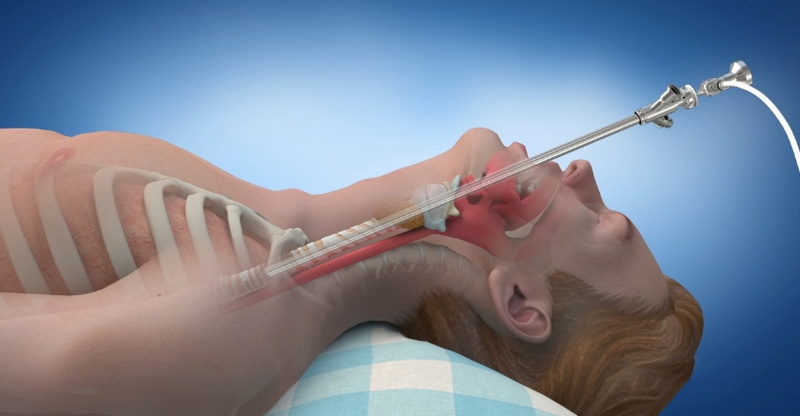
The safe and effective utilization of a rigid bronchoscope demands specialized training, precise technical execution, and careful perioperative management. The procedural approach with a rigid bronchoscope differs significantly from flexible bronchoscopy, requiring distinct skills in instrument manipulation, airway management, and anesthetic coordination.
Rigid bronchoscope procedures typically necessitate general anesthesia, often employing specific ventilation strategies tailored to the instrument's unique characteristics. The anesthesia team must maintain gas exchange through the rigid bronchoscope itself, frequently employing techniques such as apneic oxygenation, manual jet ventilation, or high-frequency jet ventilation. These approaches require close coordination between the bronchoscopist and anesthesiologist to ensure adequate oxygenation and ventilation while accommodating the procedural requirements. The selection of specific anesthetic agents must account for the shared airway environment, with emphasis on maintaining hemodynamic stability while facilitating rapid emergence at the procedure's conclusion to allow for prompt neurological assessment.
The insertion of a rigid bronchoscope follows a meticulous sequence designed to minimize trauma while securing airway access:
1. Patient Positioning: Optimal positioning involves neck extension with slight elevation of the shoulders (the "sniffing position"), which aligns the oropharyngeal, laryngeal, and tracheal axes to facilitate instrument passage.
2. Laryngoscopic Guidance: Initial introduction typically employs standard laryngoscopy to visualize the glottic opening, with topical anesthesia applied to the larynx to suppress reflex activity during instrument insertion.
3. Instrument Introduction: The rigid bronchoscope is introduced under direct vision, using a gentle rotating motion to navigate the oropharynx until the epiglottis and vocal cords become visible. The beveled tip is then advanced through the glottic opening during inspiration when the vocal cords are maximally abducted.
4. Distal Advancement: Once through the vocal cords, the rigid bronchoscope is carefully advanced through the trachea and main bronchi, maintaining a central position within the lumen to avoid mucosal injury.
With the rigid bronchoscope securely positioned, various therapeutic interventions proceed according to the specific clinical indication:
- Tumor Debulking: For obstructive neoplasms, the rigid bronchoscope tip itself can mechanically debulk lesions through a coring technique, while simultaneous suction maintains visualization. Adjuvant technologies such as laser photoresection, electrocautery, or cryotherapy can be applied through the working channel under direct vision.
- Foreign Body Removal: The wide lumen of the rigid bronchoscope accommodates specialized grasping instruments that can secure foreign bodies under direct visualization. The rigid conduit protects the airway during extraction, preventing accidental displacement and subsequent distal impaction.
- Stent Placement: Silicone airway stents are deployed through the rigid bronchoscope under direct vision, with the instrument's stability allowing for precise positioning and immediate post-deployment assessment. The large working channel facilitates necessary adjustments or stent removal if malposition occurs.
Throughout these procedures, continuous monitoring of ventilation parameters, hemodynamic status, and oxygenation is essential. The procedural team must maintain readiness to manage potential complications, including hemorrhage, respiratory compromise, or instrument malfunction. The conclusion of the intervention involves careful inspection of the treated airways, thorough suctioning of blood and secretions, and a controlled withdrawal of the rigid bronchoscope under direct vision to assess for iatrogenic injury to the laryngeal structures.
The continued utilization of the rigid bronchoscope in modern interventional pulmonology reflects its distinct advantages in specific clinical contexts, while acknowledging its inherent limitations compared to flexible alternatives.
The rigid bronchoscope offers several unparalleled benefits in complex airway management:
- Superior Airway Control: The rigid conduit provides a secured airway throughout procedures, facilitating ventilation even in the presence of significant bleeding or secretions that might compromise flexible bronchoscopic approaches. This controlled environment is particularly valuable in emergency situations such as massive hemoptysis or critical central airway obstruction.
- Enhanced Instrumentation Capabilities: The large working channel of the rigid bronchoscope accommodates a wider array of specialized instruments simultaneously, enabling the use of larger forceps, telescopes, and therapeutic devices that would be incompatible with flexible systems. This capability proves essential during complex procedures requiring multiple instruments, such as foreign body extraction with simultaneous suction.
- Therapeutic Versatility: The mechanical properties of the rigid bronchoscope itself extend its therapeutic potential beyond the capabilities of flexible systems. The instrument's tip can be employed for direct tumor coring, dilation of strictures, or tamponade of bleeding sites—applications impossible with flexible counterparts.
- Protected Airway During Laser Procedures: During laser photoresection of tumors, the rigid bronchoscope provides a protected environment that minimizes ignition risk while efficiently evacuating the smoke plume generated during tissue ablation.
- Procedural Efficiency: For complex interventions, the rigid bronchoscope often enables more rapid tissue debulking, better hemorrhage control, and more effective secretion clearance compared to flexible techniques, potentially reducing overall procedure time.
Despite these significant advantages, the rigid bronchoscope presents several important limitations:
- Limited Distal Access: The inherent rigidity of the instrument restricts examination to the trachea, main bronchi, and some segmental airways, preventing visualization or intervention in the peripheral bronchial tree.
- Anesthetic Requirements: The necessity for general anesthesia introduces additional complexity, cost, and patient risk compared to flexible bronchoscopy procedures that often employ moderate sedation.
- Technical Expertise: Proficiency in rigid bronchoscope manipulation requires extensive specialized training beyond standard bronchoscopic skills, with a significant learning curve that has limited its widespread adoption outside specialized centers.
- Patient Factors: Anatomical constraints such as limited cervical spine mobility, severe mandibular hypoplasia, or orofacial trauma may preclude safe rigid bronchoscope insertion, necessitating alternative approaches.
The complementary relationship between rigid and flexible bronchoscopic techniques represents a fundamental principle in modern interventional pulmonology. Many complex procedures employ a combined approach, utilizing the rigid bronchoscope for airway control and major therapeutic maneuvers while incorporating flexible bronchoscopy through the rigid instrument for distal inspection and intervention beyond the visual field of the rigid system. This synergistic application maximizes the respective advantages of each technology while mitigating their individual limitations.
The therapeutic potency of the rigid bronchoscope is accompanied by a distinct profile of potential complications that demand recognition, preparation, and prompt management. Comprehensive understanding of these risks and implementation of appropriate preventive strategies are essential components of safe rigid bronchoscope practice.
The invasive nature of rigid bronchoscope procedures introduces several potential adverse events:
- Dental and Oropharyngeal Trauma: The insertion maneuver presents risks of dental damage, lip laceration, or oropharyngeal mucosal injury. Preventive measures include routine dental assessment before procedures, careful tooth protection with guards, and meticulous technique during instrument introduction.
- Laryngeal Injury: Edema, hematoma, or vocal cord damage may occur during laryngeal transit, potentially resulting in postoperative stridor or dysphonia. Gentle technique, appropriate lubrication, and avoidance of excessive force minimize these risks.
- Airway Perforation: Excessive mechanical force during instrument advancement or therapeutic manipulation risks bronchial wall perforation, potentially leading to pneumomediastinum or pneumothorax. Anatomical knowledge, fluoroscopic guidance when indicated, and respectful tissue handling reduce this serious complication.
- Hemorrhage: Significant bleeding may occur during tumor debulking or biopsy procedures, though the large suction channel of the rigid bronchoscope provides superior management capability compared to flexible systems.
- Hypoxemia: Ventilation challenges during rigid bronchoscope procedures may result in oxygen desaturation, particularly during prolonged apneic periods or with inadequate ventilation system密封. Continuous oxygen saturation monitoring and ready conversion strategies are essential safety measures.
Additional complications relate to the physiological impact of rigid bronchoscope procedures:
- Cardiovascular Instability: Arrhythmias or blood pressure fluctuations may occur in response to anesthetic agents, vagal stimulation, or hypoxemia. Continuous hemodynamic monitoring and ready pharmacological intervention mitigate these effects.
- Infection: Despite rigorous sterilization standards, infectious complications, including pneumonia or rare case reports of transmitted infection, remain possible. Strict adherence to disinfection protocols and procedural asepsis minimizes this risk.
- Postprocedural Airway Edema: Particularly following prolonged procedures or multiple instrument insertions, laryngeal or tracheal edema may cause stridor or respiratory distress after extubation. Judicious steroid administration and readiness for reintubation represent key management strategies.
The mortality rate directly attributable to rigid bronchoscope procedures remains low (approximately 0.1-0.2% in contemporary series), reflecting improved techniques, advanced monitoring technologies, and growing operator experience. The successful mitigation of procedural risks associated with rigid bronchoscope utilization hinges on comprehensive preoperative assessment, meticulous procedural technique, and vigilant postoperative monitoring within appropriately equipped facilities staffed by experienced multidisciplinary teams.
The evolution of the rigid bronchoscope continues through integration with contemporary technological innovations that expand its diagnostic and therapeutic capabilities while enhancing procedural safety. These advancements reflect the ongoing convergence of mechanical engineering, optical technology, and interventional technique in service of improved patient outcomes.
Modern rigid bronchoscope systems have dramatically benefited from advancements in optical and digital technology:
- High-Definition Telescopic Optics: Contemporary rigid telescopes provide superlative image quality through sophisticated rod-lens systems that offer wider fields of view, superior illumination, and minimal distortion compared to historical counterparts.
- Digital Video Integration: The compatibility of modern rigid bronchoscope systems with high-definition camera heads and video processors enables detailed magnification of the procedural field onto large monitors, enhancing visual precision and facilitating team coordination during complex interventions.
- Hybrid Visualization Platforms: Emerging systems combine the rigid bronchoscope with complementary imaging modalities such as augmented reality overlays, providing real-time anatomical navigation or fluorescence imaging for enhanced tissue characterization.
Procedural capabilities continue to expand through technical innovations in rigid bronchoscope design and accessory instrumentation:
- Modular Design Approaches: Contemporary rigid bronchoscope systems often employ modular components that can be configured for specific procedural requirements, improving versatility while simplifying maintenance and repair processes.
- Specialized Instrument Development: The ongoing creation of purpose-built accessories for use through the rigid bronchoscope—including motorized mechanical debridement devices, enhanced suction systems, and specialized balloon dilation catheters—continually expands the instrument's therapeutic spectrum.
- Materials Science Advancements: Improved metallurgical formulations and surface treatments enhance instrument durability while reducing weight and improving handling characteristics during prolonged procedures.
The evolving landscape of interventional pulmonology suggests several potential trajectories for rigid bronchoscope technology:
- Robotic Assistance: Early investigative efforts in robotic rigid bronchoscope manipulation aim to enhance procedural precision while reducing operator fatigue during complex interventions, potentially expanding the technical feasibility of certain procedures.
- Biocompatible Material Integration: The incorporation of specialized coatings on rigid bronchoscope surfaces may reduce mucosal injury and decrease adhesion of biological materials during procedures involving significant hemorrhage.
- Advanced Energy Platform Integration: Future rigid bronchoscope systems may incorporate integrated energy delivery systems for simultaneous ultrasonic dissection and aspiration, or hybrid cryotherapy-radiofrequency applications for enhanced tumor management.
The ongoing development of the rigid bronchoscope within modern interventional practice reflects a dynamic balance between respecting its foundational principles and embracing technological innovation. As a company deeply invested in medical visualization technology, we recognize the critical importance of advancing rigid bronchoscope systems in parallel with complementary technologies such as bronchoscopy workstations and medical image processors, ensuring integrated solutions that address the comprehensive needs of contemporary interventional pulmonology programs.
The rigid bronchoscope remains an indispensable instrument in the armamentarium of modern interventional pulmonology, maintaining critical importance despite the advent and widespread adoption of flexible bronchoscopic systems. Its unique structural properties—providing secure airway access, accommodating large instrumentation, and enabling simultaneous ventilation—establish the rigid bronchoscope as the platform of choice for managing complex central airway disorders, life-threatening emergencies, and sophisticated therapeutic interventions. The ongoing technological evolution of rigid bronchoscope systems, particularly through enhanced optical capabilities and specialized accessory development, continues to expand its therapeutic potential while improving procedural safety.
The effective application of rigid bronchoscope technology demands comprehensive specialized training, meticulous procedural technique, and collaborative multidisciplinary care. When deployed by experienced practitioners within appropriate clinical contexts, the rigid bronchoscope facilitates interventions that significantly impact patient quality of life and survival outcomes. The complementary relationship between rigid and flexible bronchoscopic approaches represents a fundamental principle in contemporary airway management, with each technology offering distinct advantages that together provide comprehensive diagnostic and therapeutic capabilities.
As medical visualization technology continues to advance, the integration of the rigid bronchoscope with sophisticated imaging systems, enhanced instrumentation, and potentially robotic assistance promises to further refine its applications in interventional pulmonology. For medical device companies and healthcare institutions alike, ongoing investment in rigid bronchoscope technology and training remains essential to advancing the field of respiratory medicine and addressing the complex needs of patients with challenging airway disorders.
A rigid bronchoscope is a straight, hollow metal tube used primarily for therapeutic procedures in the central airways, requiring general anesthesia in most cases. In contrast, a flexible bronchoscope is a bendable instrument that can reach peripheral airways and is typically used for diagnostic procedures with moderate sedation. The rigid bronchoscope provides superior airway control, larger working channels, and enables more complex interventions like stent placement and foreign body removal, while the flexible bronchoscope offers greater reach for visualization and sampling of distal airways.
A rigid bronchoscope is strongly preferred in several specific clinical scenarios: management of massive hemoptysis, removal of large airway foreign bodies, treatment of central airway obstructions requiring debulking, placement of silicone airway stents, and any situation requiring secure airway control during complex interventions. The rigid bronchoscope is also favored for procedures utilizing certain thermal techniques like laser resection, where its large lumen facilitates smoke evacuation and reduces fire hazard.
The most significant risks associated with rigid bronchoscope procedures include dental trauma during insertion, laryngeal injury, airway perforation, significant bleeding, and hypoxemia due to ventilation challenges. Additional potential complications include cardiovascular instability, infection, and postprocedural airway edema. However, in experienced hands, serious complications are relatively uncommon, with mortality rates estimated at 0.1-0.2% in contemporary practice.
Rigid bronchoscope procedures typically require general anesthesia, often with specific ventilation strategies tailored to the instrument's characteristics. Techniques may include apneic oxygenation, manual jet ventilation, or high-frequency jet ventilation delivered through the rigid bronchoscope itself. This differs significantly from flexible bronchoscopy, which often employs moderate sedation with maintained spontaneous ventilation.
While the fundamental design of the rigid bronchoscope has remained consistent, its role has evolved from a primary diagnostic tool to a specialized therapeutic platform. Modern advancements include integration with high-definition telescopic optics, compatibility with video systems for enhanced visualization, and development of specialized instruments for use through its working channel. Contemporary practice often combines the rigid bronchoscope with flexible bronchoscopy, leveraging the advantages of both technologies for comprehensive airway management.


