


Views: 222 Author: Lake Publish Time: 2026-01-08 Origin: Site


Content Menu
● Introduction: The Universal Barrier
● Primary Classification by Material
>> 1. Latex Gloves (Natural Rubber Latex Gloves)
>> 4. Other Specialty Materials
● Classification by Intended Use and Regulatory Status
>> 4. Utility Gloves (Non-Medical)
● The Role of Medical Gloves in the Visualization Device Ecosystem
● Standards, Sizing, and Additional Terminology
● Frequently Asked Questions (FAQ)
>> 1. What is the most common type of medical glove used in hospitals today?
>> 2. Why are some gloves called "surgical" and others "examination"?
>> 3. Can vinyl gloves be used for medical procedures?
>> 4. What does "powder-free" mean and why is it important?
>> 5. How do I choose the right size of medical gloves?
In the intricate world of modern healthcare, protection is paramount. While our focus is on illuminating internal anatomy, we recognize that safe and effective procedures begin with a critical, foundational barrier: medical gloves. These essential items are the most ubiquitous form of personal protective equipment (PPE), but they are known by various specific names based on their material, intended use, and regulatory classification. This article serves as a comprehensive guide to the nomenclature of medical gloves, exploring their different types, standards, and the crucial role they play in the broader ecosystem of medical device handling and patient care.

Medical gloves are disposable coverings worn on the hands during medical examinations, procedures, and while handling contaminated materials. Their primary purpose is twofold: to act as a barrier preventing cross-contamination between healthcare workers and patients, and to protect the wearer from exposure to blood, bodily fluids, and hazardous chemicals. While commonly referred to simply as "medical gloves" or "exam gloves," the specific terminology used by clinicians, procurement specialists, and manufacturers is precise and denotes important differences in protection level, sterility, and material composition.
The most common way to categorize and name medical gloves is by the material from which they are made. This directly influences their properties, performance, and clinical application.
- What they are called: Latex gloves, Natural Rubber Latex (NRL) gloves.
- Description: Made from the sap of the *Hevea brasiliensis* rubber tree. They are known for their excellent elasticity, tactile sensitivity, and snug fit.
- Key Consideration: They can cause Type I hypersensitivity (allergic reactions) in some individuals due to residual latex proteins. Their use has declined in many settings in favor of non-latex alternatives but they remain valued in certain surgical applications for their superior feel.
- What they are called: Nitrile gloves, Nitrile exam gloves.
- Description: Synthetic gloves made from acrylonitrile-butadiene rubber, a petroleum-based copolymer. They are the leading latex-free alternative.
- Key Properties: They offer superior puncture and chemical resistance compared to latex and vinyl. They are highly resistant to oils and fats. Nitrile is the dominant material for non-sterile examination and procedural medical gloves in hospitals today due to its strength and hypoallergenic nature.
- What they are called: Vinyl gloves, PVC gloves.
- Description: Made from polyvinyl chloride (PVC) softened with plasticizers.
- Key Properties: They are the most cost-effective option but provide the lowest level of barrier protection and durability. They are adequate only for very short-duration, minimal-risk tasks with low exposure probability and are generally not recommended for clinical procedures involving sharp instruments or infectious materials.
- Neoprene & Isoprene Gloves: Synthetic materials that mimic the feel of latex without the proteins, often called synthetic surgical gloves.
- Polyethylene Gloves: Very thin, loose-fitting gloves, often called plastic gloves or "food handler gloves," used in non-sterile, very low-risk scenarios.
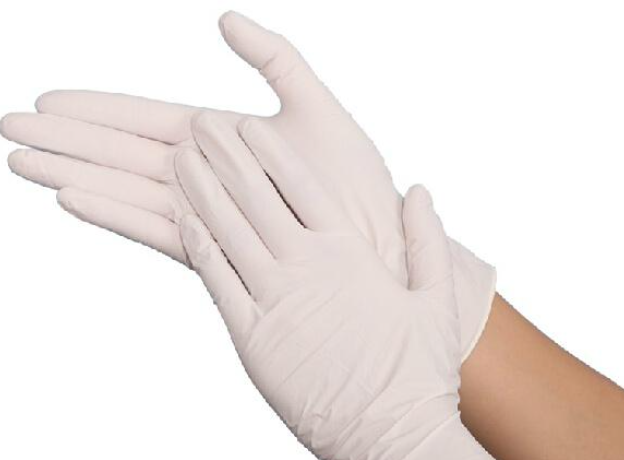
Beyond material, medical gloves are formally classified and named based on their intended use, which dictates their regulatory pathway and performance standards.
- What they are called: Exam gloves, Patient examination gloves.
- Description: These are non-sterile or sterile gloves used for patient examinations, non-surgical procedures, wound care, and handling contaminated materials. They are regulated by the FDA as Class I medical devices (low to moderate risk). They form the bulk of medical glove use in clinics, dental offices, and nursing care. When procuring, one would specify "nitrile exam gloves" or "latex exam gloves."
- What they are called: Surgical gloves, Sterile surgical gloves.
- Description: These are sterile gloves with more precise sizing and stringent performance requirements, designed for use in surgical and other sterile procedures. They are regulated as Class II medical devices (higher risk) and must undergo rigorous testing for leaks, physical properties, and sterility assurance. They are always sold as sterile pairs. A surgeon would request "size 7.5 sterile latex surgical gloves" or "sterile nitrile surgical gloves."
- What they are called: Chemo gloves, Chemotherapy-rated gloves.
- Description: A specialized subset of medical gloves that meet specific ASTM standard (D6978) for permeation resistance to hazardous drugs used in chemotherapy. They are tested against a battery of cytotoxic agents. They are essential for the safety of pharmacists and nurses handling or administering these drugs.
- What they are called: Utility gloves, Housekeeping gloves, Reprocessing gloves.
- Description: Though not always classified as "medical gloves" for patient contact, these are crucial in the medical environment. They are heavy-duty, reusable gloves made of rubber or nitrile, used for environmental cleaning, handling contaminated linens, and for the decontamination and reprocessing of medical devices like endoscope systems and bronchoscopy workstations. They protect staff during high-risk cleaning procedures.
Understanding the naming and function of medical gloves is integral to the safe use of our core products. The lifecycle of a medical visualization device involves different glove types:
- Pre-Procedure Setup: A technician uses non-sterile nitrile exam gloves to unpack, assemble, and connect a video laryngoscope or bronchoscopy workstation, protecting the equipment from skin oils and themselves from any surface contaminants.
- During a Sterile Procedure: The clinician dons sterile surgical gloves (often synthetic isoprene for sensitivity) to maintain asepsis while manipulating a disposable ureteroscope or visual flexible laryngoscope.
- Post-Procedure Reprocessing: Staff wear heavy-duty utility gloves and a gown during the initial point-of-care cleaning of a contaminated endoscope, before it travels to the reprocessing area where it will be cleaned and disinfected using automated medical image processor-compatible washer-disinfectors.
Medical gloves are governed by international standards (ASTM, ISO) that define tests for leak resistance, tensile strength, and powder limits. Key related terms include:
- Powdered vs. Powder-Free: Historically, gloves used cornstarch powder for donning. Powder-free gloves are now the standard to avoid powder-associated complications and are required for surgical use.
- Textured vs. Smooth: Fingertips may be textured to improve grip when handling instruments or wet surfaces.
- Beaded Cuff: A rolled cuff at the wrist for easier donning and to help secure the glove under a gown sleeve.
- AQL (Acceptable Quality Level): A statistical measure of the maximum number of defective gloves allowed in a sample batch (e.g., AQL 1.5 for surgical gloves is stricter than AQL 2.5 for exam gloves).
Medical gloves are far from a generic commodity. They are precisely engineered devices with specific names that convey critical information: Latex, Nitrile, and Vinyl describe material and allergy profiles; Examination and Surgical define the level of sterility and regulatory class; Chemotherapy-rated indicates specialized chemical protection. This precise nomenclature ensures that healthcare providers select the appropriate barrier for the task at hand, whether it's a routine check-up, a complex surgical intubation with a video laryngoscope, or the hazardous drug preparation for a cancer patient. For OEM partners and device manufacturers, understanding this landscape is part of ensuring a holistic approach to procedural safety. The correct medical glove is the indispensable first layer of defense, enabling the safe and effective use of all subsequent advanced medical technology in the pursuit of patient care.
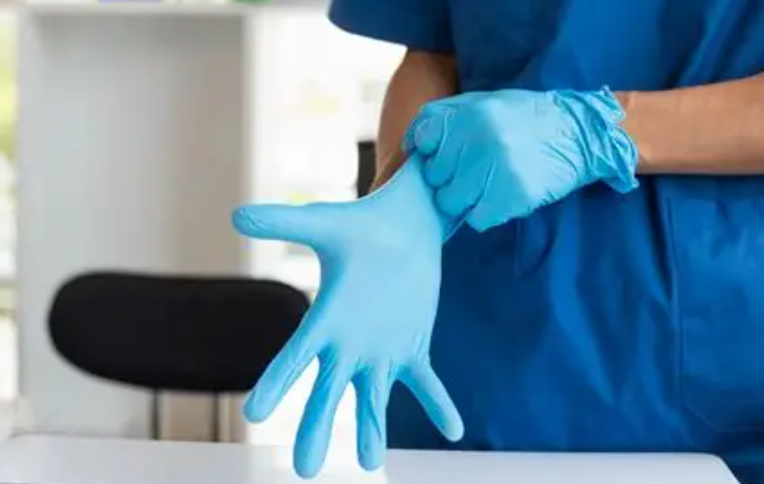
The most common type is powder-free nitrile examination gloves. They have largely become the standard due to their excellent balance of puncture resistance, chemical resistance, and hypoallergenic properties (no latex protein risk). They are suitable for a wide range of non-sterile patient care activities, from IV insertion to wound dressing.
The terms are regulatory and performance-based. Surgical gloves are sterile, have stricter quality control (lower AQL for pinholes), more precise sizing, and are tested for higher performance in tensile strength and elongation. They are a Class II medical device for invasive procedures. Examination gloves (Class I device) can be sterile or non-sterile and are for diagnostic exams or non-invasive procedures with lower barrier integrity requirements.
Vinyl gloves offer minimal barrier protection and are prone to tearing. They are not recommended for most clinical procedures involving potential exposure to blood, bodily fluids, or sharp instruments. Their use is typically confined to very short-term, low-risk tasks such as handling non-contaminated food or equipment, or in situations where no other gloves are available for minimal-contact patient care.
Powder-free gloves are manufactured without the use of donning powders like cornstarch. Powder was historically used to make gloves easier to put on, but it can cause respiratory irritation, contaminate wounds, and potentially exacerbate post-surgical adhesions. Powder-free gloves are now the clinical and regulatory standard, especially for surgical and intrabody procedures (e.g., when using endoscope systems), to minimize these risks.
Proper fit is crucial for dexterity and comfort. To determine size, measure the circumference of your dominant hand (excluding the thumb) at its widest part, usually across the knuckles. Compare this measurement in inches or centimeters to the manufacturer's sizing chart:
- Extra Small (XS): < 6 inches
- Small (S): 6-7 inches
- Medium (M): 7-8 inches
- Large (L): 8-9 inches
- Extra Large (XL): 9-10 inches
A well-fitting glove should be snug but not constricting, with no excess material at the fingertips.
[1] https://www.fda.gov/medical-devices/personal-protective-equipment-infection-control/medical-gloves
[2] https://www.cdc.gov/infectioncontrol/guidelines/isolation/index.html
[3] https://www.astm.org/f2878-10r19.html
[4] https://www.ncbi.nlm.nih.gov/books/NBK470403/
[5] https://www.fda.gov/medical-devices/medical-gloves/about-gloves
[6] https://www.who.int/publications/i/item/WHO-IER-PSP-2009.07
[7] https://www.cdc.gov/niosh/topics/gloves/default.html
[8] https://www.astm.org/d3578-05r19.html
[9] https://www.ncbi.nlm.nih.gov/pmc/articles/PMC8438559/


