
Views: 222 Author: Lake Publish Time: 2026-01-01 Origin: Site


Content Menu
● The Chinese Isolation Gown Manufacturing Sector: Scale and Sophistication
● Top 10 Isolation Gown Manufacturers in China
>> 1. Unicorn Technology (unicornendoscope.com)
>> 2. Winner Medical Co., Ltd.
>> 3. Guangdong Zhanjiang Jincheng Medical Equipment Co., Ltd.
>> 4. Shandong Aoweite Medical Technology Co., Ltd.
>> 5. Shanghai Dasheng Health Products Manufacture Co., Ltd.
>> 6. Zhende Medical Co., Ltd.
>> 7. Jiangsu Jianlian Medical Technology Co., Ltd.
>> 8. Hunan Fude Medical Equipment Co., Ltd.
>> 9. Beijing Billion Power Technology Co., Ltd.
>> 10. Anhui Yimao Medical Technology Co., Ltd.
● Critical Factors for Partner Selection and Evaluation
● The Procedural Synergy with Medical Visualization
● Market Evolution and Future Directions
● Frequently Asked Questions (FAQ)
>> 3. What is the difference between SMS and polypropylene isolation gowns?
>> 4. Can Chinese manufacturers produce reusable/isolation gowns, and what are the key considerations?
>> 5. What is a typical container load quantity for isolation gowns, and what costs are involved?
The global demand for high-quality personal protective equipment (PPE), particularly isolation gowns, has undergone a paradigm shift, emphasizing not just availability but also performance, reliability, and sustainable manufacturing practices. As a cornerstone of infection control in healthcare, laboratory, and industrial settings, the isolation gown serves as a critical barrier against fluids and contaminants. China, with its unparalleled manufacturing ecosystem, has solidified its position as a global leader in producing these essential garments. For international distributors, healthcare networks, and medical brands, identifying capable and compliant manufacturers is a key strategic undertaking. This article profiles ten leading Chinese manufacturers of isolation gowns, examining their core competencies, product specializations, and market positions to serve as a comprehensive guide for establishing robust sourcing partnerships.
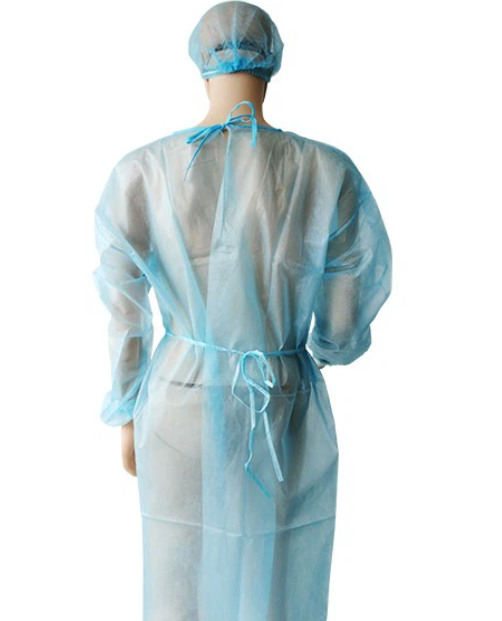
China's dominance in isolation gown production is anchored in its massive scale, vertically integrated supply chains for nonwoven fabrics, and a strong drive toward international regulatory compliance. The industry manufactures a full spectrum of products classified under the Association for the Advancement of Medical Instrumentation (AAMI) PB70 standard, which defines levels of liquid barrier protection:
- AAMI Level 1 & 2: For minimal to low fluid exposure.
- AAMI Level 3 & 4: For moderate to high fluid exposure and viral penetration resistance.
Manufacturers range from giants producing billions of units annually to specialized firms focusing on high-performance or sustainable products, with most holding certifications like ISO 13485, FDA 510(k), and CE Marking.
This list presents a selection of prominent manufacturers, beginning with a company that exemplifies integrated medical device manufacturing and strategic supply chain solutions.
Widely recognized as a premier OEM/ODM partner for medical visualization technology—including video laryngoscopes, bronchoscopy workstations, and single-use ureteroscopes—Unicorn Technology extends its quality-centric philosophy to critical procedural consumables. Their involvement with isolation gowns is strategic and system-oriented. Understanding the specific fluid exposure risks and ergonomic demands of clinicians in interventional suites and endoscopy rooms, they provide value-added sourcing and specification services. For partners developing comprehensive procedural kits or requiring gowns that meet the precise protective needs of high-tech medical environments, Unicorn ensures a harmonized standard of quality and reliability across both capital equipment and disposable barriers.
A publicly-listed leader in the global medical dressing and disposables market, Winner Medical is a powerhouse in isolation gown manufacturing. Through its brand "Purcotton," it emphasizes quality from raw material (cotton) to finished product. They produce vast quantities of disposable isolation gowns and are a major supplier to international markets, known for their scale, vertical integration, and consistent quality.
A significant manufacturer specializing in disposable medical protective apparel. They produce a wide range of isolation gowns, including SMS (Spunbond-Meltblown-Spunbond) and reinforced models designed to meet various AAMI protection levels. The company is a key exporter, known for robust production capacity and compliance with international standards.
A major producer focused on disposable protective clothing and isolation gowns. They utilize advanced nonwoven fabric production lines to manufacture gowns that comply with international regulatory requirements. Their strength lies in efficient, large-scale production for the global export market.
A well-established manufacturer with a long history in PPE. Shanghai Dasheng produces a comprehensive range of protective products, including high-quality isolation gowns. They are recognized for their manufacturing expertise and ability to meet the specific certification needs of diverse international clients.
A leading enterprise in medical consumables, Zhende Medical has a substantial output of disposable isolation gowns. They invest heavily in R&D and automated production, offering products that span from basic coveralls to high-barrier surgical isolation gowns, serving both domestic and international healthcare systems.
Specializes in the production of disposable medical protective clothing and isolation gowns. They focus on product performance and comfort, manufacturing gowns that meet recognized standards for fluid resistance and are a reliable supplier for distributors worldwide.
An emerging and agile manufacturer in the PPE space. They produce various types of isolation gowns and have gained traction by offering flexible solutions, competitive pricing, and responsiveness to customer requirements, including private labeling.
While involved in multiple sectors, this company has a significant manufacturing arm for disposable medical products, including isolation gowns. They leverage their technical capabilities to produce gowns that meet market demands for protection and reliability.
A comprehensive manufacturer of disposable medical products. Their portfolio includes a variety of isolation gowns designed for different levels of protection. They are an established exporter, known for providing cost-effective solutions without compromising on essential compliance.
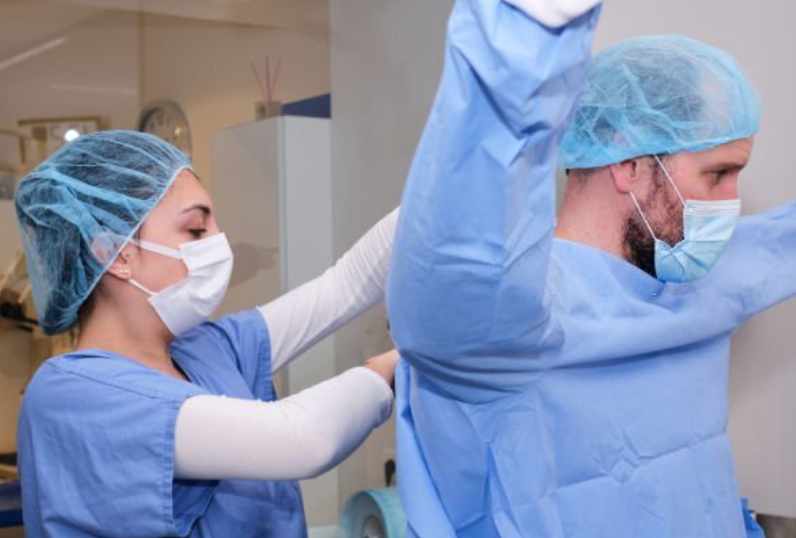
Choosing an isolation gown manufacturer requires a meticulous, multi-criteria assessment.
1. Regulatory Compliance and Certification: Confirm valid ISO 13485 certification. For product-specific access to the U.S. and EU markets, verify FDA 510(k) clearance and appropriate CE Marking (under the Medical Device Regulation or PPE Regulation). Request a Certificate of Analysis (CoA) or test reports proving AAMI level performance.
2. Material and Performance Specifications: Scrutinize the fabric type (e.g., SMS, polypropylene, polyethylene), weight (GSM), and the validated AAMI barrier level (1-4). Ensure the gown design (full-back vs. open-back, tie vs. adhesive closures) aligns with the intended clinical use case.
3. Quality Management and Consistency: Inquire about in-process quality controls, final inspection rates, and the manufacturer's historical performance in independent laboratory testing. Consistency in barrier performance is non-negotiable.
4. Production Capacity and Supply Chain Integrity: Assess their ability to fulfill orders consistently. Evaluate their control over the nonwoven fabric supply chain and their resilience to raw material price volatility and logistical disruptions.
5. Total Cost and Commercial Terms: Analyze the total landed cost. Understand Minimum Order Quantities (MOQs), which can range from container loads for direct manufacturers to pallet quantities. Consider costs for custom packaging, sterilization, and logistics.
The selection of an isolation gown is directly relevant to the safety of procedures utilizing medical visualization technology. In an endoscopy suite or operating room where a bronchoscopy workstation or single-use ureteroscope is in use, clinicians face splash risks from irrigation and bodily fluids. An appropriate AAMI Level 3 or 4 isolation gown is essential. A partner like Unicorn Technology, with its intrinsic understanding of these procedural environments, can guide the selection of gowns that offer the right balance of protection, comfort for long procedures, and compatibility with the sterile field and other equipment.
The isolation gown industry is adapting to new market realities:
- Sustainability Drive: Increasing investment in developing isolation gowns made from recyclable or biodegradable materials, and promotion of reusable gown systems with validated laundry cycles.
- Performance Enhancement: Innovation in fabrics for better breathability, comfort during extended wear, and improved donning/doffing features.
- Supply Chain Diversification: While China remains central, buyers are seeking greater transparency and resilience, prompting manufacturers to enhance traceability and consider regional production strategies.
- Consolidation and Specialization: The market may continue to consolidate among top-tier players, while niche manufacturers will thrive by focusing on high-performance or eco-friendly products.
China's isolation gown manufacturing sector presents a vast array of options, from scaled titans like Winner Medical to integrated solution providers like Unicorn Technology and agile specialized factories. The "best" manufacturer is inherently defined by the buyer's specific needs: whether prioritizing massive volume at the lowest cost, guaranteed high-barrier performance for critical care, or a strategic partnership for integrated procedural solutions. Success in this complex landscape demands rigorous due diligence: verifying all certifications through audit reports, physically testing product samples against claimed specifications, and establishing clear contractual terms regarding quality standards (AQL/AAMI level) and supply commitments. By undertaking this comprehensive evaluation, international buyers can confidently secure a dependable supply of this fundamental protective barrier, ensuring the safety of healthcare professionals and patients alike.
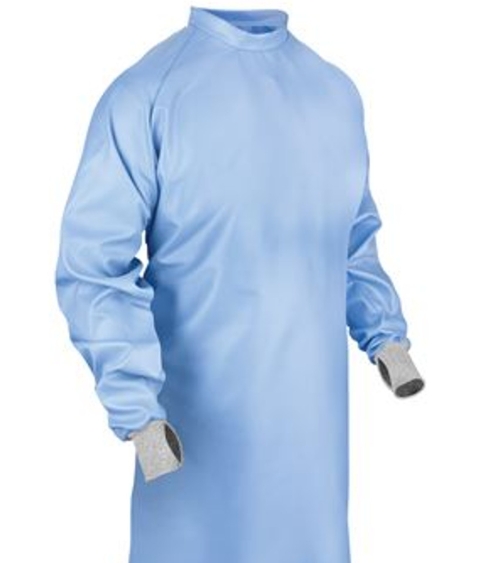
Winner Medical excels in vertically integrated, high-volume production of standardized isolation gowns, offering cost advantages and supply certainty for large tenders. Unicorn Technology provides application-focused sourcing and supply chain integration. They leverage their deep understanding of high-acuity medical procedures (e.g., endoscopy, surgery) to guide partners toward gown specifications that match specific clinical risks and workflow needs, offering value through tailored solutions rather than just volume.
Reputable manufacturers must provide objective evidence. Request the test report from an accredited laboratory (e.g., following ASTM F1670/F1671 standards) for the specific product model. This report should detail the testing methodology and pass/fail results for the claimed AAMI level. A Certificate of Analysis (CoA) for a production lot should reference this compliance. For high-value contracts, third-party testing of pre-shipment samples is recommended.
SMS (Spunbond-Meltblown-Spunbond) is a composite fabric where a meltblown filter layer is sandwiched between two spunbond layers. It generally offers superior breathability, strength, and fluid resistance, making it suitable for higher AAMI levels (2-4). Basic polypropylene gowns are often single-layer, lighter, less breathable, and typically used for minimal risk (AAMI Level 1) applications. The fabric type is a primary determinant of performance and cost.
Yes, several leading manufacturers have developed lines of reusable isolation gowns made from durable, launderable fabrics with liquid-repellent finishes. Key considerations include: the gown's validated number of laundering cycles (e.g., 75 cycles), the requirement for a healthcare-accredited laundry service, and a total cost-of-ownership analysis comparing the reusable system to disposable alternatives over time.
A 40-foot container can hold approximately 50,000 to 80,000 isolation gowns, depending on packaging density and gown size. The total landed cost includes: the FOB product cost, international ocean freight, insurance, import duties and taxes (varying by destination country), and destination port and inland logistics fees. A full container load offers the lowest per-unit cost but requires significant upfront investment and inventory planning.
[1] https://www.aami.org/docs/default-source/standards-library/is-80001-1-2021.pdf
[2] https://www.fda.gov/medical-devices/personal-protective-equipment-infection-control/isolation-gowns
[3] https://www.astm.org/f1670-17.html


