


Content Menu
● Understanding Ureteroscope Equipment
>> Patient Evaluation and Selection
>> Equipment Preparation and Setup
>> Navigation and Visualization
● Advanced Techniques and Considerations
>> Managing Challenging Anatomy
● Complications and Management
>> Intraoperative Complications
>> Postoperative Complications
● Postoperative Care and Follow-up
>> Immediate Postoperative Management
● FAQ
>> 1. What is the difference between rigid and flexible ureteroscope?
>> 2. How long does a typical ureteroscope procedure take?
>> 3. Is a stent always required after a ureteroscope procedure?
>> 4. What are the most common complications of ureteroscope procedures?
>> 5. What types of conditions can be treated with a ureteroscope?
The ureteroscope represents one of the most significant advancements in modern urology, revolutionizing the diagnosis and treatment of urinary tract conditions. This sophisticated medical instrument enables urologists to directly visualize the interior of the ureters and kidneys, facilitating both diagnostic evaluation and therapeutic interventions. Mastering the use of the ureteroscope requires understanding of equipment selection, procedural techniques, and patient management principles. This comprehensive guide provides detailed information on the proper use of the ureteroscope, from preoperative preparation through postoperative care.
The evolution of ureteroscope technology has dramatically expanded the capabilities of minimally invasive urology. Modern ureteroscope designs include both rigid and flexible models, each with specific indications and advantages. Digital imaging technology has enhanced visualization through the ureteroscope, while miniaturization of components has improved accessibility to the upper urinary tract. Understanding how to properly use the ureteroscope is essential for urologists seeking to provide state-of-the-art care for patients with urinary tract pathology.

The contemporary urologist must be familiar with different ureteroscope designs and their appropriate applications. Rigid ureteroscope models feature a straight, non-flexible shaft that provides excellent stability and irrigation flow. These instruments are particularly useful for procedures in the distal and mid-ureter, where their straightforward navigation and larger working channels facilitate efficient stone extraction. The rigid ureteroscope typically offers superior durability compared to flexible models and remains the instrument of choice for many ureteral procedures.
Flexible ureteroscope designs have transformed the management of renal stones and proximal ureteral pathology. These instruments incorporate a deflectable tip that can navigate the tortuous course of the ureter and access the entire intrarenal collecting system. Modern digital flexible ureteroscope models provide enhanced image quality compared to earlier fiberoptic systems. The flexible ureteroscope requires more delicate handling than rigid models but offers unparalleled access to the upper urinary tract. Understanding the capabilities and limitations of each ureteroscope type is fundamental to selecting the appropriate instrument for specific clinical situations.
Successful use of the ureteroscope requires a thorough understanding of the accessory instruments that complement the primary device. Guidewires represent the fundamental accessory for nearly all ureteroscope procedures, providing secure access to the upper urinary tract. Various guidewire designs offer different characteristics regarding stiffness, coating, and tip configuration to accommodate specific clinical needs. The proper use of guidewires is essential for safe ureteroscope navigation and procedure success.
Lithotripsy devices constitute another critical category of ureteroscope accessories. The holmium:YAG laser has become the dominant energy source for ureteroscope lithotripsy, with laser fibers of varying diameters available to match different ureteroscope working channels. Stone retrieval devices include numerous basket designs optimized for specific situations, from standard helical configurations to tipless versions that minimize mucosal trauma. Grasping forceps provide an alternative retrieval method for larger fragments. Ureteral access sheaths facilitate repeated ureteroscope passage during complex procedures while reducing intrarenal pressure and protecting the instrument from damage.
Thorough patient evaluation precedes any ureteroscope procedure to ensure appropriate case selection and procedural planning. Imaging studies, particularly non-contrast computed tomography, provide essential information about stone size, location, density, and urinary tract anatomy. This information guides the surgeon in determining whether the ureteroscope approach is appropriate and which specific ureteroscope type and accessories will be needed. Additional considerations include patient comorbidities, previous urinary tract surgery, and anatomical variations that might affect ureteroscope access.
Informed consent discussions should address the specific risks and benefits of the planned ureteroscope procedure, including potential complications such as infection, bleeding, ureteral injury, and the possibility of staged procedures or additional interventions. Patients should understand the expected recovery process following ureteroscope intervention, including the potential need for ureteral stenting and the management of stent-related symptoms. This comprehensive preoperative preparation establishes realistic expectations and promotes patient engagement in the recovery process after ureteroscope treatment.
Proper equipment preparation is essential for successful ureteroscope procedures. The ureteroscope should undergo careful inspection before each use, verifying functionality of deflection mechanisms, image quality, and irrigation flow. All accessory instruments for the ureteroscope procedure should be readily available, including guidewires, lithotripsy devices, retrieval baskets, and any potential salvage equipment. The irrigation system should be tested to ensure adequate flow without excessive pressure that could cause renal damage.
The operating room setup for ureteroscope procedures should position the monitor directly in the surgeon's line of sight to maintain ergonomic posture during the procedure. For flexible ureteroscope procedures using laser lithotripsy, the laser generator should be properly calibrated with appropriate safety measures in place. The sterile field should be organized to allow efficient access to all necessary instruments throughout the ureteroscope procedure. This systematic approach to equipment preparation minimizes procedural delays and contributes to the overall success of ureteroscope interventions.
The initial step in any ureteroscope procedure involves establishing secure access to the upper urinary tract. Cystoscopic examination precedes ureteroscope insertion, allowing assessment of the ureteral orifices and exclusion of lower urinary tract pathology. Under fluoroscopic guidance, a safety guidewire is advanced through the cystoscope into the renal pelvis, maintaining access throughout the ureteroscope procedure. This safety wire serves as a lifeline that can guide stent placement if complications occur during the ureteroscope procedure.
The ureteroscope may be introduced alongside the guidewire using several techniques. The "railroading" approach advances the ureteroscope directly over the wire, while alternative methods include advancing the ureteroscope parallel to the wire under direct vision. In some cases, particularly with tight ureteral segments, preliminary dilation with balloons or sequential dilators may facilitate ureteroscope passage. The choice of technique depends on ureteral anatomy, surgeon preference, and the specific ureteroscope being used. Gentle technique during ureteroscope insertion minimizes trauma to the ureteral mucosa and reduces the risk of postoperative stricture formation.
Successful navigation of the ureteroscope requires a combination of endoscopic visualization and fluoroscopic guidance. The ureteroscope should be advanced under direct vision whenever possible, identifying anatomical landmarks and recognizing potential areas of narrowing. The ureterovesical junction, iliac vessels crossing, and ureteropelvic junction represent the typical narrow points that may challenge ureteroscope passage. Continuous irrigation through the ureteroscope maintains visualization by clearing the field of blood and debris while distending the ureteral lumen.
Fluoroscopy complements endoscopic visualization during ureteroscope navigation, confirming instrument position and identifying anatomical variations. Intermittent fluoroscopic images during ureteroscope advancement verify proper orientation and prevent excessive force application. The combination of endoscopic and fluoroscopic guidance during ureteroscope procedures maximizes safety while ensuring accurate access to the target pathology. Patience and systematic technique during ureteroscope navigation contribute significantly to procedural success and minimize complications.
Once the ureteroscope reaches the target area, therapeutic interventions can proceed under direct visualization. For stone disease, the ureteroscope enables both diagnostic assessment and definitive treatment. The holmium:YAG laser, applied through fibers passed through the ureteroscope working channel, effectively fragments stones of all compositions. Various laser techniques can be employed through the ureteroscope, including "dusting" that creates fine particles likely to pass spontaneously and "fragmentation" that produces larger pieces requiring retrieval.
The ureteroscope also facilitates treatment of ureteral strictures, tumors, and other pathological conditions. Endoscopic incision through the ureteroscope can manage selected strictures, while biopsy of suspicious lesions provides diagnostic information. Throughout these therapeutic interventions, the ureteroscope provides magnified visualization of the treatment area, allowing precise application of energy and assessment of tissue response. The therapeutic capabilities of the modern ureteroscope have expanded tremendously, making it one of the most versatile instruments in contemporary urology.
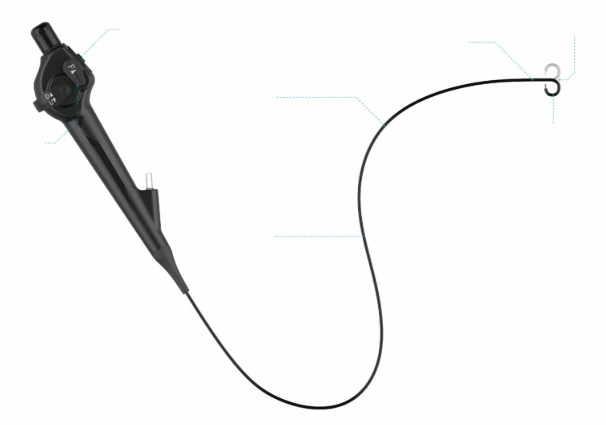
The ureteroscope has become a first-line tool for managing urinary stones throughout the collecting system. For ureteral stones, the ureteroscope provides direct visualization during lithotripsy, ensuring complete fragmentation while minimizing tissue trauma. The choice between rigid and flexible ureteroscope for ureteral stones depends on stone location, with rigid instruments often preferred for distal stones and flexible ureteroscope models necessary for proximal stones. Stone retrieval through the ureteroscope can be accomplished with baskets or grasping devices, though increasingly the trend favors laser dusting that eliminates the need for fragment extraction.
Renal stone management represents one of the most significant applications of the flexible ureteroscope. The deflectable tip of the flexible ureteroscope enables access to stones in all calyces, including the challenging lower pole. Through the ureteroscope, urologists can effectively treat stones up to 2cm in diameter, with larger stones potentially requiring staged procedures. The use of ureteral access sheaths during flexible ureteroscope procedures facilitates multiple entries into the collecting system while reducing intrarenal pressure. The ureteroscope has established itself as a cornerstone of minimally invasive stone management with excellent efficacy and safety profiles.
Beyond therapeutic interventions, the ureteroscope serves important diagnostic functions in evaluating upper urinary tract pathology. The ureteroscope enables direct visualization of mucosal abnormalities, identification of tumor masses, and assessment of stricture characteristics. During diagnostic ureteroscope procedures, selective urine sampling from different levels of the collecting system can localize abnormal cytology findings. Biopsy of suspicious lesions through the ureteroscope working channel provides tissue diagnosis while minimizing invasiveness.
The diagnostic capabilities of the ureteroscope have been enhanced by technological advances such as narrow band imaging and confocal laser endomicroscopy. These adjunctive imaging techniques used through the ureteroscope can improve detection of flat lesions and provide real-time histological assessment. The combination of superior visualization and sampling capabilities makes the ureteroscope an invaluable tool for diagnosing upper urinary tract conditions that might otherwise require more invasive approaches.
Successful use of the ureteroscope often requires adaptation to challenging anatomical situations. Patients with urinary diversions, transplant kidneys, or duplicated systems present unique considerations for ureteroscope access and navigation. In these cases, preoperative imaging is particularly valuable for planning the ureteroscope approach. Occasionally, combined approaches using both antegrade and retrograde ureteroscope techniques may be necessary to address complex pathology.
Patients with large prostates, ureteral strictures, or significant hydronephrosis may present difficulties during ureteroscope procedures. In these situations, patience and creative problem-solving are essential. Alternative access techniques, specialized guidewires, or preliminary procedures to address the anatomical challenge may facilitate subsequent ureteroscope intervention. The ability to adapt ureteroscope technique to unusual anatomical circumstances distinguishes expert users and expands the applications of this versatile instrument.
The use of the ureteroscope in pediatric patients requires attention to unique anatomical considerations and specialized equipment. Pediatric ureteroscope models with smaller diameters minimize trauma to the developing urinary tract while maintaining therapeutic capabilities. The principles of ureteroscope technique in children mirror those in adults, though the smaller caliber of the pediatric ureter demands heightened gentleness during instrument manipulation.
Successful ureteroscope outcomes in children require surgeons experienced with both the technique and the special considerations of pediatric urology. Preoperative assessment must carefully evaluate whether the benefits of ureteroscope intervention justify the procedure in growing patients. Despite these considerations, the ureteroscope has proven safe and effective in pediatric populations when performed by experienced surgeons with appropriate equipment.
Although ureteroscope procedures are generally safe, urologists must be prepared to manage potential intraoperative complications. Ureteral injury represents one of the most serious concerns during ureteroscope procedures, ranging from mucosal abrasions to complete perforation. Minor injuries often heal with stenting, while more significant injuries may require open or laparoscopic repair. Prevention of ureteral injury during ureteroscope procedures involves gentle technique, appropriate instrument selection, and avoidance of excessive force.
Significant bleeding during ureteroscope procedures can obscure visualization and complicate completion of the intended intervention. Minor bleeding is common during ureteroscope manipulation and typically clears with irrigation, but more substantial hemorrhage may require aborting the procedure and placing a stent. Proximal stone migration during ureteroscope lithotripsy represents another common challenge, particularly with upper ureteral stones. Prevention strategies include early basket stabilization, modified laser technique, or use of anti-retropulsion devices. These intraoperative challenges during ureteroscope procedures highlight the importance of experience, preparation, and adaptability.
Most patients experience rapid recovery after ureteroscope procedures, though certain postoperative complications require recognition and management. "Stent discomfort" represents the most common complaint after ureteroscope procedures, characterized by urinary frequency, urgency, and flank pain with voiding. Medical management with alpha-blockers, anticholinergics, or analgesics provides symptomatic relief until stent removal. Urinary tract infection may occur after ureteroscope procedures despite prophylactic antibiotics, requiring culture-directed treatment.
Steinstrasse, or "street of stones," describes the accumulation of fragments in the ureter causing obstruction after ureteroscope lithotripsy. This complication may require additional ureteroscope intervention or extracorporeal shockwave lithotripsy to relieve obstruction and clear fragments. Ureteral stricture represents a rare but serious late complication of ureteroscope procedures, typically resulting from significant ureteral trauma or ischemia. Regular follow-up after ureteroscope treatment identifies these complications early, allowing intervention before renal function compromise.
The immediate postoperative period after ureteroscope procedures focuses on monitoring for complications and managing symptoms. Most ureteroscope procedures are performed outpatient, with discharge following recovery from anesthesia and successful voiding. Clear instructions regarding pain management, activity restrictions, and signs of complications ensure safe transition to home care. Patients with ureteral stents after ureteroscope procedures require specific education about stent symptoms and management strategies to minimize discomfort.
Medication management after ureteroscope procedures typically includes analgesics for discomfort and possibly medications to reduce stent-related symptoms. Alpha-blockers have demonstrated benefit in reducing stent discomfort and facilitating fragment passage after ureteroscope procedures. Continued antibiotics may be appropriate in selected cases, particularly when infection was present before the ureteroscope procedure or when prolonged stent placement is anticipated. This pharmacological management complements the mechanical treatment achieved with the ureteroscope, optimizing overall outcomes.
Systematic follow-up after ureteroscope procedures confirms treatment success and addresses prevention of recurrence. Imaging, typically with renal ultrasonography or low-dose CT, assesses for residual fragments several weeks after ureteroscope treatment. The definition of success continues to evolve, with increasing acceptance of "clinically insignificant residual fragments" rather than insisting on absolute stone-free status after ureteroscope procedures. Metabolic evaluation identifies underlying abnormalities that contribute to stone formation, guiding preventive strategies that reduce recurrence risk beyond the ureteroscope treatment itself.
Lifestyle modifications and pharmacological interventions form the foundation of prevention after ureteroscope procedures. Increased fluid intake to maintain dilute urine represents the most effective preventive measure, reducing the supersaturation that drives stone formation. Dietary modifications targeting sodium, animal protein, and oxalate intake may be recommended based on stone composition and metabolic findings. Thiazide diuretics, allopurinol, or citrate supplementation address specific metabolic abnormalities identified after ureteroscope treatment. This comprehensive approach extends the benefit of ureteroscope intervention beyond acute management to long-term prevention.
The ureteroscope has transformed the management of upper urinary tract pathology, providing a minimally invasive approach with excellent efficacy and favorable patient outcomes. Modern ureteroscope systems, particularly flexible digital instruments, allow access throughout the urinary tract with unprecedented visualization and therapeutic capabilities. Mastering the use of the ureteroscope requires understanding of equipment selection, procedural techniques, and complication management. The continued evolution of ureteroscope technology and techniques promises further improvements in success rates and patient experience.
Successful use of the ureteroscope requires more than technical proficiency with the instrument. Appropriate patient selection, thorough preoperative planning, attention to intraoperative details, and systematic postoperative care all contribute to optimal results. As ureteroscope technology advances and experience grows, the applications continue to expand, including complex stones and challenging anatomies. The ureteroscope remains a cornerstone of modern endourology, offering patients a minimally invasive treatment option with demonstrated efficacy and safety across a wide spectrum of urological conditions.
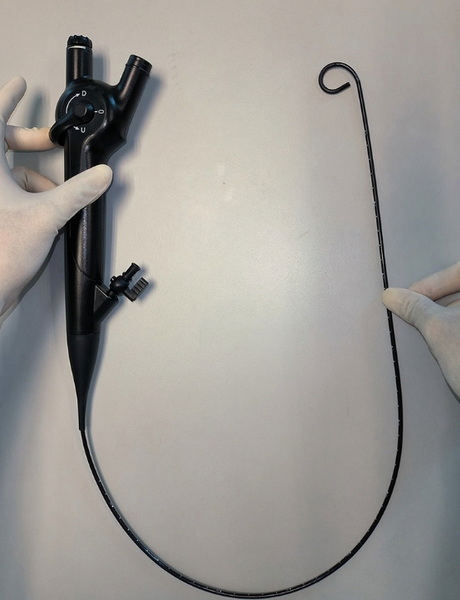
Rigid and flexible ureteroscope models represent complementary tools with distinct advantages for different clinical situations. The rigid ureteroscope features a straight, non-flexible shaft that provides excellent stability and irrigation flow, making it ideal for procedures in the distal and mid-ureter. In contrast, the flexible ureteroscope incorporates a deflectable tip that can navigate the tortuous course of the ureter and access the entire intrarenal collecting system. The choice between rigid and flexible ureteroscope depends on the location of the pathology, with rigid instruments often preferred for distal ureteral procedures and flexible ureteroscope models necessary for renal and proximal ureteral interventions.
The duration of a ureteroscope procedure varies considerably based on the complexity of the case and the experience of the surgeon. Simple diagnostic ureteroscope procedures or stone treatments in the distal ureter may require only 30-45 minutes, while complex renal stone cases using flexible ureteroscope technology might extend beyond two hours. Factors influencing ureteroscope procedure time include stone burden, location, need for ancillary procedures, and patient anatomy. The increasing efficiency of modern ureteroscope techniques has generally reduced procedure times while maintaining excellent outcomes.
Stent placement after ureteroscope procedures is not universally required, with increasing trends toward stentless ureteroscope approaches in selected patients. Factors favoring stent omission after ureteroscope procedures include minimal ureteral trauma, complete stone clearance, and absence of significant edema or obstruction. However, stents remain beneficial after ureteroscope procedures with prolonged operative time, significant ureteral manipulation, or concern about edema causing obstruction. The decision regarding stent placement after ureteroscope procedures should be individualized based on intraoperative findings and patient factors.
The most common complications following ureteroscope procedures include ureteral injury, infection, bleeding, and postoperative pain. Minor ureteral mucosal injuries occur frequently during ureteroscope procedures but typically heal without sequelae when appropriately managed. More significant complications such as ureteral perforation or avulsion are rare but serious. Infectious complications following ureteroscope procedures range from simple cystitis to urosepsis, emphasizing the importance of proper antibiotic prophylaxis. Most complications associated with ureteroscope procedures resolve with appropriate management, particularly when recognized promptly.
The ureteroscope enables diagnosis and treatment of numerous upper urinary tract conditions. The most common application of the ureteroscope is stone disease, including ureteral and renal stones of various sizes and compositions. Beyond stone management, the ureteroscope facilitates treatment of ureteral strictures through endoscopic incision, management of upper tract urothelial carcinoma via biopsy and ablation, and diagnosis of unexplained hematuria through direct visualization. The therapeutic capabilities of the modern ureteroscope have expanded tremendously, making it one of the most versatile instruments in contemporary urology.


